Katie Kelly – författare
2 132 kr
Skickas inom 10-15 vardagar
625 kr
Skickas inom 10-15 vardagar
336 kr
Skickas inom 10-15 vardagar
376 kr
Läs direkt efter köp
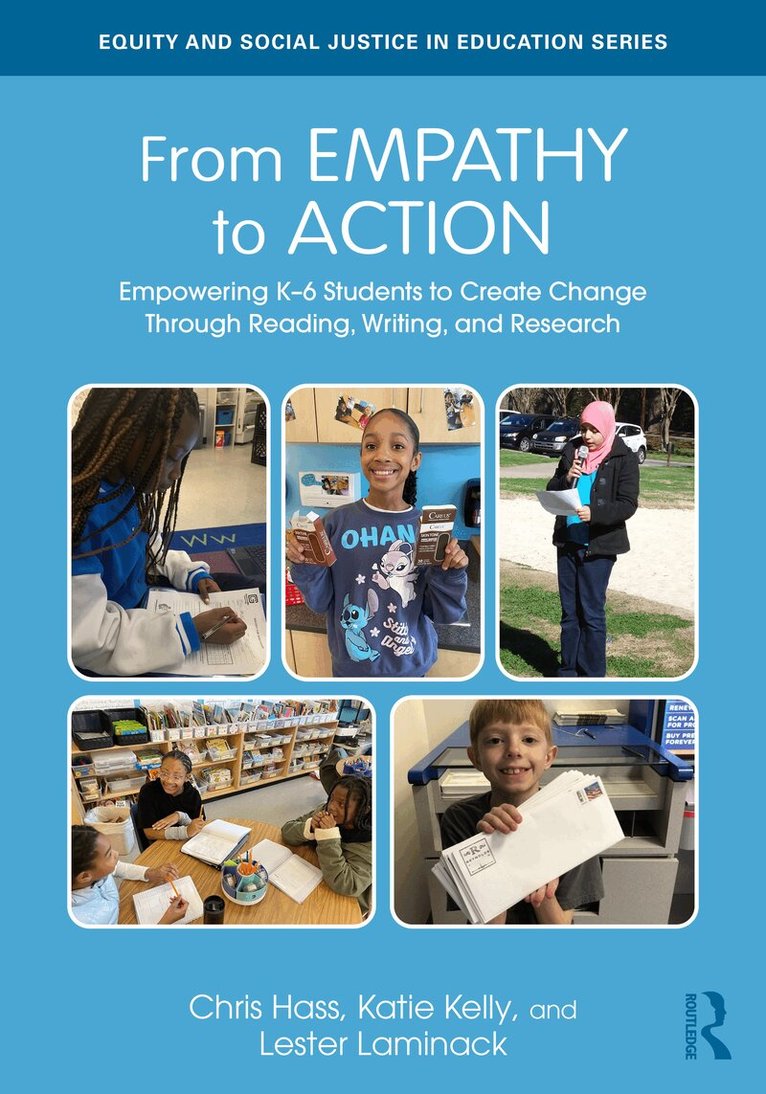
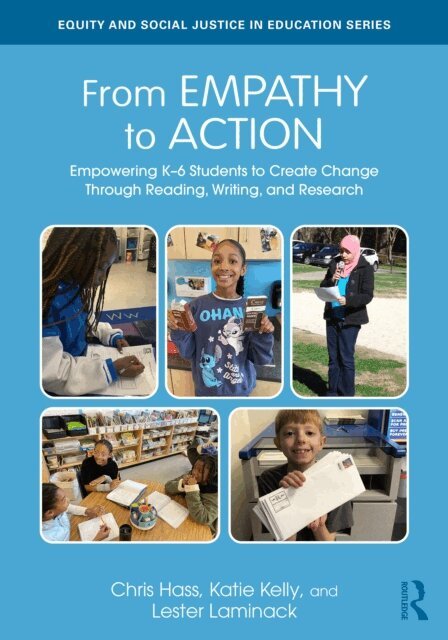
How can we move children from simply talking about things to learning to take action—and feeling empowered to enact change? This book shows you exactly what this can look like in an elementary class setting. It details the structures and instructional strategies classroom teachers can adopt to help their children create positive outcomes for their communities while also building identities for themselves as real agents of change.
Topics include building empathy and compassion, helping students become aware of issues within their communities, creative brave environments so students can engage in productive discussions around sensitive topics, engaging students in research that answers their needs and those of their community, and supporting students into action. Classroom examples, practical tools, and student voices are featured throughout.
With this book by your side, you can debunk the false deficit-based assumptions that young people aren’t ready for activism, and you’ll see what is possible when we commit ourselves to integrating civic learning into our classroom literacy instruction.
376 kr
Läs direkt efter köp
How can we move children from simply talking about things to learning to take action—and feeling empowered to enact change? This book shows you exactly what this can look like in an elementary class setting. It details the structures and instructional strategies classroom teachers can adopt to help their children create positive outcomes for their communities while also building identities for themselves as real agents of change.
Topics include building empathy and compassion, helping students become aware of issues within their communities, creative brave environments so students can engage in productive discussions around sensitive topics, engaging students in research that answers their needs and those of their community, and supporting students into action. Classroom examples, practical tools, and student voices are featured throughout.
With this book by your side, you can debunk the false deficit-based assumptions that young people aren’t ready for activism, and you’ll see what is possible when we commit ourselves to integrating civic learning into our classroom literacy instruction.
468 kr
Skickas
735 kr
Läs direkt efter köp
How do disabled students feel about their time at university? What practices and policies work and what challenges do they encounter? How do they view staff and those providing learning support?
This book sets out to show how disabled students experience university life today. The current generation of students is the first to move through university after the enactment of the Disability Discrimination Act, which placed responsibility on universities to create an inclusive environment for disabled students. The research on which the book is based focuses on a selected group of students with a variety of impairments, as they progress through their degree courses. On the way they encounter different styles of teaching and approaches to learning and assessment. The diversity of their views is reflected in the issues they raise: negotiating identities, dealing with transitions, encountering divergent and sometimes confusing teaching and assessment.
Improving Disabled Students’ Learning goes on to ask university staff how they experience these new demands to widen participation and create more inclusive learning climates. It explores their perspectives on their roles in a changing university sector. Offering insights into the workings of universities, as seen by their central participants, its findings will be of great interest to all practitioners who teach and support disabled students, as well as campaigners for an end to discrimination. Crucially, it foregrounds the views of disabled students themselves, giving rise to a complex, contradictory and always fascinating picture of university life from students whose voices are not always heard.
735 kr
Läs direkt efter köp
How do disabled students feel about their time at university? What practices and policies work and what challenges do they encounter? How do they view staff and those providing learning support?
This book sets out to show how disabled students experience university life today. The current generation of students is the first to move through university after the enactment of the Disability Discrimination Act, which placed responsibility on universities to create an inclusive environment for disabled students. The research on which the book is based focuses on a selected group of students with a variety of impairments, as they progress through their degree courses. On the way they encounter different styles of teaching and approaches to learning and assessment. The diversity of their views is reflected in the issues they raise: negotiating identities, dealing with transitions, encountering divergent and sometimes confusing teaching and assessment.
Improving Disabled Students’ Learning goes on to ask university staff how they experience these new demands to widen participation and create more inclusive learning climates. It explores their perspectives on their roles in a changing university sector. Offering insights into the workings of universities, as seen by their central participants, its findings will be of great interest to all practitioners who teach and support disabled students, as well as campaigners for an end to discrimination. Crucially, it foregrounds the views of disabled students themselves, giving rise to a complex, contradictory and always fascinating picture of university life from students whose voices are not always heard.
Smuggling Writing
Strategies That Get Students to Write Every Day, in Every Content Area, Grades 3-12
405 kr
Skickas inom 11-20 vardagar
Is it possible to sneak more writing into your already-jammed curriculum? Yes! With this cache of classroom-tested ideas, you have all you need to make writing-to-learn a daily habit for students that deepens their content understanding and creates learners ready to take on all of the world’s information. Smuggling Writing shows how to integrate writing seamlessly into your lesson plans with 32 written response activities that help students process information and ideas in short, powerful sessions. The authors invigorate time-tested tools like GIST, Herringbone, and Anticipation Guides, and organize them into sections on Vocabulary and Concept Development, Comprehension, Discussion, and Research & Inquiry so you can select and use them to maximum effect. Here are the success-ensuring how-to’s that accompany each strategy:
A step-by-step process ensures students use the strategy before, during, and after reading/learning so they “own” the strategy and can track their thinking Engaging digital applications, including Story Impression with Bubbl.us, Reading Road Map with Prezi, Possible Solutions with Padlet, CLVG with Brain Pop Sample lessons showing both traditional and online formats, taking the guess work out of trying these new digital tools Ideas for “smuggling” additional writing opportunities into or after the lessons, ensuring that students’ writing skills improve Connections to Common Core State StandardsWith all the heady talk of what it’s going to take for students to read, write, and analyze across multiple sources, it’s nice to know that there is a book that shows how big gains will come from “writing small” day by day.