Katrin Flikschuh – författare
Visar alla böcker från författaren Katrin Flikschuh. Handla med fri frakt och snabb leverans.
10 produkter
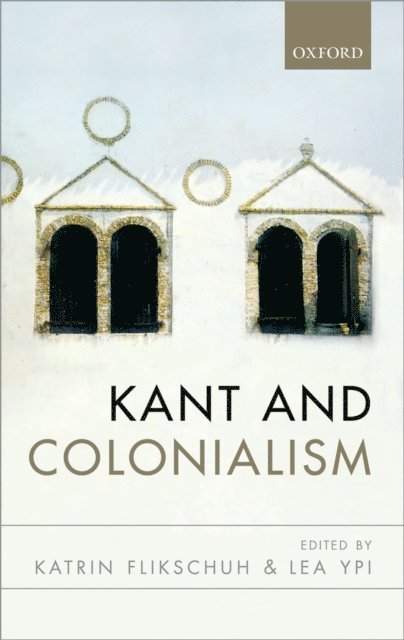
Kant and Colonialism
Historical and Critical Perspectives
E-bok, 2014
1210 kr
Lägg i varukorg
This is the first book dedicated to a systematic exploration of Kant''s position on colonialism. Bringing together a team of leading scholars in both the history of political thought and normative theory, the chapters in the volume seek to place Kant''s thoughts on colonialism in historical …
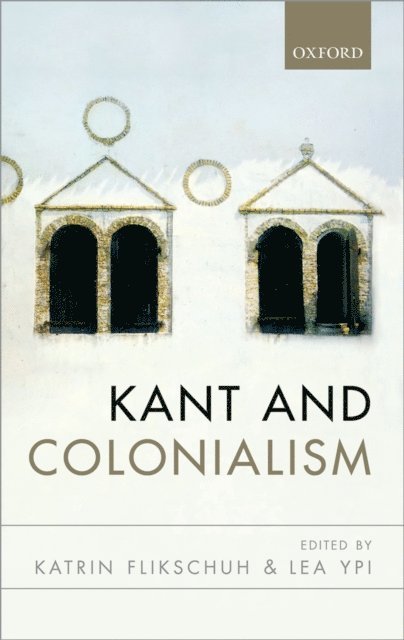
Kant and Colonialism
Historical and Critical Perspectives
E-bok, 2014
1210 kr
Lägg i varukorg
This is the first book dedicated to a systematic exploration of Kant''s position on colonialism. Bringing together a team of leading scholars in both the history of political thought and normative theory, the chapters in the volume seek to place Kant''s thoughts on colonialism in historical …
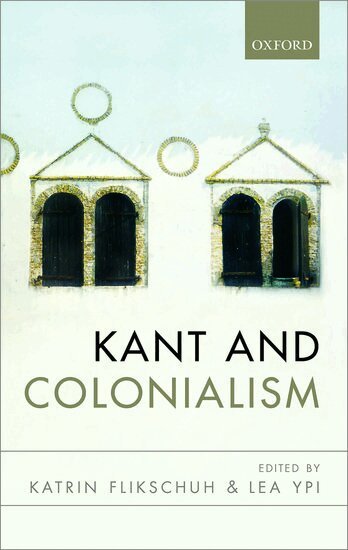
Kant and Colonialism
Historical and Critical Perspectives
Av YPI FLIKSCHUH, Katrin Flikschuh m. fl.
Inbunden, 2014
1701 kr
Lägg i varukorg
This is the first book dedicated to a systematic exploration of Kant's position on colonialism. Bringing together a team of leading scholars in both the history of political thought and normative theory, the chapters in the volume seek to place Kant's thoughts on colonialism in historical context, …
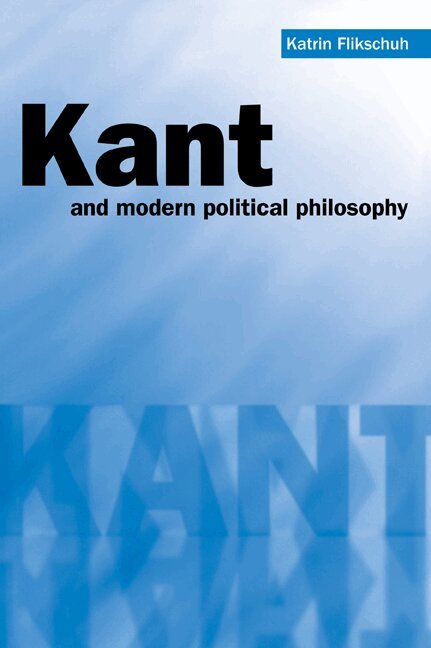
Kant and Modern Political Philosophy
Häftad, 2008
732 kr
Lägg i varukorg
In this book Katrin Flikschuh examines the relevance of Kant's political thought to major issues and problems in contemporary political philosophy. She advances and defends two principal claims: that Kant's philosophy of Right endorses the role of metaphysics in political thinking, in contrast to …
Kant and Modern Political Philosophy
Inbunden, 2000
1628 kr
Lägg i varukorg
In this book Katrin Flikschuh examines the relevance of Kant's political thought to major issues and problems in contemporary political philosophy. She advances and defends two principal claims: that Kant's philosophy of Right endorses the role of metaphysics in political thinking, in contrast to …
Freedom
Contemporary Liberal Perspectives
Inbunden, 2007
636 kr
Lägg i varukorg
In this engaging new book, Katrin Flikschuh offers an accessible introduction to divergent conceptions of freedom in contemporary liberal political philosophy. Beginning with a discussion of Isaiah Berlin's seminal distinction between negative and positive liberty, the book goes on to consider …
Freedom
Contemporary Liberal Perspectives
Häftad, 2007
292 kr
Lägg i varukorg
In this engaging new book, Katrin Flikschuh offers an accessible introduction to divergent conceptions of freedom in contemporary liberal political philosophy. Beginning with a discussion of Isaiah Berlin's seminal distinction between negative and positive liberty, the book goes on to consider …
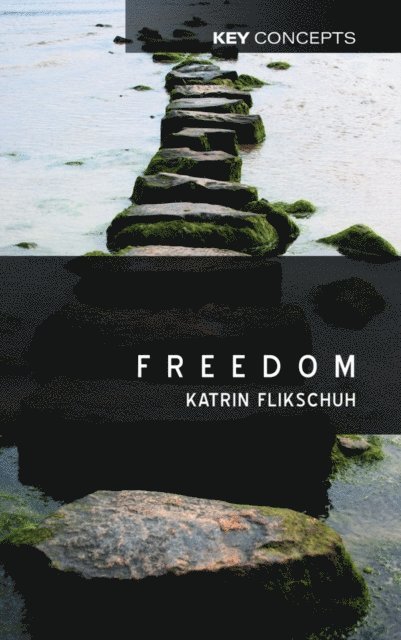
Freedom
Contemporary Liberal Perspectives
E-bok, 2013
277 kr
Lägg i varukorg
In this engaging new book, Katrin Flikschuh offers an accessible introduction to divergent conceptions of freedom in contemporary liberal political philosophy. Beginning with a discussion of Isaiah Berlin''s seminal distinction between negative and positive liberty, the book goes on to consider …
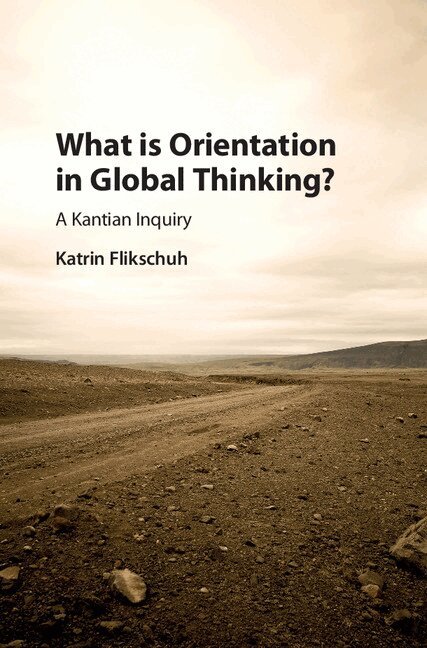
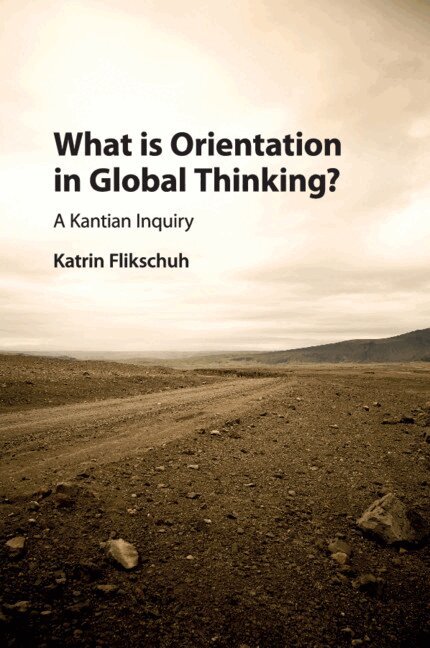
What is Orientation in Global Thinking?
A Kantian Inquiry
Inbunden, 2017
1254 kr
Lägg i varukorg
Starting from Kant's striking question 'What is orientation in thinking?', this book argues that the main challenge facing global normative theorising lies in its failure to acknowledge its conceptual inadequacies. We do not know how to reason globally; instead, we tend to apply our domestic …
What is Orientation in Global Thinking?
A Kantian Inquiry
Häftad, 2020
569 kr
Lägg i varukorg
Starting from Kant's striking question 'What is orientation in thinking?', this book argues that the main challenge facing global normative theorising lies in its failure to acknowledge its conceptual inadequacies. We do not know how to reason globally; instead, we tend to apply our domestic …