Katrina Navickas – Författare
Visar alla böcker från författaren Katrina Navickas. Handla med fri frakt och snabb leverans.
4 produkter
4 produkter
Del 256 - Proceedings of the British Academy
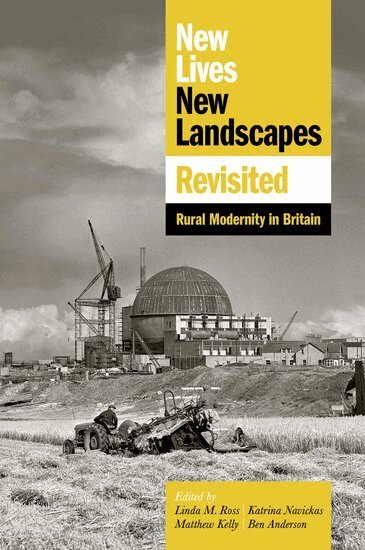
New Lives, New Landscapes Revisited
Rural Modernity in Britain
Inbunden, Engelska, 2023
1 394 kr
Skickas inom 7-10 vardagar
In 1970, the Architectural Press published New Lives, New Landscapes, Nan Fairbrother's optimistic account of how the British landscape was materially transformed in the post-war decades. Reservoirs, power stations, television and radio-transmitter masts, electricity and telephone pylons, as well as local authority housing and new or improved roads, produced a new rurality. So too did state-subsidised agricultural intensification, wider public access to the countryside, and environmentally protective measures. These included landscape designations such as National Parks, Areas of Outstanding Natural Beauty, and Sites of Special Scientific Interest. Central to Fairbrother's approach was the concomitant transformation in how British people interacted with these new landscapes in an age of increased mobility. This new edited collection of essays, New Lives, New Landscapes Revisited: Rural Modernity in Britain brings a fresh historical perspective to bear on Fairbrother's concerns. It examines how the changing relationship between government, state, and citizen gave rise to a distinct rural modernity during the middle decades of the twentieth century.
1 585 kr
Skickas inom 3-6 vardagar
Loyalism and Radicalism in Lancashire, 1798-1815 is a lively and detailed account of popular politics in Lancashire during the later years of the French Revolution and during the Napoleonic wars. Drawing on a wide variety of sources, such as letters, diaries, and broadside ballads, it offers fresh insights into the complicated dynamics between radicalism, loyalism, and patriotism, and emphasises Lancashire's distinctive political culture and its place at the heart of the industrial revolution. This region witnessed some of the most intense, disruptive, and violent popular politics in this period and beyond. Highly active and vocal groups emerged - extreme republicans, more moderate radicals, Luddites, early trade unionists, and also strong networks of 'Church-and-King' loyalists and Orange lodges. Katrina Navickas explains how this heady mix created a politically charged region where both local and national affairs played their part. She follows the inner workings of popular political activity in response to both internal and external threats, including loyalist processions and civic events, volunteer corps formed as defence against invasion, food riots, strikes by trade unions, and both secret and public meetings on the key issues of peace and parliamentary reform. Navickas argues for a distinct sense of regional identity that shaped not only local politics but also patriotism. Lancastrians felt British in the face of the French, but it was a particularly Lancastrian type of Britishness.
356 kr
Skickas
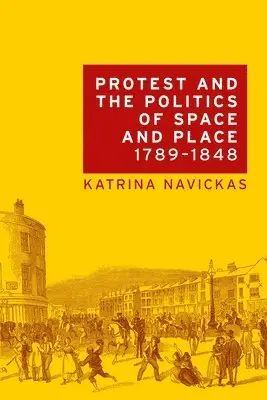
This book is a wide-ranging survey of the rise of mass movements for democracy and workers’ rights in northern England from 1789 to 1848. It is a provocative narrative of the closing down of public space and dispossession from place. It offers historical parallels for contemporary debates about protests in public space and democracy and anti-globalisation movements. In response to fears of revolution from 1789 to 1848, the British government and local authorities prohibited mass working-class political meetings and societies. Protesters faced the privatisation of public space. The ‘Peterloo Massacre’ of 1819 marked a turning point. Radicals, trade unions and the Chartists fought back by challenging their exclusion from public spaces, creating their own sites and eventually constructing their own buildings or emigrating to America. New evidence of protest in rural areas of northern England, including rural Luddism, is also uncovered.
224 kr
Skickas inom 7-10 vardagar
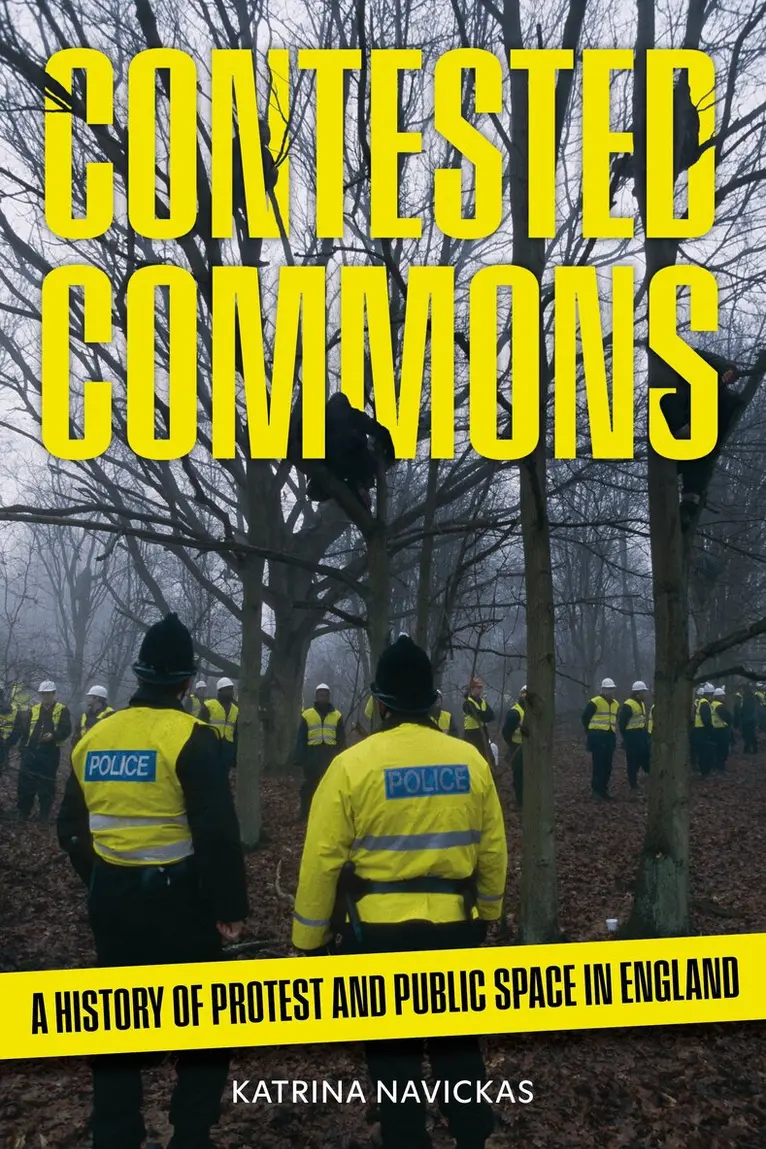
A radical history of England, Contested Commons is a gripping overview of increasingly restrictive policing and legislation against protest in public spaces. It tells the long history of contests over Trafalgar Square, Hyde Park, Cable Street and Kinder Scout, as well as sites in towns and rural areas across the country. Navickas reveals how protesters claimed these spaces as their own commons, resisting their continuing enclosure and exclusion by social and political elites. She investigates famous and less well-known demonstrations and protest marches, from early democracy, trade union movements and the Suffragettes to anti-fascist, Black rights and environmental campaigners in more recent times. Contested Commons offers positive as well as troubling lessons on how we protect the right to protest.