Kay Armatage - Böcker
Visar alla böcker från författaren Kay Armatage. Handla med fri frakt och snabb leverans.
4 produkter
4 produkter
969 kr
Skickas inom 11-20 vardagar
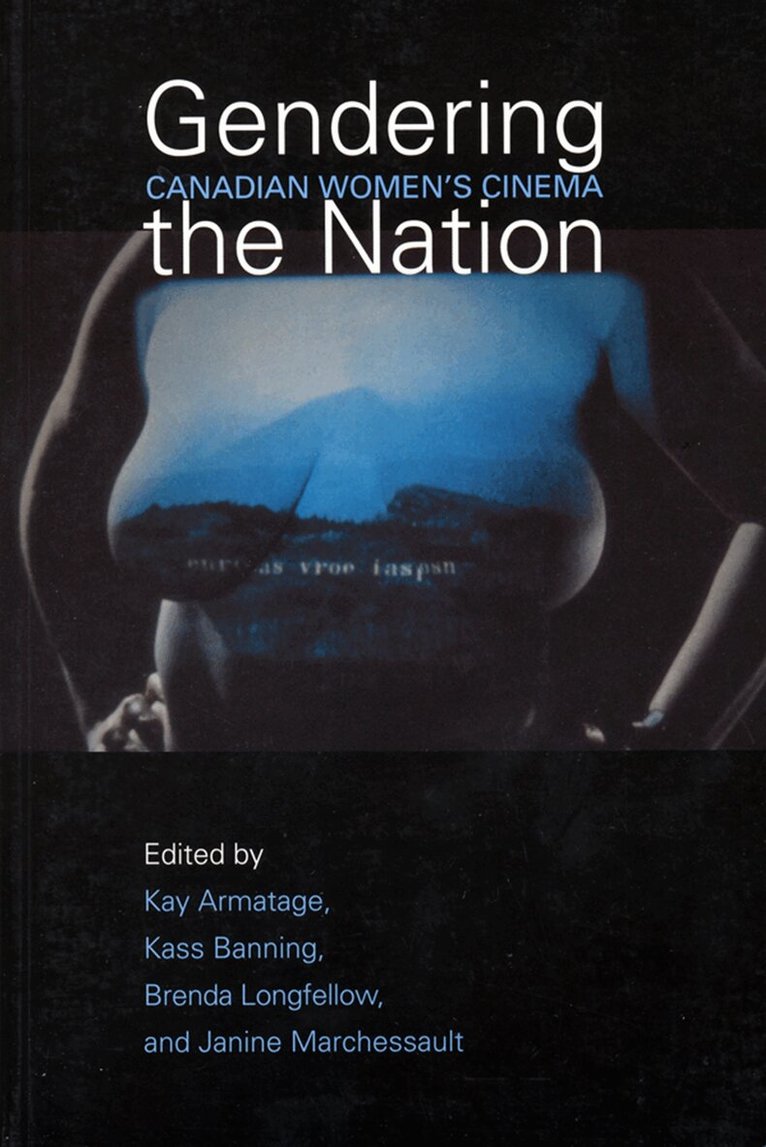
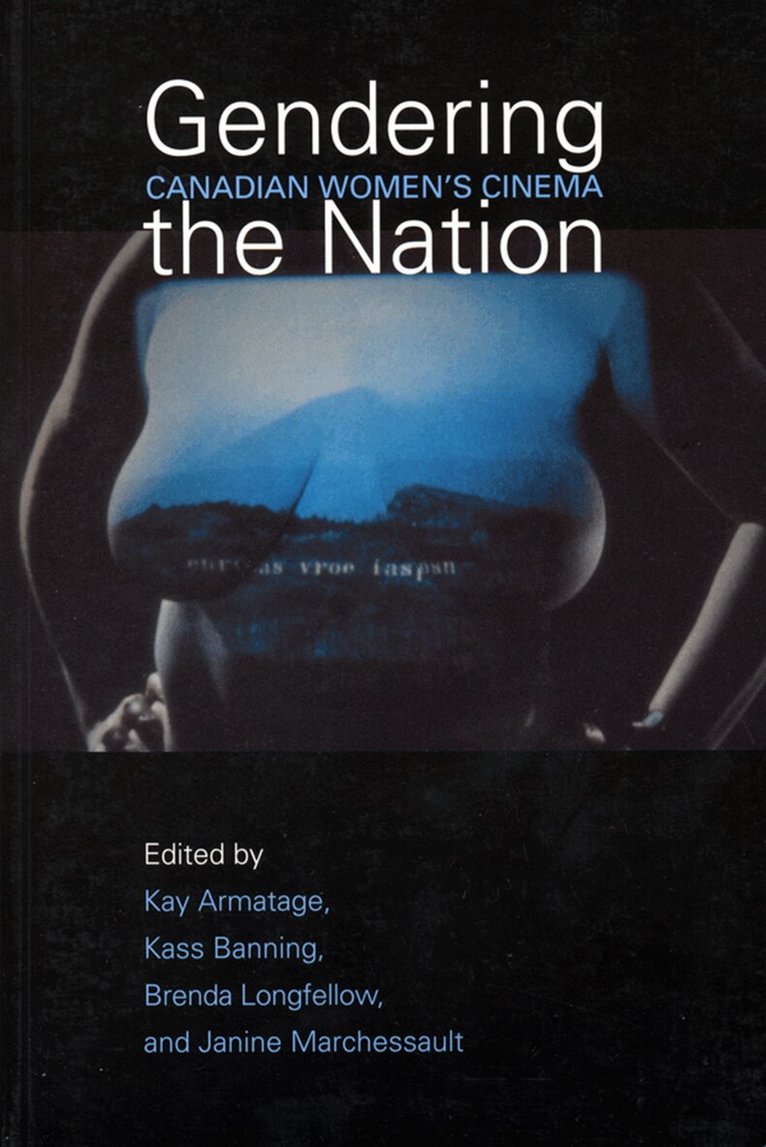
Since Nell Shipman wrote and starred in Back to God's Country (1919), Canadian women have been making films. The accolades given to film-makers such as Patricia Rozema (I've Heard the Mermaids Singing, When Night is Falling), Alanis Obomsawin (Kanehsatake: 270 Years of Resistance), and Micheline Lanctôt (Deux actrices) at festivals throughout the world in recent years attest to the growing international recognition for films made by Canadian women. With Gendering the Nation the editors have produced a definitive collection of essays, both original and previously published, that address the impact and influence of a century of women's film-making in Canada. In dialogue with new paradigms for understanding the relationship of cinema with nation and gender, Gendering the Nation seeks to situate women's cinema through the complex optic of national culture. This collection of critical essays employs a variety of frameworks to analyse cinematic practices that range from narrative to documentary to the avant-garde.
914 kr
Skickas inom 11-20 vardagar
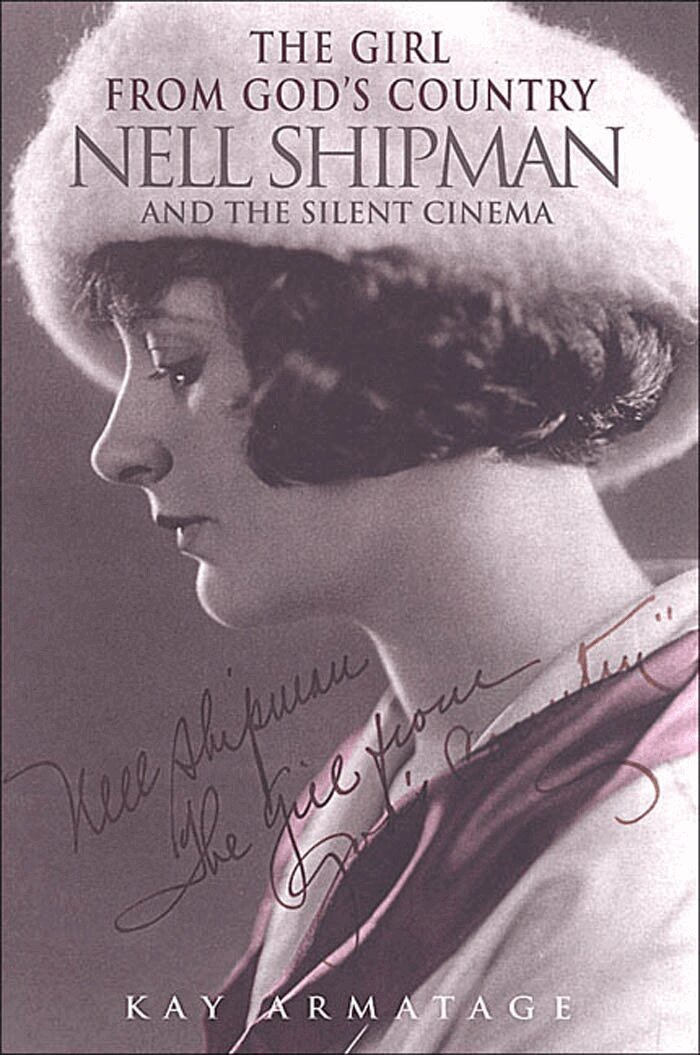
In The Girl from God's Country, Kay Armatage reintroduces film studies scholars to Nell Shipman, a pioneer in both Canadian and American film, and one of proportionately numerous women from Hollywood's silent era who wrote, directed, produced, and acted in motion pictures. Born and raised in British Columbia, Shipman became a contract actress for Vitagraph Studios, starring in God's Country and the Woman (1915) and Back to God's Country (1919), among other films. These action-packed adventure melodramas, in which the heroine is called upon to rescue her husband and defeat the villain, were immensely successful. Later, Shipman started up her own production company to make films centred on her screen persona, 'the girl from God’s country.' By the mid 1920s, however, the formation of the large Hollywood studios and vertical integration closed down the independents, Shipman among them. Nevertheless, she continued writing until her death in 1970.Through the use of social history, feminist film theory, and biography, Armatage creates a portrait of a woman film pioneer. Using Shipman's working life as a window to the profession, Armatage explores the position of women in modernism, the developing film industry, and cinematic practice of the 1920s. The Girl from God's Country also contextualizes Shipman's work within the development of Hollywood as a locus of artistic production and in relation to women filmmakers from Europe, Australia, Russia and the United States. Armatage brings Shipman back to life in this important book.
397 kr
Skickas inom 10-15 vardagar
Since Nell Shipman wrote and starred in Back to God's Country (1919), Canadian women have been making films. The accolades given to film-makers such as Patricia Rozema (I've Heard the Mermaids Singing, When Night is Falling), Alanis Obomsawin (Kanehsatake: 270 Years of Resistance), and Micheline Lanctôt (Deux actrices) at festivals throughout the world in recent years attest to the growing international recognition for films made by Canadian women. With Gendering the Nation the editors have produced a definitive collection of essays, both original and previously published, that address the impact and influence of a century of women's film-making in Canada. In dialogue with new paradigms for understanding the relationship of cinema with nation and gender, Gendering the Nation seeks to situate women's cinema through the complex optic of national culture. This collection of critical essays employs a variety of frameworks to analyse cinematic practices that range from narrative to documentary to the avant-garde.
521 kr
Skickas inom 10-15 vardagar
In The Girl from God's Country, Kay Armatage reintroduces film studies scholars to Nell Shipman, a pioneer in both Canadian and American film, and one of proportionately numerous women from Hollywood's silent era who wrote, directed, produced, and acted in motion pictures. Born and raised in British Columbia, Shipman became a contract actress for Vitagraph Studios, starring in God's Country and the Woman (1915) and Back to God's Country (1919), among other films. These action-packed adventure melodramas, in which the heroine is called upon to rescue her husband and defeat the villain, were immensely successful. Later, Shipman started up her own production company to make films centred on her screen persona, 'the girl from God’s country.' By the mid 1920s, however, the formation of the large Hollywood studios and vertical integration closed down the independents, Shipman among them. Nevertheless, she continued writing until her death in 1970.Through the use of social history, feminist film theory, and biography, Armatage creates a portrait of a woman film pioneer. Using Shipman's working life as a window to the profession, Armatage explores the position of women in modernism, the developing film industry, and cinematic practice of the 1920s. The Girl from God's Country also contextualizes Shipman's work within the development of Hollywood as a locus of artistic production and in relation to women filmmakers from Europe, Australia, Russia and the United States. Armatage brings Shipman back to life in this important book.