Kay Shimizu – författare
Visar alla böcker från författaren Kay Shimizu. Handla med fri frakt och snabb leverans.
5 produkter
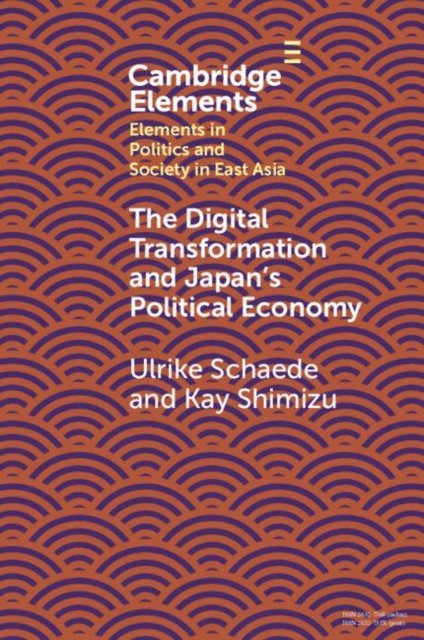
Digital Transformation and Japan's Political Economy
Av Kay Shimizu, Ulrike Schaede
E-bok, 2022
294 kr
Lägg i varukorg
Digital transformation and demographic change are usually seen as two separate but equally threatening events that foreshadow job replacement, industrial decline, and social bifurcation. Because Japan is the world''s frontrunner in demographic change with an ageing and shrinking society, it is …
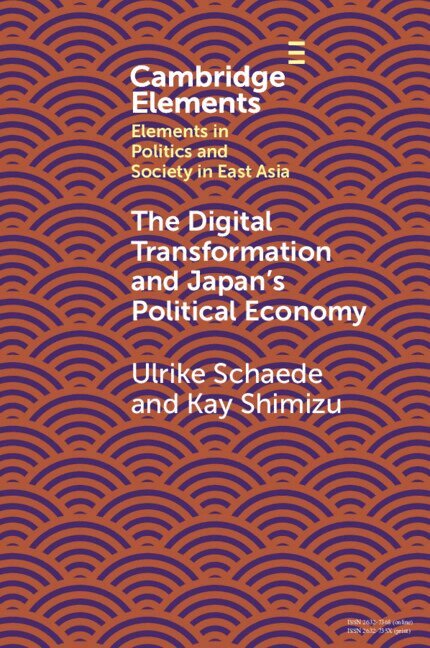
The Digital Transformation and Japan's Political Economy
Av Ulrike Schaede, Kay Shimizu
Häftad, 2022
308 kr
Lägg i varukorg
Digital transformation and demographic change are usually seen as two separate but equally threatening events that foreshadow job replacement, industrial decline, and social bifurcation. Because Japan is the world's frontrunner in demographic change with an ageing and shrinking society, it is …
Betting on the Farm
Institutional Change in Japanese Agriculture
Av Patricia L. Maclachlan, Kay Shimizu
Inbunden, 2022
810 kr
Lägg i varukorg
Japan Agricultural Cooperatives (JA), a nationwide network of farm cooperatives, is under increasing pressure to expand farmer incomes by adapting coop strategies to changing market incentives. Some coops have adapted more successfully than others. In Betting on the Farm, Patricia L. Maclachlan and …
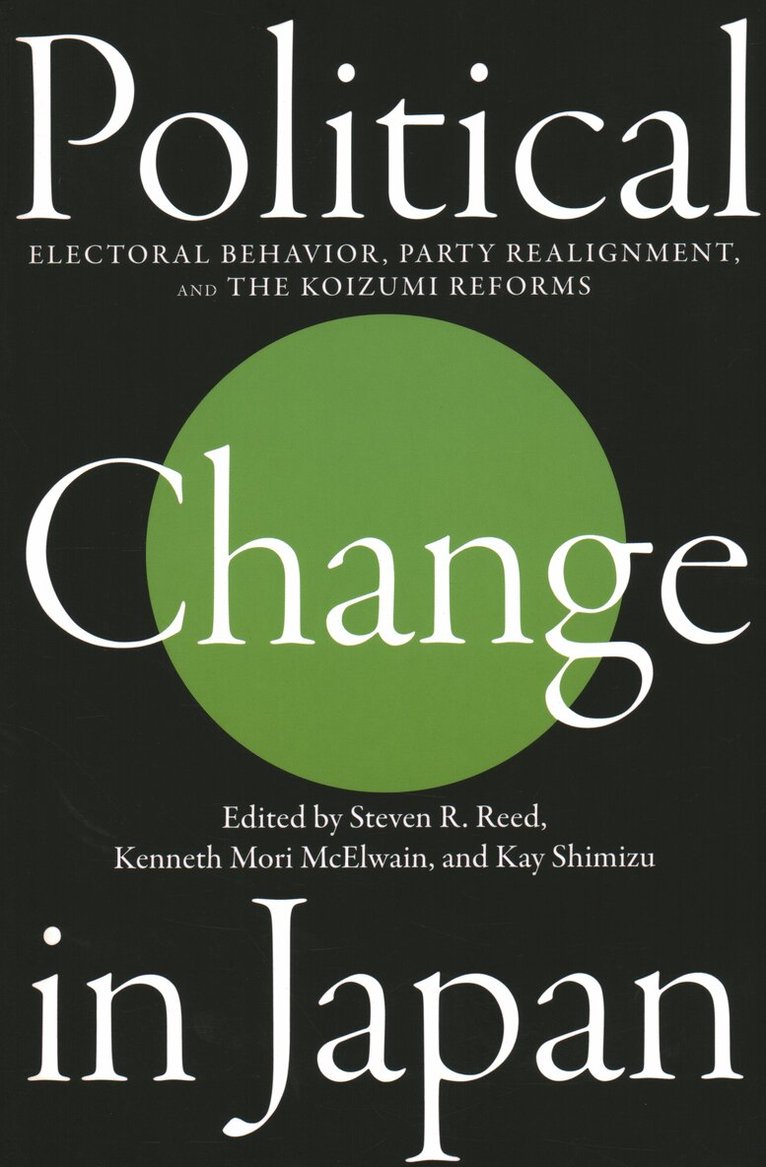
Political Change in Japan
Electoral Behavior, Party Realignment, and the Koizumi Reforms
Av Steven R. Reed, Kenneth Mori McElwain m. fl.
Häftad, 2009
357 kr
Lägg i varukorg
In the past twenty years, Japan has undergone dramatic changes. Electoral reform has altered the relationship between politicians and voters, and Japan is increasingly a two-party system. The popularity of former prime minister Koizumi Junichiro highlighted the salience of telegenic party …
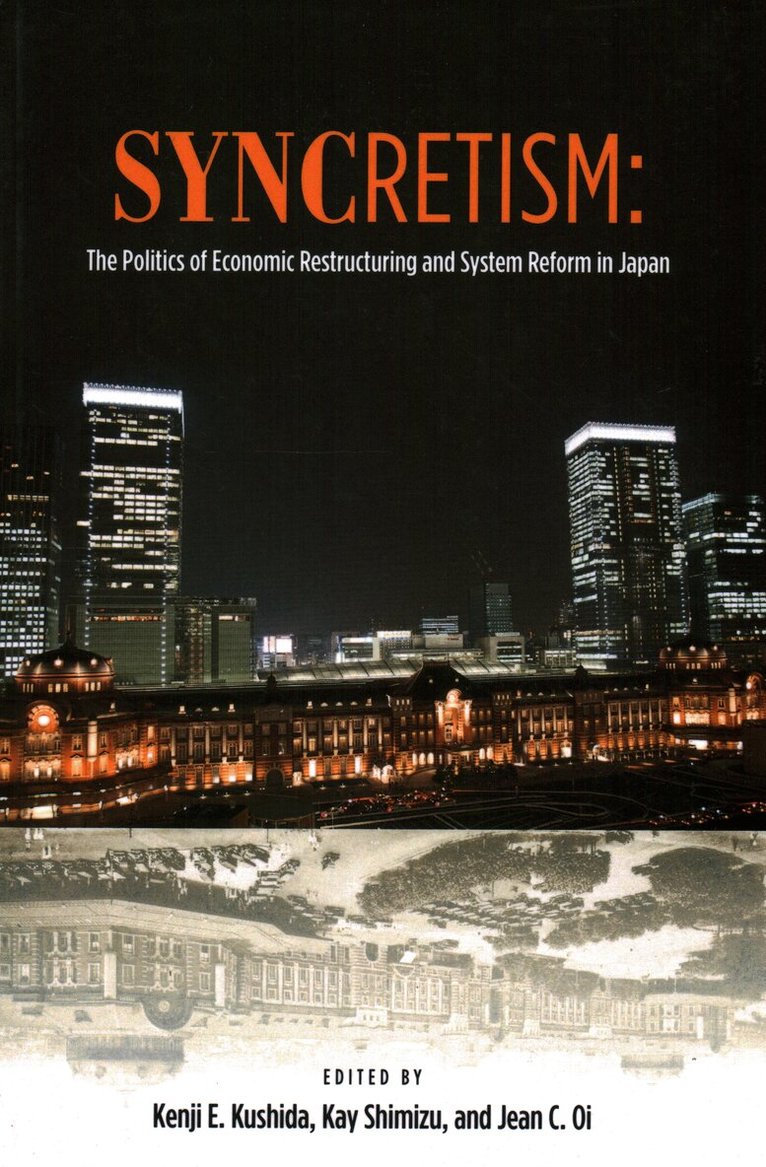
Syncretism
The Politics of Economic Restructuring and System Reform in Japan
Av Kenji E. Kushida, Kay Shimizu m. fl.
Häftad, 2014
367 kr
Lägg i varukorg
Japan's first decade of the twenty-first century was both disappointing and bewildering, producing wildly contrasting evaluations. Many have come to call this period the "second lost decade," characterized by policy paralysis and overall lackluster economic growth. For those studying Japan more …