K.C. Ting – författare
Visar alla böcker från författaren K.C. Ting. Handla med fri frakt och snabb leverans.
3 produkter
3 produkter
1 589 kr
Skickas inom 10-15 vardagar
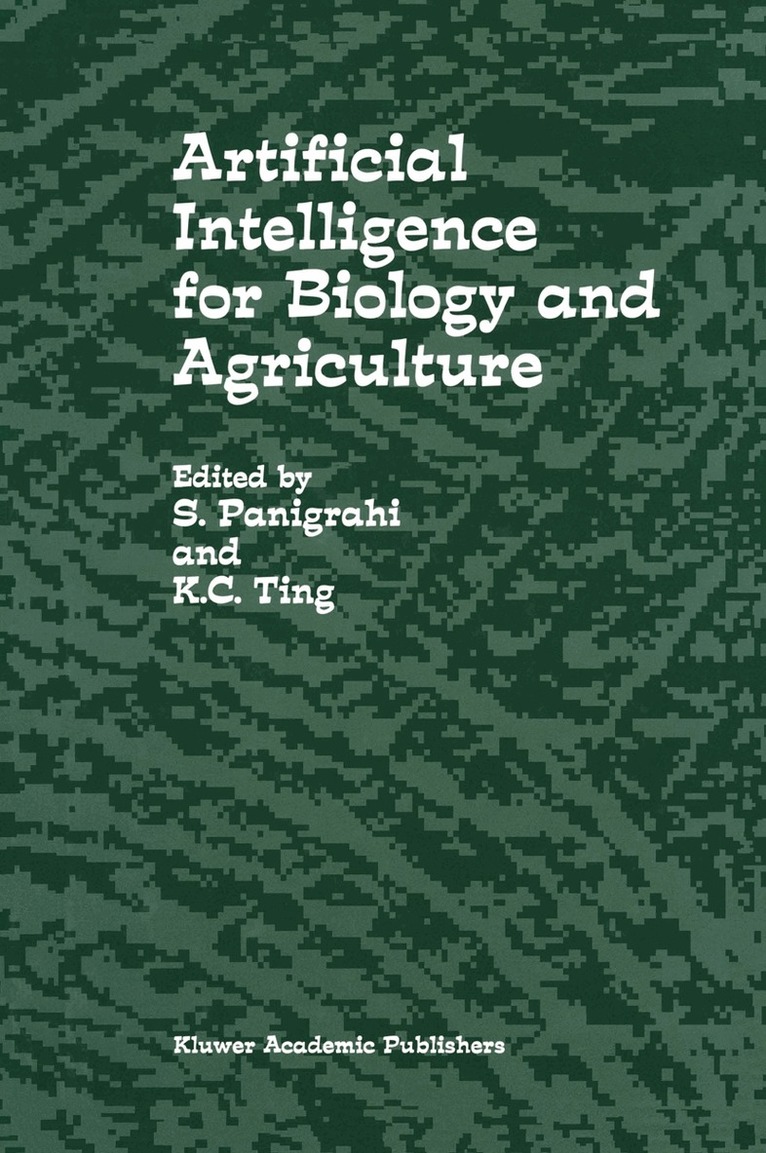
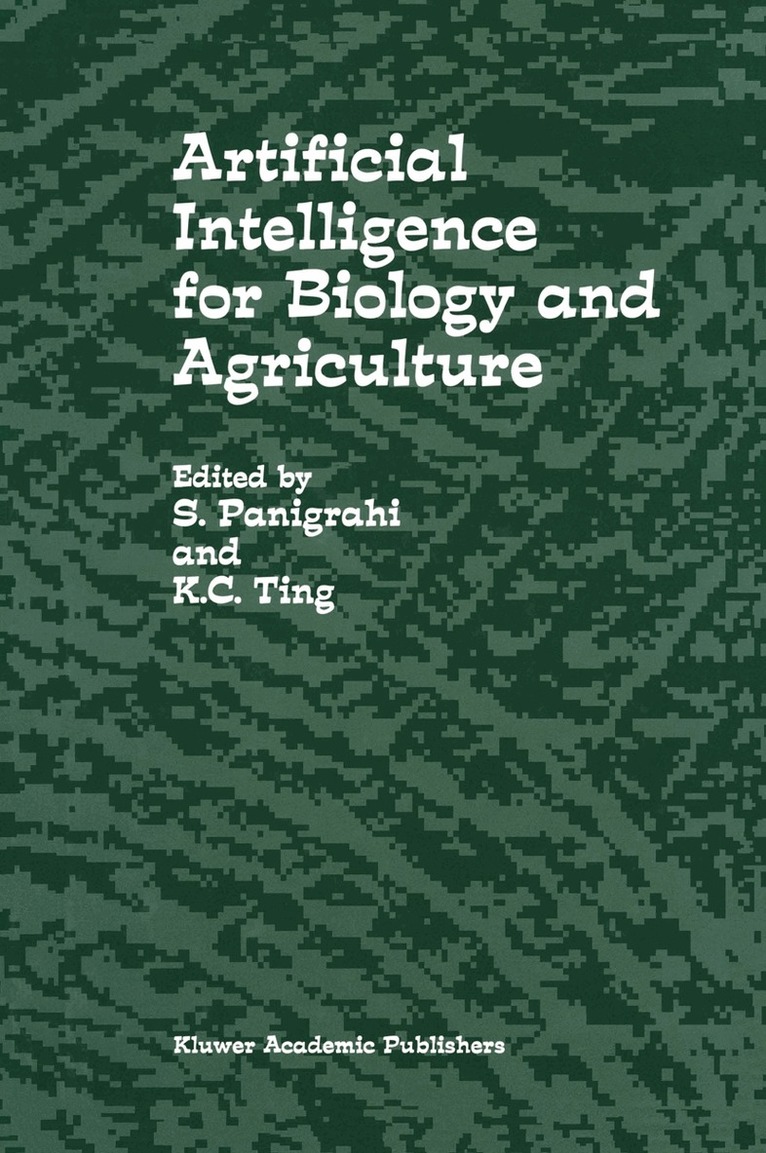
and morphological identification of cotton fibers depicts the complexity and heterogeneities of the problems and their solutions. The development of a real-time orange grading systems in the article "Video grading of oranges in real-time" further reports the capability of computer vision technology to meet the demand of high quality food products. The integration of neural network technology with computer vision and fuzzy logic for defect-detection in eggs and identification of lettuce growth shows the power of hybridization of AI technologies to solve agricultural problems. Additional papers also focus on automated modeling of physiological processes during postharvest distribution of agricultural products, the applications of neural networks, fusion of AI technologies and three dimensional computer vision technologies for different problems ranging from botanical identification, cell migration analysis to food microstructure evaluation. This special issue "Artificial Intelligence in Biology and Agriculture" has been made possible due to the unconditional help, cooperation and time devotion from many people.We highly appreciate the contributions from the authors and their co-authors. We sincerely acknowledge all reviewers for taking time to review these articles. The reviewers were: Dr. Kuanglin Chao, Dr. Floyd E. Dowell, Dr. Laurent Gauthier, Dr. Paul H. Heinemann, Dr. Zhiwei Li, Dr. Bosoon Park, Dr. Jinglu Tan, Dr. Chi Ngoc Thai, Dr. Basant Ubhaya, Dr. Naiqian Zhang, Dr. Irfan Ahmad, Dr. David Vacaari, Dr. Young Han, Dr. Lary Kutz, Dr. David Slaughter, Dr. Digvir Jayas, Dr. Marvin Paulsen, Dr. George Hoogenboom, Dr. Mark Evans, Dr. Glen Kranzler, and Dr.
1 589 kr
Skickas inom 10-15 vardagar
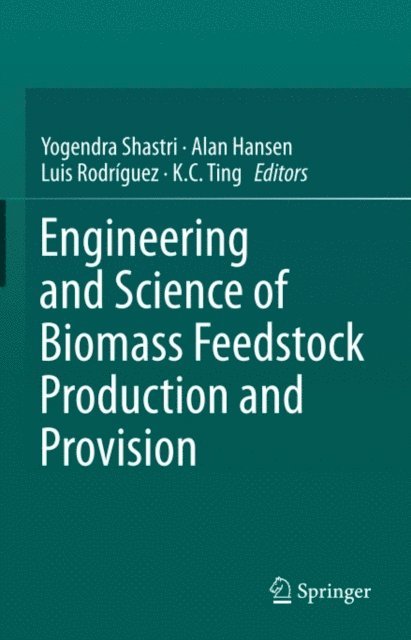
The biomass based energy sector, especially the one based on lignocellulosic sources such as switchgrass Miscanthus, forest residues and short rotation coppice, will play an important role in our drive towards renewable energy. The biomass feedstock production (BFP) subsystem provides the necessary material inputs to the conversion processes for energy production. This subsystem includes the agronomic production of energy crops and the physical handling and delivery of biomass, as well as other enabling logistics. Achieving a sustainable BFP system is therefore paramount for the success of the emerging bioenergy sector. However, low bulk and energy densities, seasonal and weather sensitive availability, distributed supply and lack of commercial scale production experience create unique challenges. Moreover, novel region specific feedstock alternatives continue to emerge. Engineering will play a critical role in addressing these challenges and ensuring the techno-economic feasibility of this sector. It must also integrate with the biological, physical and chemical sciences and incorporate externalities, such as social/economic considerations, environmental impact and policy/regulatory issues, to achieve a truly sustainable system. Tremendous progress has been made in the past few years while new challenges have simultaneously emerged that need further investigation. It is therefore prudent at this time to review the current status and capture the future challenges through a comprehensive book. This work will serve as an authoritative treatise on the topic that can help researchers, educators and students interested in the field of biomass feedstock production, with particular interest in the engineering aspects.
1 589 kr
Skickas inom 10-15 vardagar
and morphological identification of cotton fibers depicts the complexity and heterogeneities of the problems and their solutions. The development of a real-time orange grading systems in the article "Video grading of oranges in real-time" further reports the capability of computer vision technology to meet the demand of high quality food products. The integration of neural network technology with computer vision and fuzzy logic for defect-detection in eggs and identification of lettuce growth shows the power of hybridization of AI technologies to solve agricultural problems. Additional papers also focus on automated modeling of physiological processes during postharvest distribution of agricultural products, the applications of neural networks, fusion of AI technologies and three dimensional computer vision technologies for different problems ranging from botanical identification, cell migration analysis to food microstructure evaluation. This special issue "Artificial Intelligence in Biology and Agriculture" has been made possible due to the unconditional help, cooperation and time devotion from many people.We highly appreciate the contributions from the authors and their co-authors. We sincerely acknowledge all reviewers for taking time to review these articles. The reviewers were: Dr. Kuanglin Chao, Dr. Floyd E. Dowell, Dr. Laurent Gauthier, Dr. Paul H. Heinemann, Dr. Zhiwei Li, Dr. Bosoon Park, Dr. Jinglu Tan, Dr. Chi Ngoc Thai, Dr. Basant Ubhaya, Dr. Naiqian Zhang, Dr. Irfan Ahmad, Dr. David Vacaari, Dr. Young Han, Dr. Lary Kutz, Dr. David Slaughter, Dr. Digvir Jayas, Dr. Marvin Paulsen, Dr. George Hoogenboom, Dr. Mark Evans, Dr. Glen Kranzler, and Dr.