Kee Howe Yong - Böcker
Visar alla böcker från författaren Kee Howe Yong. Handla med fri frakt och snabb leverans.
2 produkter
2 produkter
349 kr
Skickas inom 7-10 vardagar
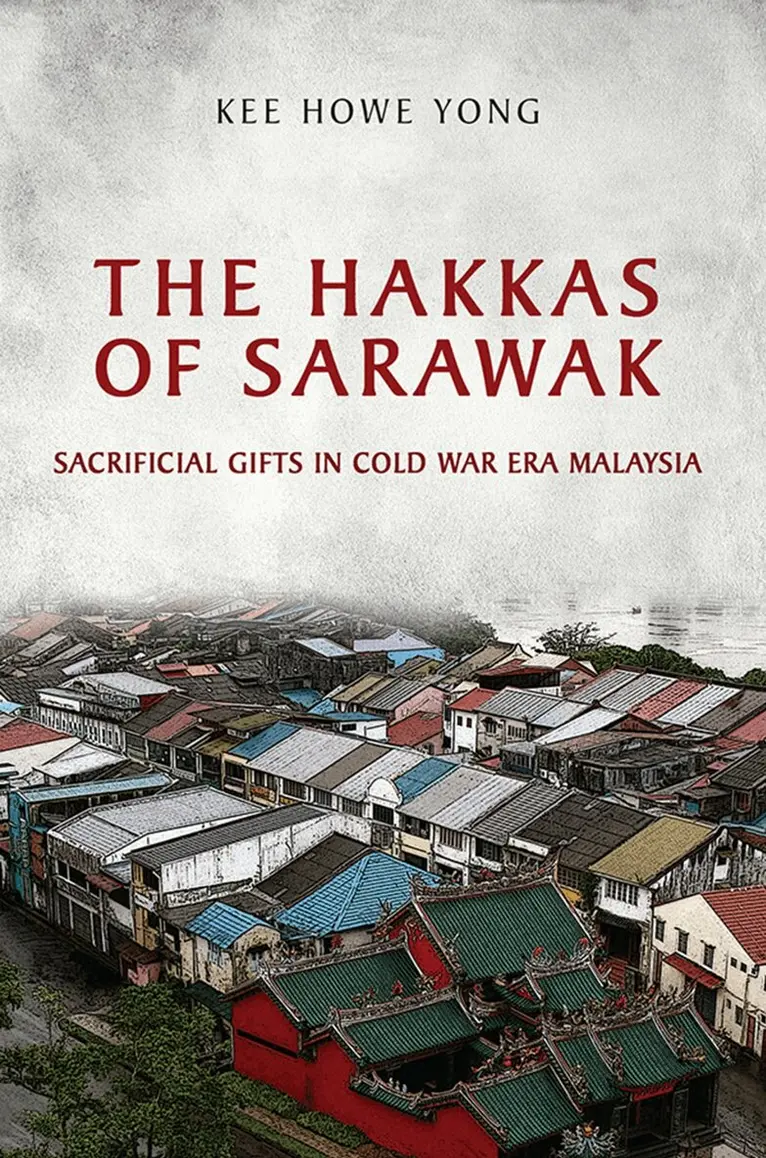
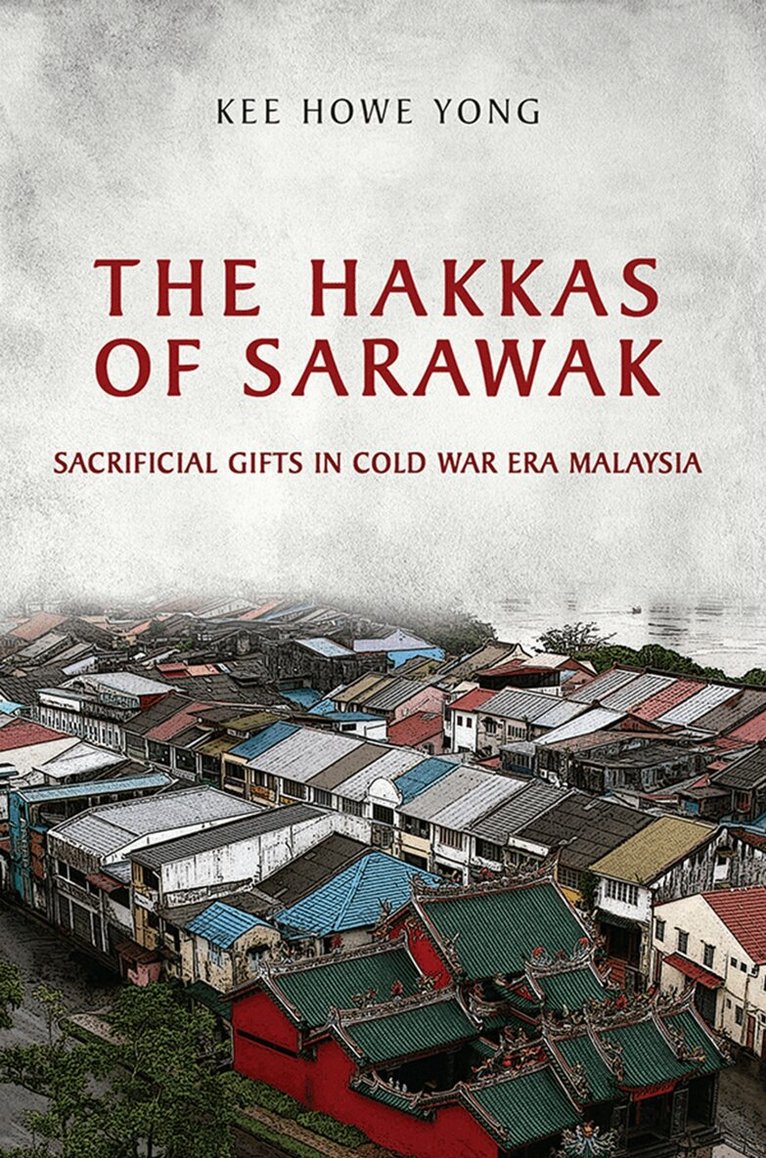
This book tells the story of the Hakka Chinese in Sarawak, Malaysia, who were targeted as communists or communist sympathizers because of their Chinese ethnicity the 1960s and 1970s. Thousands of these rural Hakkas were relocated into “new villages” surrounded by barbed wire or detained at correction centres, where incarcerated people were understood to be “sacrificial gifts” to the war on communism and to the rule of Malaysia’s judicial-administrative regime.The Hakkas of Sarawak looks at how these incarcerated people struggled for survival and dealt with their defeat over the course of a generation. Using methodologies of narrative theory and exchange theory, Kee Howe Yong provides a powerful account of the ongoing legacies of Cold War oppression and its impact on the lives of people who were victimized by these policies.
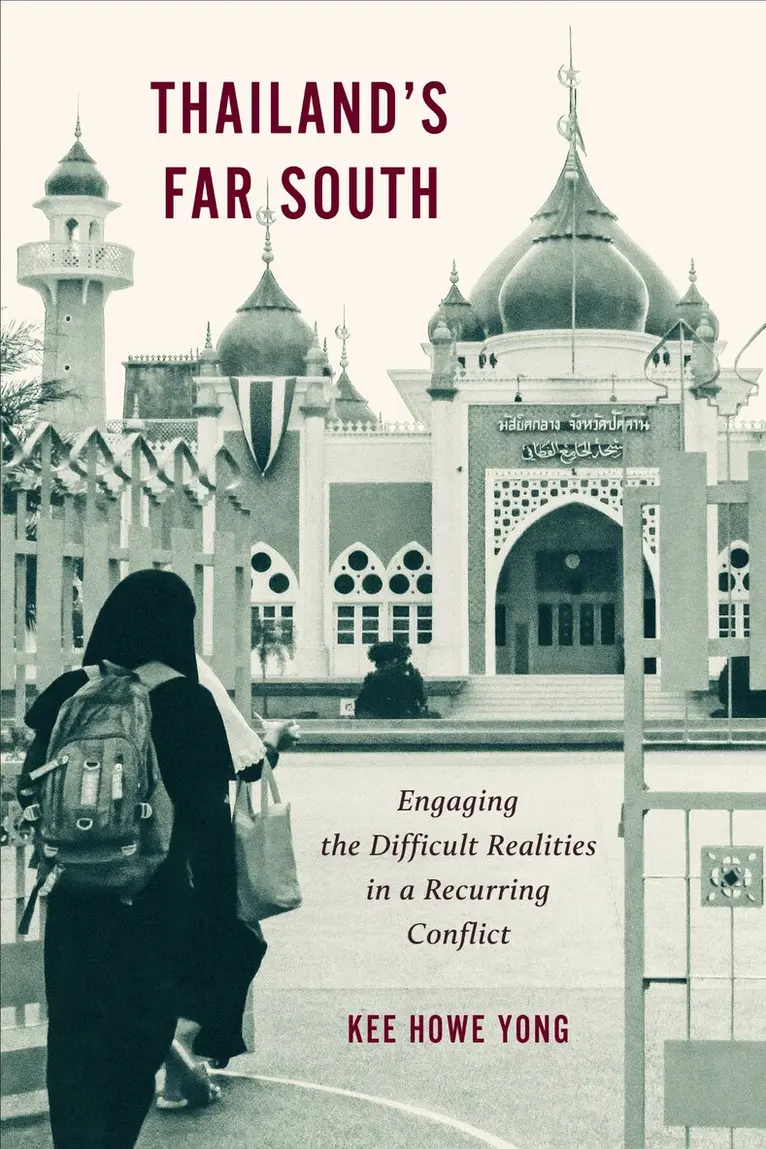
Thailand's Far South
Engaging the Difficult Realities in a Recurring Conflict
Inbunden, Engelska, 2024
725 kr
Skickas inom 7-10 vardagar
In Thailand’s Far South, Kee Howe Yong sheds light on the Malay Muslims in Thailand’s far south. The book focuses on the relationship between the construction of minorities – and thus majority – and issues of engaging with the difficulties of their realities: loss, violence, history, memory, livelihood, fear and paranoia, and political formations.The book explores the ways in which regimes of fear affect the way minorities relate to one another and to those in authority. It reveals how Muslim identities in southern Thailand are produced – under what constraints and structures, and by what technologies and force. Drawing on methodologies of narrative theory, performative aspects of language, and questions of history and memory, Yong demonstrates the ways the conflict was and is differently engaged by Malay Muslim interlocutors. The book addresses the generally ignored topic of the varied positions of the Malay Muslims at the borderland of Thailand’s far south and the implications of these positions in understanding the meaning of the current insurgency for the heterogeneous Malay Muslim population. In doing so, Thailand’s Far South provides an invaluable contribution to the southern Thai conflict, fieldwork in conflict zones, and the literature on violence, political science, history, security studies, and philosophies of violence.