Keeanga-Yamahtta Taylor – författare
Visar alla böcker från författaren Keeanga-Yamahtta Taylor. Handla med fri frakt och snabb leverans.
17 produkter
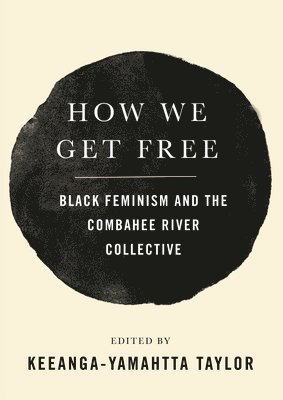
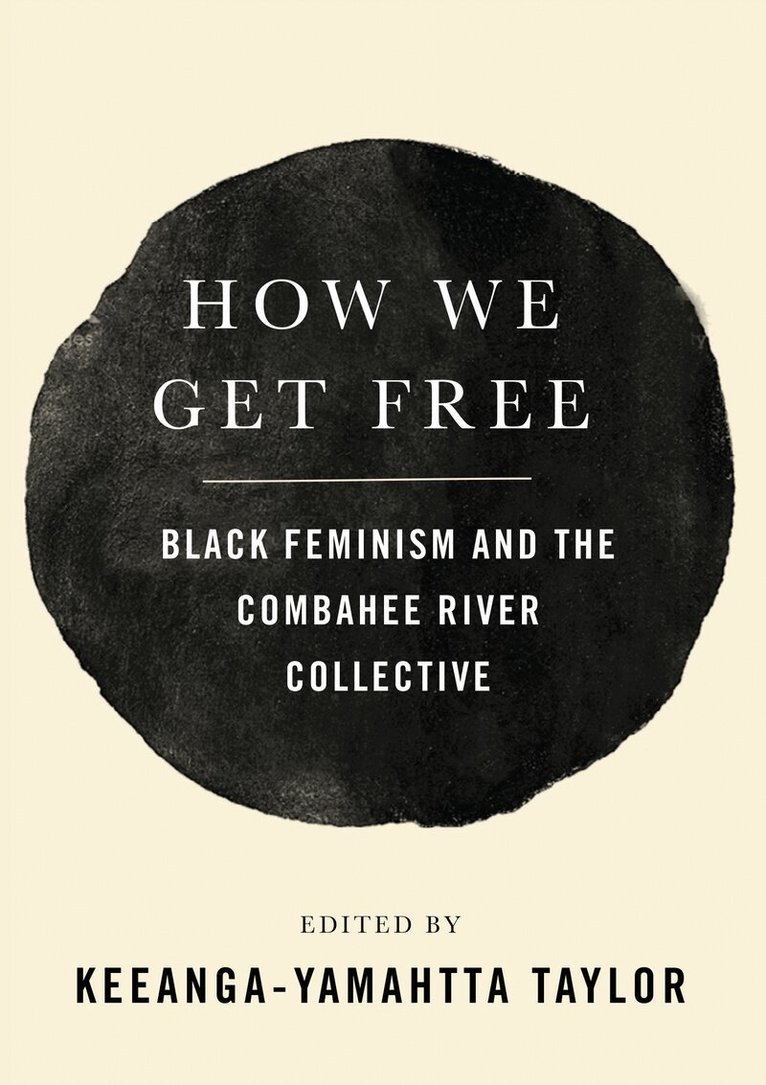
How We Get Free
Black Feminism and the Combahee River Collective
Häftad, 2017
195 kr
Lägg i varukorg
Reflections on the legacy and impact of radical black feminists of the 1960s on today's feminist and anti-racist movements. The Combahee River Collective, a path-breaking group of radical black feminists, was one of the most important organizations to develop out of the antiracist and women's …
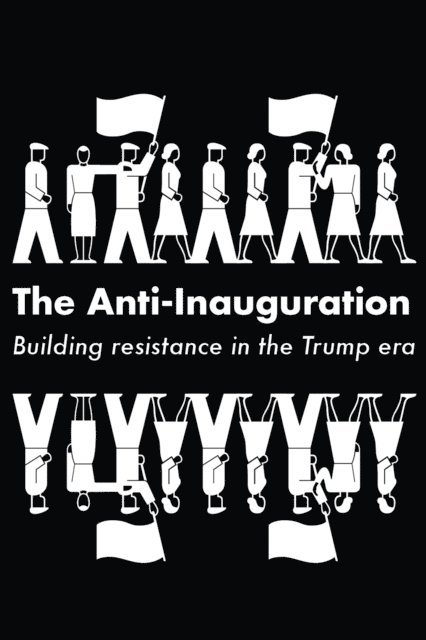
Anti-Inauguration
Building resistance in the Trump era
Av Keeanga-Yamahtta Taylor, Owen Jones m. fl.
E-bok, 2016
124 kr
Lägg i varukorg
Featuring contributions from Naomi Klein, Jeremy Scahill, Keeanga-Yamahtta Taylor, Anand Gopal, and Owen Jones. The five essential speeches presented here are taken from The Anti-Inauguration, held on inauguration night 2017 at the historic Lincoln Theatre in Washington, D.C. The Anti-Inauguration …
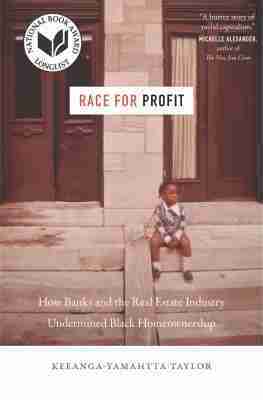
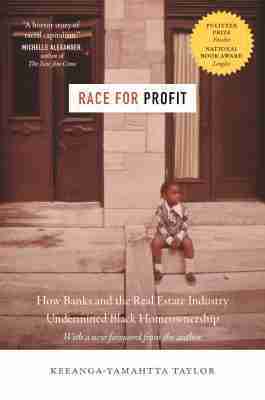
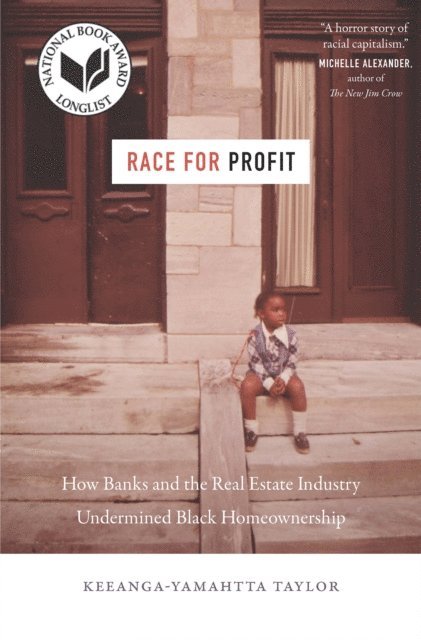
Race for Profit
How Banks and the Real Estate Industry Undermined Black Homeownership
Inbunden, 2019
438 kr
Lägg i varukorg
Keeanga-Yamahtta Taylor offers a damning chronicle of the twilight of redlining and the introduction of conventional real estate practices into the Black urban market, uncovering a transition from racist exclusion to predatory inclusion. Widespread access to mortgages across the United States after …
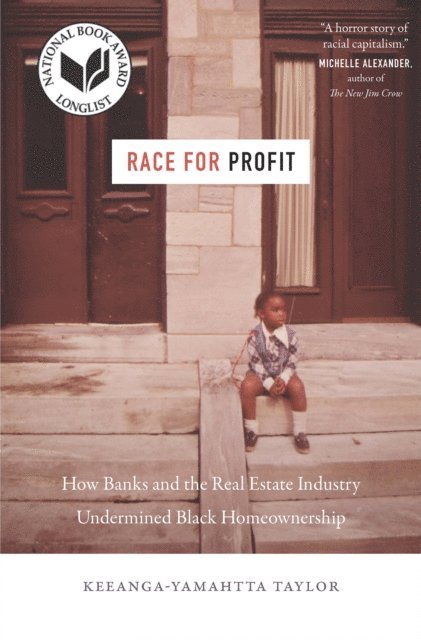
Race for Profit
How Banks and the Real Estate Industry Undermined Black Homeownership
E-bok, 2019
2407 kr
Lägg i varukorg
LONGLISTED FOR THE 2019 NATIONAL BOOK AWARD FINALIST, 2020 PULITZER PRIZE IN HISTORY By the late 1960s and early 1970s, reeling from a wave of urban uprisings, politicians finally worked to end the practice of redlining. Reasoning that the turbulence could be calmed by turning Black city-dwellers …
Race for Profit
How Banks and the Real Estate Industry Undermined Black Homeownership
Häftad, 2021
252 kr
Lägg i varukorg
LONGLISTED FOR THE 2019 NATIONAL BOOK AWARDBy the late 1960s and early 1970s, reeling from a wave of urban uprisings, politicians finally worked to end the practice of redlining. Reasoning that the turbulence could be calmed by turning Black city-dwellers into homeowners, they passed the Housing …
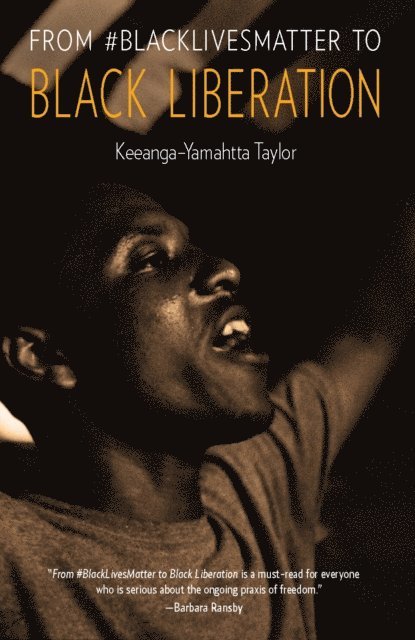
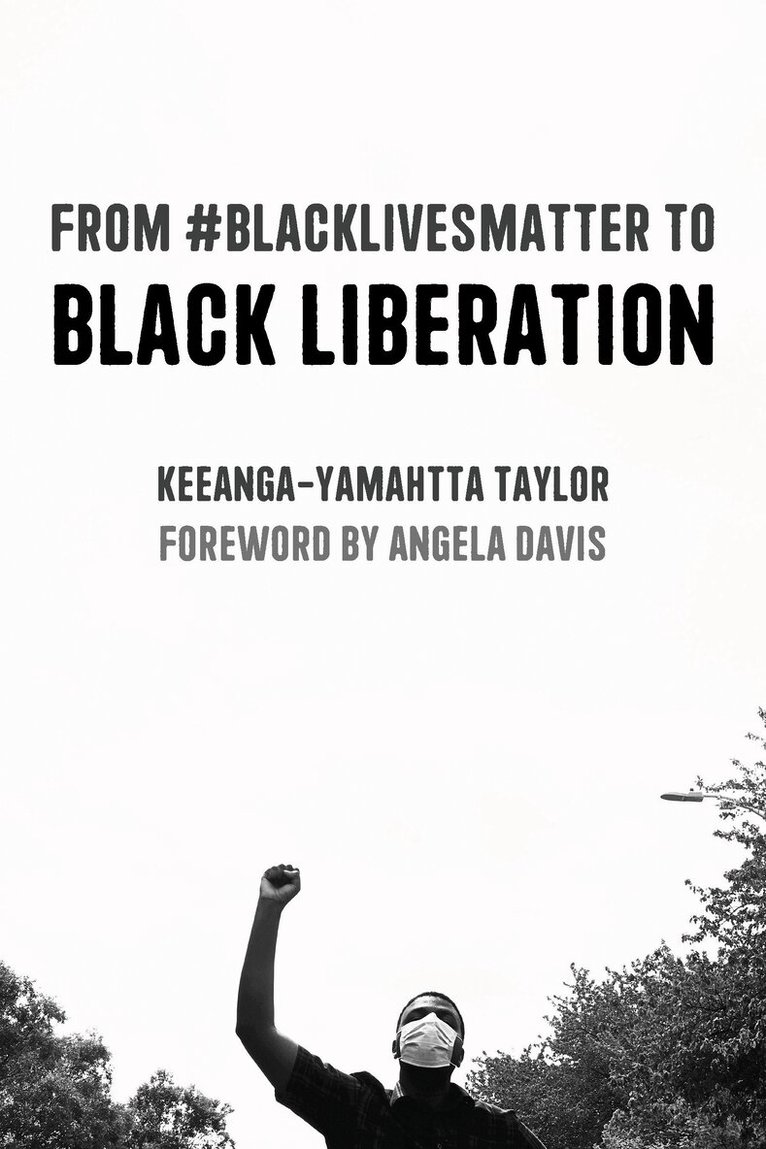
From #BlackLivesMatter to Black Liberation
E-bok, 2016
214 kr
Lägg i varukorg
The author of Race for Profit carries out "[a] searching examination of the social, political and economic dimensions of the prevailing racial order" (Michelle Alexander, author of The New Jim Crow). In this winner of the Lannan Cultural Freedom Prize for an Especially Notable Book, …
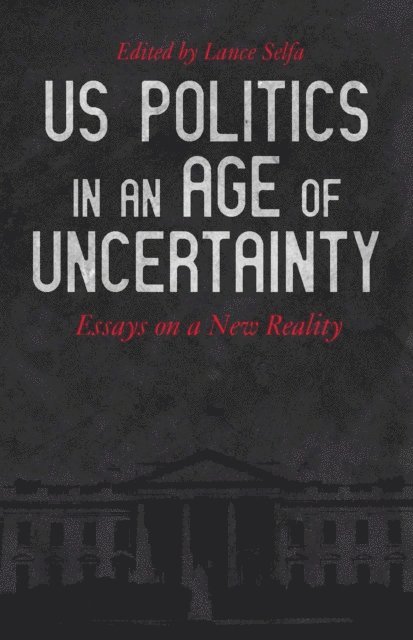
US Politics in an Age of Uncertainty
Essays on a New Reality
Av Nancy Fraser, Justin Akers Chacon m. fl.
E-bok, 2017
132 kr
Lägg i varukorg
"This collection contains everything we need to understand the world that gave us Trump, and to arm ourselves for the battles to come" (Sarah Jaffe, author of Necessary Trouble: Americans in Revolt). The Democratic Party and mainstream liberal organizations have shown themselves to be completely …
How We Get Free
Black Feminism and the Combahee River Collective
Inbunden, 2012
572 kr
Lägg i varukorg
The Combahee River Collective, a path-breaking group of radical black feminists, was one of the most important organizations to develop out of the antiracist and women’s liberation movements of the 1960s and 70s. In this collection of essays and interviews edited by activist-scholar …
From #BlackLivesMatter to Black Liberation (Expanded Second Edition)
Expanded Second Edition
Häftad, 2021
195 kr
Lägg i varukorg
The eruption of mass protests in the wake of the police murders of Michael Brown in Ferguson, Missouri and Eric Garner in New York City have challenged the impunity with which officers of the law carry out violence against Black people and punctured the illusion of a postracial America. The Black …
From #BlackLivesMatter to Black Liberation (Expanded Second Edition)
Inbunden, 2021
378 kr
Lägg i varukorg
The eruption of mass protests in the wake of the police murders of Michael Brown in Ferguson, Missouri and Eric Garner in New York City have challenged the impunity with which officers of the law carry out violence against Black people and punctured the illusion of a postracial America. The Black …
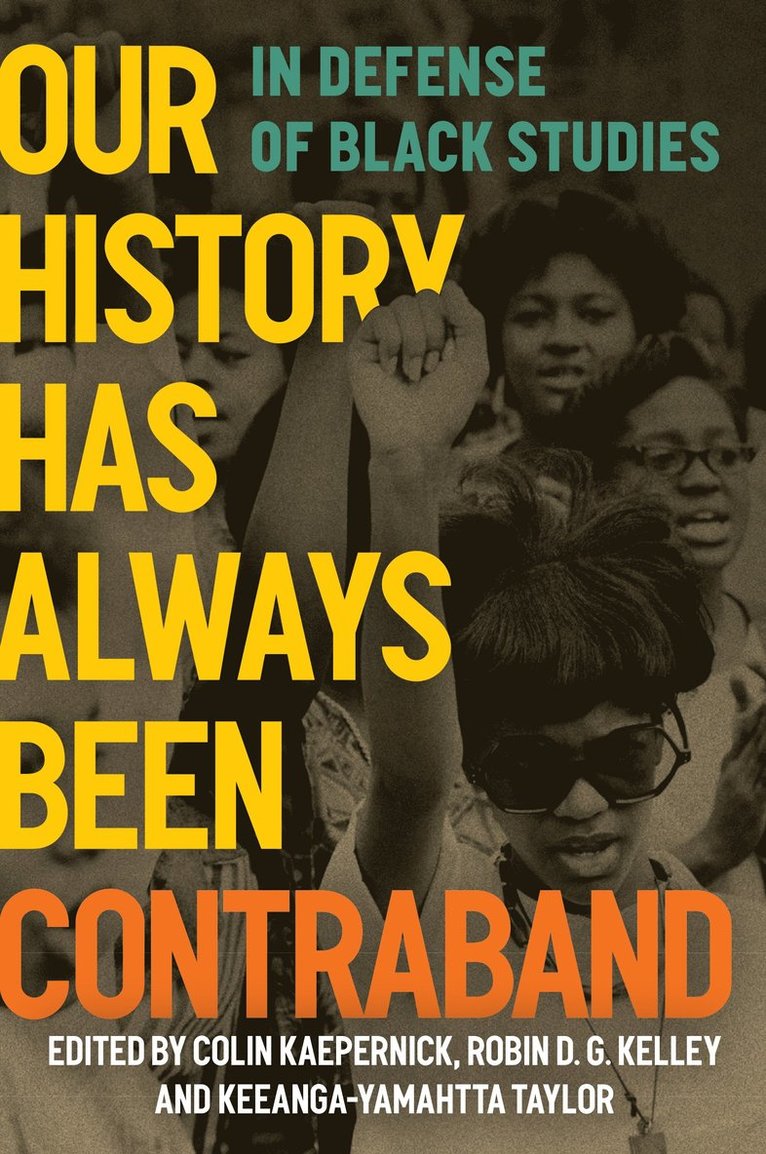
Our History Has Always Been Contraband
In Defense of Black Studies
Av Colin Kaepernick, Robin D. G. Kelley m. fl.
Häftad, 2023
254 kr
Lägg i varukorg
"The centuries-long attack on Black history represents a strike against our very worth, brilliance, and value. We’re ready to fight back. And when we fight, we win." —Colin KaepernickSince its founding as a discipline, Black Studies has been under relentless attack by social and political forces …
Our History Has Always Been Contraband
In Defense of Black Studies
Av Keeanga-Yamahtta Taylor, Robin D. G. Kelley m. fl.
E-bok, 2023
14 kr
Lägg i varukorg
"The centuries-long attack on Black history represents a strike against our very worth, brilliance, and value. We’re ready to fight back. And when we fight, we win." —Colin Kaepernick Since its founding as a discipline, Black Studies has been under relentless attack by social and political forces …
Our History Has Always Been Contraband
In Defense of Black Studies
Av Colin Kaepernick, Robin D. G. Kelley m. fl.
Inbunden, 2023
637 kr
Lägg i varukorg
"The centuries-long attack on Black history represents a strike against our very worth, brilliance, and value. We’re ready to fight back. And when we fight, we win." —Colin KaepernickSince its founding as a discipline, Black Studies has been under relentless attack by social and political forces …
How We Get Free
Black Feminism and the Combahee River Collective
Häftad, 2026
218 kr
Lägg i varukorg
Winner of the 2018 Lambda Literary Award for LGBTQ Nonfiction“If Black women were free, it would mean that everyone else would have to be free.”—Combahee River Collective StatementThe Combahee River Collective, a pathbreaking group of radical Black feminists, was one of the most important …
How We Get Free (Updated 2nd Edition)
Black Feminism and the Combahee River Collective
E-bok, 2026
134 kr
Lägg i varukorg
Winner of the 2018 Lambda Literary Award for LGBTQ Nonfiction If Black women were free, it would mean that everyone else would have to be free. Combahee River Collective StatementThe Combahee River Collective, a pathbreaking group of radical Black feminists, was one of the most important …
Race for Profit
How Banks and the Real Estate Industry Undermined Black Homeownership
E-bok, 2019
2407 kr
Lägg i varukorg
LONGLISTED FOR THE 2019 NATIONAL BOOK AWARD FINALIST, 2020 PULITZER PRIZE IN HISTORY By the late 1960s and early 1970s, reeling from a wave of urban uprisings, politicians finally worked to end the practice of redlining. Reasoning that the turbulence could be calmed by turning Black city-dwellers …