Keisha Ray – författare
Visar alla böcker från författaren Keisha Ray. Handla med fri frakt och snabb leverans.
8 produkter
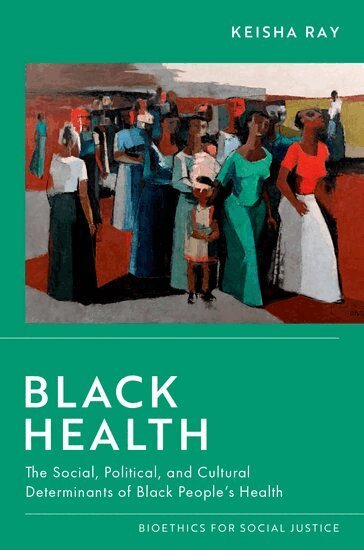
Black Health
The Social, Political, and Cultural Determinants of Black People's Health
Av Keisha Ray
Inbunden, 2023
1134 kr
Lägg i varukorg
Why do American Black people generally have worse health than American White people? To answer this question, Black Health dispels any notion that Black people have inferior bodies that are inherently susceptible to disease. This is simply false racial science used to justify White supremacy and …
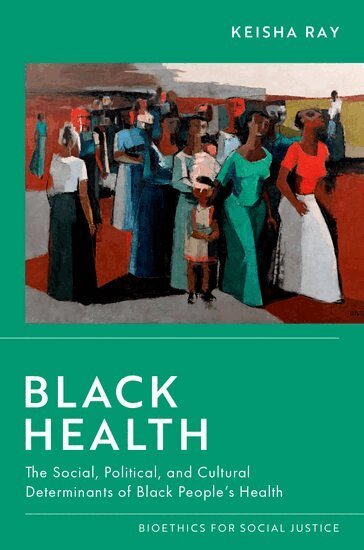
Black Health
The Social, Political, and Cultural Determinants of Black People's Health
Av Keisha Ray
Häftad, 2023
406 kr
Lägg i varukorg
Why do American Black people generally have worse health than American White people? To answer this question, Black Health dispels any notion that Black people have inferior bodies that are inherently susceptible to disease. This is simply false racial science used to justify White supremacy and …
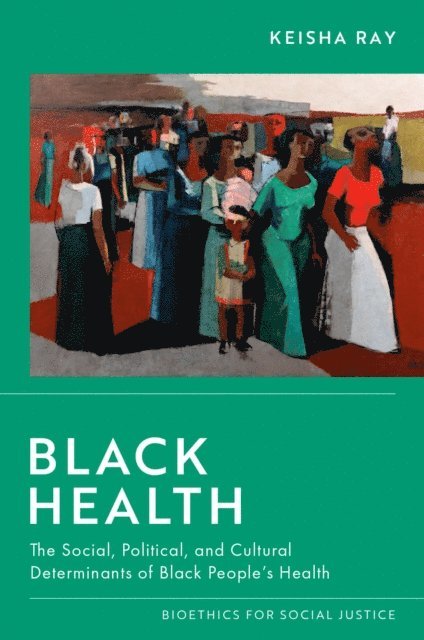
Black Health
The Social, Political, and Cultural Determinants of Black People''s Health
Av Keisha Ray
E-bok, 2023
336 kr
Lägg i varukorg
Why do American Black people generally have worse health than American White people? To answer this question, Black Health dispels any notion that Black people have inferior bodies that are inherently susceptible to disease. This is simply false racial science used to justify White supremacy and …
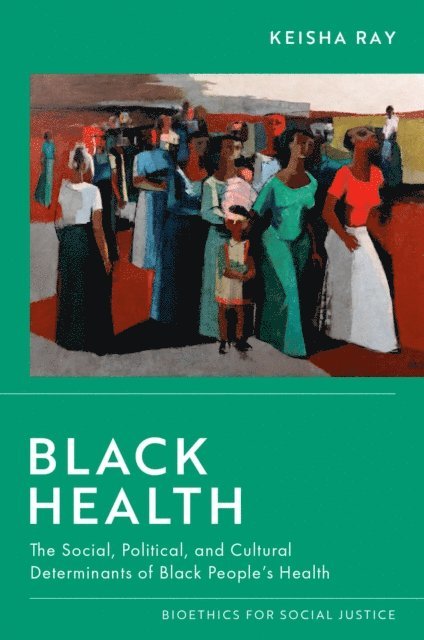
Black Health
The Social, Political, and Cultural Determinants of Black People''s Health
Av Keisha Ray
E-bok, 2023
336 kr
Lägg i varukorg
Why do American Black people generally have worse health than American White people? To answer this question, Black Health dispels any notion that Black people have inferior bodies that are inherently susceptible to disease. This is simply false racial science used to justify White supremacy and …
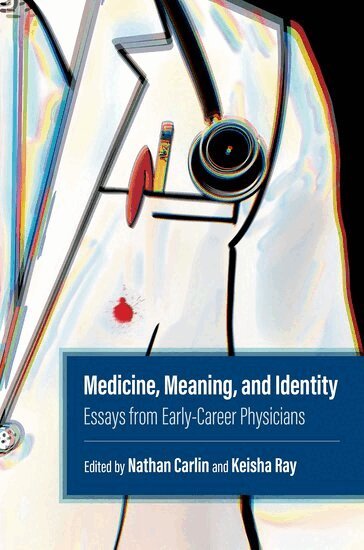
Medicine, Meaning, and Identity
Essays from Early-Career Physicians
Inbunden, 2025
900 kr
Lägg i varukorg
A critical care doctor becomes one of the first physicians in the United States to contract COVID-19. A pediatrician reflects on her father's passing during her final year of medical school. A Muslim surgeon contemplates whether residency has replaced his faith. An orthopedic surgeon wonders, after …
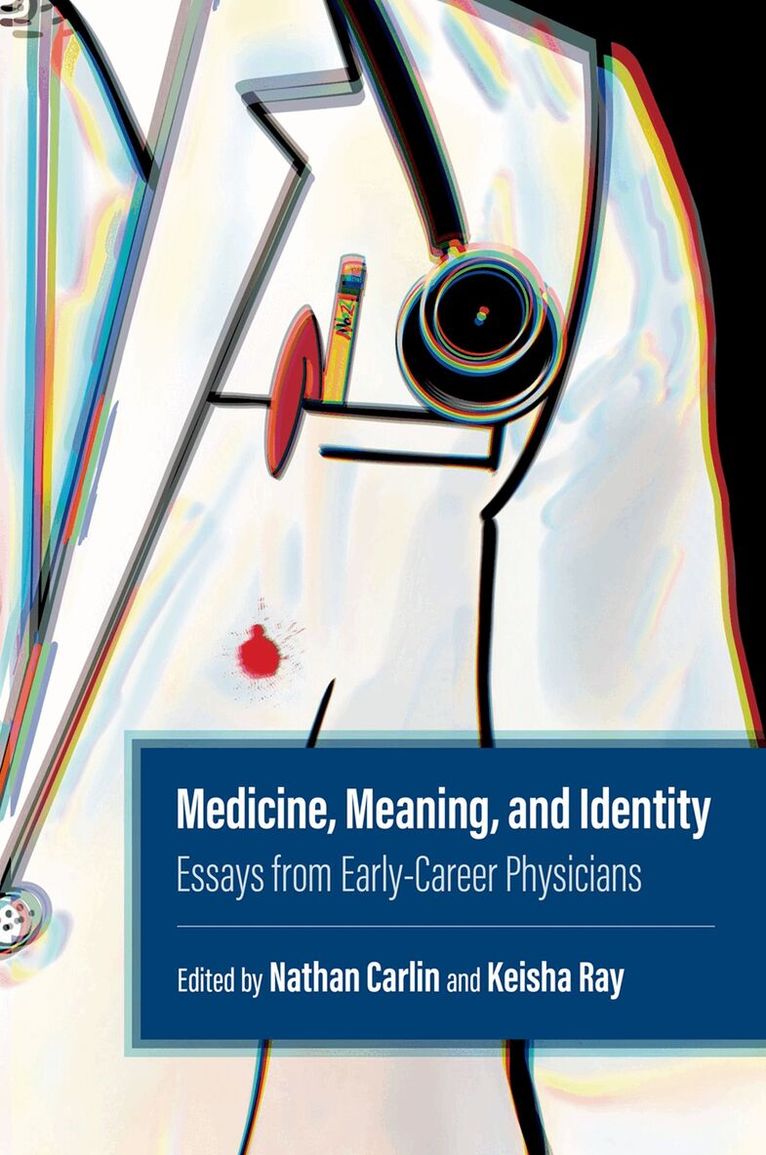
Medicine, Meaning, and Identity
Essays from Early-Career Physicians
Av Keisha Ray, Keisha Ray m. fl.
Häftad, 2025
335 kr
Lägg i varukorg
A critical care doctor becomes one of the first physicians in the United States to contract COVID-19. A pediatrician reflects on her father's passing during her final year of medical school. A Muslim surgeon contemplates whether residency has replaced his faith. An orthopedic surgeon wonders, after …
Medicine, Meaning, and Identity
Essays from Early-Career Physicians
E-bok, 2025
352 kr
Lägg i varukorg
A critical care doctor becomes one of the first physicians in the United States to contract COVID-19. A pediatrician reflects on her father's passing during her final year of medical school. A Muslim surgeon contemplates whether residency has replaced his faith. An orthopedic surgeon wonders, after …
Medicine, Meaning, and Identity
Essays from Early-Career Physicians
E-bok, 2025
344 kr
Lägg i varukorg
A critical care doctor becomes one of the first physicians in the United States to contract COVID-19. A pediatrician reflects on her father's passing during her final year of medical school. A Muslim surgeon contemplates whether residency has replaced his faith. An orthopedic surgeon wonders, after …