Keith Doubt – författare
Visar alla böcker från författaren Keith Doubt. Handla med fri frakt och snabb leverans.
15 produkter
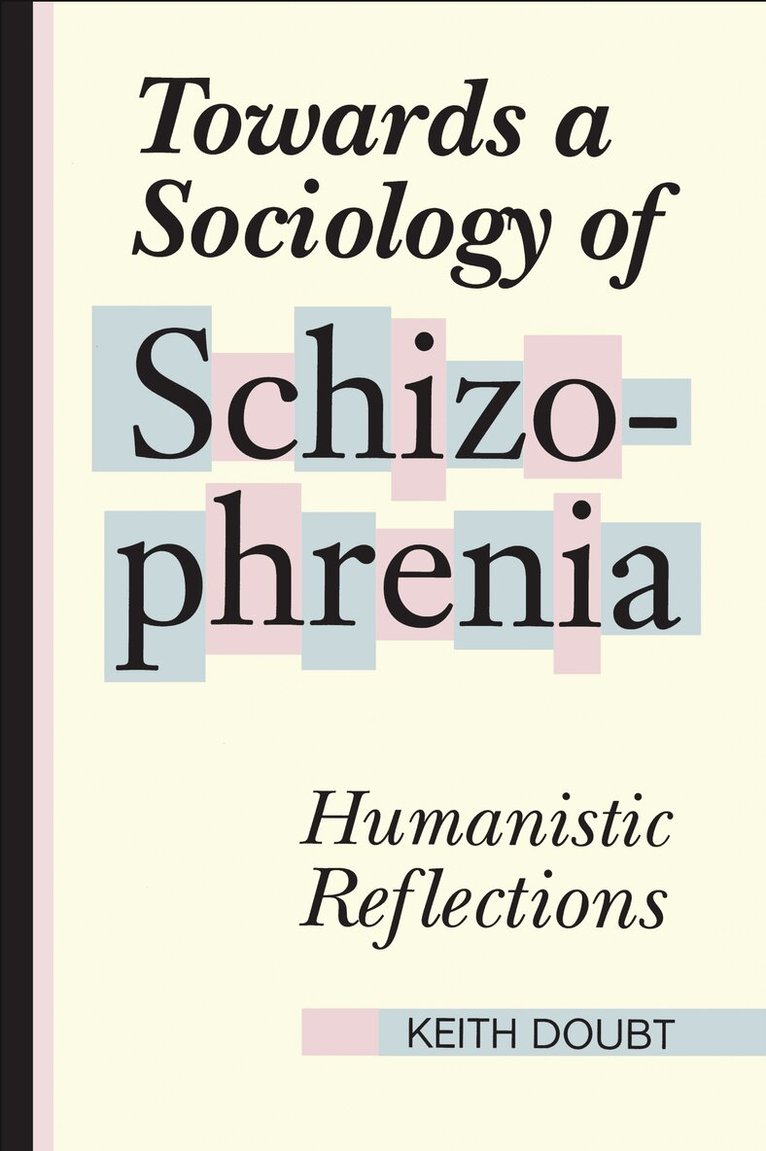
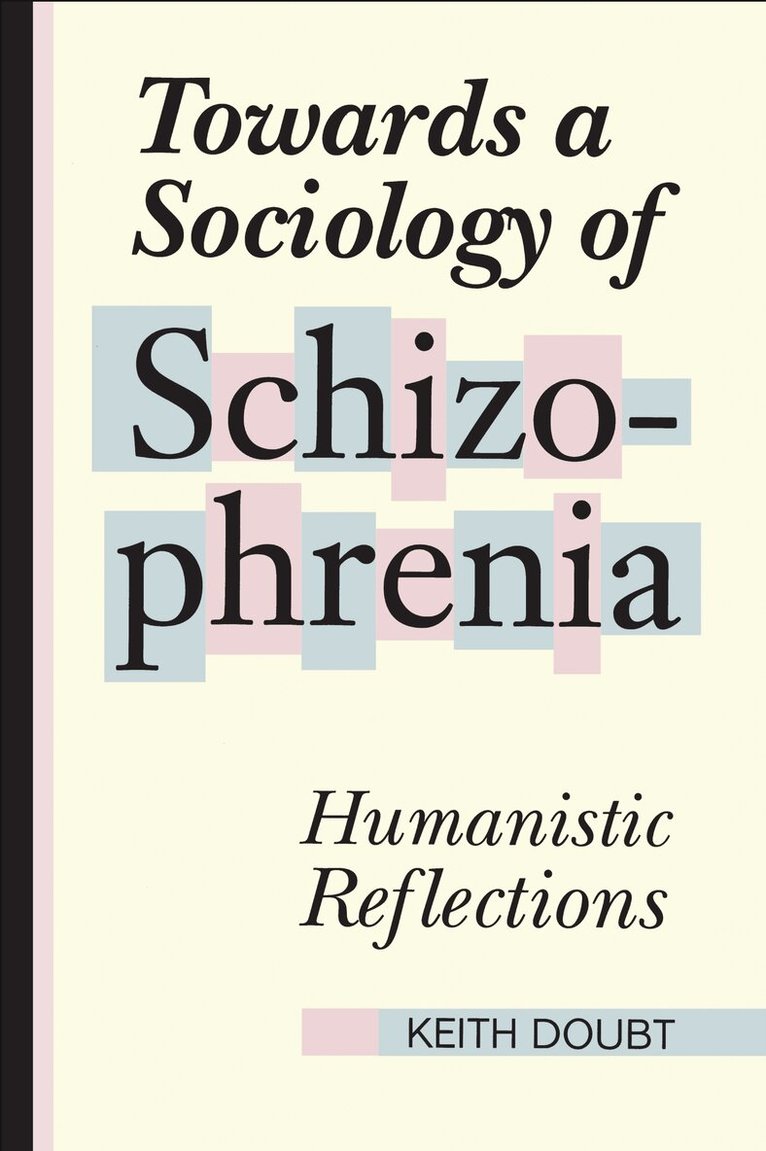
Towards a Sociology of Schizophrenia
Humanistic Reflections
Av Keith Doubt
Häftad, 1996
323 kr
Lägg i varukorg
Schizophrenia, at one time considered by many clinicians to be a psychological response to an oppressive upbringing, is now generally accepted as a physical illness. While Keith Doubt does not quarrel with this current view, he does challenge the positivist assumptions that tend to accompany it. …
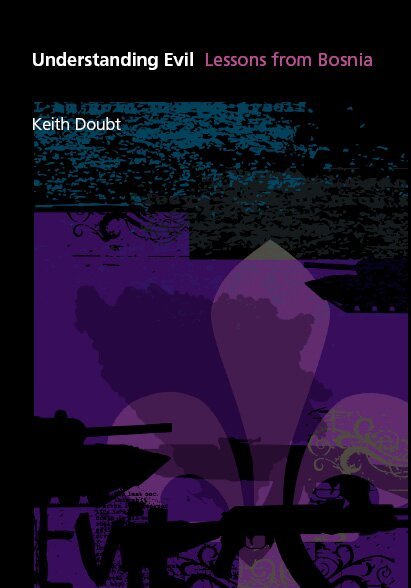
Understanding Evil
Lessons from Bosnia
Av Keith Doubt
Inbunden, 2007
1035 kr
Lägg i varukorg
Understanding Evil seeks to articulate the evil that happened in Bosnia within the context of war crimes and crimes against humanity. Its analysis centers on the question of whether it is possible to understand evil as action. Since the foundations of the social are found in human action, evil's …
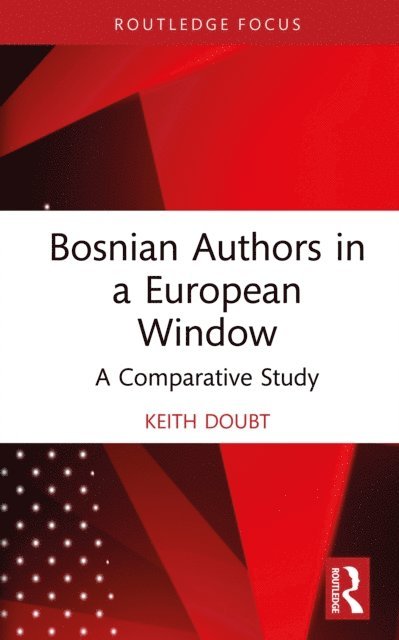
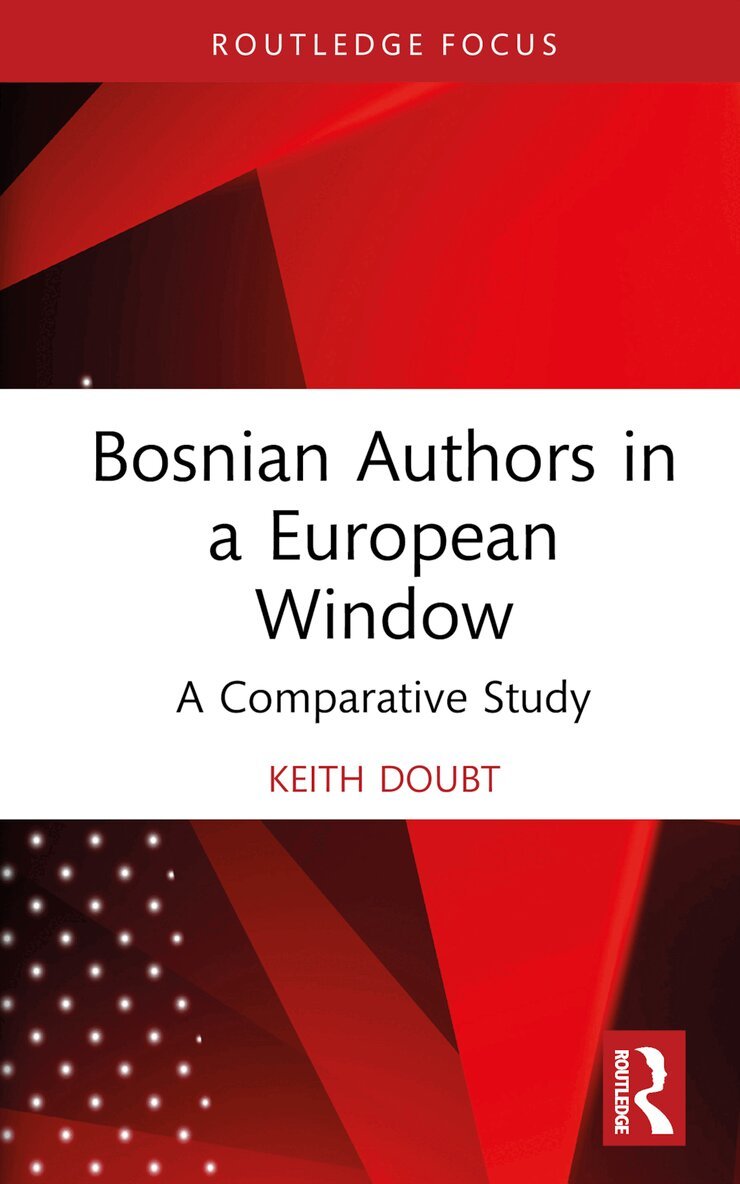
Bosnian Authors in a European Window
A Comparative Study
Av Keith Doubt
E-bok, 2023
498 kr
Lägg i varukorg
The study compares three Bosnian authors with three European titans: The poet Mak Dizdar to Homer, the novelist Meša Selimović to Fyodor Dostoevsky, and the novelist Ivo Andrić to Leo Tolstoy. The purpose is to move the appreciation of the writing of the most important Bosnian writers of the 20th …
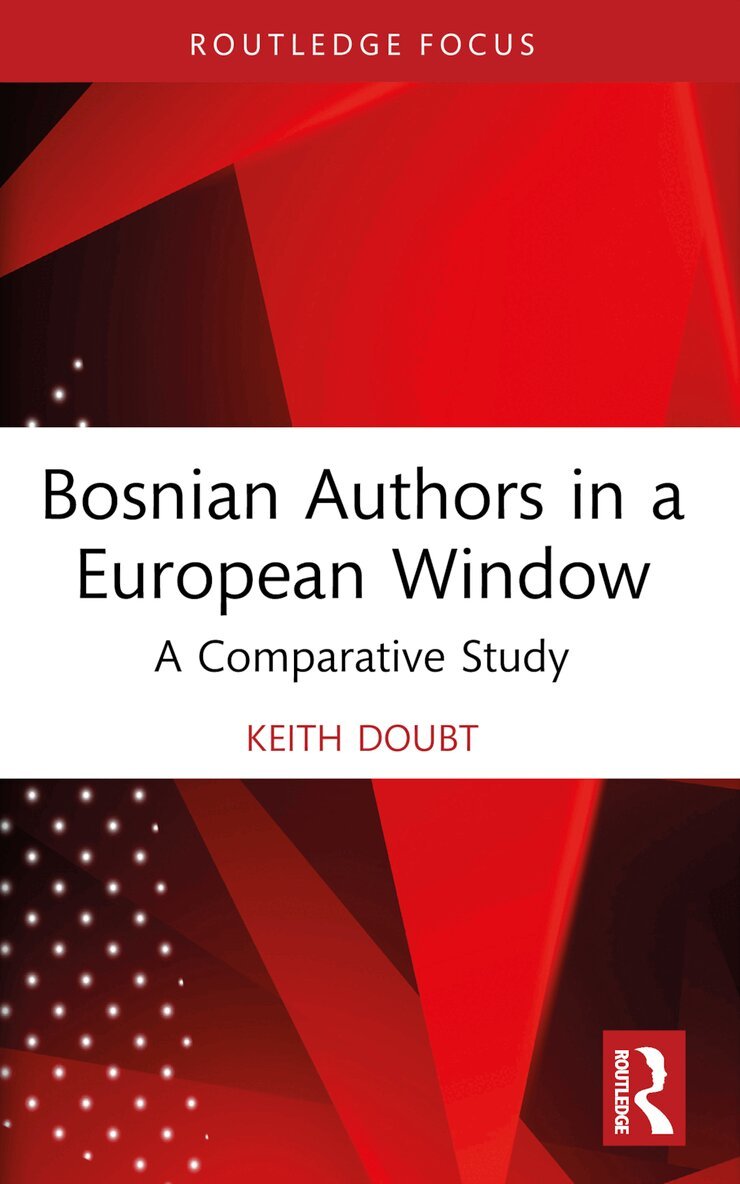
Bosnian Authors in a European Window
A Comparative Study
Av Keith Doubt
E-bok, 2023
487 kr
Lägg i varukorg
The study compares three Bosnian authors with three European titans: The poet Mak Dizdar to Homer, the novelist Meša Selimović to Fyodor Dostoevsky, and the novelist Ivo Andrić to Leo Tolstoy. The purpose is to move the appreciation of the writing of the most important Bosnian writers of the 20th …
Bosnian Authors in a European Window
A Comparative Study
Av Keith Doubt
Inbunden, 2023
1143 kr
Lägg i varukorg
The study compares three Bosnian authors with three European titans: The poet Mak Dizdar to Homer, the novelist Meša Selimović to Fyodor Dostoevsky, and the novelist Ivo Andrić to Leo Tolstoy. The purpose is to move the appreciation of the writing of the most important Bosnian writers of the 20th …
Bosnian Authors in a European Window
A Comparative Study
Av Keith Doubt
Häftad, 2025
425 kr
Lägg i varukorg
The study compares three Bosnian authors with three European titans: The poet Mak Dizdar to Homer, the novelist Meša Selimović to Fyodor Dostoevsky, and the novelist Ivo Andrić to Leo Tolstoy. The purpose is to move the appreciation of the writing of the most important Bosnian writers of the 20th …
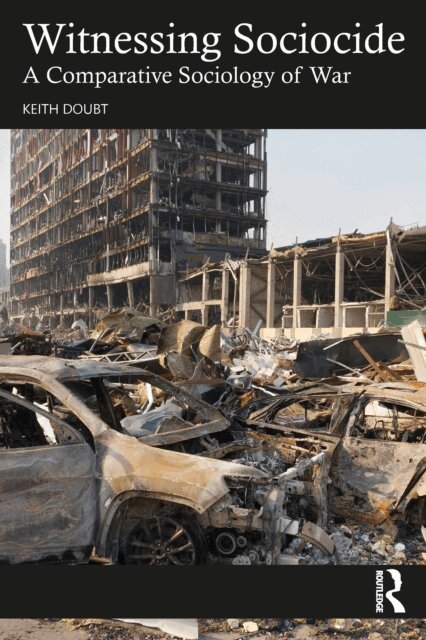
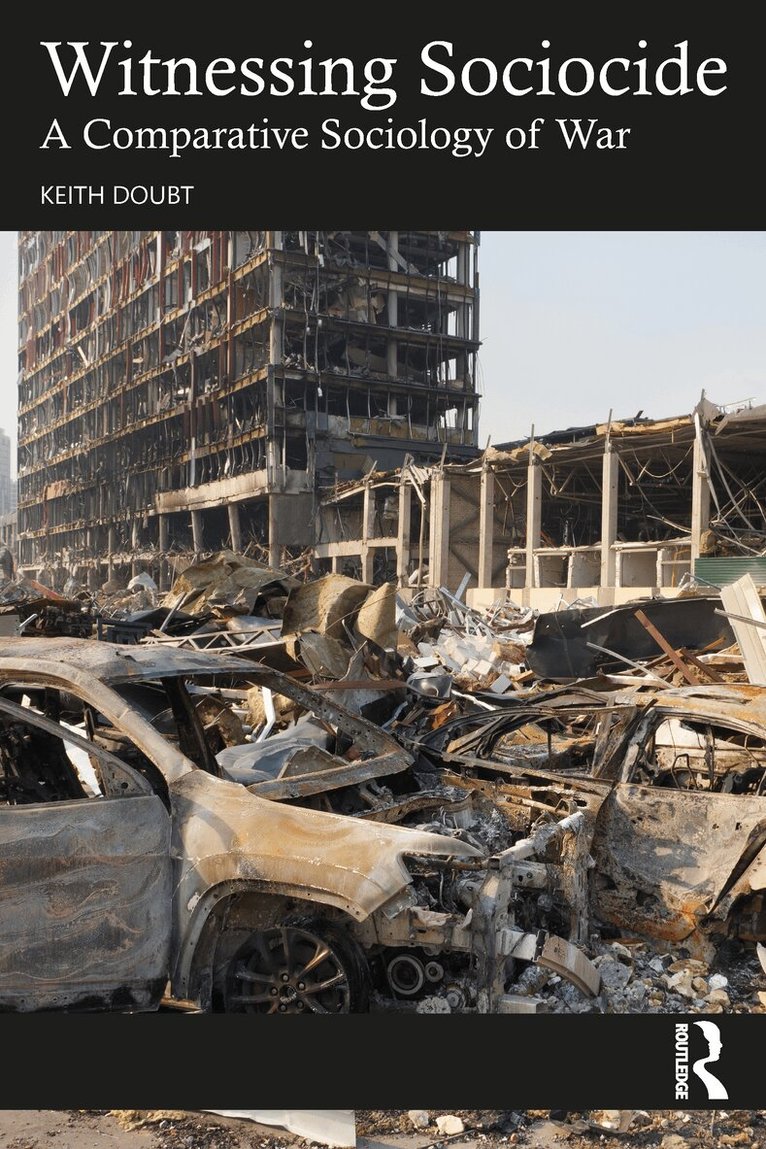
Witnessing Sociocide
A Comparative Sociology of War
Av Keith Doubt
E-bok, 2026
738 kr
Lägg i varukorg
This book is a sociological study of recent international conflicts, from Bosnia and Iraq to Ukraine and Gaza. Its approach is theoretical, applying the framework of sociocide to assess the social consequences of the conflicts in Ukraine and Gaza, through comparisons with previous conflicts that …
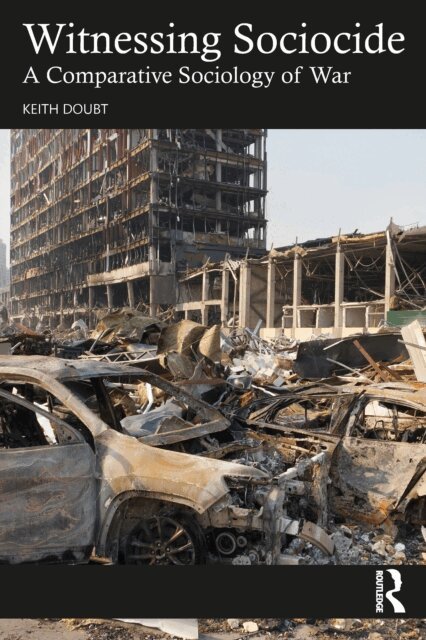
Witnessing Sociocide
A Comparative Sociology of War
Av Keith Doubt
E-bok, 2026
762 kr
Lägg i varukorg
This book is a sociological study of recent international conflicts, from Bosnia and Iraq to Ukraine and Gaza. Its approach is theoretical, applying the framework of sociocide to assess the social consequences of the conflicts in Ukraine and Gaza, through comparisons with previous conflicts that …
Witnessing Sociocide
A Comparative Sociology of War
Av Keith Doubt
Häftad, 2026
646 kr
Lägg i varukorg
This book is a sociological study of recent international conflicts, from Bosnia and Iraq to Ukraine and Gaza. Its approach is theoretical, applying the framework of sociocide to assess the social consequences of the conflicts in Ukraine and Gaza, through comparisons with previous conflicts that …
Witnessing Sociocide
A Comparative Sociology of War
Av Keith Doubt
Inbunden, 2026
2504 kr
Lägg i varukorg
This book is a sociological study of recent international conflicts, from Bosnia and Iraq to Ukraine and Gaza. Its approach is theoretical, applying the framework of sociocide to assess the social consequences of the conflicts in Ukraine and Gaza, through comparisons with previous conflicts that …
Towards a Sociology of Schizophrenia
Humanistic Reflections
Av Keith Doubt
E-bok, 1996
655 kr
Lägg i varukorg
Schizophrenia, at one time considered by many clinicians to be a psychological response to an oppressive upbringing, is now generally accepted as a physical illness. While Keith Doubt does not quarrel with this current view, he does challenge the positivist assumptions that tend to accompany it. …
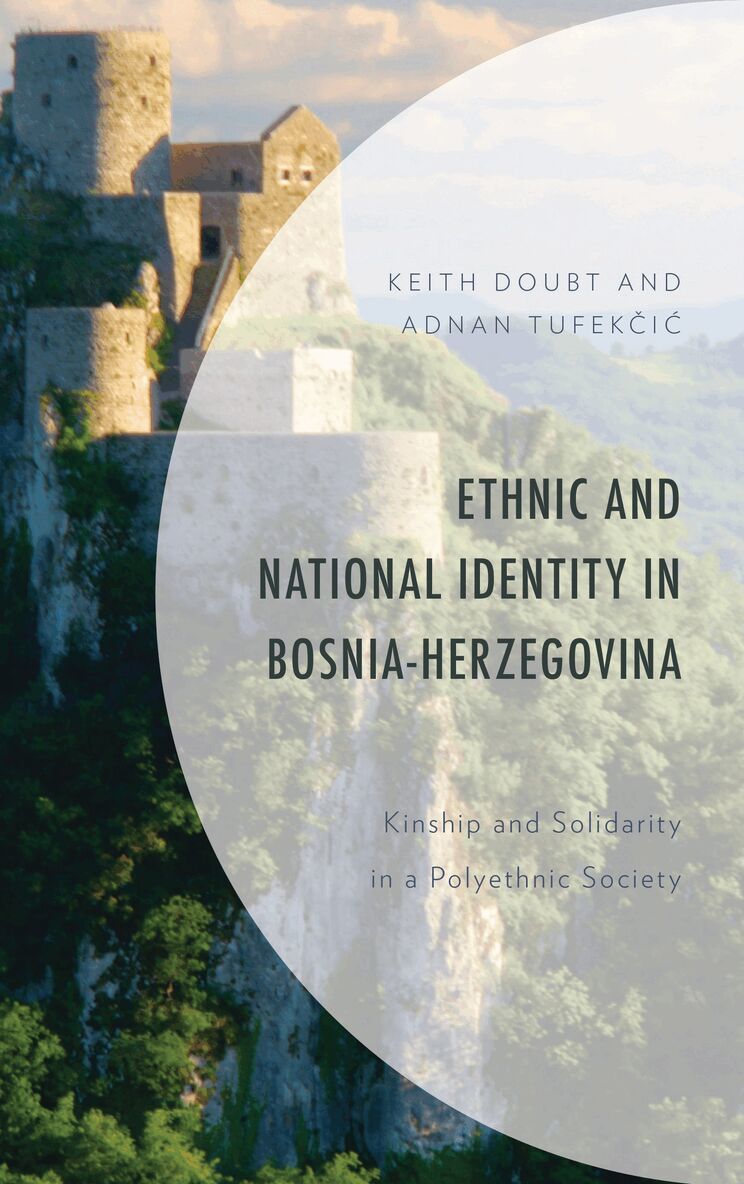
Ethnic and National Identity in Bosnia-Herzegovina
Kinship and Solidarity in a Polyethnic Society
Av Keith Doubt, Adnan Tufekcic
Inbunden, 2019
1134 kr
Lägg i varukorg
In Ethnic and National Identity in Bosnia-Herzegovina, Keith Doubt and Adnan Tufekcic analyze Bosnian social organization, cultural character, and boundary maintenance. Doubt and Tufekcic argue that modern Bosnians live in a polyethnic society, defined by a set of marriage and kinship practices …
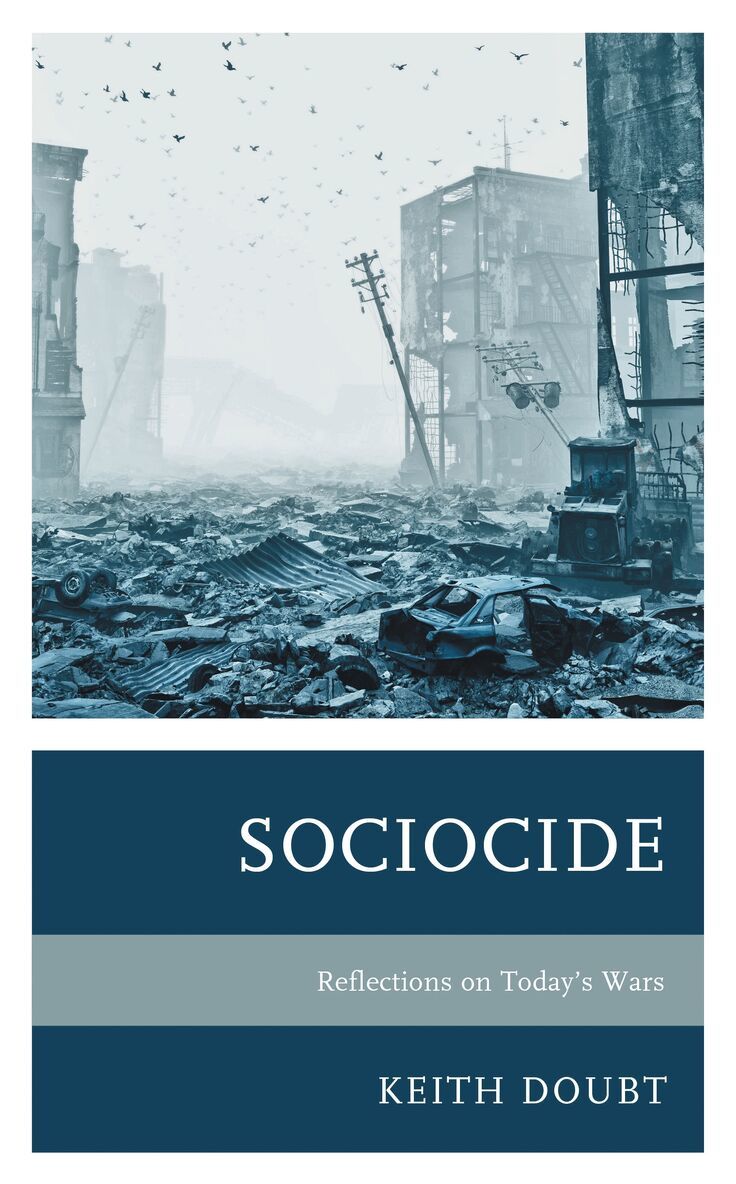
Sociocide
Reflections on Today’s Wars
Av Keith Doubt
Häftad, 2022
514 kr
Lägg i varukorg
Wars have a destructive impact on society. The violence in the first case is domicide, in the second urbicide, in the third genocide, and in the fourth, the book introduces a neologism, sociocide, the killing of society. Through the lens of this neologism, Keith Doubt provides persuasive evidence …
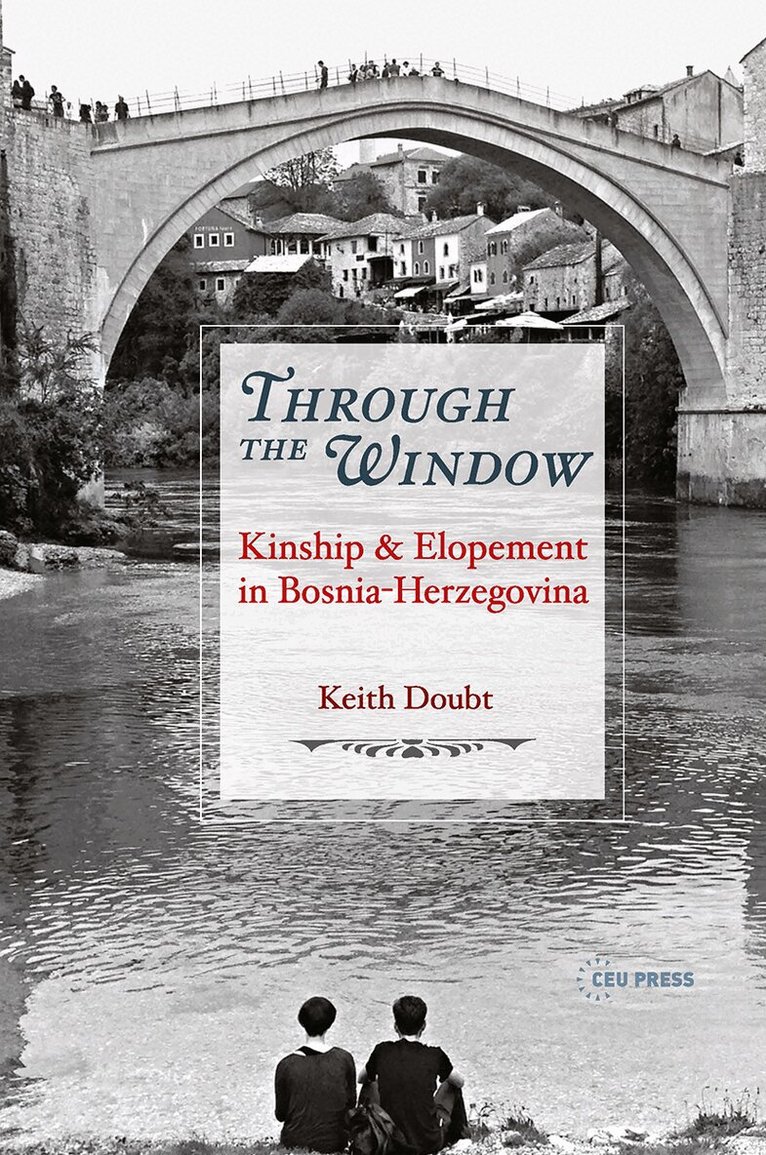
Through the Window
Kinship and Elopement in Bosnia-Herzegovina
Av Keith Doubt
Inbunden, 2014
1459 kr
Lägg i varukorg
This book is not about war crimes, crimes against humanity, genocide, evil, or the killing of a society. It is about a cultural heritage, something vital to a society as a society, something that was not killed in the previous war, something that is resilient.Through the Window brings an original …
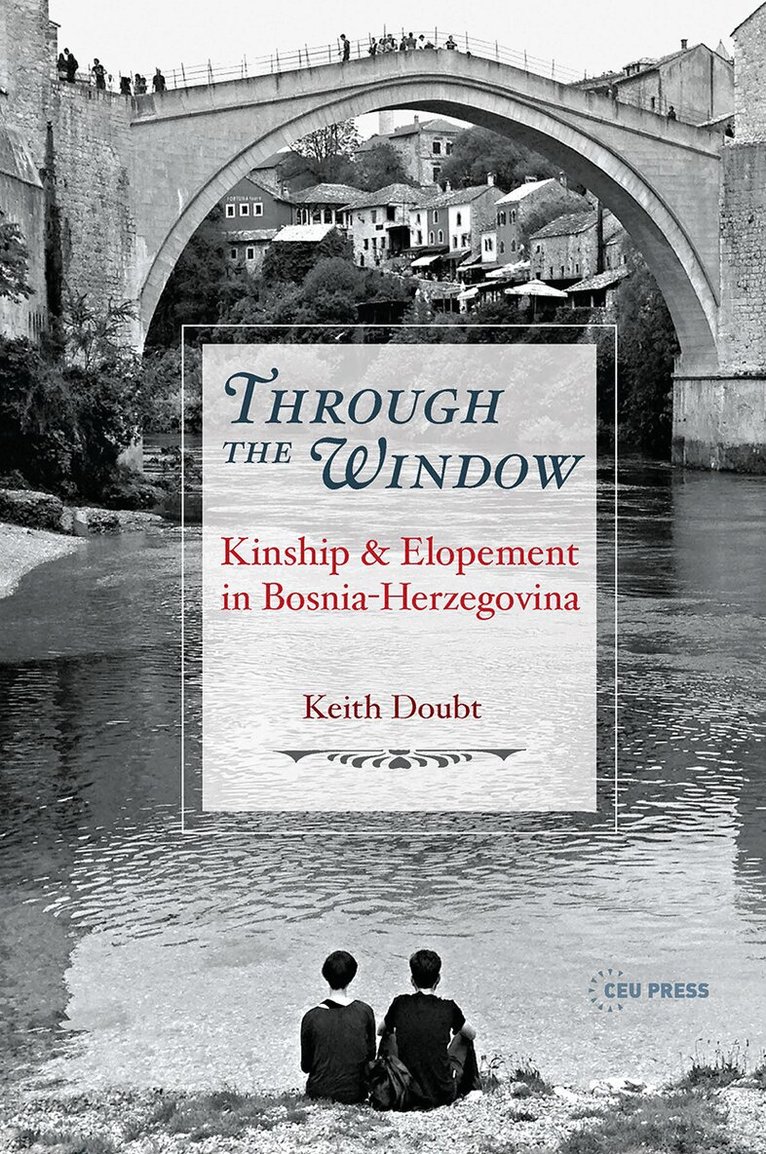
Through the Window
Kinship and Elopement in Bosnia-Herzegovina
Av Keith Doubt
Häftad, 2024
558 kr
Lägg i varukorg
This book is not about war crimes, crimes against humanity, genocide, evil, or the killing of a society. It is about a cultural heritage, something vital to a society as a society, something that was not killed in the previous war, something that is resilient.Through the Window brings an original …