Keith Schap - Böcker
Visar alla böcker från författaren Keith Schap. Handla med fri frakt och snabb leverans.
2 produkter
2 produkter
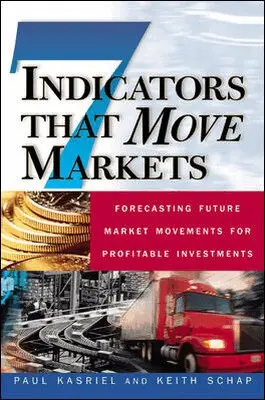
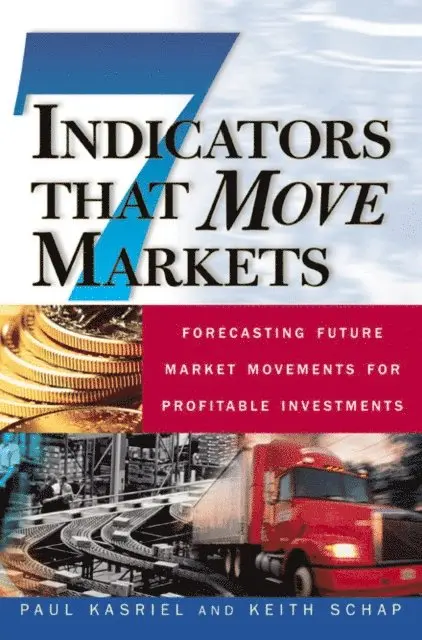
Seven Indicators That Move Markets: Forecasting Future Market Movements for Profitable Investments
Inbunden, Engelska, 2002
488 kr
Skickas inom 3-6 vardagar
From newspapers, magazines, financial news networks and the Internet, the media bombards us almost daily with economic data. There is a well publicized calendar of economic numbers - new home starts, unemployment, GDP, CPI, manufacturing and non-manufacturing purchasing numbers. Investors have been told that these numbers affect the capital markets in predictable ways. The problem with these economic reports and numbers is that they are reported with a lag. These numbers are old, in some cases months old. In essence they are actually recapping a past event. These are not the numbers to use to actually predict future market movements. For this, one should use market indicators because they present instant figures and data that are constantly being updated. These indicators are not as well publicized by the mass media but they are more important to understand, especially if you are an investor who wants to get a true picture of the overall market and where it is headed.The following are key market indicators described in this book that truly predict market movements: the Fed funds futures; Treasury yield curve; credit spreads; volatility; option price derivatives; futures price relationships; and industrial commodity prices. The individual investor doesn't have to be an economist to find and understand this data. This data is widely available in newspapers and the Internet. "Seven Indicators That Move Markets" will explain to the individual investor what these indicators are, how to interpret and analyze the data, and how to use this data for investing. To give an example of the importance of market indicators, the TED spread (the difference between the Treasury price and the Eurodollar price) signals a credit problem in the markets. This spread widened in the months preceding the Fall of '98 when Russia defaulted on its loans, the Asian currency crisis was spreading, and LTC Management went bust. Investors seeing this widening TED spread predicted credit problems months ahead of these occurrences. Knowing this kind of information, an individual investor should avoid investing in the financial stock sector.This book is sprinkled throughout with investment advice and real-life scenarios, as timely as this example. "Seven Indicators That Move Markets" should appeal to today's savvy investor who wants to learn as much as they can to protect themselves from future losses, to avoid unnecessary risk and to profit from favourable market conditions.
863 kr
Skickas inom 3-6 vardagar
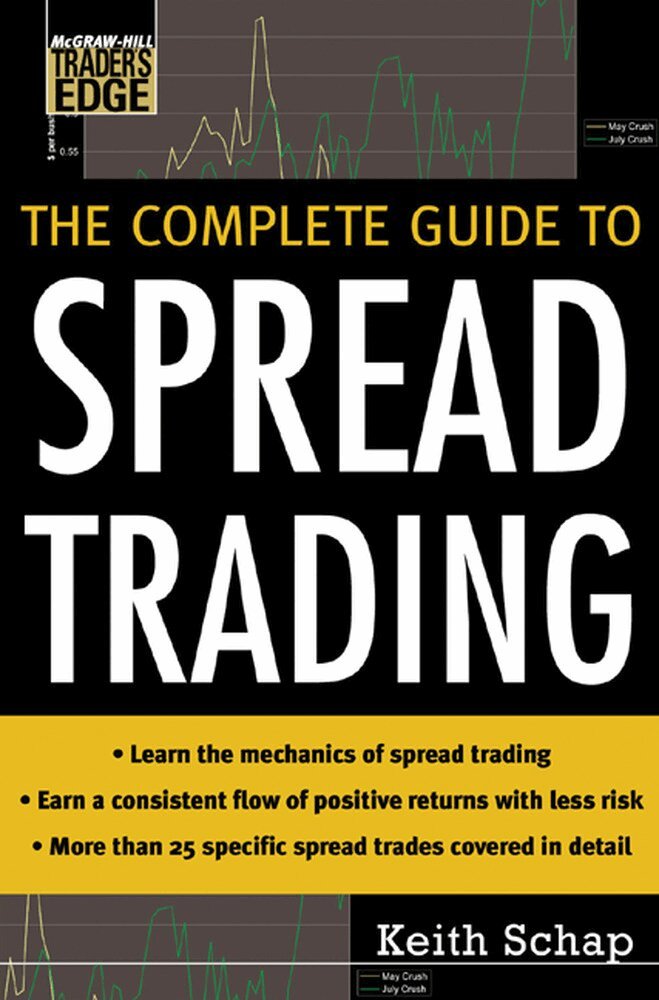
This book contains all you need to know about the predictable, profitable technique used by millions of professional investors Professional traders use spread trading strategies to increase their odds of success. "The Complete Guide to Spread Trading" reveals these traders' secrets, covering the step-by-step mechanics of more than 25 spread trades and showing you how to implement a low-risk spread strategy in virtually any market worldwide. Veteran industry analyst Keith Schap draws on his in-depth knowledge of spread trading along with years of conversations with top futures and options trading pros to explain: the nuts and bolts of spread trading, with examples of trades and explanations of which markets offer the best opportunities; guidelines for choosing and structuring the most appropriate spread strategy for a specific market environment; and, explanations of calendar, intermarket, interest rate, volatility, commodity, and stock index spreads, each with its own chapter or section and with accompanying spreadsheets and charts. Traders looking for additional opportunities to be on the right side of a trade are familiar with the benefits of spread trading."The Complete Guide to Spread Trading" will tell you what you need to know about these remarkable trading tools, and how you can use them to improve your performance in virtually any market situation. 'The guy who spreads and makes a little every day is the one who walks away with the big money' - A veteran trader, quoted in "Futures". "The Complete Guide to Spread Trading" outlines the many profitable advantages of spread trading, along with explanations and illustrations of how you can expect spreads to perform in the heat of trading. Self-contained chapters introduce more than two dozen representative spread strategies, discussing the market background and driving economic factors of each strategy, showing how to structure the spread, and reviewing how such spread trades have historically performed in various market environments.Keith Schap, a long-time author of options and futures training material, explains how to set up and manage spreads of every type in every market as he provides you with: explorations of numerous spread trading techniques from basic to advanced; instructions for structuring a spread trade and analyzing its results; a fundamental discussion of spread logic, and what exactly it means to buy or sell the spread; how using option spreads can dramatically reduce the downside risk of virtually any market in which you trade; a detailed look at specific yield curve spreads, and what changes in these spreads can tell you about the overall economy; strategies for using straddles and strangles to generate profits in static, sideways markets; and, chapter-ending 'A Word of Caution' sections that outline potential perils of chosen strategies, and proven techniques for avoiding or repairing them. Because spread trades have a basis in the economics of the markets involved and employ a structure designed to respond to those economic drivers, they have become popular with professional traders of all types."The Complete Guide to Spread Trading" introduces you to the profitable benefits of spreads and walks you through play-by-play descriptions of actual trades in numerous markets, giving you the knowledge and confidence you need to make spread trading a high-percentage, lower-risk component of your overall investing and trading strategy.