Keith Thor Carlson – författare
Visar alla böcker från författaren Keith Thor Carlson. Handla med fri frakt och snabb leverans.
11 produkter
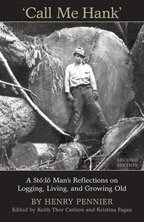
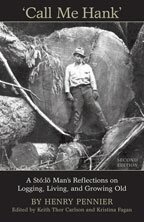
Call Me Hank
A Stó:lõ Man's Reflections on Logging, Living, and Growing Old
Av Keith Thor Carlson, Kristina Fagan
Häftad, 2006
438 kr
Lägg i varukorg
'My name is Henry George Pennier and if you want to be a friend of mine please you will call me Hank.' So begins 'Call Me Hank,' the autobiography of Hank Pennier (1904-1991): logger, storyteller, and self-described 'halfbreed.' In this work, Pennier offers thoughtful reflections on growing up as a …
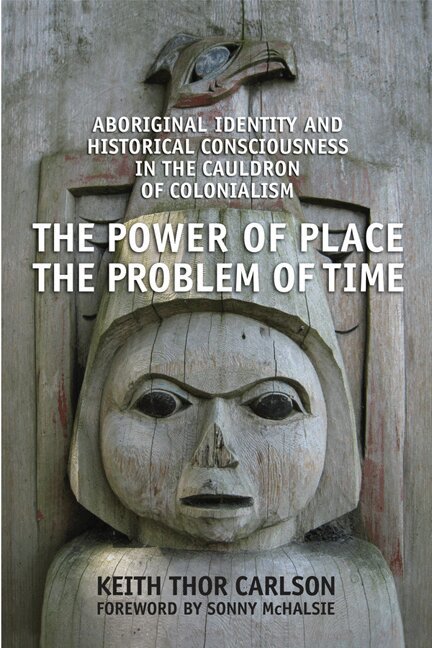
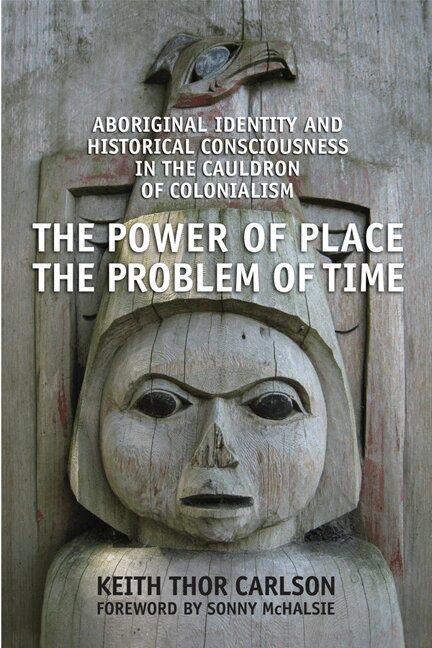
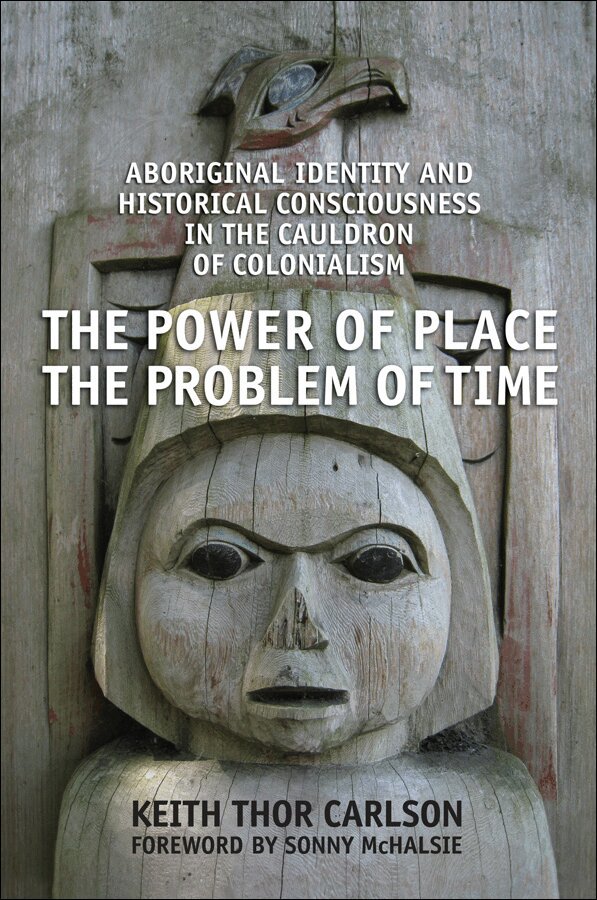
Power of Place, the Problem of Time
Aboriginal Identity and Historical Consciousness in the Cauldron of Colonialism
Häftad, 2010
454 kr
Lägg i varukorg
The Indigenous communities of the Lower Fraser River, British Columbia (a group commonly called the Stó:lõ), have historical memories and senses of identity deriving from events, cultural practices, and kinship bonds that had been continuously adapting long before a non-Native visited the area …
Towards a New Ethnohistory
Community-Engaged Scholarship Among the People of the River
Av Keith Thor Carlson, John Sutton Lutz m. fl.
Inbunden, 2018
822 kr
Lägg i varukorg
Towards a New Ethnohistory
Community-Engaged Scholarship Among the People of the River
Av Keith Thor Carlson, John Sutton Lutz m. fl.
Häftad, 2018
356 kr
Lägg i varukorg
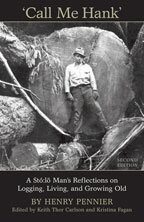
Call Me Hank
A Stó:lõ Man's Reflections on Logging, Living, and Growing Old
Av Keith Thor Carlson, Kristina Fagan
E-bok, 2006
537 kr
Lägg i varukorg
'My name is Henry George Pennier and if you want to be a friend of mine please you will call me Hank.' So begins 'Call Me Hank,' the autobiography of Hank Pennier (1904-1991): logger, storyteller, and self-described 'halfbreed.' In this work, Pennier offers thoughtful reflections on growing up as a …
Call Me Hank
A Stó:lõ Man's Reflections on Logging, Living, and Growing Old
Av Keith Thor Carlson, Kristina Fagan
E-bok, 2006
525 kr
Lägg i varukorg
'My name is Henry George Pennier and if you want to be a friend of mine please you will call me Hank.' So begins 'Call Me Hank,' the autobiography of Hank Pennier (1904-1991): logger, storyteller, and self-described 'halfbreed.' In this work, Pennier offers thoughtful reflections on growing up as a …
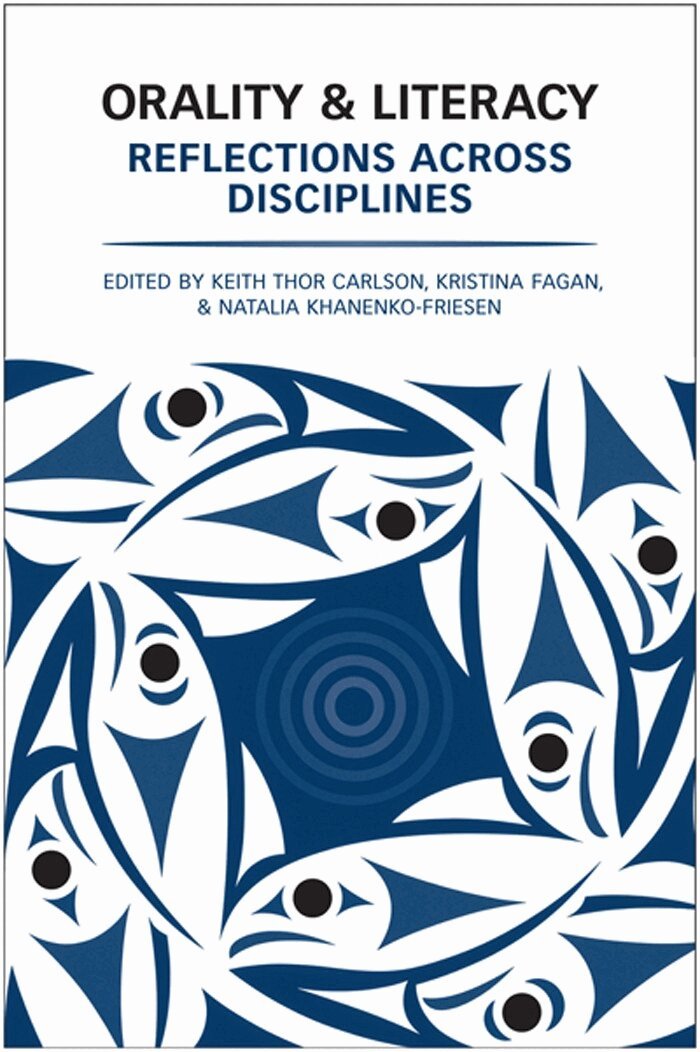
Orality and Literacy
Reflections Across Disciplines
Av Keith Thor Carlson, Kristina Fagan m. fl.
E-bok, 2013
493 kr
Lägg i varukorg
Orality and Literacy investigates the interactions of the oral and the literate through close studies of particular cultures at specific historical moments. Rejecting the 'great-divide' theory of orality and literacy as separate and opposite to one another, the contributors posit that whatever …
Orality and Literacy
Reflections Across Disciplines
Av Keith Thor Carlson, Kristina Fagan m. fl.
E-bok, 2011
588 kr
Lägg i varukorg
Orality and Literacy investigates the interactions of the oral and the literate through close studies of particular cultures at specific historical moments. Rejecting the 'great-divide' theory of orality and literacy as separate and opposite to one another, the contributors posit that whatever …
Power of Place, the Problem of Time
Aboriginal Identity and Historical Consciousness in the Cauldron of Colonialism
E-bok, 2010
588 kr
Lägg i varukorg
The Indigenous communities of the Lower Fraser River, British Columbia (a group commonly called the Stó:lõ), have historical memories and senses of identity deriving from events, cultural practices, and kinship bonds that had been continuously adapting long before a non-Native visited the area …
Power of Place, the Problem of Time
Aboriginal Identity and Historical Consciousness in the Cauldron of Colonialism
E-bok, 2010
588 kr
Lägg i varukorg
The Indigenous communities of the Lower Fraser River, British Columbia (a group commonly called the Stó:lõ), have historical memories and senses of identity deriving from events, cultural practices, and kinship bonds that had been continuously adapting long before a non-Native visited the area …
Orality and Literacy
Reflections Across Disciplines
Av Keith Thor Carlson, Kristina Fagan m. fl.
Häftad, 2020
424 kr
Lägg i varukorg
Orality and Literacy investigates the interactions of the oral and the literate through close studies of particular cultures at specific historical moments. Rejecting the 'great-divide' theory of orality and literacy as separate and opposite to one another, the contributors posit that whatever …