Keith W. Platt - Böcker
Visar alla böcker från författaren Keith W. Platt. Handla med fri frakt och snabb leverans.
7 produkter
7 produkter
178 kr
Skickas
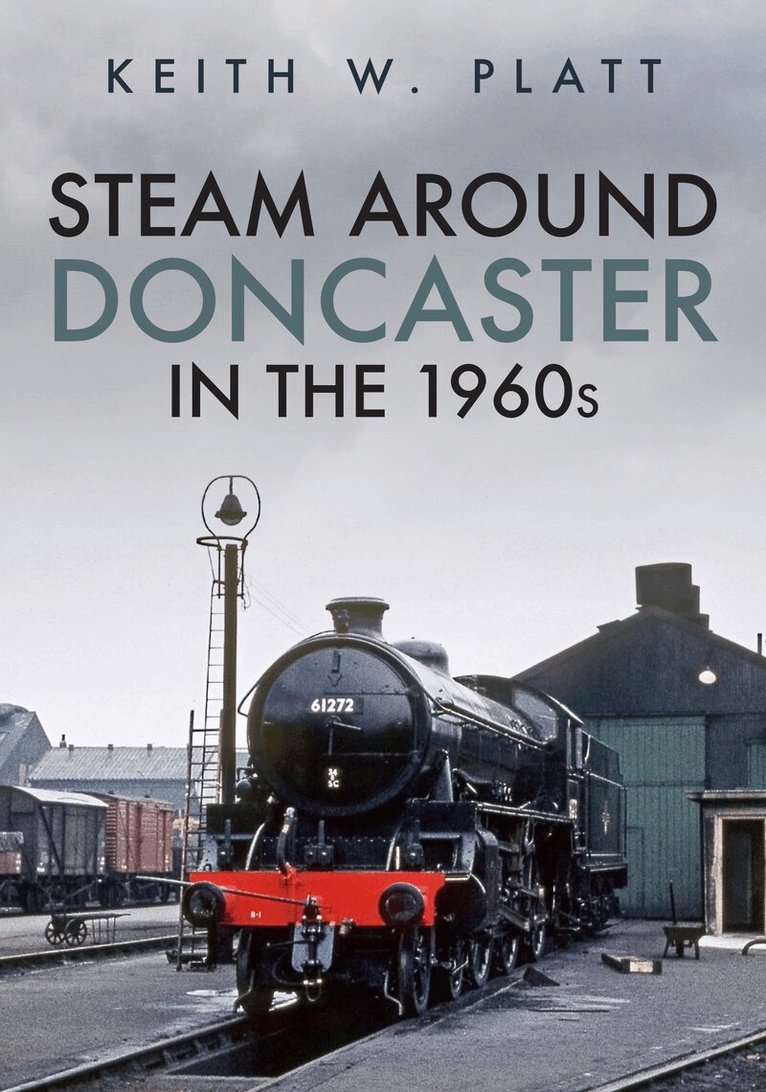
The 1960s saw the final hurrah of steam on the railways – the final period of steam-powered locomotives dominating the main line. This meant that a colourful array of traffic could be found across the length and breadth of Great Britain, and an army of enthusiasts both young and old dutifully recorded the nation’s rail scene. Here, in the first of a new series of book celebrating the steam of 1960s Britain, Keith W. Platt looks back at the fascinating array of traffic that could be found around the railway town of Doncaster.Packed with previously unpublished images, this is a book that will delight anybody with memories of steam around Doncaster or an enthusiasm for the area’s railways or history.
178 kr
Skickas
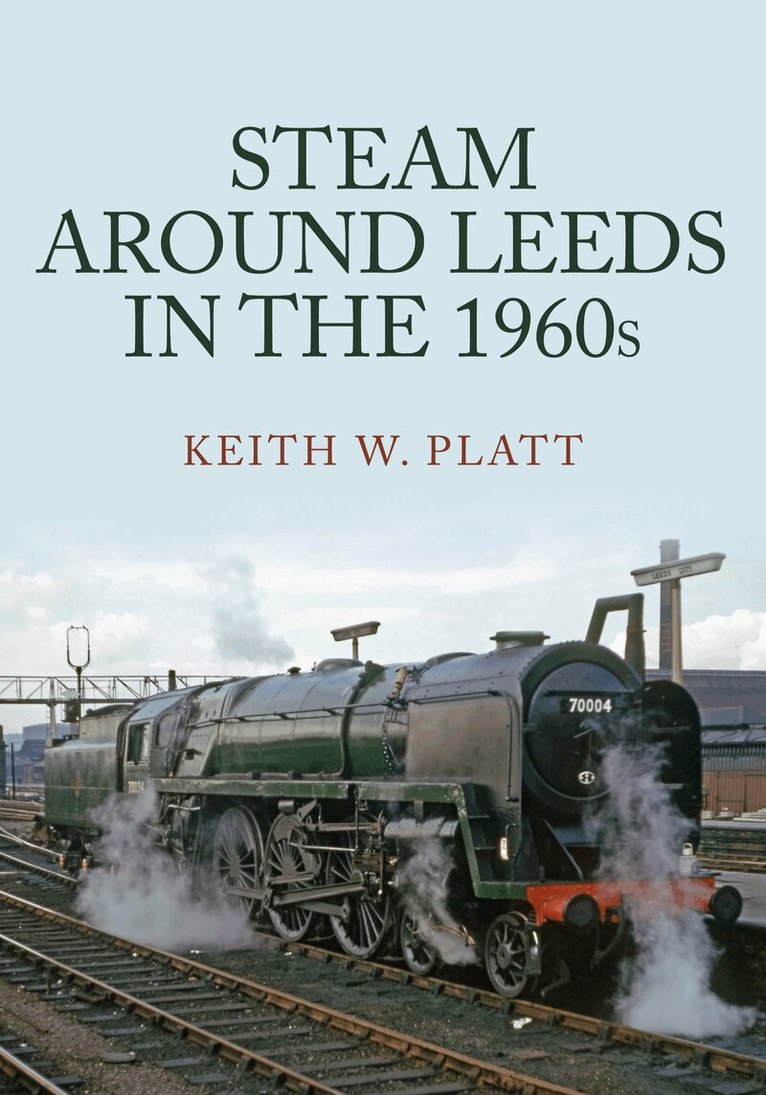
The 1960s saw the final hurrah of steam on the railways – the final period of steam-powered locomotives dominating the main line. This meant that a colourful array of traffic could be found across the length and breadth of Great Britain, and an army of enthusiasts both young and old dutifully recorded the nation’s rail scene. Here, in the first of a new series of book celebrating the steam of 1960s Britain, Keith W. Platt looks back at the variety that could be found on the railways around Leeds.Packed with previously unpublished images, this is a book that will delight anybody with memories of steam around Leeds or an enthusiasm for the area’s railways or history.
172 kr
Skickas
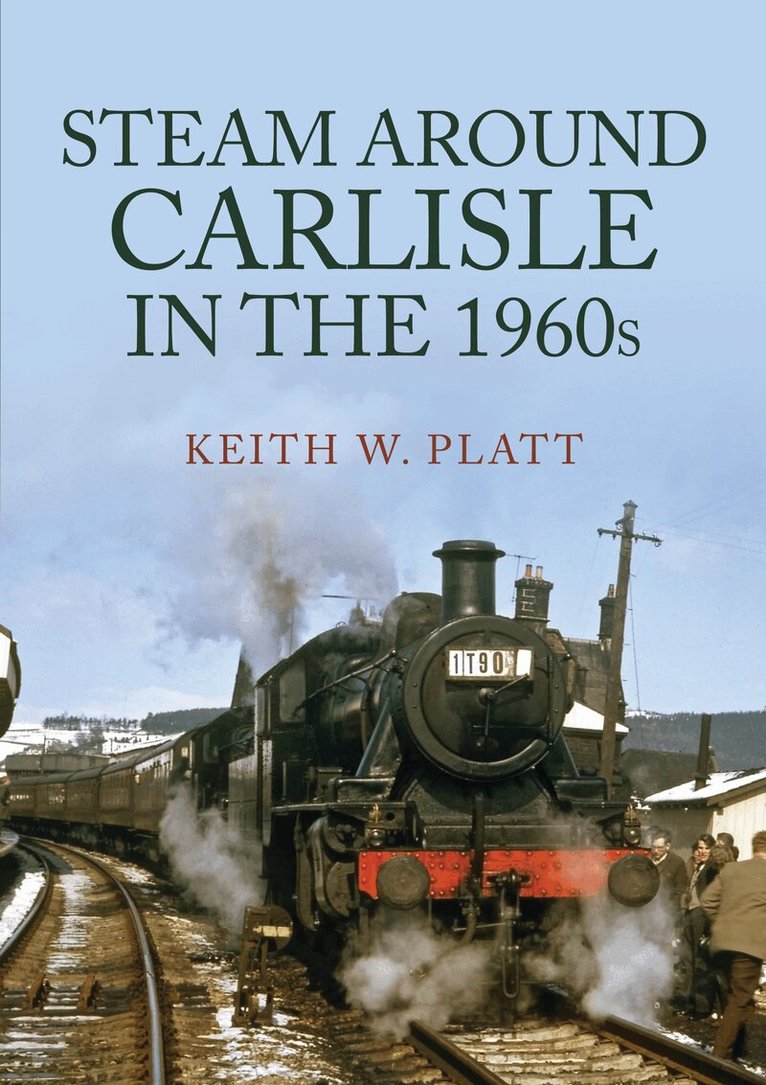
The 1960s saw the last hurrah of steam on the railways – the final period of steam-powered locomotives dominating the main line. This meant that a colourful array of traffic could be found across the length and breadth of Great Britain, and an army of enthusiasts both young and old dutifully recorded the nation’s rail scene. Here, in the first of a new series of books celebrating the steam of 1960s Britain, Keith W. Platt looks back at the wide range of traffic that could be found on the busy railways around Carlisle.This book is packed with a vibrant selection of previously unpublished images, and will delight anyone with memories of steam around Carlisle or an enthusiasm for the area’s railways or history.
178 kr
Skickas
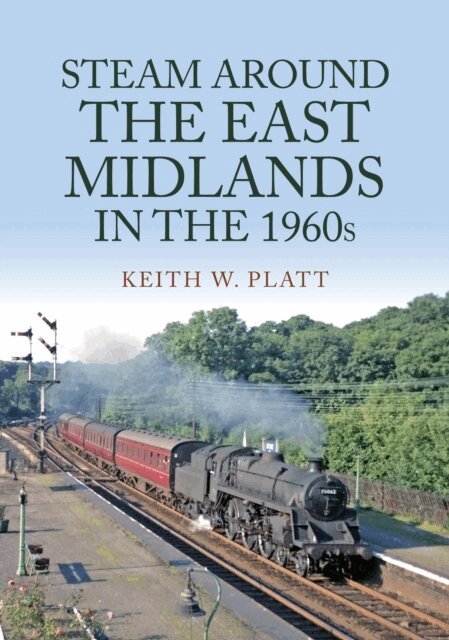
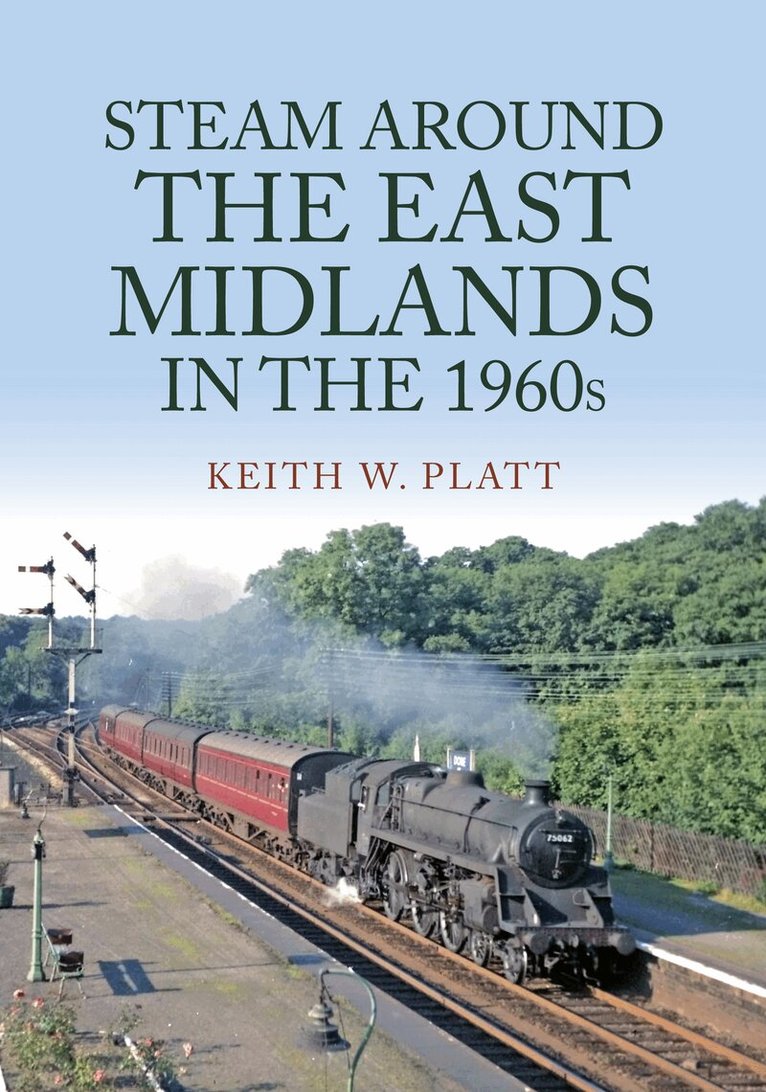
The 1960s saw the last hurrah for steam on the railways – the final period of steam-powered locomotives dominating the main line. This meant that a colourful array of traffic could be found across the length and breadth of Great Britain, and an army of enthusiasts, both young and old, dutifully recorded the nation’s rail scene. Here, Keith W. Platt looks back at the wide range of traffic that could be found all around the railways of the East Midlands. Packed with previously unpublished images, this is a book that will delight anybody with memories of steam in the East Midlands or an enthusiasm for the area’s railways and history.
178 kr
Skickas inom 11-20 vardagar
Keith W. Platt made his first visit to Woodham’s scrapyard, Barry, in the late 1960s at a time when steam locomotives could still be seen on the national network, going about the everyday business of working goods and passenger trains.With the final withdrawal of steam operations, he began to make more visits to Barry as it became the very last bastion of British Rail’s steam locomotives. Keith sought to record, on slide film, the images of locomotives and the photos taken on those trips inadvertently reveal the gradual blossoming of the preservation movement. The number of locomotives in the yard shrunk – not because they had been cut up, but because they had been sold to individuals and societies. They had been removed to one of the many preservation sites and steam railways.The appearance of the locomotives began to change over the years; firstly as the damp and salty sea air took its toll on the paintwork and bare metal, and then as different preservation groups set about the task of de-rusting, cleaning, and painting. Many locos were adorned with various painted messages proclaiming the status of the ownership and asking that parts should not be removed.Keith’s last visits to the yard were very different. There were only a few locomotives left waiting to find a new home; the lines of hundreds of locomotives, which had been packed closely together, were now a mere memory.
172 kr
Tillfälligt slut
The period after April 1974 brought about major and irrevocable changes to bus operations in Doncaster and the surrounding communities to the north-east of the town. The reorganisation of local government in England from 1974 had been brought about by the Local Government Act of 1972. It created six metropolitan counties, each responsible for running transport operations in their respective regions through a passenger transport executive. The newly formed South Yorkshire Passenger Transport Executive took control of Doncaster Corporation Transport in April 1974 and brought to an end the seventy-plus years of local council organisation of tramway, trolleybus and motorbus services.At first the changes were minimal insofar as the appearance of buses in service was concerned; they retained their Doncaster livery with the addition of new fleet numbers until they became due for a repaint or replacement by newly acquired vehicles. The independent companies operating bus services into Doncaster remained unchanged at first and, with their colourful and distinctive liveries, gave welcome relief to the corporate cream-and-brown that was gradually enveloping the SYPTE fleet. This situation was to change over the following few years as one by one the independent operators were acquired by the PTE and their fleets of buses were either rapidly withdrawn or repainted.The photographs in the book illustrate this process of the absorption of the bus fleets of Doncaster Corporation Transport, Felix Motors, T. Severn & Sons, Blue Line and Reliance up to 1979.
178 kr
Skickas
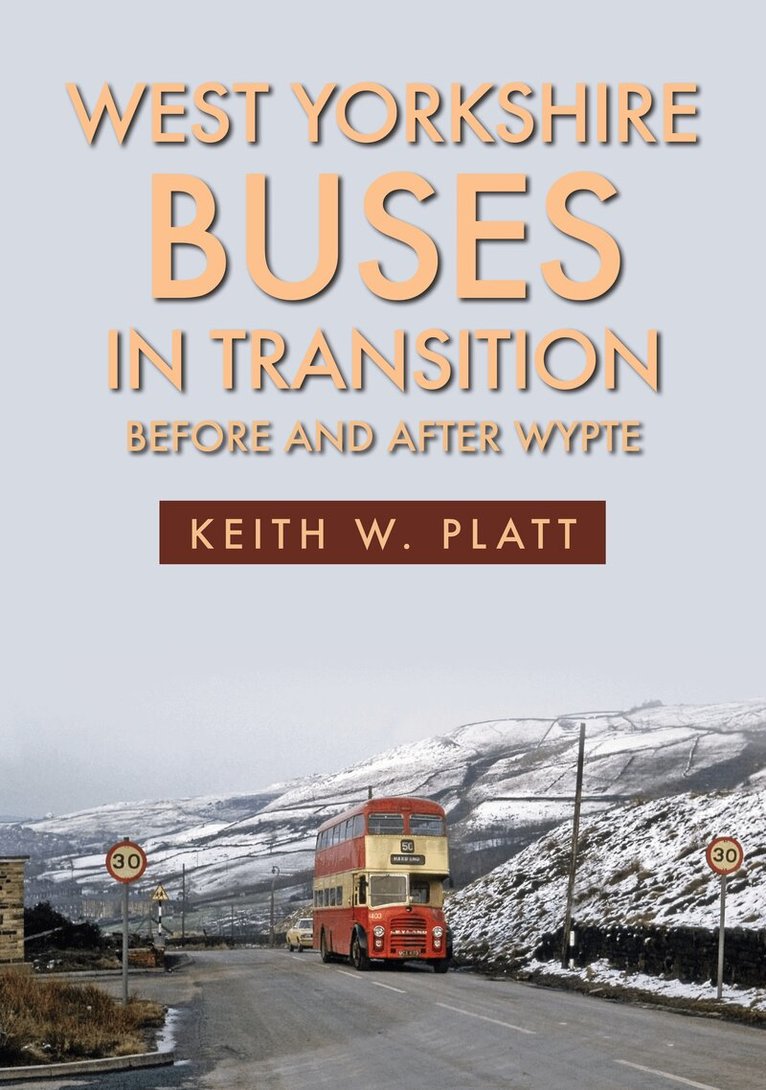
On 1 April 1974, the West Yorkshire Passenger Transport Executive was created by merging the municipal bus fleets of Bradford City Transport, Halifax Corporation with Calderdale Joint Omnibus Committee, Huddersfield Joint Omnibus Committee and Leeds City Transport.The new WYPTE was divided into four districts: Bradford, Calderdale (previously Halifax and Todmorden), Kirklees (previously Huddersfield) and Leeds. A new livery of cream and light green slowly but surely began to replace the blue and cream of Bradford, the orange, green and cream of Halifax, the red and cream of Huddersfield, and the two shades of green of Leeds. With over 1,500 vehicles and more than 6,000 staff along with the numerous garage and depot facilities, this was a huge operation. By 1976 changes were being made to the livery – while retaining the colour scheme much of the lining details were replaced and the district name under the Metro logo gave way to Metrobus.The photographs in the book illustrate this process of absorption of the bus fleets of Bradford, Halifax, Huddersfield and Leeds from before 1974 up to the end of the decade.