
Häftad, Engelska, 2001
200 kr
Skickas inom 5-8 vardagar
200 kr
Skickas inom 5-8 vardagar
127 kr
Skickas inom 5-8 vardagar
340 kr
Skickas inom 3-6 vardagar
263 kr
Läs direkt efter köp
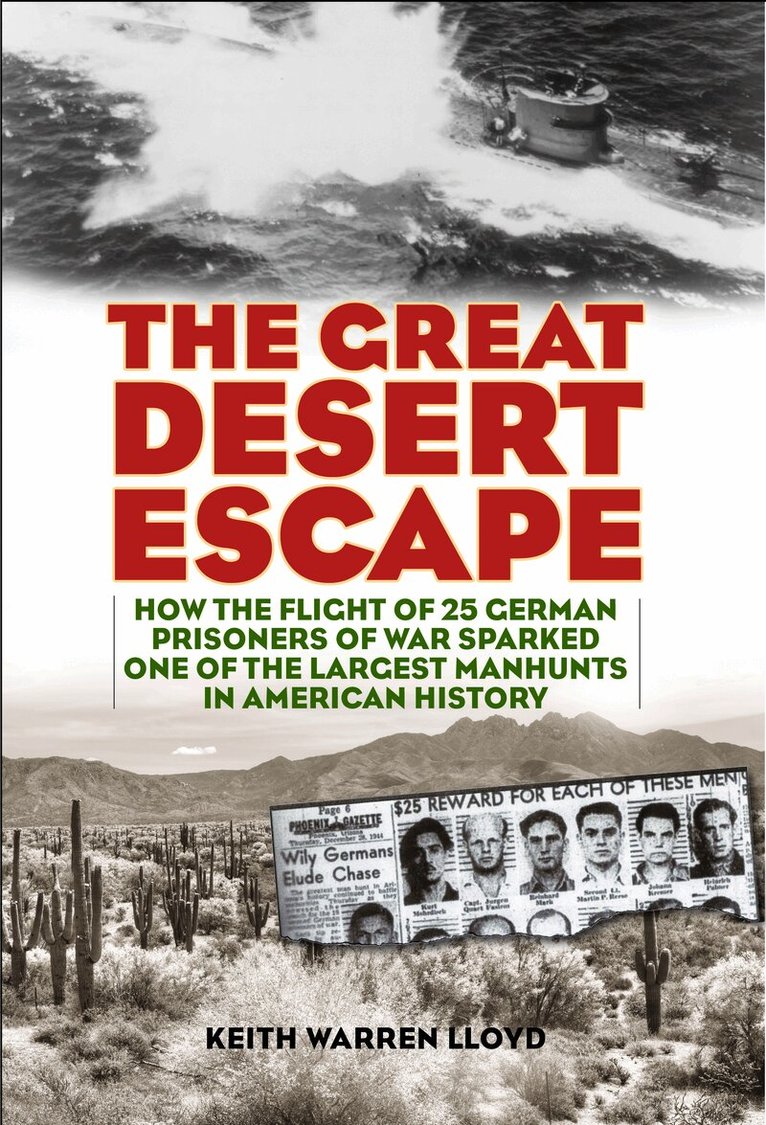
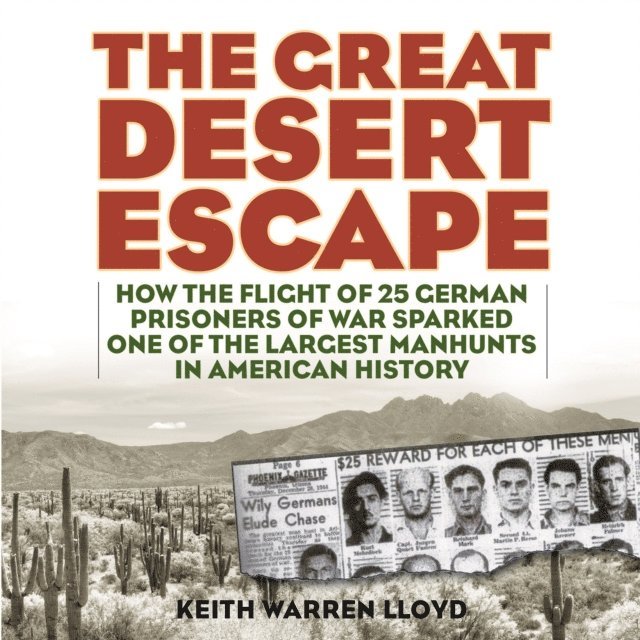
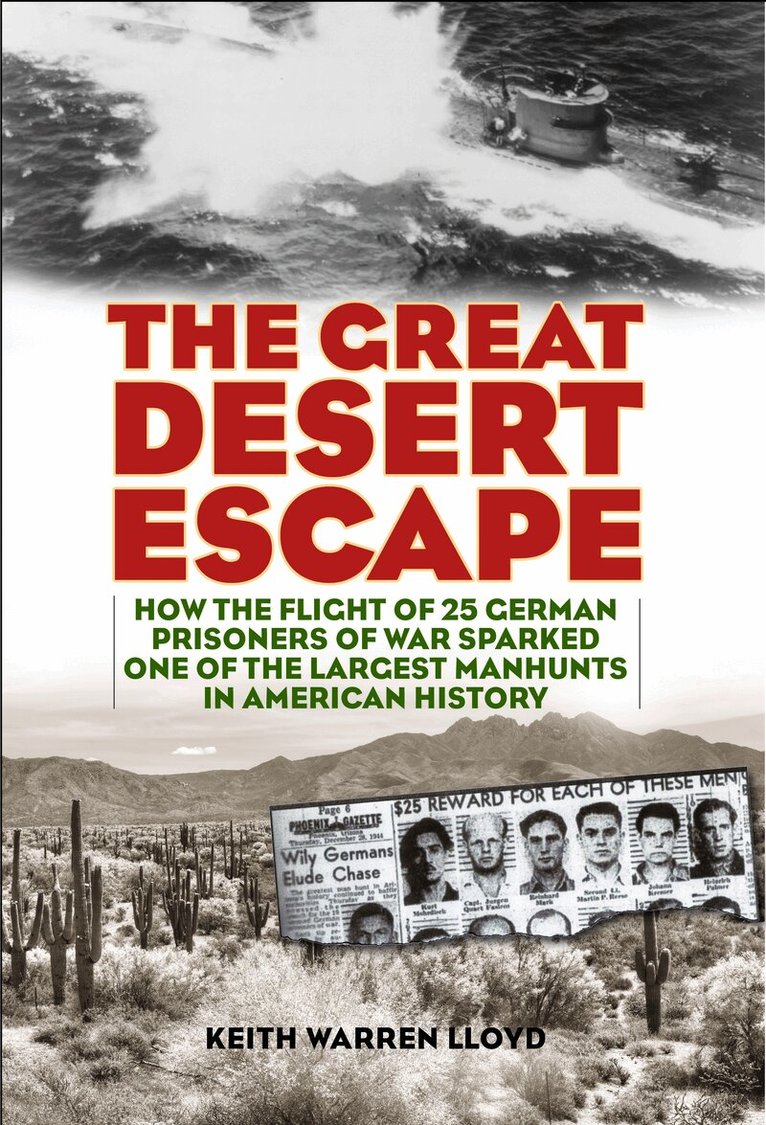
Dramatic, highly readable, and painstakingly researched, The Great Desert Escape brings to light a little-known escape by 25 determined German sailors from an American prisoner-of-war camp. The disciplined Germans tunneled unnoticed through rock-hard, sunbaked soil and crossed the unforgiving Arizona desert. They were heading for Mexico, where there were sympathizers who could help them return to the Fatherland. It was the only large-scale domestic escape by foreign prisoners in US history. Wrung from contemporary newspaper articles, interviews, and first-person accounts from escapees and the law enforcement officers who pursued them, The Great Desert Escape brings history to life.
At the US Army’s prisoner-of-war camp at Papago Park just outside of Phoenix, life was, at the best of times, uneasy for the German Kreigsmariners. On the outside of their prison fences were Americans who wanted nothing more than to see them die slow deaths for their perceived roles in killing fathers and brothers in Europe. Many of these German prisoners had heard rumors of execution for those who escaped. On the inside were rabid Nazis determined to get home and continue the fight. At Papago Park in March 1944, a newly arrived prisoner who was believed to have divulged classified information to the Americans was murdered—hung in one of the barracks by seven of his fellow prisoners. The prisoners of war dug a tunnel 6 feet deep and 178 feet long, finishing in December 1944. Once free of the camp, the 25 Germans scattered. The cold and rainy weather caused several of the escapees to turn themselves in. One attempted to hitchhike his way into Phoenix, his accent betraying him. Others lived like coyotes among the rocks and caves overlooking Papago Park. All the while, the escapees were pursued by soldiers, federal agents, police and Native American trackers determined to stop them from reaching Mexico and freedom.

261 kr
Skickas inom 5-8 vardagar

279 kr
Läs direkt efter köp
261 kr
Skickas inom 5-8 vardagar
238 kr
Skickas
290 kr
Läs direkt efter köp
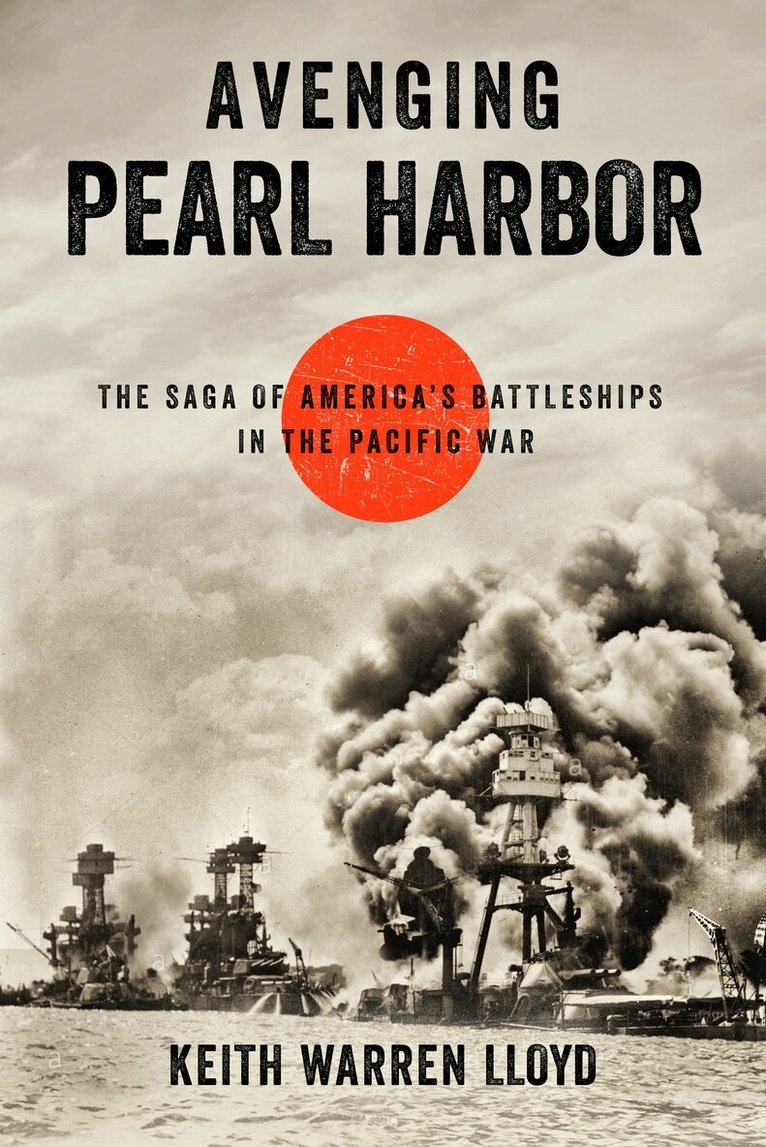
It was a miracle three years in the making, a testimony to American fortitude and ingenuity—and perhaps the key to why the United States won a war that after Pearl Harbor seemed hopeless. Impeccably researched, Avenging Pearl Harbor is colorfully written, personal, chilling, visceral.
Historian Keith Warren Lloyd brings his gift for injecting life and personalities and heretofore untold stories of the men and women involved-–members of what became known as The Greatest Generation—whose heroism and sacrifice brought about the miraculous new life of a sleeping military force that was reeling and on its knees.It is a story has never before been told in such detail and with such vibrancy.On the night of 24 October 1944, a force of two battleships, one heavy cruiser and four destroyers from the Imperial Japanese Navy steamed into Surigao Strait in the Philippines. Their objective: to attack the invasion fleet of General Douglas MacArthur’s army in Leyte Gulf. Alerted by scouting PT boats, the U.S. 7th Fleet under the command of Rear Admiral Jesse Oldendorf prepared a deadly trap. Waiting for the enemy force were six American battleships and supporting cruisers and destroyers. Oldendorf performed the classic naval maneuver of “crossing the T” which allowed the American ships to fire broadsides at the oncoming Japanese vessels, while the enemy could only fire with their forward turrets. When the smoke cleared, the Japanese fleet had been all but annihilated. Among the victorious American battleships were the Maryland, Pennsylvania, West Virginia, California, and Tennessee, five of the eight dreadnoughts that had been bombed at Pearl Harbor.The five ships had been raised, repaired, modified, and re-manned. After three long years, they finally had their revenge. Avenging Pearl Harbor takes readers from the attack on Pearl Harbor, telling the story of the severe damage dealt to each ship and the incredible acts of courage performed by the sailors of each crew that morning. It continues with how each ship was raised and repaired—Herculean in scope-- and the mustering of new commanders, officers and crewmen. The final drama unfolds as of each ship returns triumphantly to the battle fleet, and the ultimate triumph at the battle of Surigao Strait.
403 kr
Skickas inom 3-6 vardagar
358 kr
Läs direkt efter köp
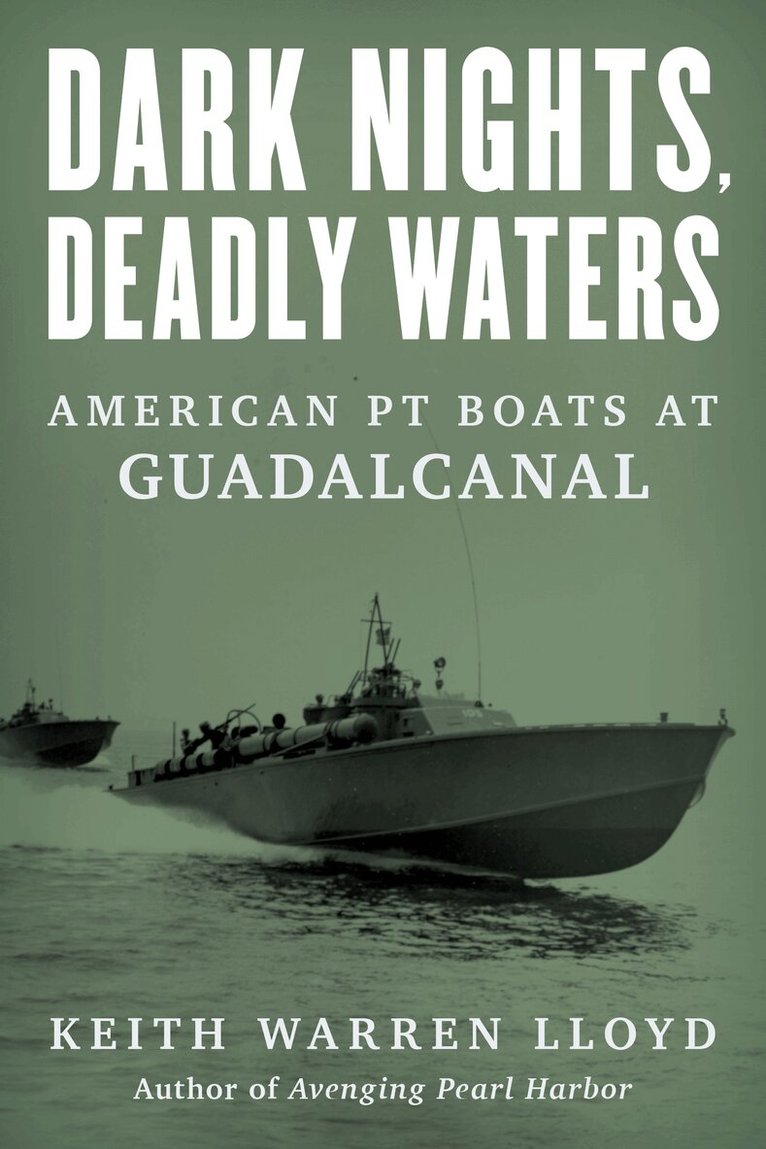
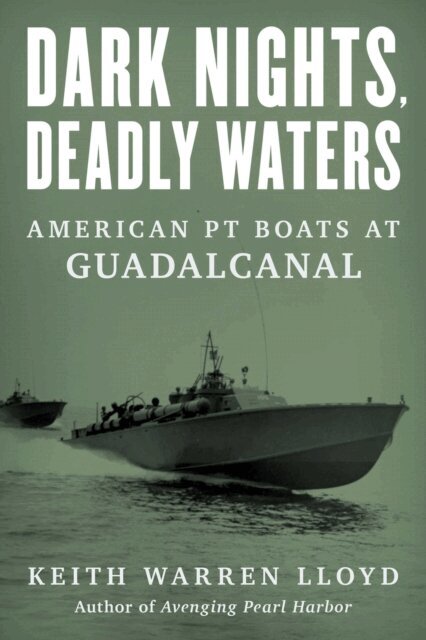
Eighty feet long, built of layered mahogany and powered by three monstrous 1500-horsepower V-12 engines, the US Navy’s Patrol Torpedo (PT) boats screamed across the water at over forty knots. They were not only fast, but also armed to the teeth, bristling with a deadly array of machine guns, automatic cannons, torpedoes, and depth charges. Duty aboard the boats was often reserved for the spirited, the aggressive, and the very young, the average age of a PT sailor being twenty-four years of age. The “mosquito boats” carried out a variety of missions during the war, including scouting and reconnaissance, attacking enemy shipping, search and rescue, interdiction of supply routes, strafing of enemy shore installations, supporting coast watchers and special operations forces, and even putting armed crew members ashore to perform commando-style raids on far-flung enemy outposts.
The boats were used in every theater of the Second World War, but they are most famous for their daring exploits in the South Pacific, where they were the US Navy’s first line of defense against the “Tokyo Express,” the nightly attacks of Japanese destroyers against American forces on Guadalcanal. Dark Nights, Deadly Waters tells the story of the first PT boats deployed to the fetid and malarial island of Tulagi, in the desperate early days of America’s “island hopping” campaign across the Pacific. Using a gritty and evocative narrative style—citing first-hand accounts, after-action reports, and official navy documents—author Keith Warren Lloyd describes in vivid detail the austere conditions under which the sailors lived and worked, and the highly dangerous nocturnal missions they performed.
544 kr
Kommande
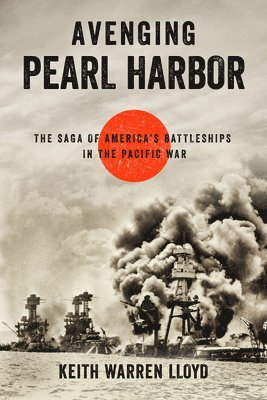
It was a miracle three years in the making, a testimony to American fortitude and ingenuity—and perhaps the key to why the United States won a war that after Pearl Harbor seemed hopeless. Impeccably researched, Avenging Pearl Harbor is colorfully written, personal, chilling, visceral.
Historian Keith Warren Lloyd brings his gift for injecting life and personalities and heretofore untold stories of the men and women involved-–members of what became known as The Greatest Generation—whose heroism and sacrifice brought about the miraculous new life of a sleeping military force that was reeling and on its knees.It is a story has never before been told in such detail and with such vibrancy.On the night of 24 October 1944, a force of two battleships, one heavy cruiser and four destroyers from the Imperial Japanese Navy steamed into Surigao Strait in the Philippines. Their objective: to attack the invasion fleet of General Douglas MacArthur’s army in Leyte Gulf. Alerted by scouting PT boats, the U.S. 7th Fleet under the command of Rear Admiral Jesse Oldendorf prepared a deadly trap. Waiting for the enemy force were six American battleships and supporting cruisers and destroyers. Oldendorf performed the classic naval maneuver of “crossing the T” which allowed the American ships to fire broadsides at the oncoming Japanese vessels, while the enemy could only fire with their forward turrets. When the smoke cleared, the Japanese fleet had been all but annihilated. Among the victorious American battleships were the Maryland, Pennsylvania, West Virginia, California, and Tennessee, five of the eight dreadnoughts that had been bombed at Pearl Harbor.The five ships had been raised, repaired, modified, and re-manned. After three long years, they finally had their revenge. Avenging Pearl Harbor takes readers from the attack on Pearl Harbor, telling the story of the severe damage dealt to each ship and the incredible acts of courage performed by the sailors of each crew that morning. It continues with how each ship was raised and repaired—Herculean in scope-- and the mustering of new commanders, officers and crewmen. The final drama unfolds as of each ship returns triumphantly to the battle fleet, and the ultimate triumph at the battle of Surigao Strait.
377 kr
Skickas

440 kr
Läs direkt efter köp

204 kr
Skickas inom 3-6 vardagar
194 kr
Skickas inom 3-6 vardagar

217 kr
Skickas inom 3-6 vardagar