Ken Frieden – författare
Visar alla böcker från författaren Ken Frieden. Handla med fri frakt och snabb leverans.
13 produkter
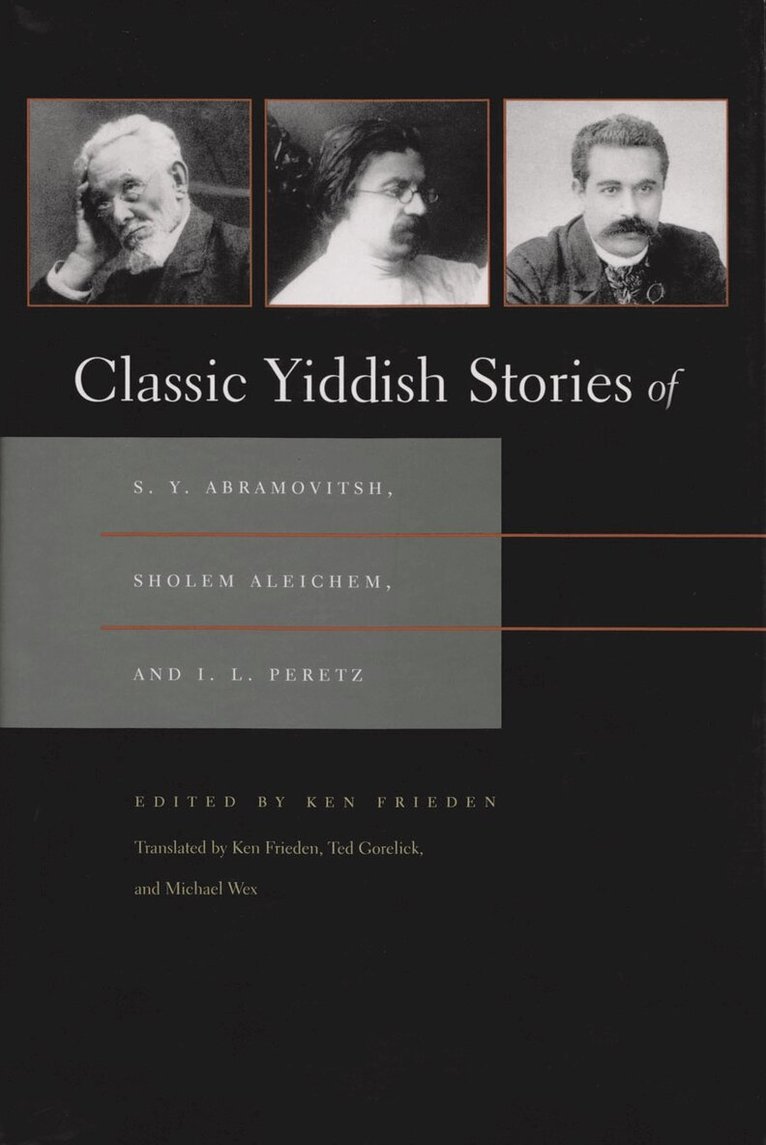
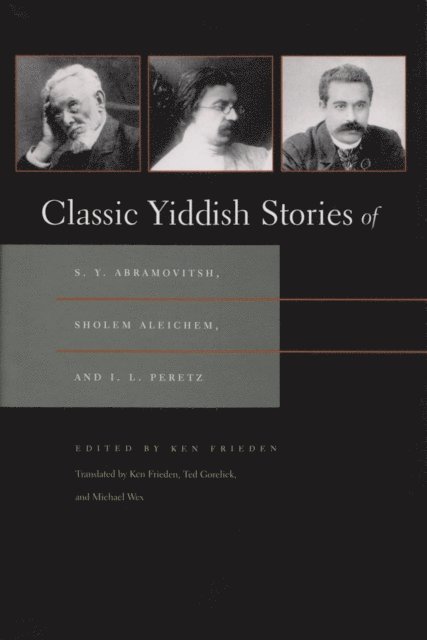
Classic Yiddish Stories of S. Y. Abramovitsh, Sholem Aleichem, and I. L. Peretz
Häftad, 2011
219 kr
Lägg i varukorg
Two early works by S.Y. Abramovitsh introduce the reader to Abramovitsh’s alter ego Mendele the Book Peddler. Mendele narrates both The Little Man and Fishke the Lame. In different voices, he also presents a diverse cast of characters including Isaac Abraham as tailor’s apprentice, choirboy, and …
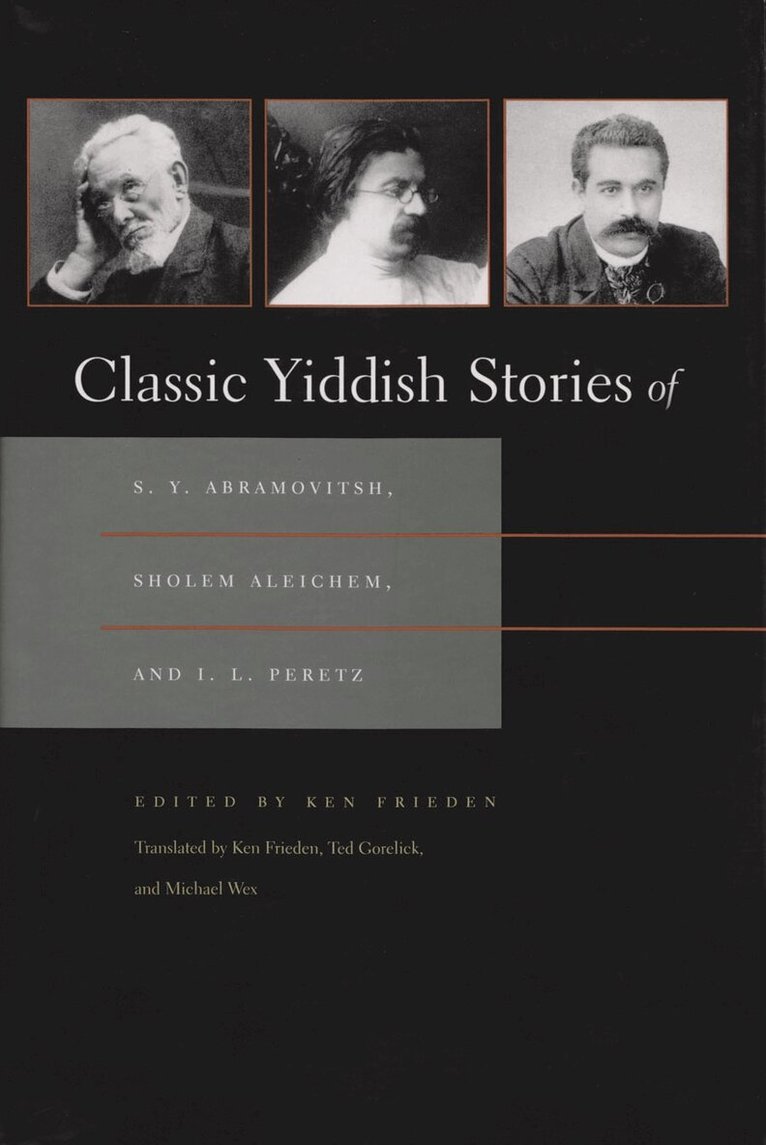
Classic Yiddish Stories of S. Y. Abramovitsh, Sholem Aleichem, and I. L. Peretz
Inbunden, 2004
4,0 utav 5 stjärnor. Totalt antal röster: (1)
268 kr
Lägg i varukorg
Two novellas by S. Y. Abramovitsh open this anthology, the first comprehensive overview of works by the three classic Yiddish authors. They describe Jewish life in Eastern Europe during the nineteenth century and introduce the reader to Abramovitsh's alter ago, Mendele the Book Peddler. Here he …
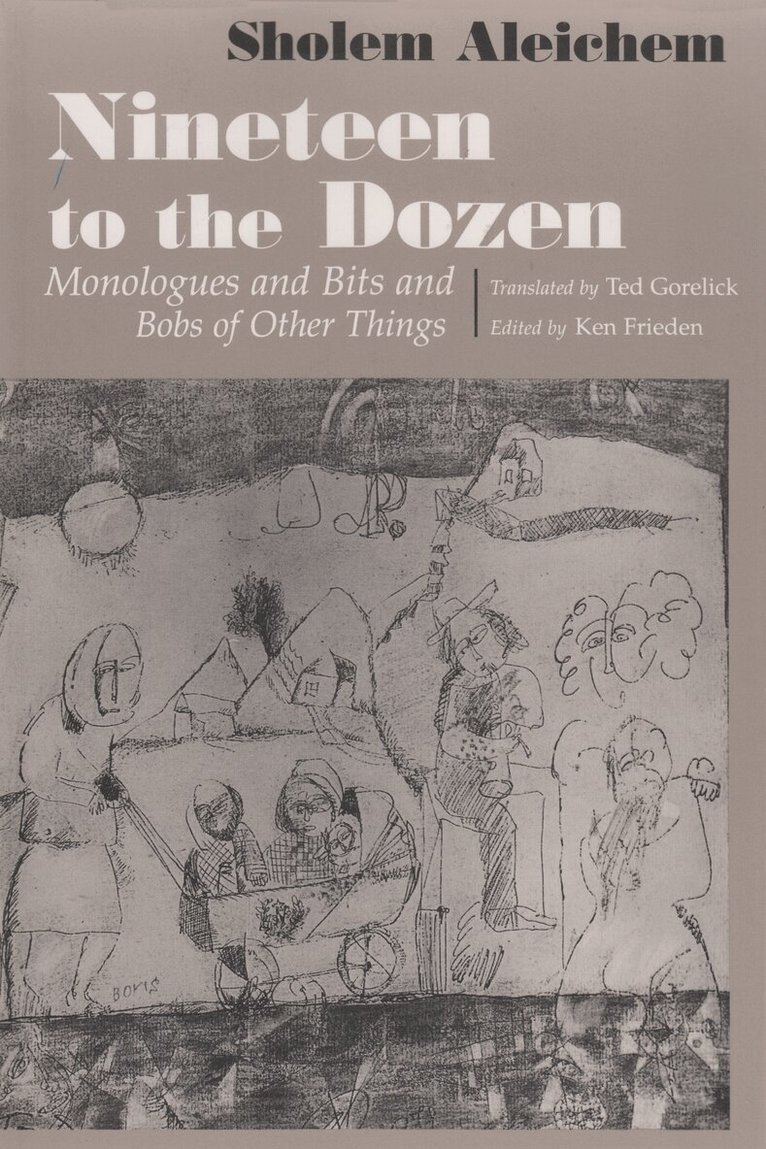
Nineteen to the Dozen
Monologues and Bits and Bobs of Other Things
Av Sholem Aleichem, Ken Frieden
Häftad, 2000
296 kr
Lägg i varukorg
The author of Yiddish novels and short stories, Sholem Aleichem, evokes the voices of Yiddish speakers in these monologues written between 1901 and 1916. In each piece, a man or a woman comes forward to tell the story.
Who Will Die Last
Stories of Life in Israel
Häftad, 2013
249 kr
Lägg i varukorg
A translated collection of author David Ehrlich's short stories originally written in Hebrew. The translators are writers, teachers, activists, doctors, or rabbis and they all bring a unique voice to stories of life and the search for meaning within it. Ehrich is the author of two short story …
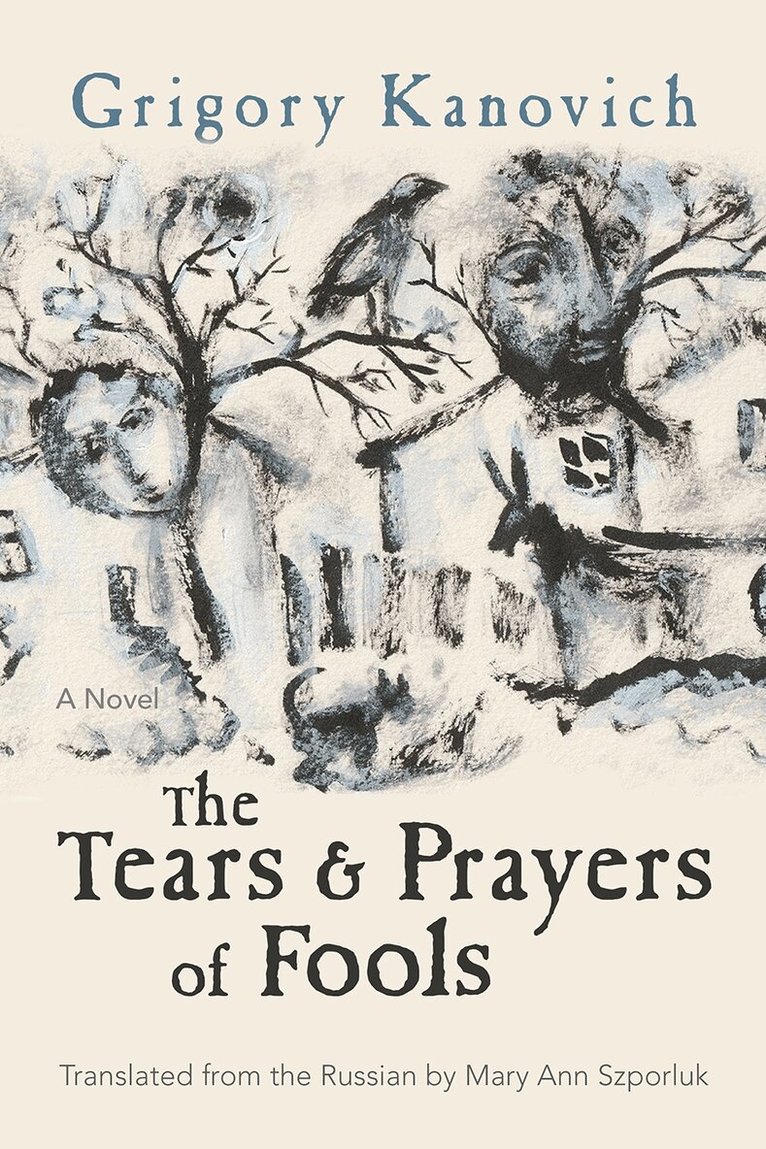
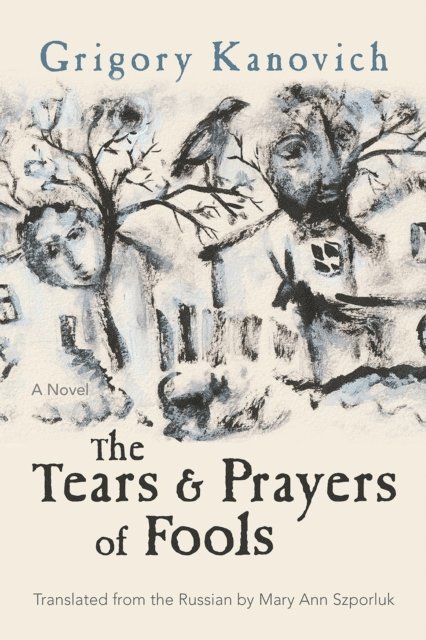
Tears and Prayers of Fools
A Novel
Av Grigory Kanovich, Ken Frieden
Häftad, 2023
501 kr
Lägg i varukorg
This extraordinary novel is part of Grigory Kanovich’s "Litvak saga," his tribute to Jewish life before the Holocaust. Set in a small Lithuanian town in the late nineteenth century, the story begins with the arrival of a stranger who sets everyone on edge and seems to know their secrets. Is he a …
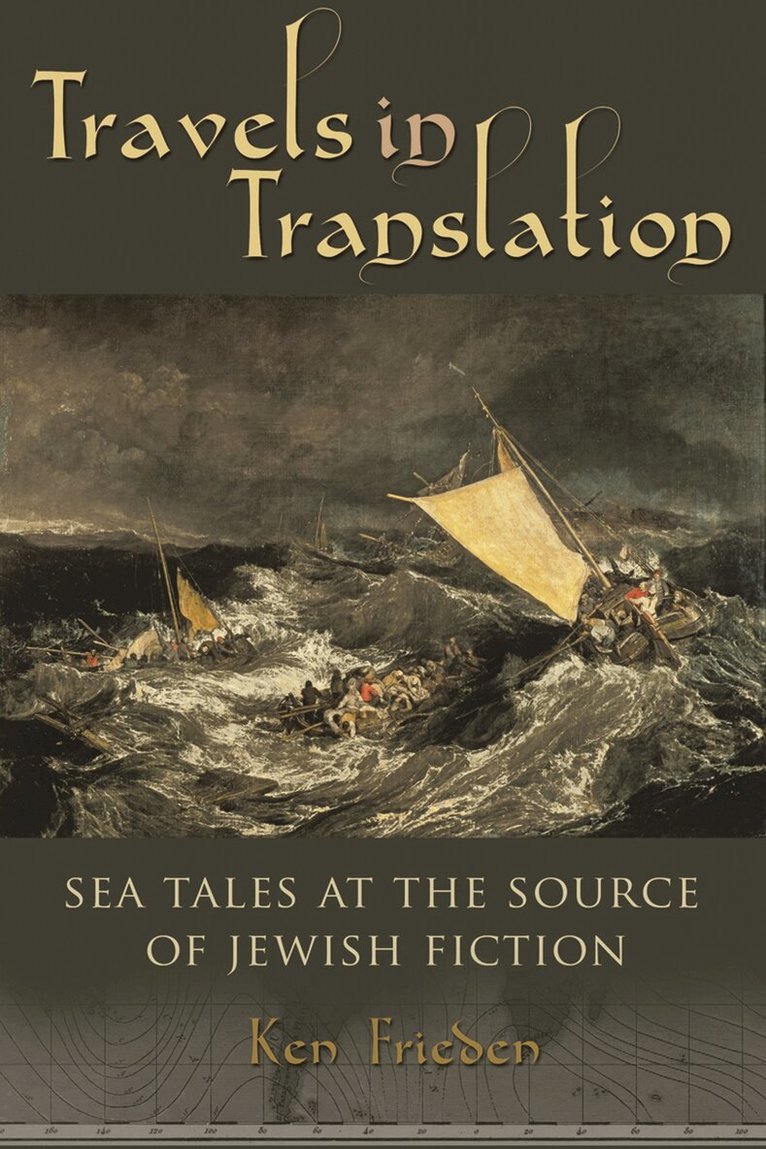
Travels in Translation
Sea Tales at the Source of Jewish Fiction
Av Ken Frieden
Häftad, 2016
380 kr
Lägg i varukorg
For centuries before its ""rebirth"" as a spoken language, Hebrew writing was like a magical ship in a bottle that gradually changed design but never voyaged out into the world. Isolated, the ancient Hebrew ship was torpid because the language of the Bible was inadequate to represent modern life in …
Classic Yiddish Stories of S. Y. Abramovitsh, Sholem Aleichem, and I. L. Peretz
Av Ken Frieden
E-bok, 2011
259 kr
Lägg i varukorg
Two novellas by S. Y. Abramovitsh open this collection of the best short works by three influential nineteenth-century Jewish authors. Abra- movitsh’s alter ego—Mendele the Book Peddler—introduces himself and narrates both The Little Man and Fishke the Lame. His cast of characters includes Isaac …
Who Will Die Last
Stories of Life in Israel
E-bok, 2013
299 kr
Lägg i varukorg
"Who Will Die Last?" is a collection of David Ehrlich’s short stories originally written in Hebrew and each translated by a different person. The translators are writers, teachers, activists, doctors, or rabbis, and they all bring a unique voice to stories of life and the search for meaning within …
Travels in Translation
Sea Tales at the Source of Jewish Fiction
Av Ken Frieden
E-bok, 2016
584 kr
Lägg i varukorg
For centuries before its "rebirth" as a spoken language, Hebrew writing was like a magical ship in a bottle that gradually changed design but never voyaged out into the world. Isolated, the ancient Hebrew ship was torpid because the language of the Bible was inadequate to represent modern life in …
Tears and Prayers of Fools
A Novel
Av Grigory Kanovich, Ken Frieden
E-bok, 2023
598 kr
Lägg i varukorg
This extraordinary novel is part of Grigory Kanovich’s "Litvak saga," his tribute to Jewish life before the Holocaust. Set in a small Lithuanian town in the late nineteenth century, the story begins with the arrival of a stranger who sets everyone on edge and seems to know their secrets. Is he a …
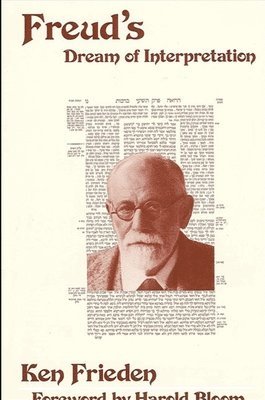
Freud's Dream of Interpretation
Av Ken Frieden
Inbunden, 1990
1080 kr
Tillfälligt slut
Frieden explores methods of dream interpretation in the Bible, the Talmud, and in the writings of Sigmund Freud, and brings to light Freud's troubled relationship to his Judaic forerunners. This book reveals unfamiliar associations in intellectual history and challenges received ideas in biblical, …
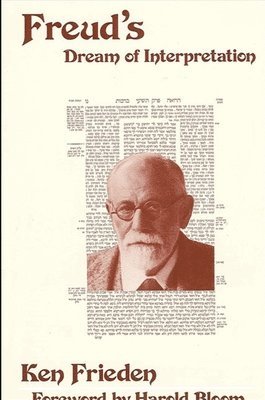
Freud's Dream of Interpretation
Av Ken Frieden
Häftad, 1990
375 kr
Tillfälligt slut
Frieden explores methods of dream interpretation in the Bible, the Talmud, and in the writings of Sigmund Freud, and brings to light Freud's troubled relationship to his Judaic forerunners. This book reveals unfamiliar associations in intellectual history and challenges received ideas in biblical, …
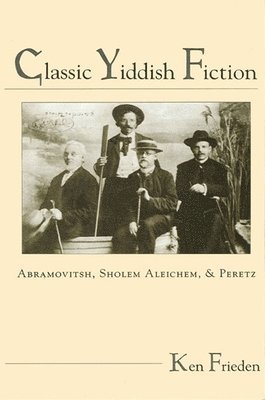
Classic Yiddish Fiction
Abramovitsh, Sholem Aleichem, and Peretz
Av Ken Frieden
Inbunden, 1995
1250 kr
Tillfälligt slut
Revisits fiction by the three major Yiddish authors who wrote between 1864 and 1916, exploring their literary and social worlds.Yiddish literature, despite its remarkable achievements during an era bounded by Russian reforms in the 1860s and the First World War, has never before been surveyed by a …