Kenkichi Iwasawa – författare
Visar alla böcker från författaren Kenkichi Iwasawa. Handla med fri frakt och snabb leverans.
6 produkter
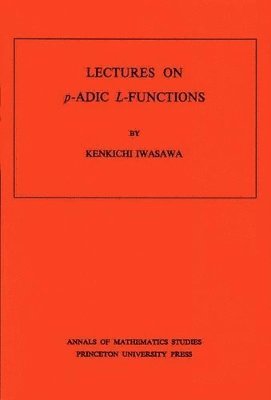
Lectures on P-Adic L-Functions
Häftad, 1972
993 kr
Lägg i varukorg
An especially timely work, the book is an introduction to the theory of p-adic L-functions originated by Kubota and Leopoldt in 1964 as p-adic analogues of the classical L-functions of Dirichlet. Professor Iwasawa reviews the classical results on Dirichlet's L-functions and sketches a proof for …
Lectures on P-Adic L-Functions
E-bok, 2016
856 kr
Lägg i varukorg
An especially timely work, the book is an introduction to the theory of p-adic L-functions originated by Kubota and Leopoldt in 1964 as p-adic analogues of the classical L-functions of Dirichlet. Professor Iwasawa reviews the classical results on Dirichlet''s L-functions and sketches a proof for …
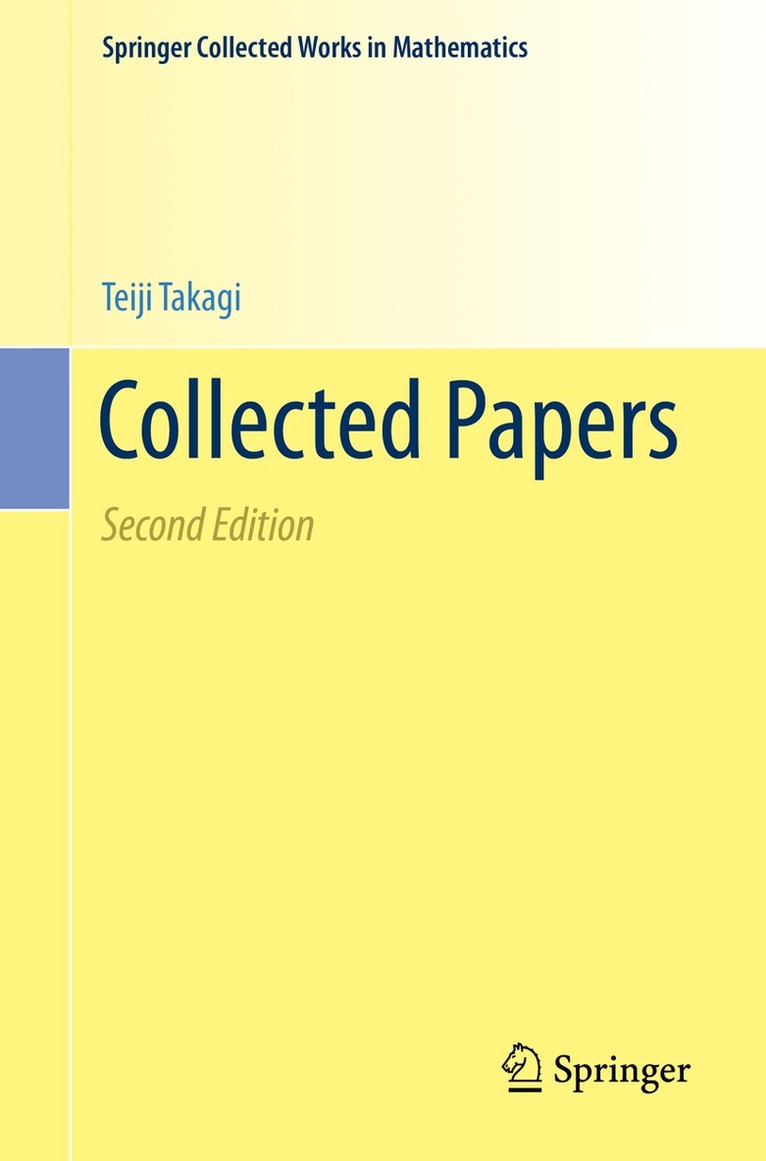
Collected Papers
Av Teiji Takagi, Shokichi Iyanaga m. fl.
Häftad, 2014
716 kr
Lägg i varukorg
Teiji Takagi one of the leading number theorists of this century, is most renowned as the founder of class field theory. This volume reflects the stages of his development of this theory. Inspired by a genial idea related to analytic number theory, he developed a beautiful general theory of abelian …
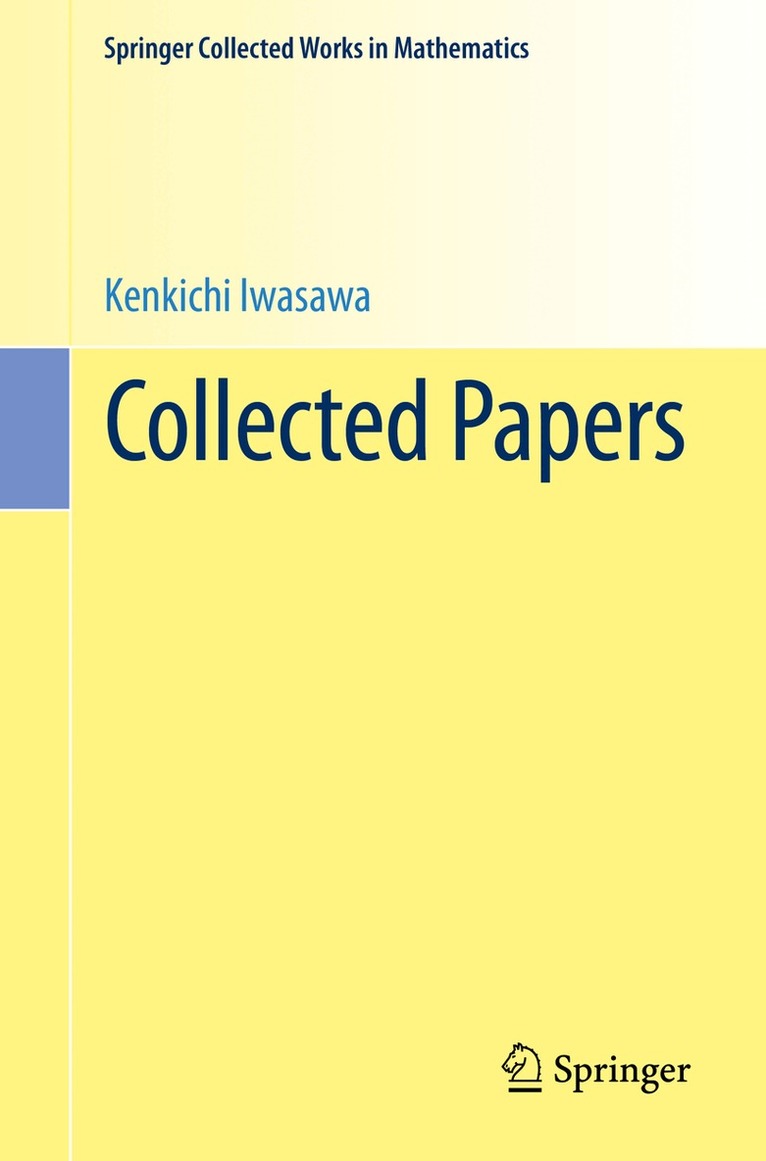
Collected Papers
Av Kenkichi Iwasawa, Genjiro Fujisaki m. fl.
Häftad, 2015
879 kr
Lägg i varukorg
Kenkichi Iwasawa was one of the most original and influential mathematicians of the twentieth century. He made a number of fundamental contributions in group theory and algebraic number theory. In group theory, he created the theory of (L)-groups (including the structure theorem called "Iwasawa …
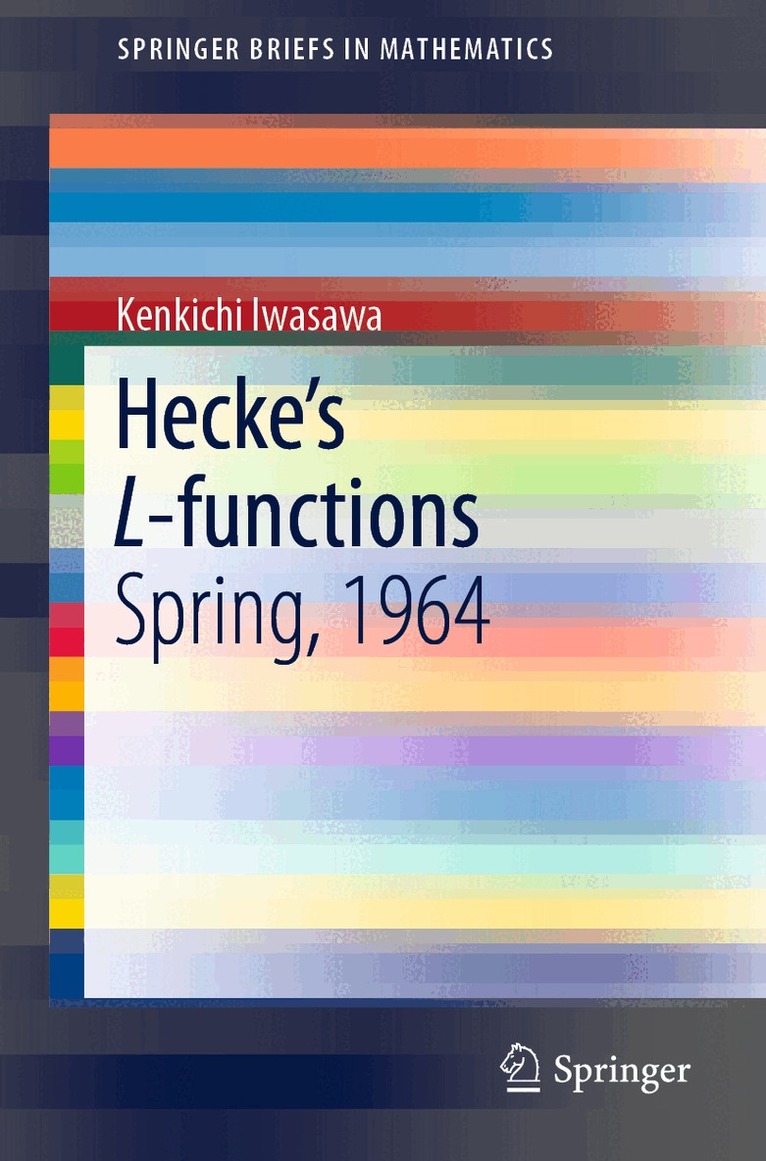
Hecke’s L-functions
Spring, 1964
Häftad, 2019
769 kr
Lägg i varukorg
This volume contains the notes originally made by Kenkichi Iwasawa in his own handwriting for his lecture course at Princeton University in 1964. These notes give a beautiful and completely detailed account of the adelic approach to Hecke’s L-functions attached to any number field, including the …
Hecke's L-functions
Spring, 1964
E-bok, 2019
957 kr
Lägg i varukorg
This volume contains the notes originally made by Kenkichi Iwasawa in his own handwriting for his lecture course at Princeton University in 1964. These notes give a beautiful and completely detailed account of the adelic approach to Hecke’s L -functions attached to any number field, including the …