Kenneth Aizawa – författare
Visar alla böcker från författaren Kenneth Aizawa. Handla med fri frakt och snabb leverans.
9 produkter
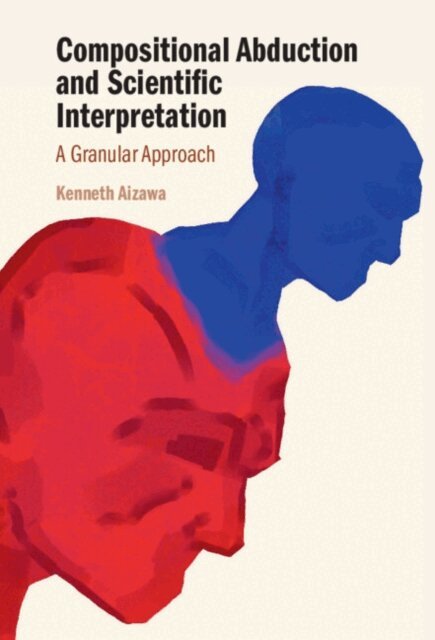
Compositional Abduction and Scientific Interpretation
A Granular Approach
Inbunden, 2025
1481 kr
Lägg i varukorg
Abductive reasoning is a form of inference that infers some hypothesis because of what that hypothesis explains. Unlike deductive reasoning, it yields a plausible conclusion but does not definitively verify it. The theory of compositional abduction developed in this book provides a novel theory of …
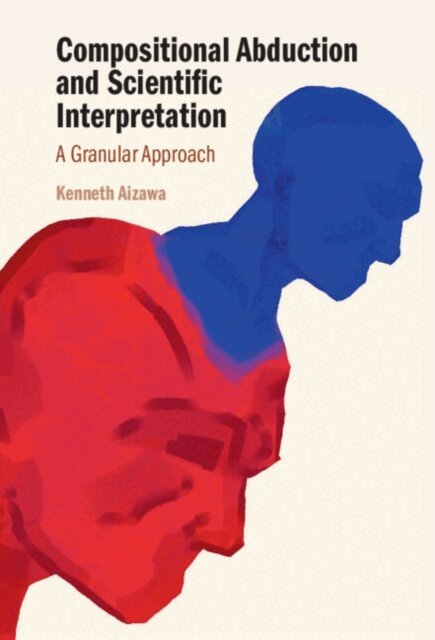
Compositional Abduction and Scientific Interpretation
A Granular Approach
E-bok, 2025
1467 kr
Lägg i varukorg
Compositional Abduction and Scientific Interpretation
A Granular Approach
E-bok, 2025
1435 kr
Lägg i varukorg
Scientific Composition and Metaphysical Ground
Av Kenneth Aizawa, Carl Gillett
Inbunden, 2016
551 kr
Lägg i varukorg
We find “vertical” relations in many different realms, whether between atoms and molecules, words and sentences, neurons and brains, or individuals and societies. This book is the first to bring together, and comparatively assess, the exciting array of philosophical approaches to vertical relations …
Scientific Composition and Metaphysical Ground
Av Carl Gillett, Kenneth Aizawa
E-bok, 2016
763 kr
Lägg i varukorg
We find “vertical” relations in many different realms, whether between atoms and molecules, words and sentences, neurons and brains, or individuals and societies. This book is the first to bring together, and comparatively assess, the exciting array of philosophical approaches to vertical relations …
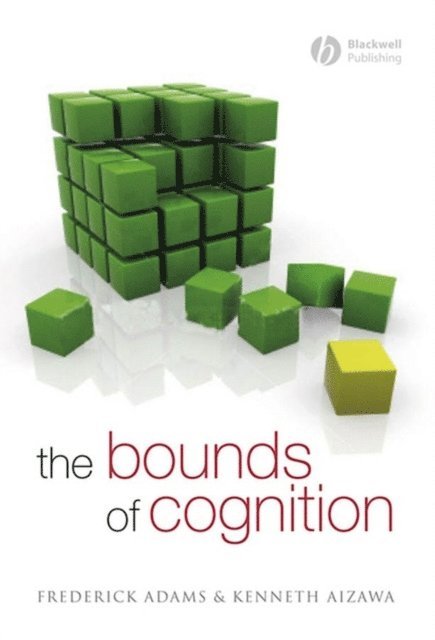
Bounds of Cognition
Av Frederick Adams, Kenneth Aizawa
Häftad, 2010
425 kr
Lägg i varukorg
An alarming number of philosophers and cognitive scientists have argued that mind extends beyond the brain and body. This book evaluates these arguments and suggests that, typically, it does not. A timely and relevant study that exposes the need to develop a more sophisticated theory of cognition, …
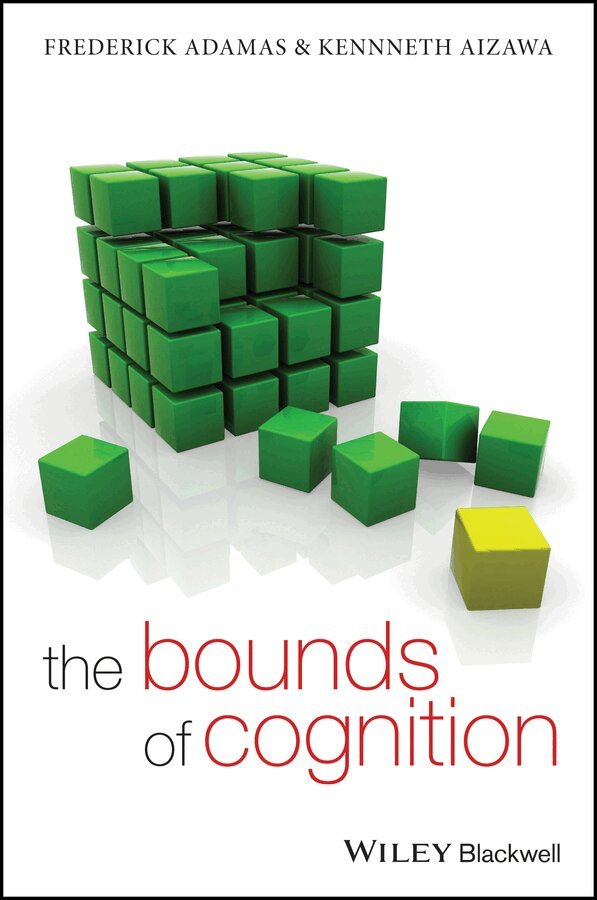
Bounds of Cognition
Av Kenneth Aizawa, Frederick Adams
E-bok, 2011
489 kr
Lägg i varukorg
An alarming number of philosophers and cognitive scientists have argued that mind extends beyond the brain and body. This book evaluates these arguments and suggests that, typically, it does not. A timely and relevant study that exposes the need to develop a more sophisticated theory of cognition, …
Bounds of Cognition
Av Kenneth Aizawa, Frederick Adams
E-bok, 2010
1189 kr
Lägg i varukorg
An alarming number of philosophers and cognitive scientists have argued that mind extends beyond the brain and body. This book evaluates these arguments and suggests that, typically, it does not. A timely and relevant study that exposes the need to develop a more sophisticated theory of cognition, …
Bounds of Cognition
Av Frederick Adams, Kenneth Aizawa
2010
353 kr
Tillfälligt slut
An alarming number of philosophers and cognitive scientists have argued that mind extends beyond the brain and body. This book evaluates these arguments and suggests that, typically, it does not. A timely and relevant study that exposes the need to develop a more sophisticated theory of cognition, …