Kenneth Baxter Wolf - Böcker
Visar alla böcker från författaren Kenneth Baxter Wolf. Handla med fri frakt och snabb leverans.
5 produkter
5 produkter
719 kr
Skickas inom 5-8 vardagar
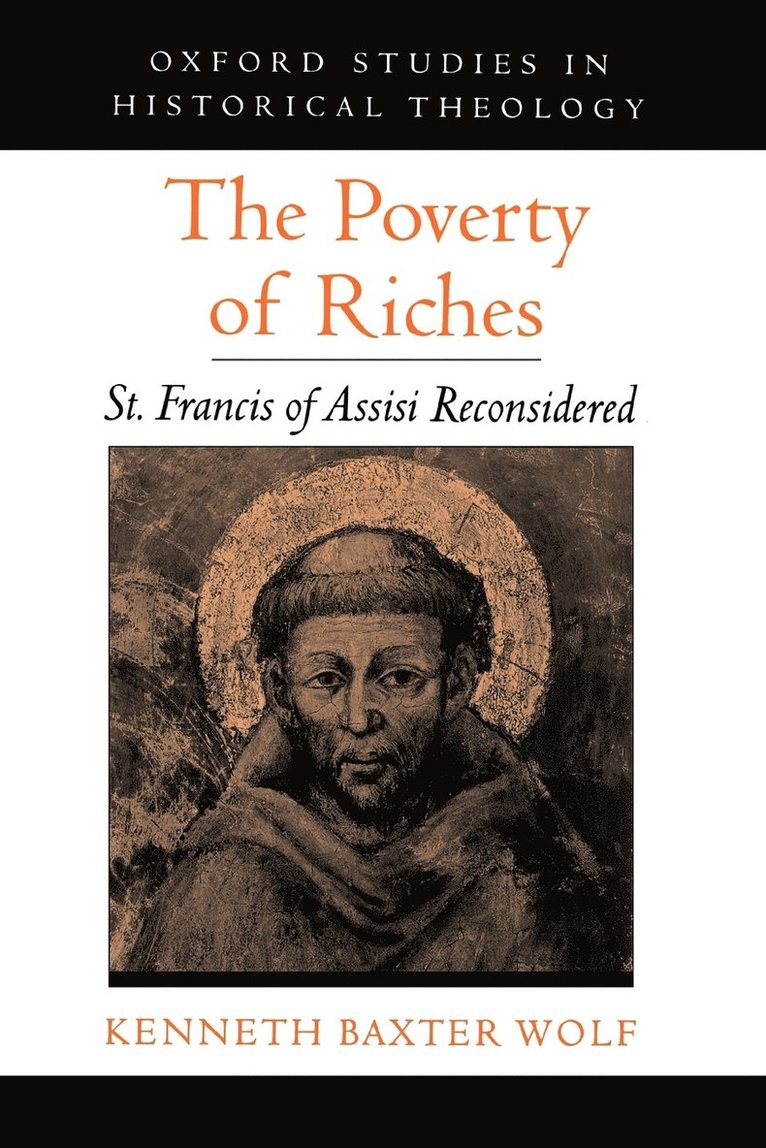
Saint Francis of Assisi is arguably the most attractive saint ever produced by the Catholic Church. The unusually high regard with which he is held has served to insulate him from any real criticism of the kind of sanctity that he embodied: sanctity based first and foremost on his deliberate pursuit of poverty. In this book, Kenneth Baxter Wolf takes a fresh look at Francis and the idea of voluntary poverty as a basis for Christian perfection. Wolf's point of departure is a series of simple but hitherto unasked questions about the precise nature of Francis's poverty: How did he go about transforming himself from a rich man to a poor one? How successful was this transformation? How did his self-imposed poverty compare to the involuntary poverty of those he met in and around Assisi? What did poor people of this type get out of their contact with Francis? What did Francis get out of his contact with them? Wolf finds that while Francis's conception of poverty as a spiritual discipline may have opened the door to salvation for wealthy Christians like himself, it effectively precluded the idea that the poor could use their own involuntary poverty as a path to heaven. Based on a thorough reconsideration of the earliest biographies of the saint, as well as Francis's own writings, Wolf's work sheds important new light on the inherent ironies of poverty as a spiritual discipline and its relationship to poverty as a socio-economic affliction.
944 kr
Skickas inom 10-15 vardagar
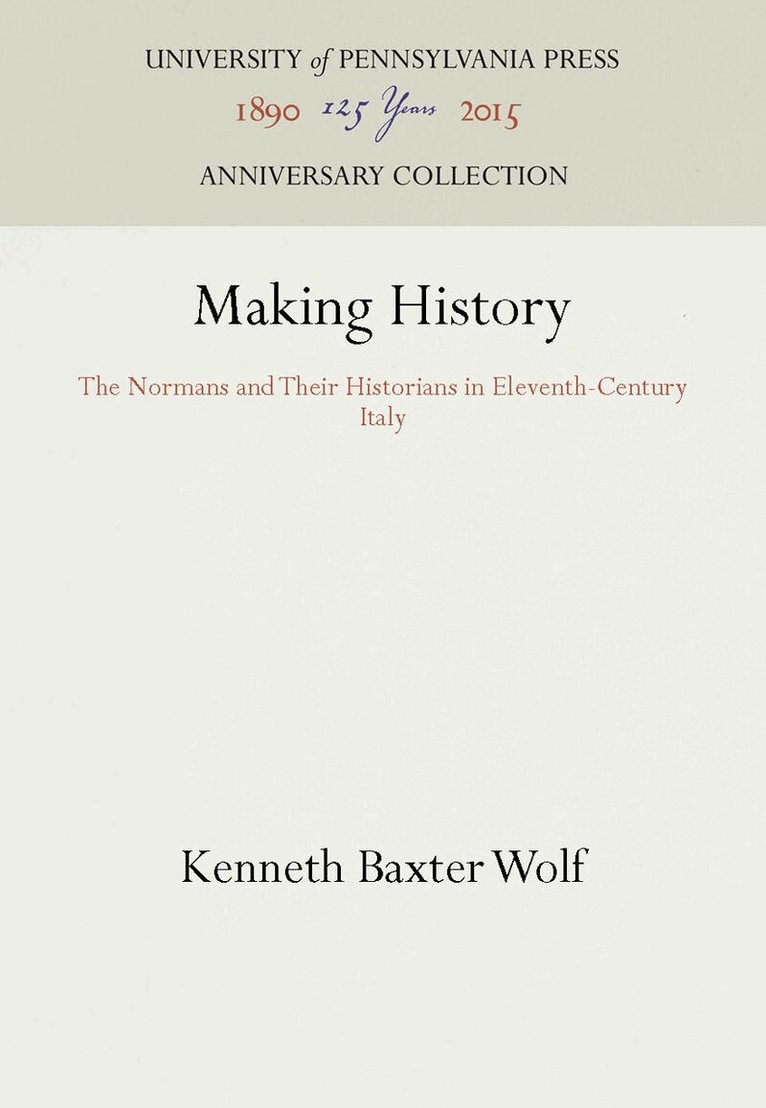
This book is a volume in the Penn Press Anniversary Collection. To mark its 125th anniversary in 2015, the University of Pennsylvania Press rereleased more than 1,100 titles from Penn Press's distinguished backlist from 1899-1999 that had fallen out of print. Spanning an entire century, the Anniversary Collection offers peer-reviewed scholarship in a wide range of subject areas.
428 kr
Skickas inom 7-10 vardagar
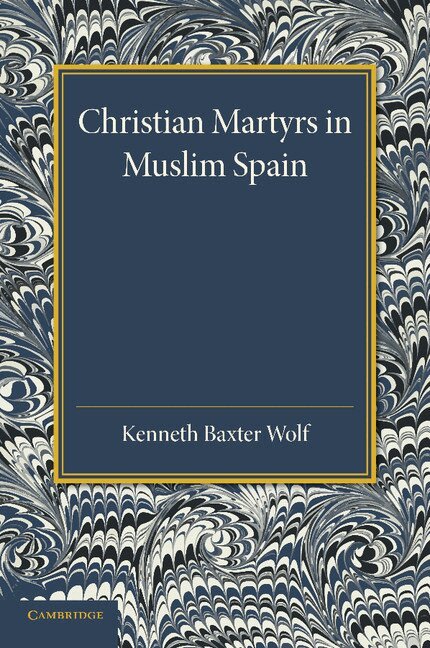
Originally published in 1988, this book offers an important insight into the so-called 'martyrdom movement' that occurred in Córdoba in the 850s. It includes a biographical treatment of the ninth-century Cordoban priest Eulogius, who witnessed and recorded the martyrdoms of over forty Christians at the hands of Muslim authorities. Eulogius' hagiographical task was complicated by the fact that many of the Christians in Córdoba at the time resented the provocative actions of the martyrs that led to their executions, claiming that their public denunciations of Islam were inappropriate given the relative tolerance of the emir. This book will be of value to scholars and others with an interest in the history of Muslim Spain, the history of Muslim-Christian interaction, and historical ideas of sanctity.
1 863 kr
Skickas
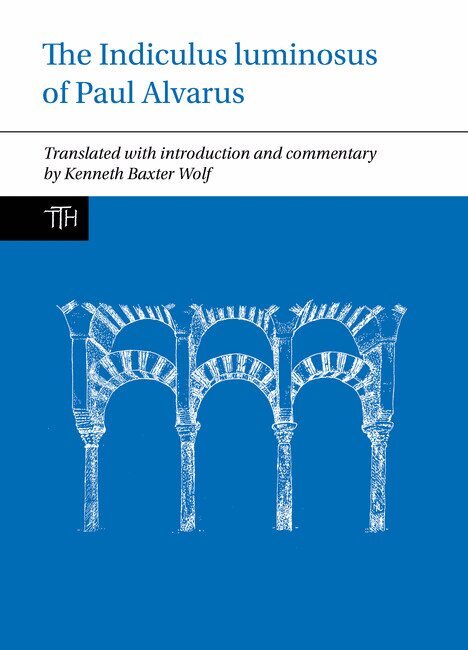
Paul Alvarus wrote the Indiculus luminosus in 854 in response to the executions of a number of Córdoban Christians, beginning with the monk Isaac in 851, who had denounced Muhammad in public. The first half of the treatise offers an extended apologia in defence of the militant actions of these spontaneous blasphemers. In the second half, Alvarus argues at length, on the basis of key passages in Daniel and Job, that Muhammad was a precursor to Antichrist. Alvarus undertook this exegetical project not only to create a context within which the actions of the Córdoban blasphemers would make sense, but to criticize the Córdoban Christian leadership at the time for being too cosy with the local Islamic rulers. While Alvarus relied on Jerome’s Commentary on Daniel and Gregory’s Moralia in Iob, he transcended them, offering a truly novel exegesis. In the process, he shed important light on the nature of Christian life under Islamic rule and demonstrated a surprisingly deep knowledge of Islam. The Indiculus luminosus is the perfect complement to the writings of his friend, Eulogius, who may in fact have encouraged Alvarus to undertake this task.
547 kr
Skickas inom 7-10 vardagar
Paul Alvarus wrote the Indiculus luminosus in 854 in response to the executions of a number of Córdoban Christians, beginning with the monk Isaac in 851, who had denounced Muhammad in public. The first half of the treatise offers an extended apologia in defence of the militant actions of these spontaneous blasphemers. In the second half, Alvarus argues at length, on the basis of key passages in Daniel and Job, that Muhammad was a precursor to Antichrist. Alvarus undertook this exegetical project not only to create a context within which the actions of the Córdoban blasphemers would make sense, but to criticize the Córdoban Christian leadership at the time for being too cosy with the local Islamic rulers. While Alvarus relied on Jerome’s Commentary on Daniel and Gregory’s Moralia in Iob, he transcended them, offering a truly novel exegesis. In the process, he shed important light on the nature of Christian life under Islamic rule and demonstrated a surprisingly deep knowledge of Islam. The Indiculus luminosus is the perfect complement to the writings of his friend, Eulogius, who may in fact have encouraged Alvarus to undertake this task.