Kenneth C Way – författare
Visar alla böcker från författaren Kenneth C Way. Handla med fri frakt och snabb leverans.
6 produkter
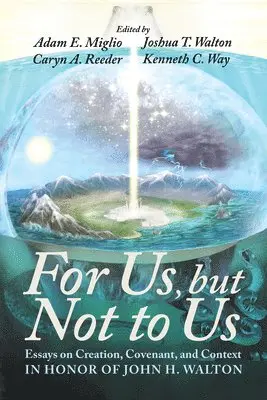
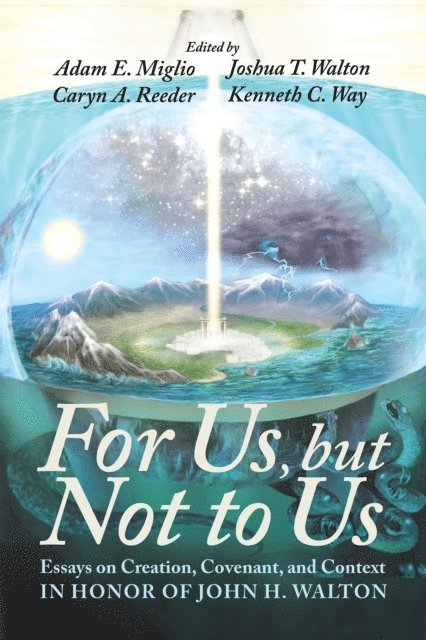
For Us, But Not to Us
Essays on Creation, Covenant, and Context in Honor of John H. Walton
Av Adam E Miglio, Caryn A Reeder m. fl.
Häftad, 2020
468 kr
Lägg i varukorg
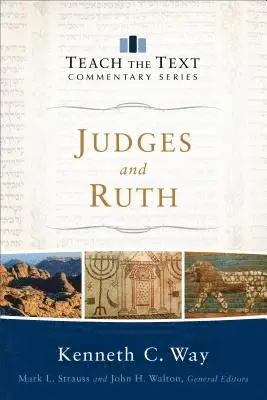
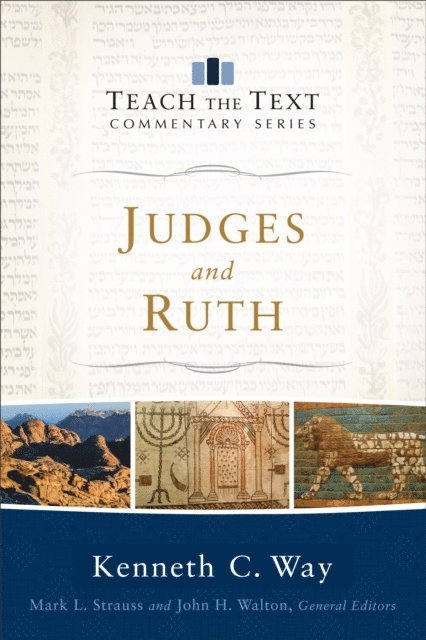
Judges and Ruth
Av Kenneth C. Way, Mark Strauss m. fl.
Häftad, 2016
279 kr
Lägg i varukorg
Focused Biblical Scholarship to Teach the TextThe Teach the Text Commentary Series utilizes the best of biblical scholarship to provide the information a pastor needs to communicate the text effectively. The carefully selected preaching units and focused commentary allow pastors to quickly grasp …
Judges and Ruth (Teach the Text Commentary Series)
E-bok, 2016
294 kr
Lägg i varukorg
Focused Biblical Scholarship to Teach the Text The Teach the Text Commentary Series utilizes the best of biblical scholarship to provide the information a pastor needs to communicate the text effectively. The carefully selected preaching units and focused commentary allow pastors to quickly grasp …
For Us, But Not to Us
Essays on Creation, Covenant, and Context in Honor of John H. Walton
Av Adam E Miglio, Caryn A Reeder m. fl.
Inbunden, 2020
685 kr
Lägg i varukorg
For Us, but Not to Us
Essays on Creation, Covenant, and Context in Honor of John H. Walton
Av Kenneth C. Way, Joshua T. Walton m. fl.
E-bok, 2020
762 kr
Lägg i varukorg
John H. Walton is a significant voice in Old Testament studies, who has influenced many scholars in this field as well as others. This volume is an acknowledgment from his students of Walton's role as a teacher, scholar, and mentor. Each essay is offered by scholars (and former students) working in …
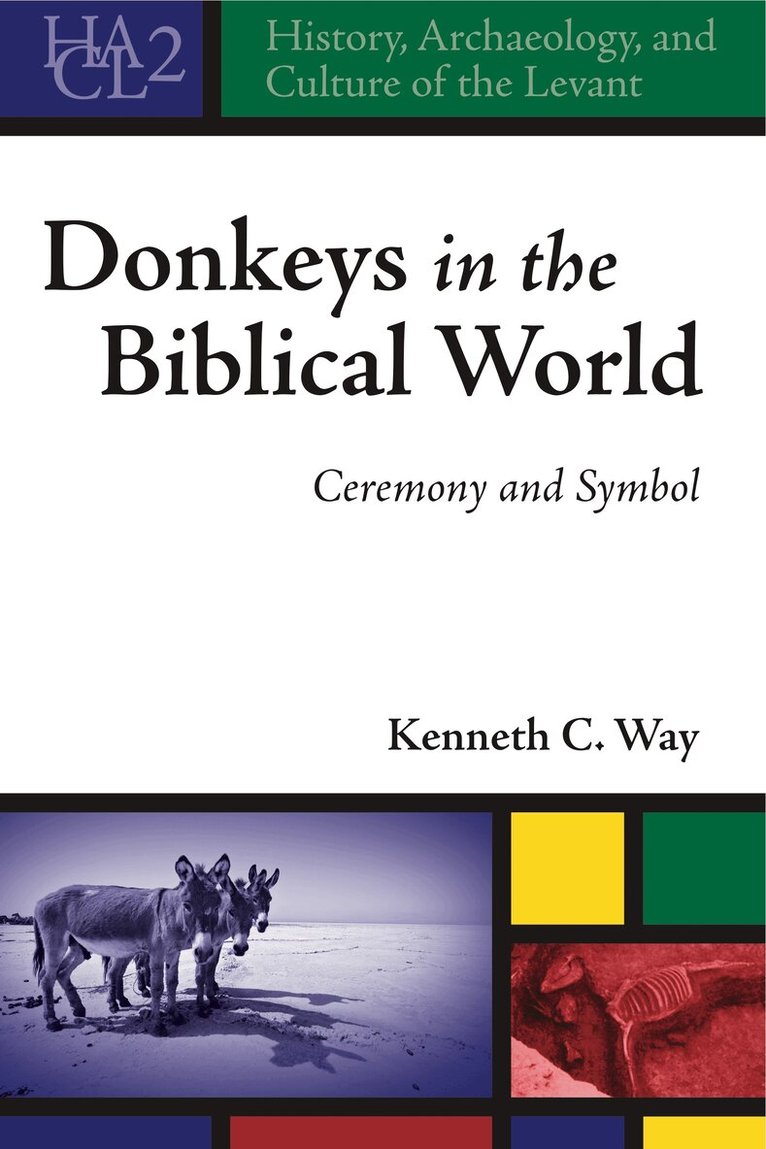
Donkeys in the Biblical World
Ceremony and Symbol
Inbunden, 2011
876 kr
Lägg i varukorg
In this volume, Kenneth Way explores the role of donkeys in the symbolism and ceremonies of the biblical world. His study stands alone in providing a comprehensive examination of donkeys in ancient Near Eastern texts, the archaeological record, and the Hebrew Bible. Way demonstrates that donkeys …