Kenneth J. Fasching-Varner Ph.D. - Böcker
Visar alla böcker från författaren Kenneth J. Fasching-Varner Ph.D.. Handla med fri frakt och snabb leverans.
2 produkter
2 produkter
591 kr
Skickas inom 10-15 vardagar
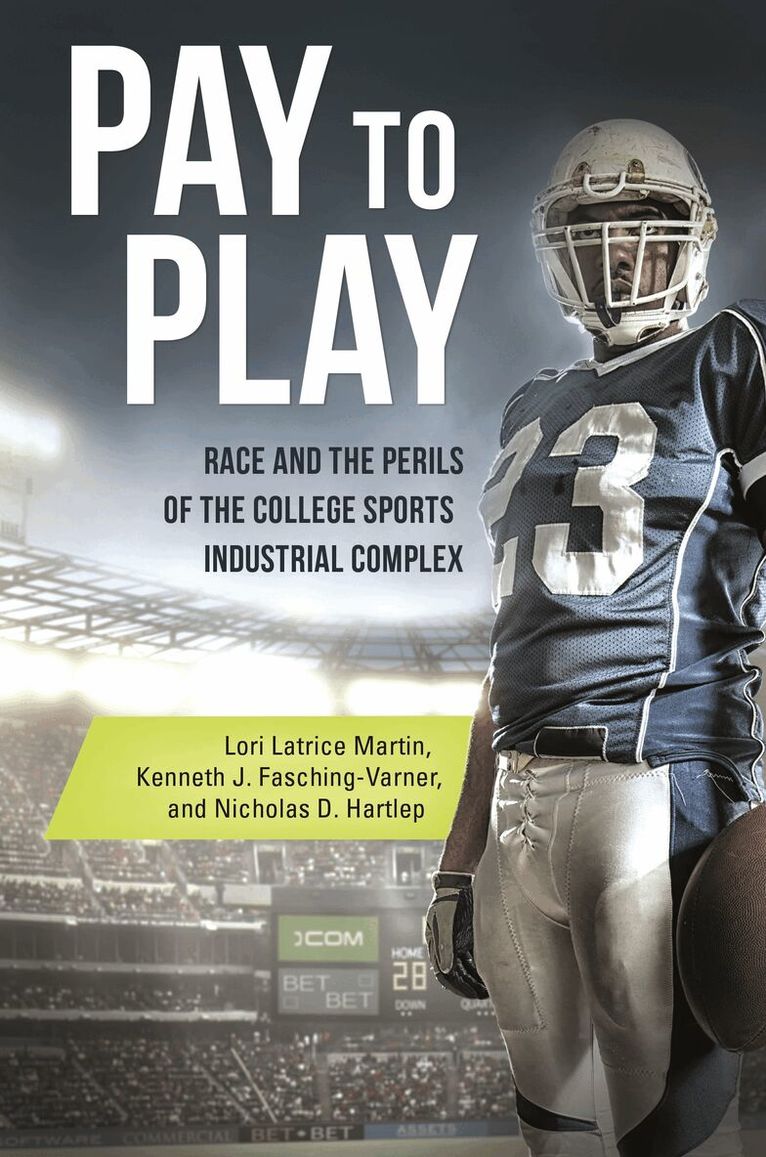
This book advances the debate about paying "student" athletes in big-time college sports by directly addressing the red-hot role of race in college sports. It concludes by suggesting a remedy to positively transform college sports.Top-tier college sports are extremely profitable. Despite the billions of dollars involved in the amateur sports industrial complex, none winds up in the hands of the athletes. The controversies surrounding whether colleges and universities should pay athletes to compete on these educational institutions' behalf is longstanding and coincides with the rise of the black athlete at predominately white colleges and universities. Pay to Play: Race and the Perils of the College Sports Industrial Complex takes a hard look at historical and contemporary efforts to control sports participation and compensation for black athletes in amateur sports in general, and in big-time college sports programs, in particular.The book begins with background on the history of amateur athletics in America, including the forced separation of black and white athletes. Subsequent sections examine subjects such as the integration of college sports and the use of black athletes to sell everything from fast food to shoes, and argue that college athletes must receive adequate compensation for their labor. The book concludes by discussing recent efforts by college athletes to unionize and control their likenesses, presenting a provocative remedy for transforming big-time college sport as we know it.
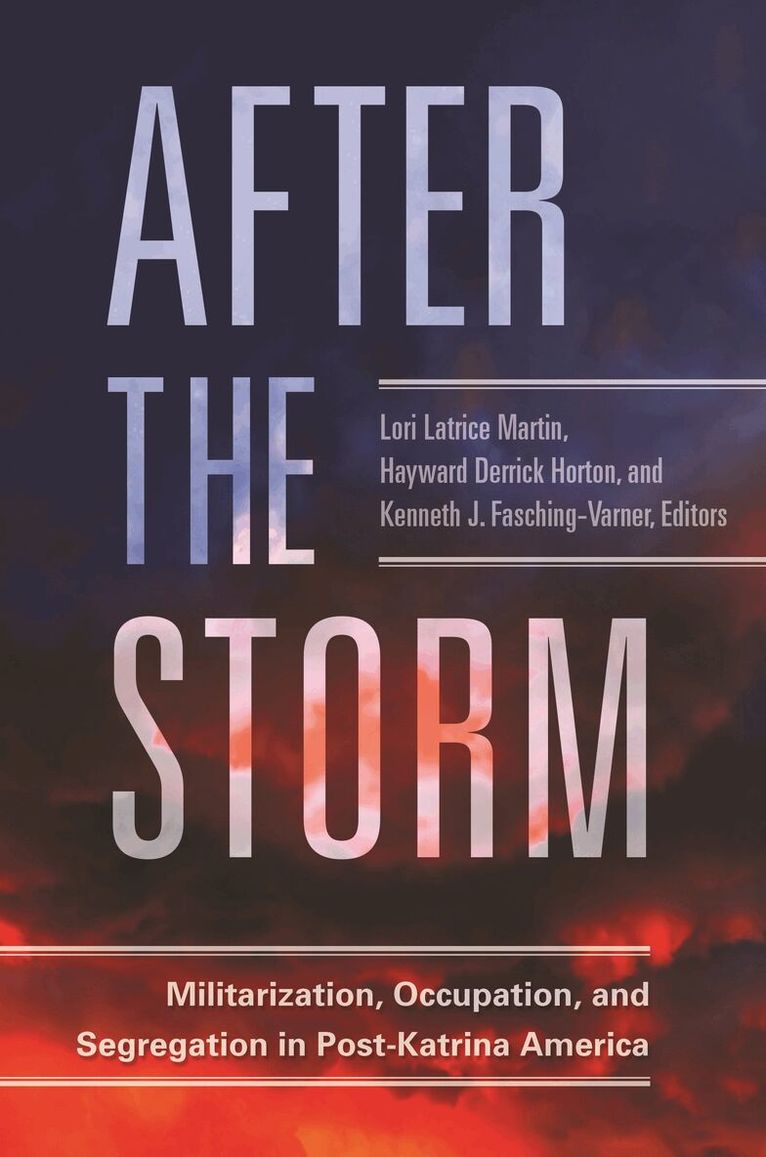
After the Storm
Militarization, Occupation, and Segregation in Post-Katrina America
Inbunden, Engelska, 2016
608 kr
Skickas inom 10-15 vardagar
This book examines the state of race relations in America 10 years after one of the worst natural disasters in American history, Hurricane Katrina, and looks at the socioeconomic consequences of decades of public and private practices brought to light by the storm in cities throughout the Gulf Coast as well as in America more broadly.More than a decade ago, Hurricane Katrina served to expose a well-engineered system of oppression, one which continues to privilege some groups and disadvantage others. In the wake of the natural disaster that hit New Orleans, it became clear that institutions such as residential segregation, mass incarceration and unemployment, police brutality, political disenfranchisement, racial profiling, gentrification, community occupation, discrimination, and a prison-to-school pipeline are expressly intended to work against people of color and individuals from economically disadvantaged backgrounds. Unfortunately, very little has improved in the lives of people living in majority-minority communities since Katrina.After the Storm uses Hurricane Katrina and the aftermath of the natural disaster as a point of departure for understanding enduring racial divides in asset ownership, academic achievement, educational attainment, and mass incarceration in New Orleans and beyond. The book explores the many specific aspects of the widespread problem and considers how to move toward achieving a state where all can thrive. Readers will better appreciate the key roles of race, inequality, education, occupation, and militarization in understanding the failures in the responses to this disaster and grasp how institutionalized inequity continues to plague our nation.