Kenneth J. Winkle - Böcker
Visar alla böcker från författaren Kenneth J. Winkle. Handla med fri frakt och snabb leverans.
3 produkter
3 produkter
162 kr
Tillfälligt slut
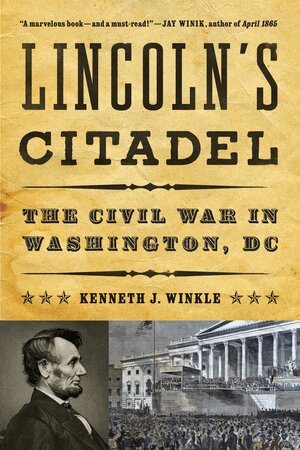
In the late 1840s, Representative Abraham Lincoln resided at Mrs. Sprigg’s boardinghouse on Capitol Hill. Known as Abolition House, Mrs. Sprigg’s hosted lively dinner-table debates of antislavery politics by the congressional boarders. The unusually rapid turnover in the enslaved staff suggested that there were frequent escapes north to freedom from Abolition House, likely a cog in the underground railroad. These early years in Washington proved formative for Lincoln.In 1861, now in the White House, Lincoln could gaze out his office window and see the Confederate flag flying across the Potomac. Washington, DC, sat on the front lines of the Civil War. Vulnerable and insecure, the capital was rife with Confederate sympathizers. On the crossroads of slavery and freedom, the city was a refuge for thousands of contraband and fugitive slaves. The Lincoln administration took strict measures to tighten security and established camps to provide food, shelter, and medical care for contrabands. In 1863, a Freedman’s Village rose on the grounds of the Lee estate, where the Confederate flag once flew.The president and Mrs. Lincoln personally comforted the wounded troops who flooded wartime Washington. In 1862, Lincoln spent July 4 riding in a train of ambulances carrying casualties from the Peninsula Campaign to Washington hospitals. He saluted the “One-Legged Brigade” assembled outside the White House as “orators,” their wounds eloquent expressions of sacrifice and dedication. The administration built more than one hundred military hospitals to care for Union casualties.These are among the unforgettable scenes in Lincoln’s Citadel, a fresh, absorbing narrative history of Lincoln’s leadership in Civil War Washington. Here is the vivid story of how the Lincoln administration met the immense challenges the war posed to the city, transforming a vulnerable capital into a bastion for the Union.
428 kr
Skickas inom 7-10 vardagar
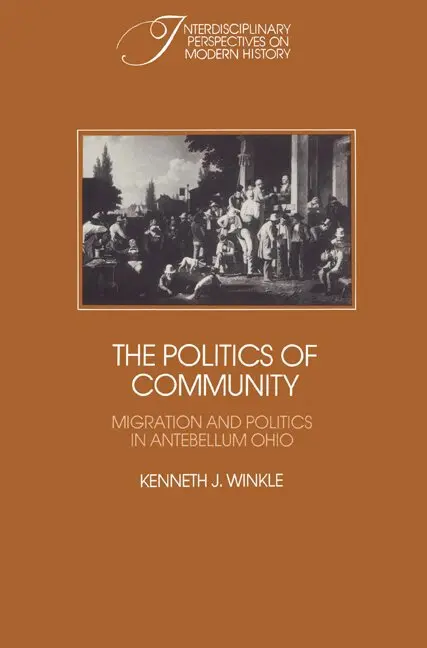
Before the Civil War, millions of migrants streamed westward into and through the Midwest, challenging the stability of the fledgling communities throughout that region. The Politics of Community examines the impact of westward migration on political development and behaviour in Ohio, the most populous midwestern state during the nineteenth century. After 1815, the political participation of wave after wave of migrants posed continual challenges to the stability of the state's political system and especially to the conduct of politics within the communities. As a result, Ohio's politicians, jurists, and voters reassessed many of their basic political assumptions and altered their political institutions and rules to take account of the substantial number of transient voters. Professor Winkle explores the influence of migration on rules of suffrage, conduct of elections, patterns of voting, recruitment of political leaders, and local party organizations, as they all emerged before the Civil War.
344 kr
Skickas inom 5-8 vardagar
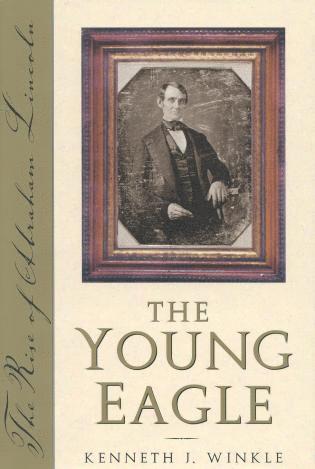
Drawing on the latest interpretive and methodological advances in historical scholarship, The Young Eagle: The Rise of Abraham Lincoln reexamines the young adult life of America's sixteenth president.