Kenneth W Estes – författare
Visar alla böcker från författaren Kenneth W Estes. Handla med fri frakt och snabb leverans.
19 produkter
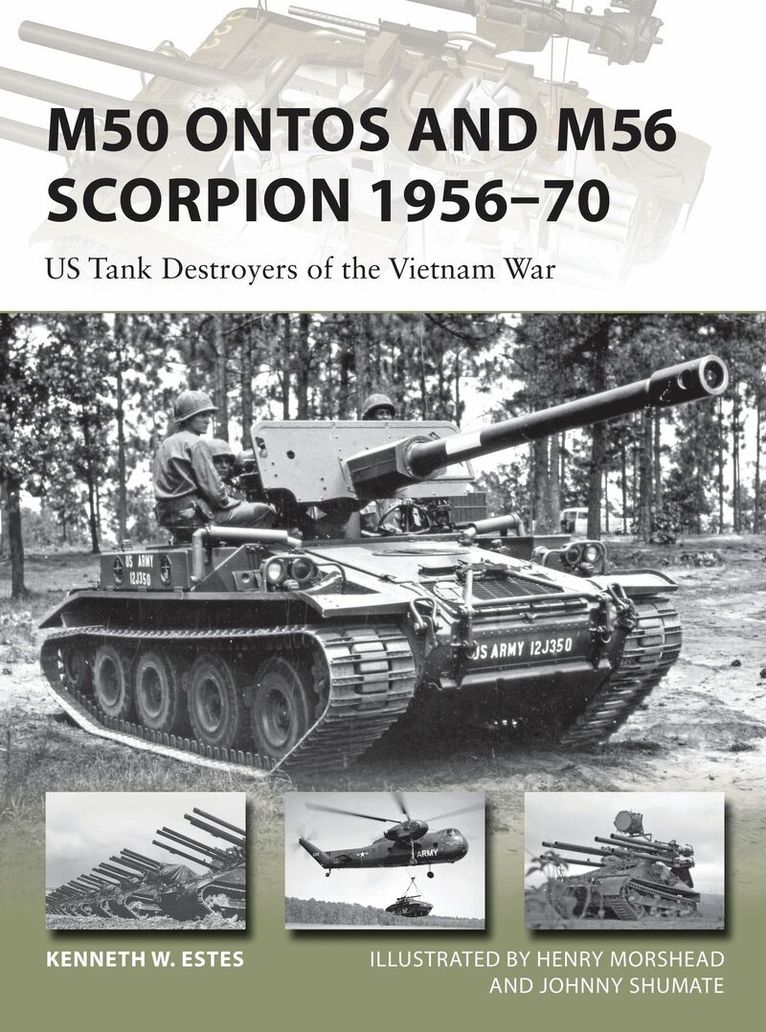
M50 Ontos and M56 Scorpion 1956–70
US Tank Destroyers of the Vietnam War
Häftad, 2016
162 kr
Lägg i varukorg
Designed in the 1950s, the US Marines' M50 Ontos and the US Army's M56 Scorpion were both intended to be fast, light, air-droppable tank-killers for the Cold War battlefield – an answer to the cumbersome and ineffective World War II-vintage tanks that had taken to the battlefield during the Korean …
M50 Ontos and M56 Scorpion 1956–70
Us Tank Destroyers of the Vietnam War
E-bok, 2016
182 kr
Lägg i varukorg
Designed in the 1950s, the US Marines'' M50 Ontos and the US Army''s M56 Scorpion were both intended to be fast, light, air-droppable tank-killers for the Cold War battlefield – an answer to the cumbersome and ineffective World War II-vintage tanks that had taken to the battlefield during the …
M50 Ontos and M56 Scorpion 1956–70
Us Tank Destroyers of the Vietnam War
E-bok, 2016
186 kr
Lägg i varukorg
Designed in the 1950s, the US Marines'' M50 Ontos and the US Army''s M56 Scorpion were both intended to be fast, light, air-droppable tank-killers for the Cold War battlefield – an answer to the cumbersome and ineffective World War II-vintage tanks that had taken to the battlefield during the …
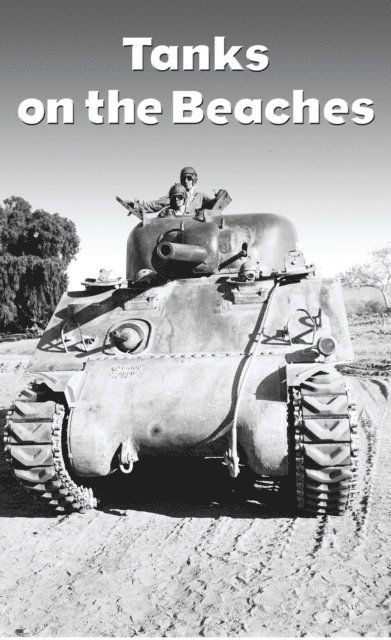
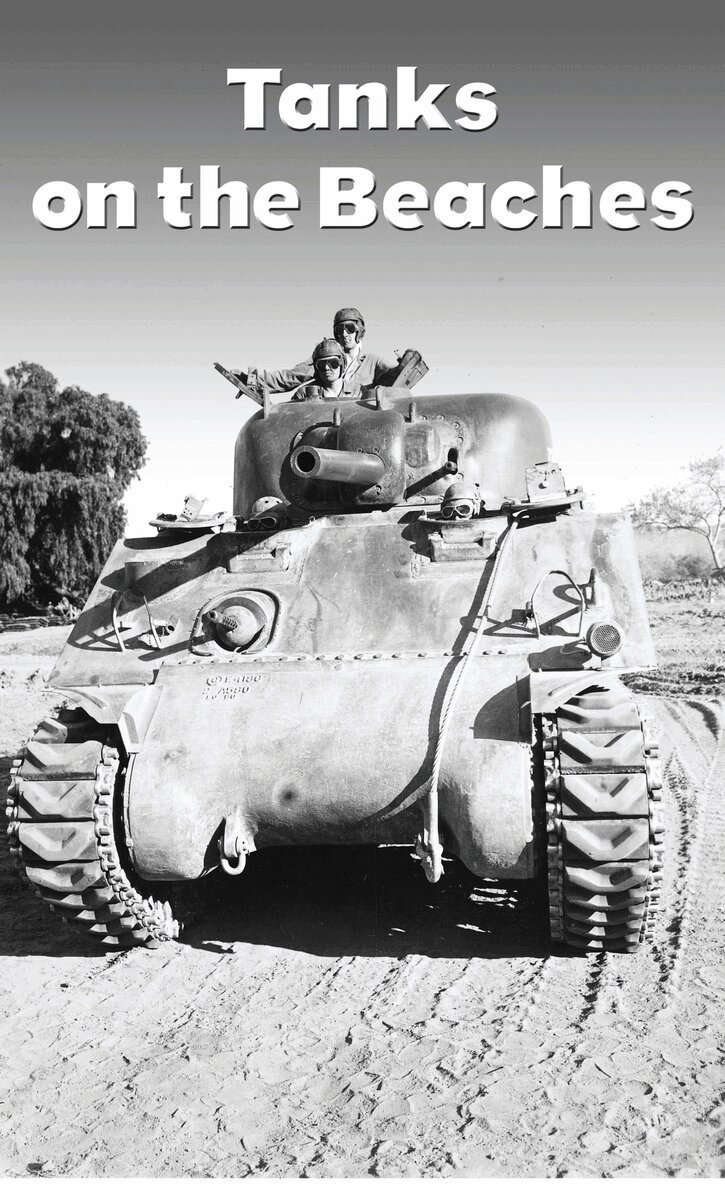
Tanks on the Beaches
A Marine Tanker in the Pacific War
Av Kenneth W. Estes, Robert M. Neiman
E-bok, 2003
309 kr
Lägg i varukorg
Robert Neiman, perhaps the most experienced combat commander of the U.S. Marine Corps’ tank arm, was one of the rare USMC officers to serve in both Iwo Jima and Okinawa battles. In Tanks on the Beaches, Neiman and his coauthor, Kenneth Estes, relay vivid accounts of fighting in the Pacific War, as …
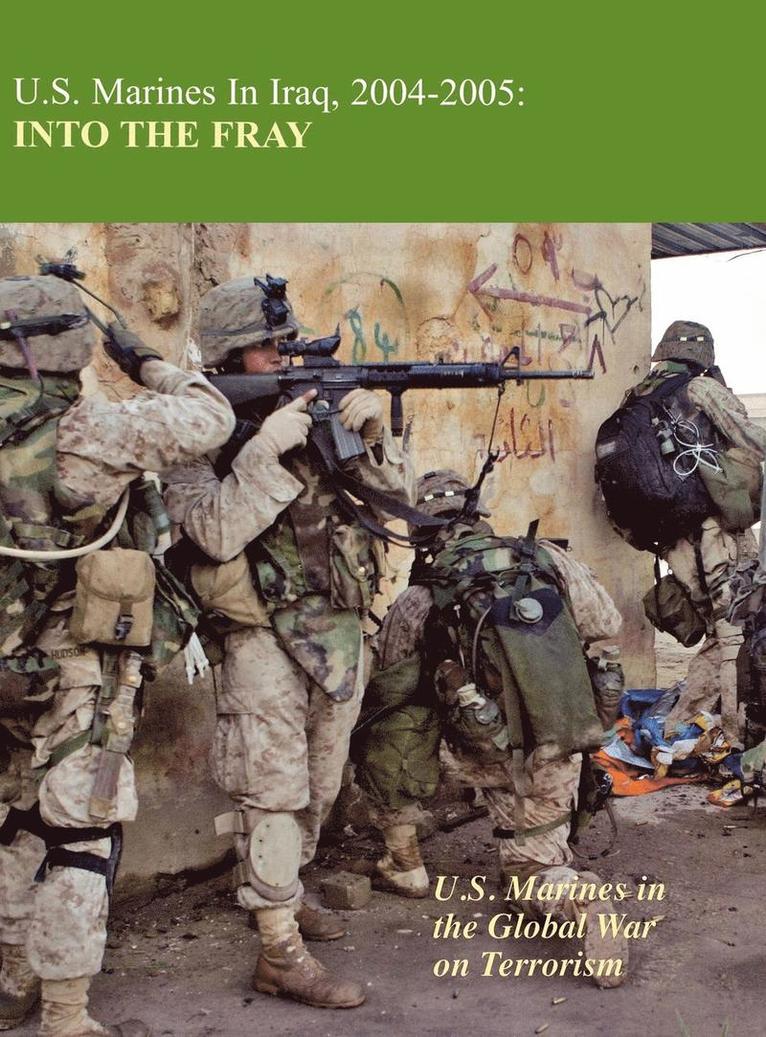
U.S. Marines in Iraq 2004-2005
Into the Fray
Av Kenneth W. Estes, US Marine Corps History Division
Inbunden, 2011
468 kr
Lägg i varukorg
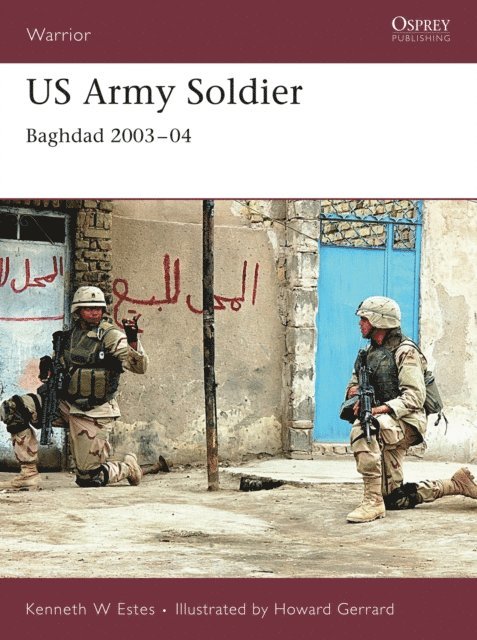
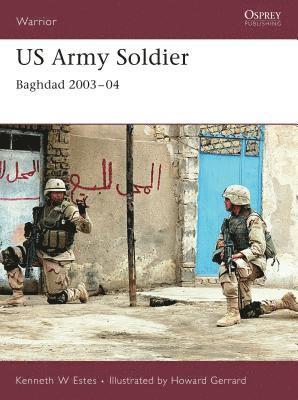
US Army Soldier
Baghdad 2003-04
E-bok, 2012
214 kr
Lägg i varukorg
In April 2003, after brief combat, Baghdad fell under US control and the Coalition Provisional Authority was formed to maintain order until a new Iraqi government became a reality. This book details the stabilization operations and the experiences of US Task Force 1st Armored Division (TF 1AD), …
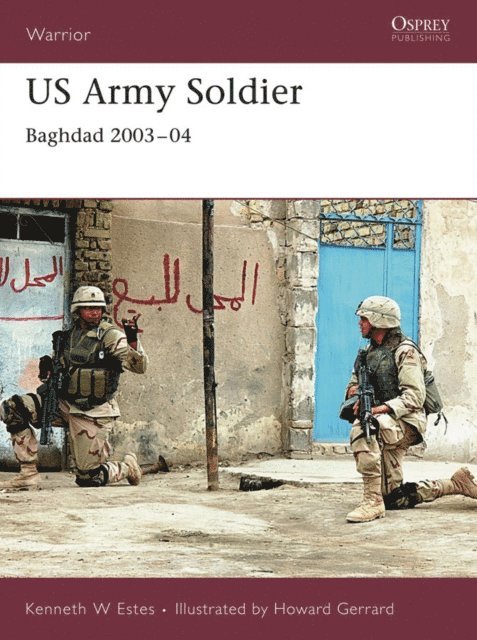
US Army Soldier
Baghdad 2003-04
E-bok, 2012
214 kr
Lägg i varukorg
In April 2003, after brief combat, Baghdad fell under US control and the Coalition Provisional Authority was formed to maintain order until a new Iraqi government became a reality. This book details the stabilization operations and the experiences of US Task Force 1st Armored Division (TF 1AD), …
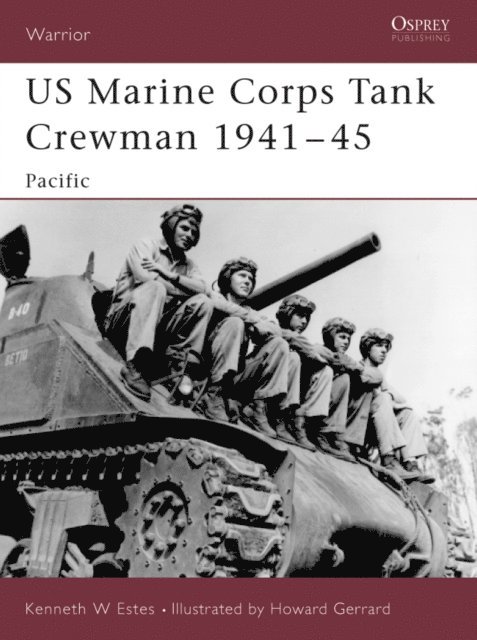
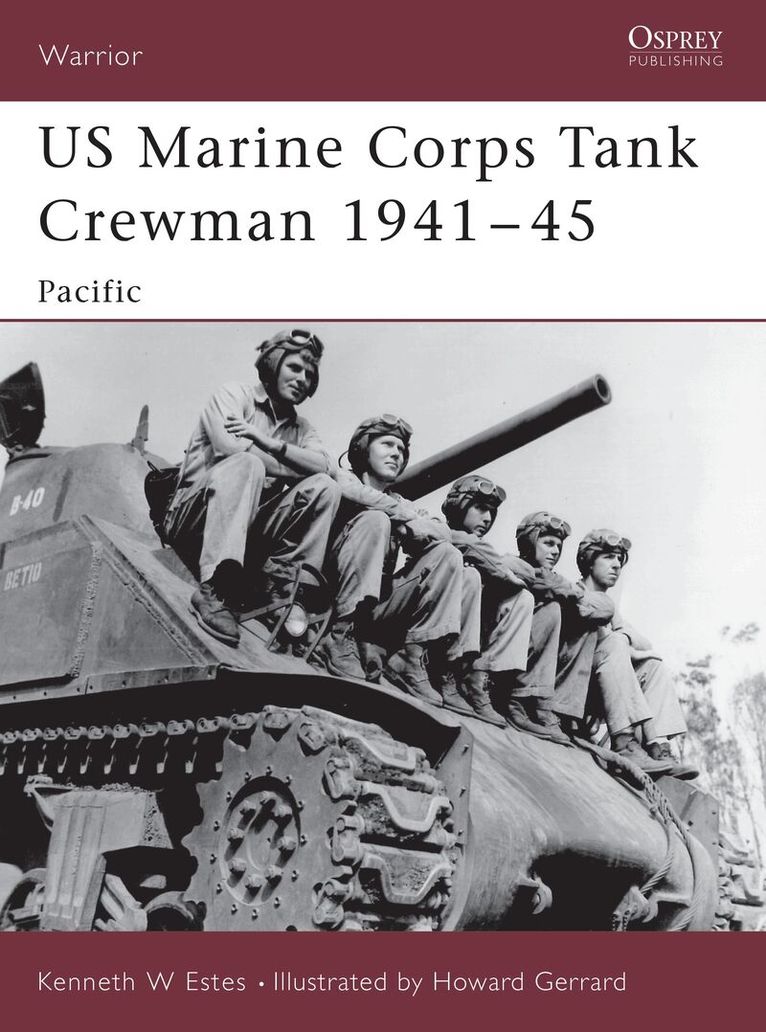
US Marine Corps Tank Crewman 1941–45
Pacific
E-bok, 2012
210 kr
Lägg i varukorg
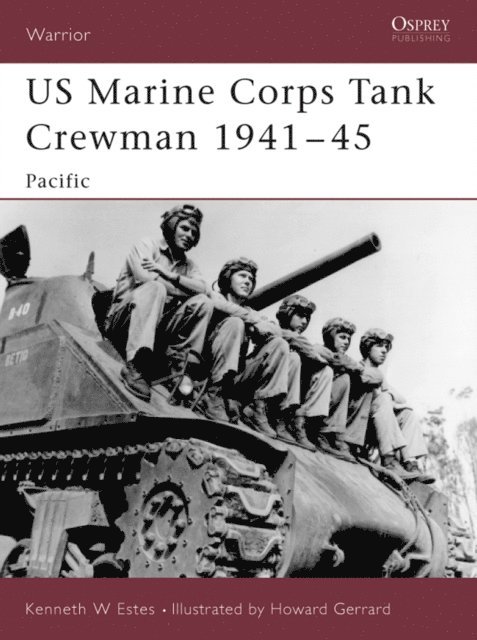
The ferocity of the Pacific war almost defied the available military technology. In this environment the evolving use of tanks by the US Marine Corps played a significant role; at the end of the Battle of Okinawa, Major General Lemuel Shepherd wrote in his report that ''if any one supporting arm …
US Marine Corps Tank Crewman 1941–45
Pacific
E-bok, 2012
214 kr
Lägg i varukorg
The ferocity of the Pacific war almost defied the available military technology. In this environment the evolving use of tanks by the US Marine Corps played a significant role; at the end of the Battle of Okinawa, Major General Lemuel Shepherd wrote in his report that ''if any one supporting arm …
Super-heavy Tanks of World War II
Häftad, 2014
162 kr
Lägg i varukorg
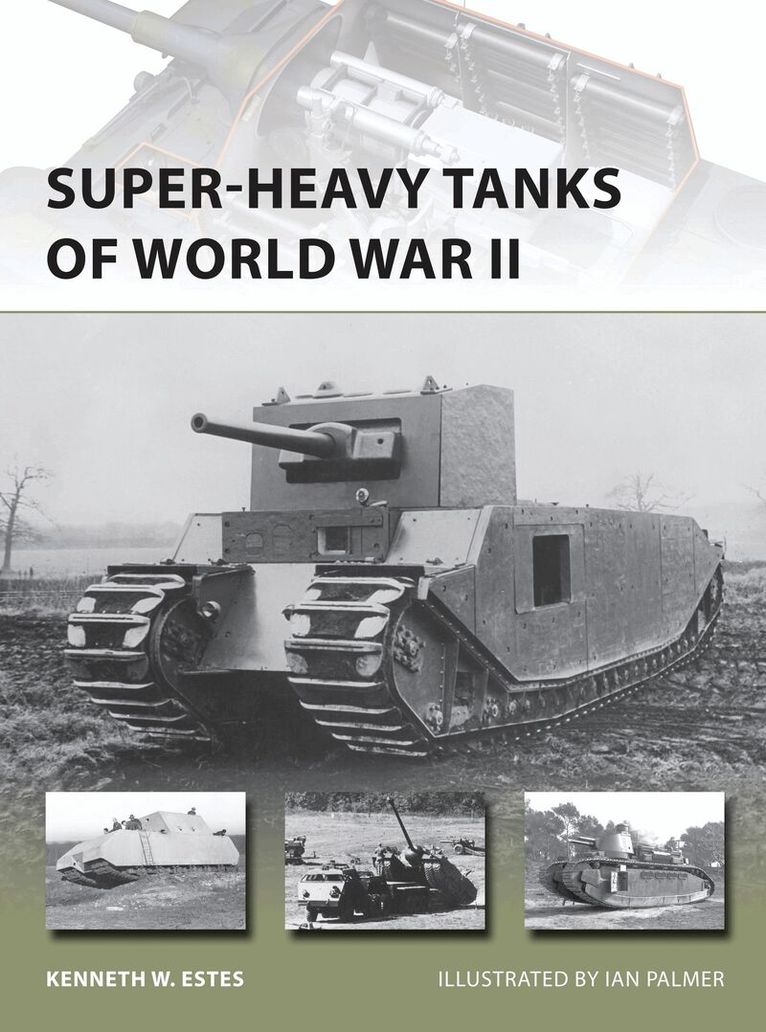
The super-heavy tanks of World War II are heirs to the siege machine tradition – a means of breaking the deadlock of ground combat.It is not surprising that the breakthrough tank projects of the period prior to World War II took place in the armies that suffered the most casualties of the Great War …
Super-heavy Tanks of World War II
E-bok, 2014
186 kr
Lägg i varukorg
The super-heavy tanks of World War II are heirs to the siege machine tradition – a means of breaking the deadlock of ground combat. It is not surprising that the breakthrough tank projects of the period prior to World War II took place in the armies that suffered the most casualties of the Great …
Super-heavy Tanks of World War II
E-bok, 2014
186 kr
Lägg i varukorg
The super-heavy tanks of World War II are heirs to the siege machine tradition – a means of breaking the deadlock of ground combat. It is not surprising that the breakthrough tank projects of the period prior to World War II took place in the armies that suffered the most casualties of the Great …
US Marine Corps Tank Crewman 1941–45
Pacific
Häftad, 2005
186 kr
Lägg i varukorg
The ferocity of the Pacific war almost defied the available military technology.In this environment the evolving use of tanks by the US Marine Corps played a significant role; at the end of the Battle of Okinawa, Major General Lemuel Shepherd wrote in his report that 'if any one supporting arm can …
US Army Soldier
Baghdad 2003-04
Häftad, 2007
186 kr
Lägg i varukorg
In April 2003, after brief combat, Baghdad fell under US control and the Coalition Provisional Authority was formed to maintain order until a new Iraqi government became a reality.This book details the stabilization operations and the experiences of US Task Force 1st Armored Division (TF 1AD), …
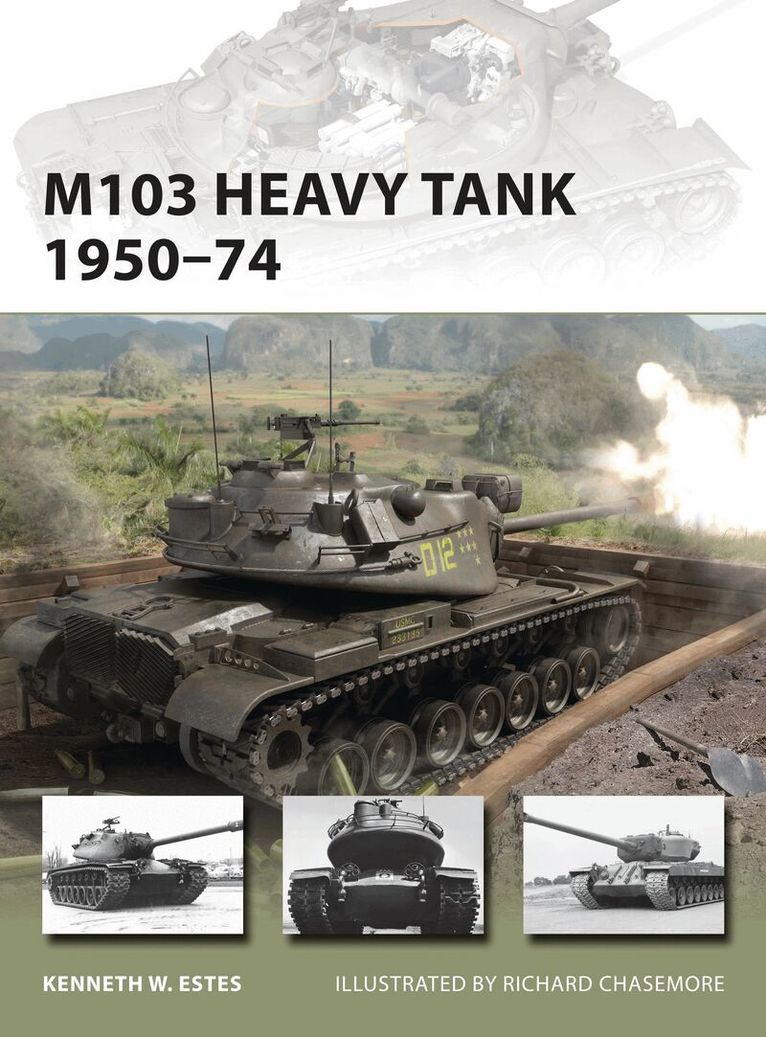
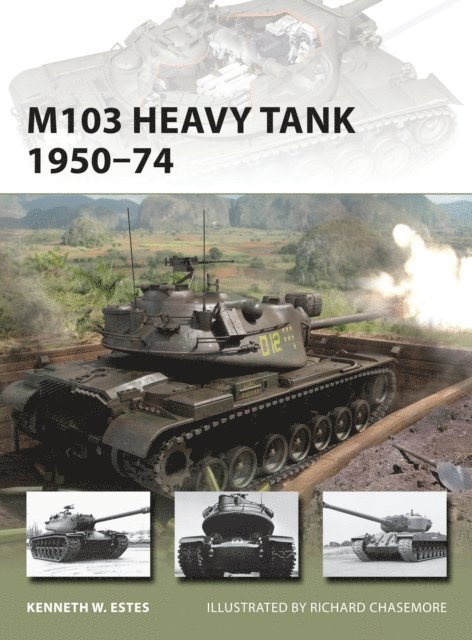
M103 Heavy Tank 1950–74
Häftad, 2013
157 kr
Lägg i varukorg
The T43 design represented the pinnacle of U.S. Army tank engineering of the late 1940s.The heavy tank proved fairly popular with its crews, who above all respected the powerful armament it carried. The outbreak of war in Korea brought a rush order in December 1950 which led to a complete …
M103 Heavy Tank 1950–74
E-bok, 2013
180 kr
Lägg i varukorg
The T43 design represented the pinnacle of U.S. Army tank engineering of the late 1940s. The heavy tank proved fairly popular with its crews, who above all respected the powerful armament it carried. The outbreak of war in Korea brought a rush order in December 1950 which led to a complete …
M103 Heavy Tank 1950–74
E-bok, 2013
180 kr
Lägg i varukorg
The T43 design represented the pinnacle of U.S. Army tank engineering of the late 1940s. The heavy tank proved fairly popular with its crews, who above all respected the powerful armament it carried. The outbreak of war in Korea brought a rush order in December 1950 which led to a complete …
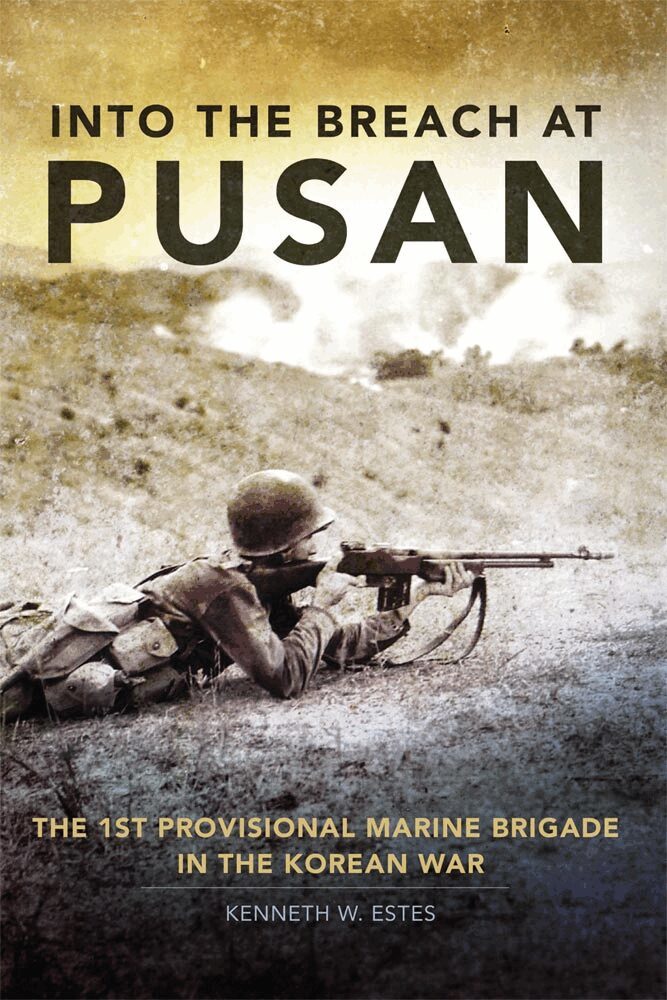
Into the Breach at Pusan
The 1st Provisional Marine Brigade in the Korean War
Inbunden, 2012
354 kr
Tillfälligt slut
In the opening campaign of the Korean War, the First Provisional Marine Brigade participated in a massive effort by United States and South Korean forces in 1950 to turn back the North Korean invasion of the Republic of Korea. The brigade's actions loom large in marine lore. According to most …
Tanks on the Beaches
A Marine Tanker in the Pacific War
Av Robert M. Neiman, Kenneth W. Estes
Inbunden, 2003
380 kr
Tillfälligt slut
Robert M. Neiman, perhaps the most experienced combat commander of the U.S. Marine Corps' tank arm, was one of the rare USMC officers to serve in both Iwo Jima and Okinawa battles. In Tanks on the Beaches, Neiman and his coauthor, Kenneth W. Estes, relay vivid accounts of fighting in the Pacific …