Keren Rosa Hammerschlag – författare
Visar alla böcker från författaren Keren Rosa Hammerschlag. Handla med fri frakt och snabb leverans.
3 produkter
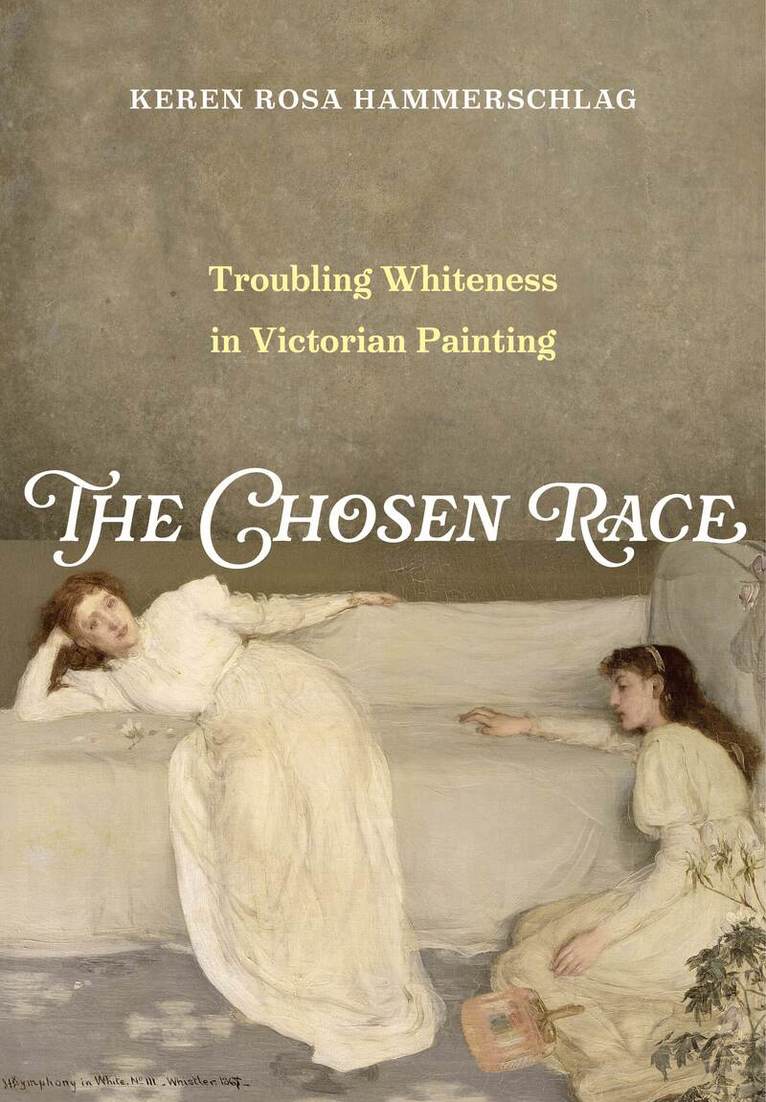
Chosen Race
Troubling Whiteness in Victorian Painting
Inbunden, 2026
536 kr
Lägg i varukorg
From the Realist canvases of the Pre-Raphaelites to the Aesthetic experiments of James McNeill Whistler, The Chosen Race confronts the complex negotiations of whiteness that played out across British art of the nineteenth century. Examining the representation of racial supremacy, difference, and …
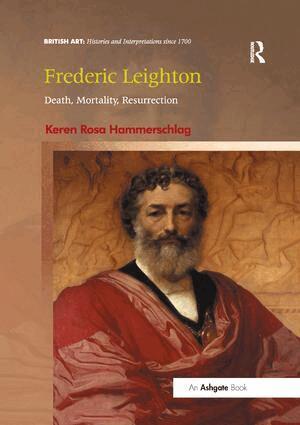
Frederic Leighton
Death, Mortality, Resurrection
Häftad, 2018
849 kr
Lägg i varukorg
Keren Rosa Hammerschlag's Frederic Leighton: Death, Mortality, Resurrection offers a timely reexamination of the art of the late Victorian period's most institutionally powerful artist, Frederic Lord Leighton (1830-1896). As President of the Royal Academy from 1878 to 1896, Leighton was committed …
Frederic Leighton
Death, Mortality, Resurrection
Inbunden, 2015
2594 kr
Lägg i varukorg
Keren Rosa Hammerschlag's Frederic Leighton: Death, Mortality, Resurrection offers a timely reexamination of the art of the late Victorian period's most institutionally powerful artist, Frederic Lord Leighton (1830-1896). As President of the Royal Academy from 1878 to 1896, Leighton was committed …