Kevin M Levin - Böcker
Visar alla böcker från författaren Kevin M Levin. Handla med fri frakt och snabb leverans.
7 produkter
7 produkter
798 kr
Skickas inom 3-6 vardagar
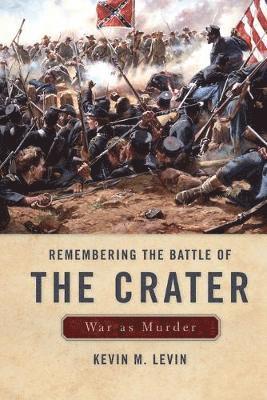
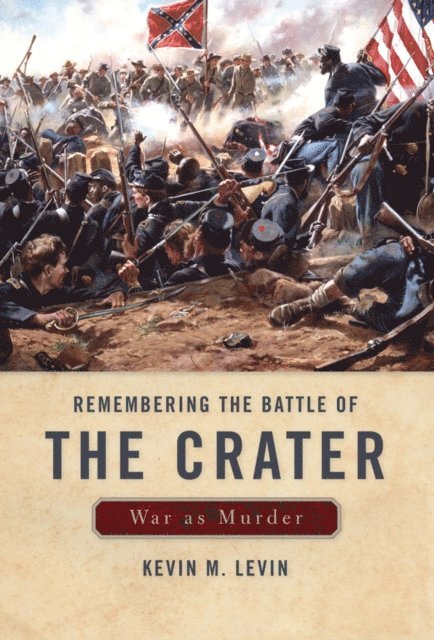
The battle of the Crater is known as one of the Civil War's bloodiest struggles -- a Union loss with combined casualties of 5,000, many of whom were members of the United States Colored Troops (USCT) under Union Brigadier General Edward Ferrero. The battle was a violent clash of forces as Confederate soldiers fought for the first time against African American soldiers. After the Union lost the battle, these black soldiers were captured and subject both to extensive abuse and the threat of being returned to slavery in the South. Yet, despite their heroism and sacrifice, these men are often overlooked in public memory of the war. In Remembering The Battle of the Crater: War is Murder, Kevin M. Levin addresses the shared recollection of a battle that epitomizes the way Americans have chosen to remember, or in many cases forget, the presence of the USCT. The volume analyzes how the racial component of the war's history was portrayed at various points during the 140 years following its conclusion, illuminating the social changes and challenges experienced by the nation as a whole. Remembering The Battle of the Crater gives the members of the USCT a newfound voice in history.
440 kr
Skickas inom 3-6 vardagar
The battle of the Crater is known as one of the Civil War's bloodiest struggles -- a Union loss with combined casualties of 5,000, many of whom were members of the United States Colored Troops (USCT) under Union Brigadier General Edward Ferrero. The battle was a violent clash of forces as Confederate soldiers fought for the first time against African American soldiers. After the Union lost the battle, these black soldiers were captured and subject both to extensive abuse and the threat of being returned to slavery in the South. Yet, despite their heroism and sacrifice, these men are often overlooked in public memory of the war. In Remembering The Battle of the Crater: War is Murder, Kevin M. Levin addresses the shared recollection of a battle that epitomizes the way Americans have chosen to remember, or in many cases forget, the presence of the USCT. The volume analyzes how the racial component of the war's history was portrayed at various points during the 140 years following its conclusion, illuminating the social changes and challenges experienced by the nation as a whole. Remembering The Battle of the Crater gives the members of the USCT a newfound voice in history.
970 kr
Skickas inom 10-15 vardagar
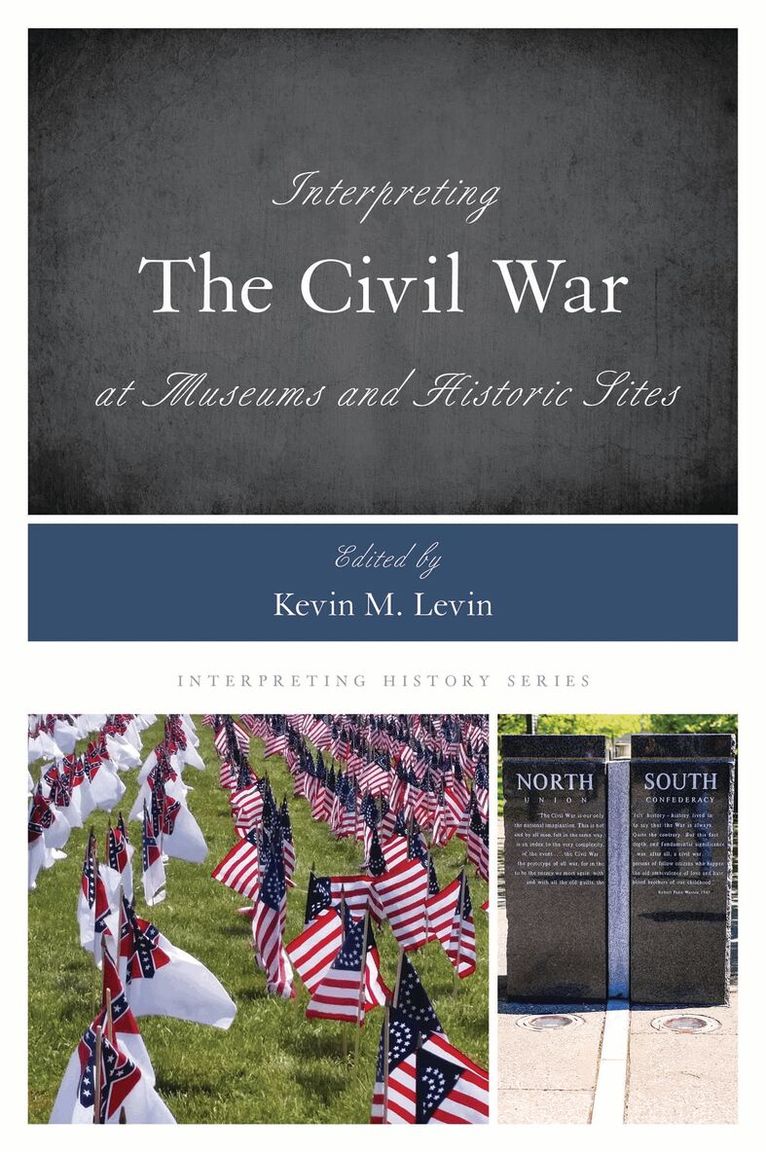
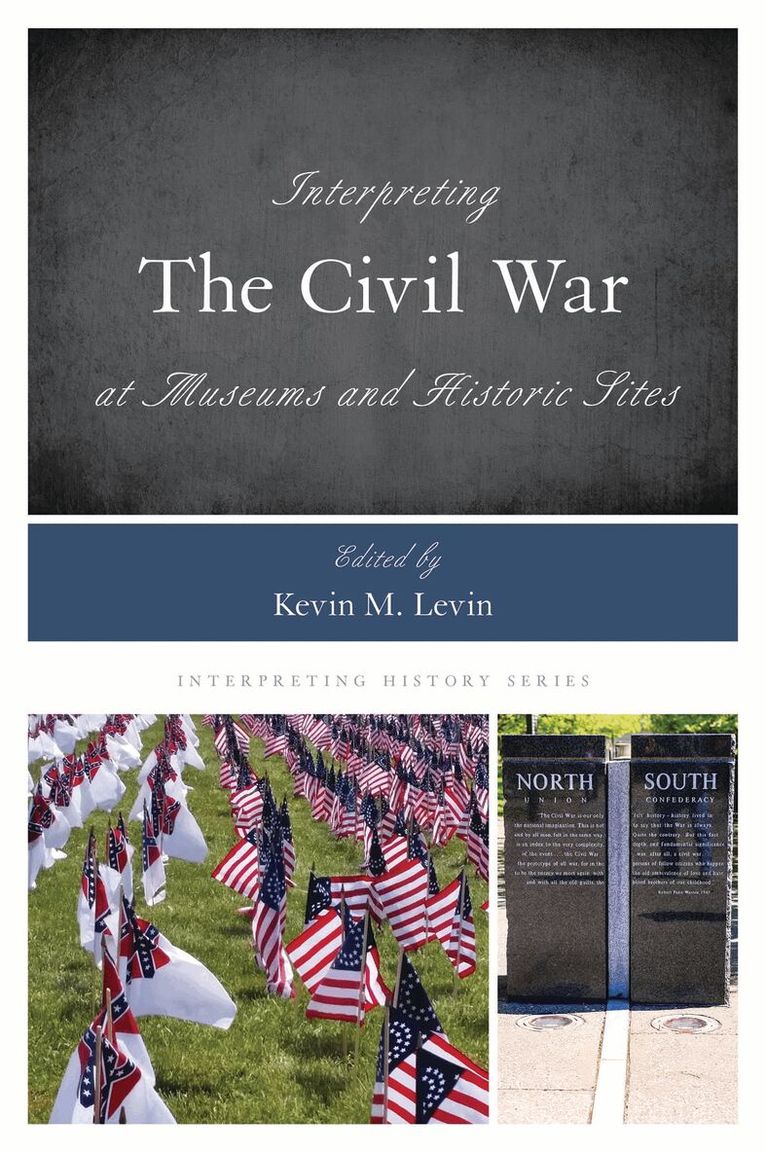
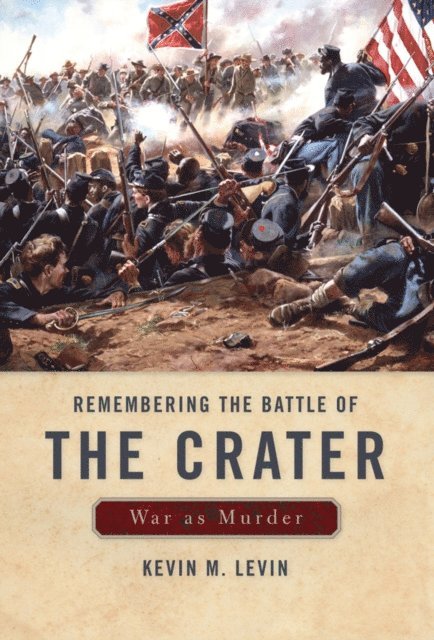
Public historians working at museums and historic sites focused on the Civil War era are tasked with interpreting a period of history that remains deeply controversial. Many visitors have strong connections to historic sites such as battlefields and artifacts as well as harbor strong convictions about the cause of the war, its consequences and the importance of slavery. Interpreting the Civil War at Museums and Historic Sites surveys how museums and historic sites approached these challenges and others during the Civil War sesquicentennial (2011-2015). In doing so, this book offers museums and history professionals strategies to help shape conversations with local communities, develop exhibits and train interpreters. With the ongoing controversy surrounding the display of the Confederate battle flag and monuments, there has never been a more opportune moment to look critically at how the Civil War has been interpreted and why it continues to matter to so many Americans.Each chapter is written by a professional public historian currently working at a museum or historic site. They cover topics such as:Building relations with the public How specific museums interpreted the war and overcame challenges of location, audience, fundingHow the National Park Service and Georgia Historical Society approached commemorating important anniversaries
447 kr
Skickas inom 10-15 vardagar
Public historians working at museums and historic sites focused on the Civil War era are tasked with interpreting a period of history that remains deeply controversial. Many visitors have strong connections to historic sites such as battlefields and artifacts as well as harbor strong convictions about the cause of the war, its consequences and the importance of slavery. Interpreting the Civil War at Museums and Historic Sites surveys how museums and historic sites approached these challenges and others during the Civil War sesquicentennial (2011-2015). In doing so, this book offers museums and history professionals strategies to help shape conversations with local communities, develop exhibits and train interpreters. With the ongoing controversy surrounding the display of the Confederate battle flag and monuments, there has never been a more opportune moment to look critically at how the Civil War has been interpreted and why it continues to matter to so many Americans.Each chapter is written by a professional public historian currently working at a museum or historic site. They cover topics such as:Building relations with the public How specific museums interpreted the war and overcame challenges of location, audience, fundingHow the National Park Service and Georgia Historical Society approached commemorating important anniversaries
360 kr
Skickas inom 7-10 vardagar
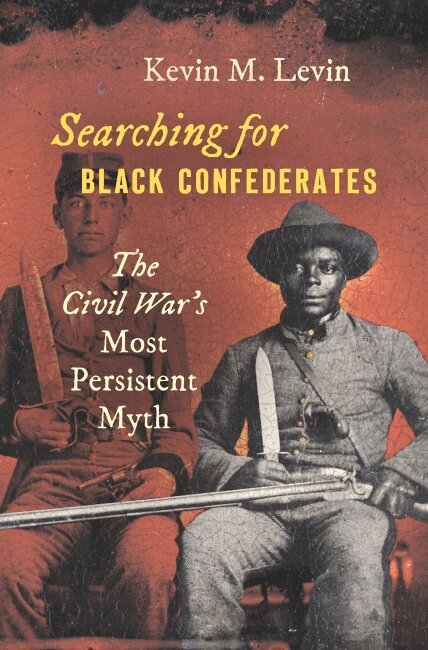
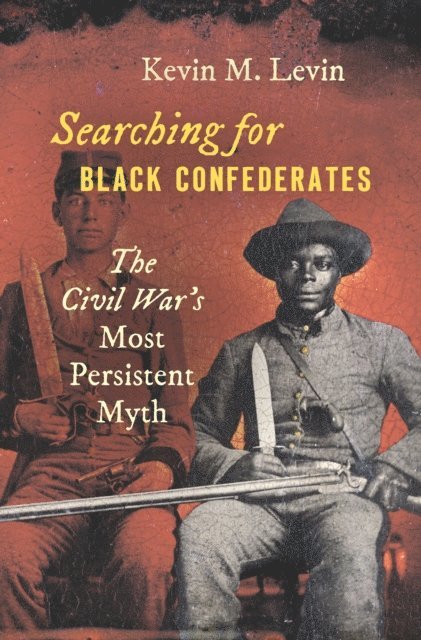
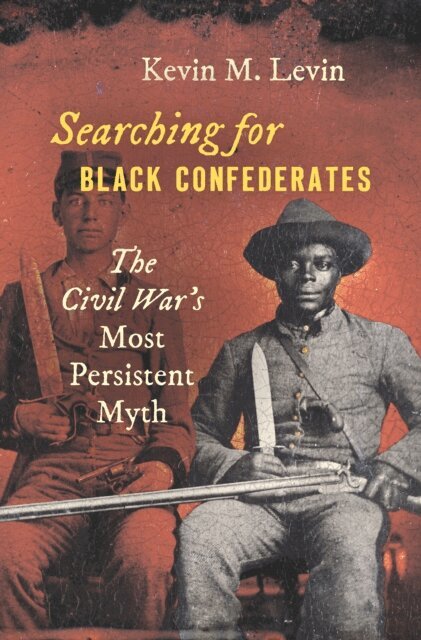
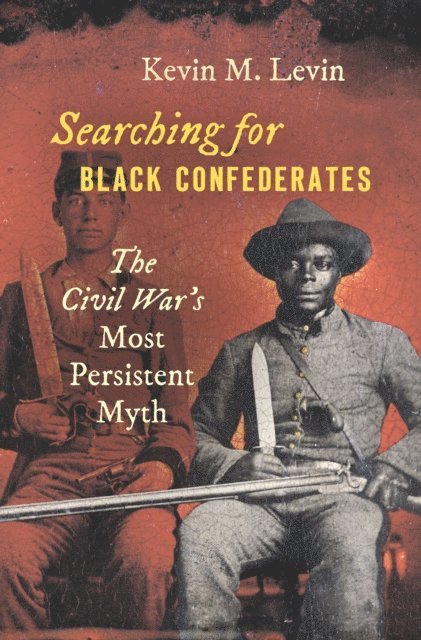
More than 150 years after the end of the Civil War, scores of websites, articles, and organizations repeat claims that anywhere between 500 and 100,000 free and enslaved African Americans fought willingly as soldiers in the Confederate army. But as Kevin M. Levin argues in this carefully researched book, such claims would have shocked anyone who served in the army during the war itself. Levin explains that imprecise contemporary accounts, poorly understood primary-source material, and other misrepresentations helped fuel the rise of the black Confederate myth. Moreover, Levin shows that belief in the existence of black Confederate soldiers largely originated in the 1970s, a period that witnessed both a significant shift in how Americans remembered the Civil War and a rising backlash against African Americans' gains in civil rights and other realms.Levin also investigates the roles that African Americans actually performed in the Confederate army, including personal body servants and forced laborers. He demonstrates that regardless of the dangers these men faced in camp, on the march, and on the battlefield, their legal status remained unchanged. Even long after the guns fell silent, Confederate veterans and other writers remembered these men as former slaves and not as soldiers, an important reminder that how the war is remembered often runs counter to history.
319 kr
Skickas inom 7-10 vardagar
More than 150 years after the end of the Civil War, scores of websites, articles, and organizations repeat claims that anywhere between 500 and 100,000 free and enslaved African Americans fought willingly as soldiers in the Confederate army. But as Kevin M. Levin argues in this carefully researched book, such claims would have shocked anyone who served in the army during the war itself. Levin explains that imprecise contemporary accounts, poorly understood primary-source material, and other misrepresentations helped fuel the rise of the black Confederate myth. Moreover, Levin shows that belief in the existence of black Confederate soldiers largely originated in the 1970s, a period that witnessed both a significant shift in how Americans remembered the Civil War and a rising backlash against African Americans' gains in civil rights and other realms.Levin also investigates the roles that African Americans actually performed in the Confederate army, including personal body servants and forced laborers. He demonstrates that regardless of the dangers these men faced in camp, on the march, and on the battlefield, their legal status remained unchanged. Even long after the guns fell silent, Confederate veterans and other writers remembered these men as former slaves and not as soldiers, an important reminder that how the war is remembered often runs counter to history.
378 kr
Kommande
Robert Gould Shaw (1837–1863) is best known as the heroic colonel who led the 54th Massachusetts Infantry—one of the first regiments of Black soldiers in the Civil War—in its famous ill-fated charge against Confederate Fort Wagner on July 18, 1863. Shaw’s sacrifice has been commemorated in monuments, books, and the award-winning film Glory. But before he became a martyr for the Union cause and emancipation, Shaw was a privileged young man who showed little interest in the reform movements that defined his parents' lives or in the moral crisis over slavery that was tearing the nation apart. Volunteering to serve as a duty, he awakened gradually and fitfully to the demands of conscience and command. Only in death was Shaw transformed into the champion for freedom his abolitionist parents hoped he would be. The first biography of Shaw in a quarter century, A Glorious Fate traces his transformation from a rebellious son into one of the Civil War’s most celebrated heroes. Acclaimed historian Kevin M. Levin also reveals the sacrifice and service of the African American men who fought and died for their freedom afresh through Shaw’s eyes. Though Shaw never fully reconciled his own racial prejudices, Levin shows how the Civil War changed the young colonel as it did the nation.