Kevin Revier – författare
Visar alla böcker från författaren Kevin Revier. Handla med fri frakt och snabb leverans.
4 produkter
4 produkter
553 kr
Skickas inom 10-15 vardagar
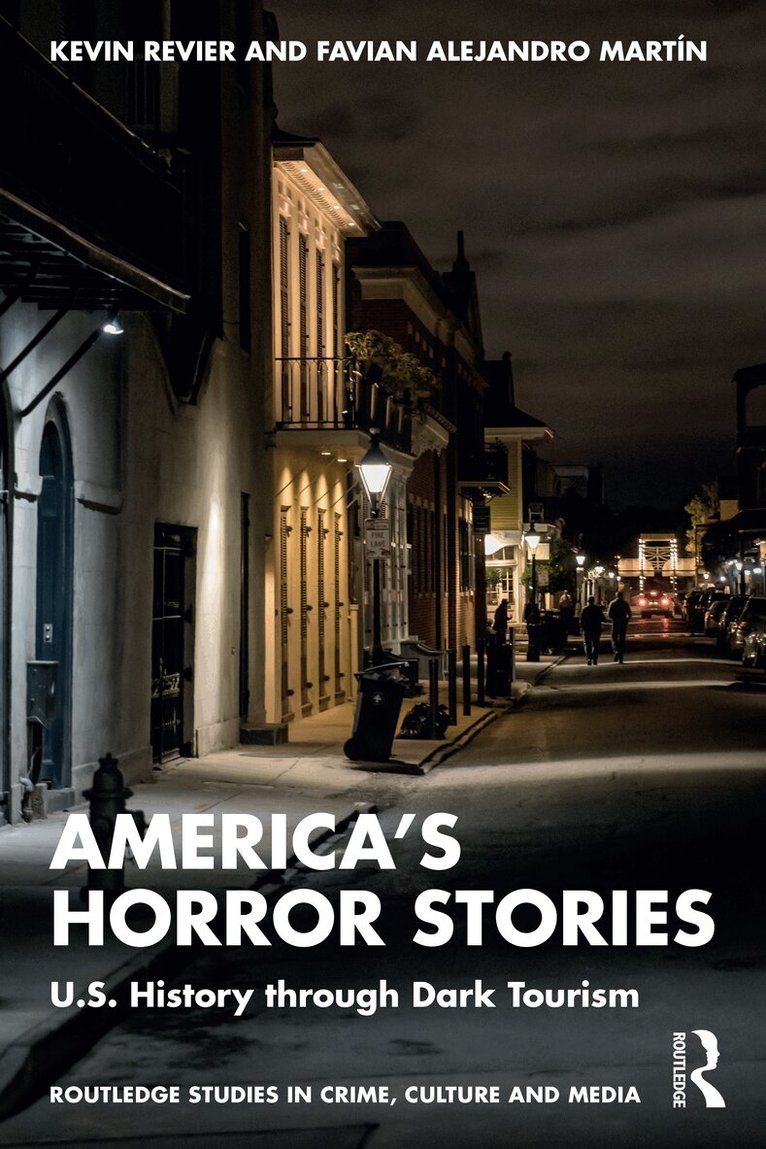
America’s Horror Stories: U.S. History through Dark Tourism conducts a ghost tour(ist) methodology to explore how slavery and racism are represented in dark tourism via ghost tours.The authors travel to key sites of racist U.S. history, including Salem, Massachusetts, where a witch panic was sparked by accusations of witchcraft by Tituba, an enslaved woman practicing Voodoo; New Orleans, Louisiana, which hosts the largest slave trade market; the Myrtles Plantation in Francisville, Louisiana; and to Gettysburg, Pennsylvania, where the bloodiest battle of the Civil War took place, marking a pivotal moment to end slavery in the nation—but where Confederate ghosts are said to continue roaming the town and battlefield. Acting as research ghost hunters/tourists, the authors go on walking and bus tours, visit historical monuments, stay at haunted hotels, ponder objects in haunted museums, and do some ghost hunting of their own. They find that the ghosts conjured by tour guides—ghosts of confederate soldiers, American citizens, and enslaved people—tend to whitewash, sensationalize, and commercialize the horrors of U.S. history, including slavery, racism, and colonialism. They do not discount dark tourism entirely; but recommend a ghost tour(ist) pedagogy that critically considers social issues—and structural forms of inequality—that haunt us today.America’s Horror Stories will be of great interest to students and scholars researching and taking part in critical criminology and cultural criminology courses, specifically on crime, media, and culture.
2 036 kr
Skickas inom 10-15 vardagar
America’s Horror Stories: U.S. History through Dark Tourism conducts a ghost tour(ist) methodology to explore how slavery and racism are represented in dark tourism via ghost tours.The authors travel to key sites of racist U.S. history, including Salem, Massachusetts, where a witch panic was sparked by accusations of witchcraft by Tituba, an enslaved woman practicing Voodoo; New Orleans, Louisiana, which hosts the largest slave trade market; the Myrtles Plantation in Francisville, Louisiana; and to Gettysburg, Pennsylvania, where the bloodiest battle of the Civil War took place, marking a pivotal moment to end slavery in the nation—but where Confederate ghosts are said to continue roaming the town and battlefield. Acting as research ghost hunters/tourists, the authors go on walking and bus tours, visit historical monuments, stay at haunted hotels, ponder objects in haunted museums, and do some ghost hunting of their own. They find that the ghosts conjured by tour guides—ghosts of confederate soldiers, American citizens, and enslaved people—tend to whitewash, sensationalize, and commercialize the horrors of U.S. history, including slavery, racism, and colonialism. They do not discount dark tourism entirely; but recommend a ghost tour(ist) pedagogy that critically considers social issues—and structural forms of inequality—that haunt us today.America’s Horror Stories will be of great interest to students and scholars researching and taking part in critical criminology and cultural criminology courses, specifically on crime, media, and culture.
985 kr
Skickas inom 10-15 vardagar
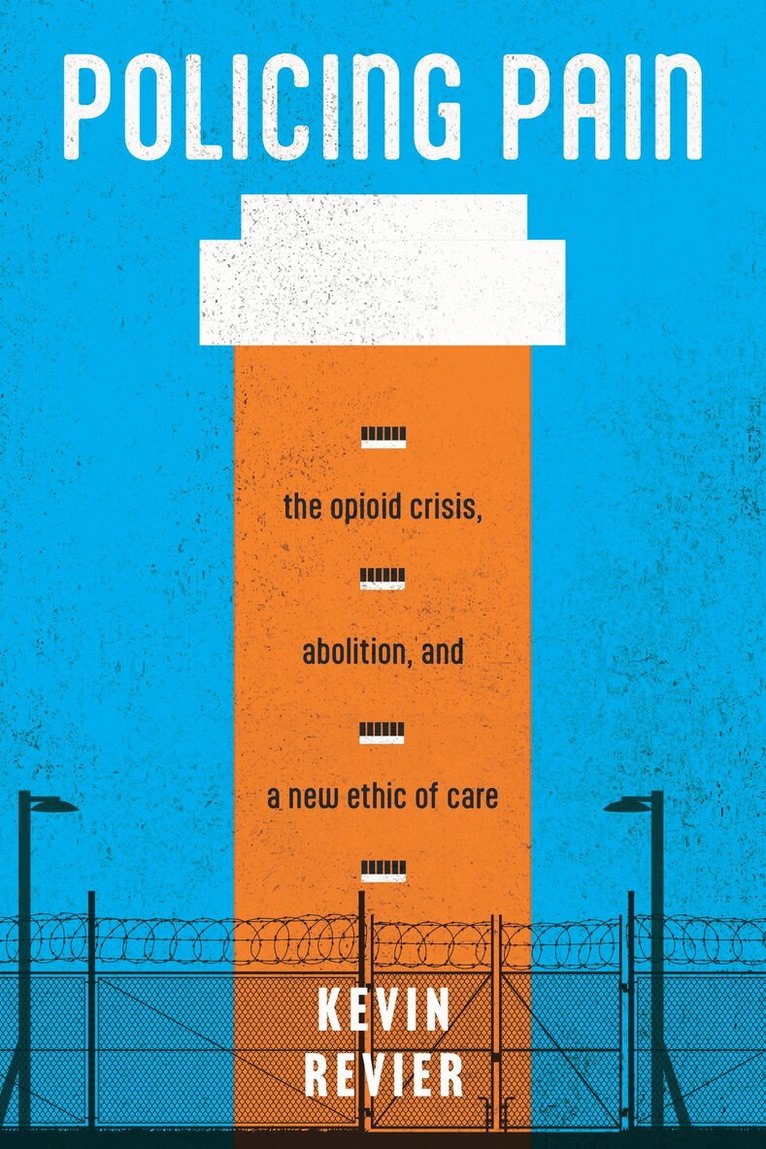
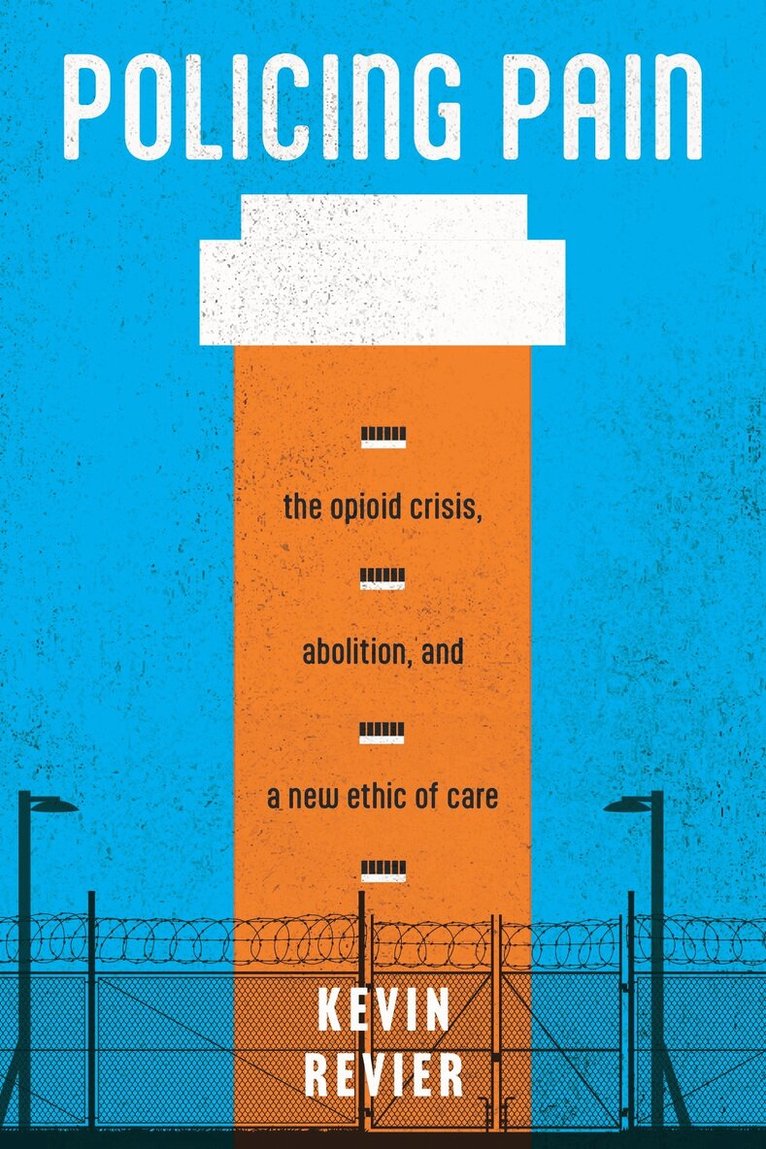
How the medicalization of addiction during the U.S. opioid crisis has driven mass incarceration and mass policing in rural and deindustrialized communitiesThe nationwide opioid public health emergency has led many advocates and public officials to call for drug policy reforms that reject traditional "law-and-order" approaches. In Policing Pain, Kevin Revier approaches the opioid epidemic from an abolitionist framework that seeks to treat people who use opioids not as so-called criminals, but as people in need of health care. Based on two years of ethnographic research in Upstate New York, a region highly impacted by overdoses, job loss, and deindustrialization, Revier shows that incorporation of treatment within the criminal justice system has ultimately expanded the scope of the drug war, turning individuals into "treatable carceral subjects" who are both medicalized and criminalized.He argues that the incorporation of medical rhetoric and treatment within the criminal legal system maintains a carceral approach in rural and low-income areas facing high rates of opioid overdose and economic disinvestment, further entrenching the carceral state in the lives of people who use drugs. Ultimately, Policing Pain explores alternative strategies to promote harm reduction from an abolitionist ethic of care that advocates for people who use drugs while seeking to minimize criminal justice involvement in drug-related issues.
319 kr
Skickas inom 7-10 vardagar
How the medicalization of addiction during the U.S. opioid crisis has driven mass incarceration and mass policing in rural and deindustrialized communitiesThe nationwide opioid public health emergency has led many advocates and public officials to call for drug policy reforms that reject traditional "law-and-order" approaches. In Policing Pain, Kevin Revier approaches the opioid epidemic from an abolitionist framework that seeks to treat people who use opioids not as so-called criminals, but as people in need of health care. Based on two years of ethnographic research in Upstate New York, a region highly impacted by overdoses, job loss, and deindustrialization, Revier shows that incorporation of treatment within the criminal justice system has ultimately expanded the scope of the drug war, turning individuals into "treatable carceral subjects" who are both medicalized and criminalized.He argues that the incorporation of medical rhetoric and treatment within the criminal legal system maintains a carceral approach in rural and low-income areas facing high rates of opioid overdose and economic disinvestment, further entrenching the carceral state in the lives of people who use drugs. Ultimately, Policing Pain explores alternative strategies to promote harm reduction from an abolitionist ethic of care that advocates for people who use drugs while seeking to minimize criminal justice involvement in drug-related issues.