Kevin W. Hector - Böcker
Visar alla böcker från författaren Kevin W. Hector. Handla med fri frakt och snabb leverans.
4 produkter
4 produkter
2 149 kr
Skickas inom 5-8 vardagar
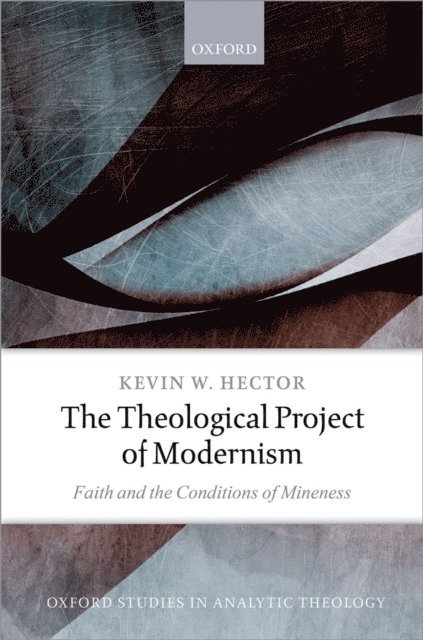
Modernism's theological project was an attempt to explain two things: firstly, how faith might enable persons to experience their lives as hanging together, even in the face of disintegrating forces like injustice, tragedy, and luck; and secondly, how one could see such faith, and so a life held together by it, as self-expressive. Modern theologians such as Kant, Schleiermacher, Hegel, Ritschl, and Tillich thus offer accounts of how one's life would have to hang together such that one could identify with it; of the oppositions which stand in the way of such hanging-together; of God as the one by whom oppositions are overcome, such that one can have faith that one's life ultimately hangs together; and of what such faith would have to be like in order for one to identify with it, too. So understood, modern theology not only sheds light on faith's potential role in enabling persons to identify with their lives, but stands in unexpected continuity with contemporary 'contextual' theologies.This book offers clear, careful readings of modernism's key figures in order to explain their relevance to practical concerns and to contemporary understandings of faith.
369 kr
Skickas inom 7-10 vardagar
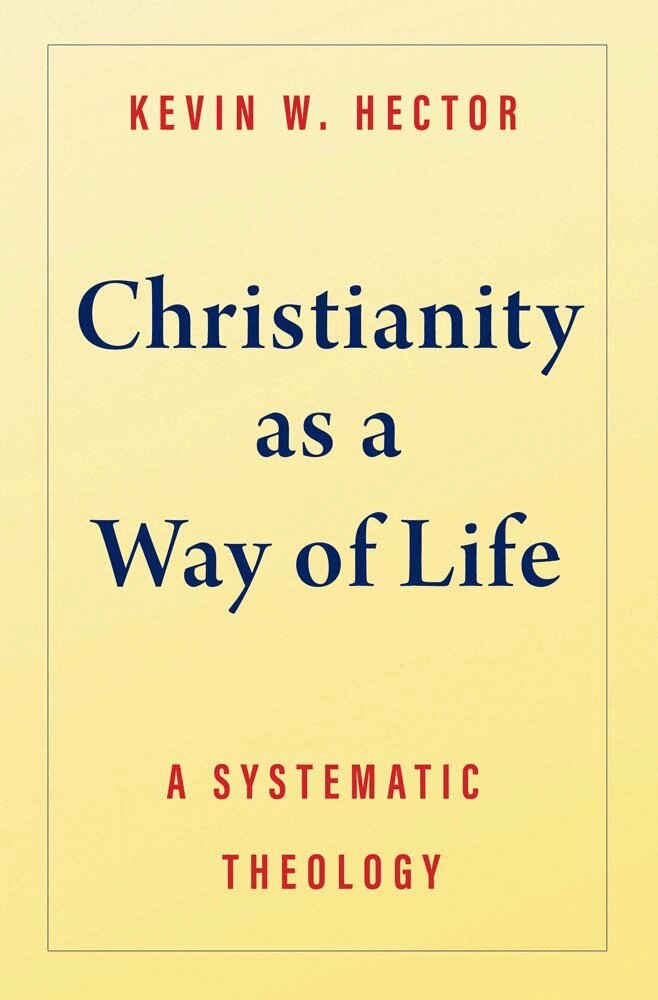
Focusing on Christianity’s core practices, a leading theologian imagines Christianity as a way of life oriented toward wisdom A Seminary Coop Notable Book of 2023 In this book, Kevin W. Hector argues that we can understand Christianity as a set of practices designed to transform one’s way of perceiving and being in the world. Hector examines practices that reorient us to God (imitation, corporate singing, eating together, friendship, and likemindedness), that transform our way of being in the world (prayer, wonder, laughter, lament, and vocation), and that reshape our way of being with others (benevolence, looking for the image of God in others, forgiveness, and activism). Taken together, the aim of these practices is to transform one’s way of perceiving and acting in the face of success and failure, risk and loss, guilt and shame, love, and loss of control. These transformations can add up to a transformation of one’s very self. To make sense of Christianity as a way of life, in turn, these practices must be understood within the context of Christian beliefs about sin, Jesus, redemption, and eternal life. Understanding them thus requires a systematic theology, which Hector offers in this clear-eyed, ambitious, and elegant interpretation of the Christian tradition.
Del 8 - Current Issues in Theology
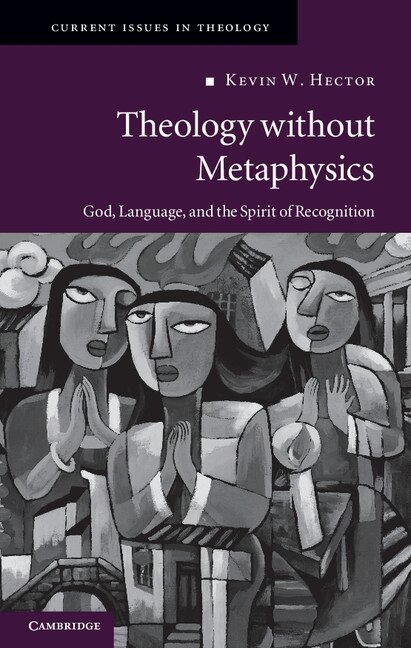
Theology without Metaphysics
God, Language, and the Spirit of Recognition
Häftad, Engelska, 2011
385 kr
Skickas inom 7-10 vardagar
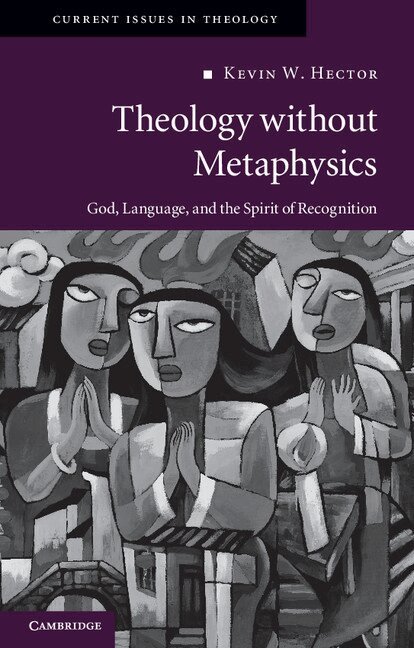
One of the central arguments of post-metaphysical theology is that language is inherently 'metaphysical' and consequently that it shoehorns objects into predetermined categories. Because God is beyond such categories, it follows that language cannot apply to God. Drawing on recent work in theology and philosophy of language, Kevin Hector develops an alternative account of language and its relation to God, demonstrating that one need not choose between fitting God into a metaphysical framework, on the one hand, and keeping God at a distance from language, on the other. Hector thus elaborates a 'therapeutic' response to metaphysics: given the extent to which metaphysical presuppositions about language have become embedded in common sense, he argues that metaphysics can be fully overcome only by defending an alternative account of language and its application to God, so as to strip such presuppositions of their apparent self-evidence and release us from their grip.
Del 8 - Current Issues in Theology
Theology without Metaphysics
God, Language, and the Spirit of Recognition
Inbunden, Engelska, 2011
613 kr
Skickas inom 7-10 vardagar
One of the central arguments of post-metaphysical theology is that language is inherently 'metaphysical' and consequently that it shoehorns objects into predetermined categories. Because God is beyond such categories, it follows that language cannot apply to God. Drawing on recent work in theology and philosophy of language, Kevin Hector develops an alternative account of language and its relation to God, demonstrating that one need not choose between fitting God into a metaphysical framework, on the one hand, and keeping God at a distance from language, on the other. Hector thus elaborates a 'therapeutic' response to metaphysics: given the extent to which metaphysical presuppositions about language have become embedded in common sense, he argues that metaphysics can be fully overcome only by defending an alternative account of language and its application to God, so as to strip such presuppositions of their apparent self-evidence and release us from their grip.