Khwaja Salahuddin Siddiqi – författare
2 171 kr
Skickas inom 10-15 vardagar
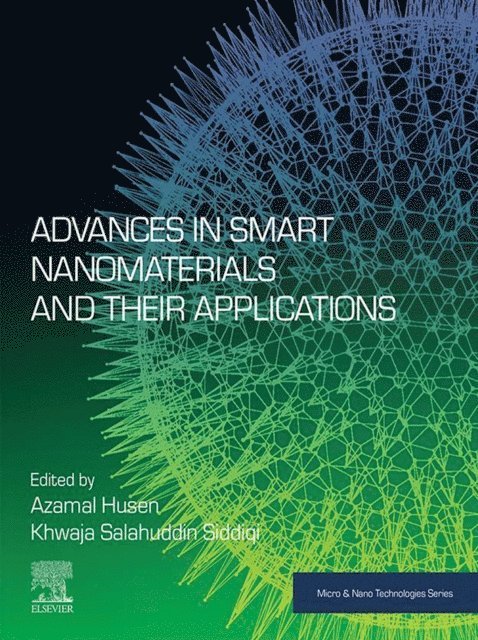
Advances in Smart Nanomaterials and their Applications brings together the latest advances and novel methods in the preparation of smart nanomaterials for cutting-edge applications. The book covers fundamental concepts of nanomaterials, including fabrication methods, processing, application areas, specific applications of smart nanomaterials across a range of areas, such as biomedicine, pharmaceuticals, food science and packaging, sensing, cosmetics and dermatology, gas, oil, energy, wastewater and environment, textiles, agriculture, and forestry sectors. In each case, possible challenges, recent trends, and potential future developments are addressed in detail. The book also discusses various considerations for the utilization of smart nanomaterials, including environmental safety and legal requirements. The book is suitable for graduate students as a textbook and simultaneously be useful for both novices and experienced scientists or researchers, medical biologists, nanobiotechnologists, nanoengineers, agricultural scientists, and general biologists as a reference book as well as inspires some industrialists and policy makers involved in the investigation of smart nanomaterials.
Introduces fundamentals of smart nanomaterials, including theory, fabrication methods, processing and properties Opens the door to a broad range of multifaceted applications across agriculture, food science, biomedicine, energy and other areas Considers environmental safety, risk assessment, legal requirements and sustainability issues3 092 kr
Läs direkt efter köp
820 kr
Skickas inom 10-15 vardagar
941 kr
Läs direkt efter köp
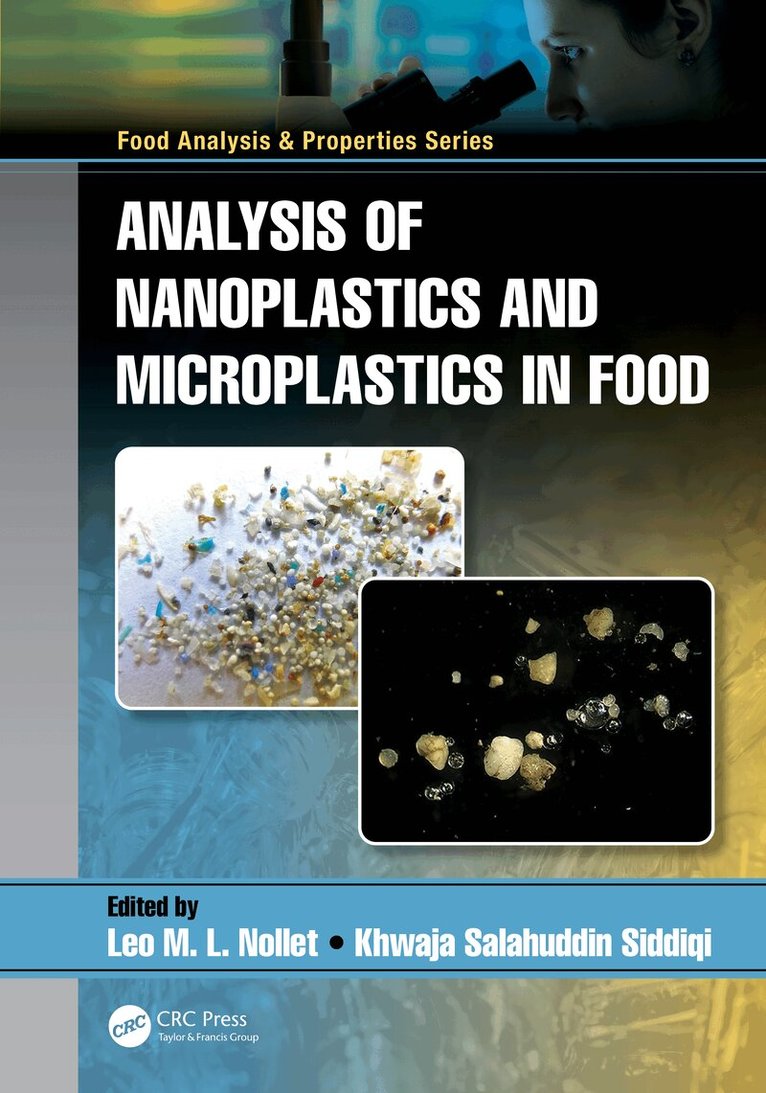
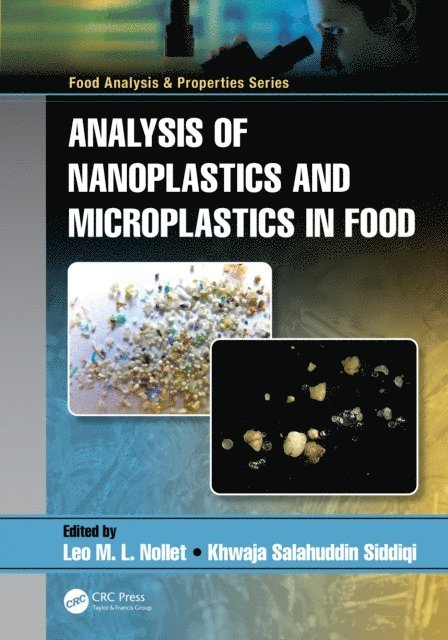
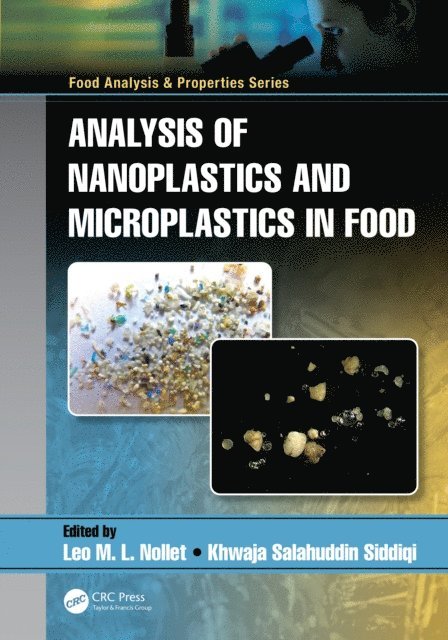
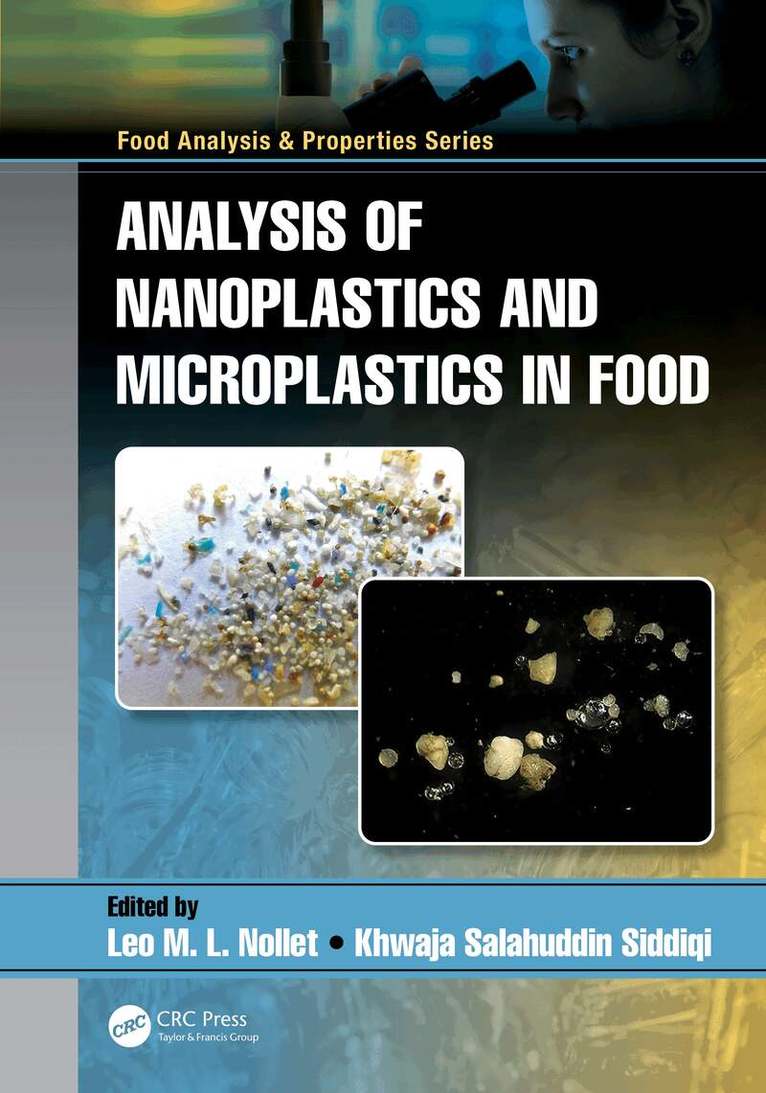
The world’s ever increasing use of plastics has created large areas of floating plastic waste in the oceans—so-called plastic soup. This floating plastic debris is gradually fragmenting into smaller particles which eventually become microplastics, and even nanoplastics.
Analysis of Nanoplastics and Microplastics in Food compiles data on nanoplastics and microplastics in food. To date, there is some data on this, particularly for the marine environment. Fish show high concentrations, but because microplastics are mostly present in the stomach and intestines, they are usually removed and consumers are not exposed. But in crustaceans and bivalve molluscs like oysters and mussels, the digestive tract is consumed, so there is some exposure. Microplastics have also been reported in honey, beer, and table salt.
Key Features:
Discusses sampling and analysis of nano- and microplastics
Details the impacts of plastic residues in diverse compartments of the environment
Includes a discussion of microplastics in freshwater
Discusses interactions of microplastics and POPs
This book brings to light the reality—and dangers—of microplastics in food. Pollutants like polychlorinated biphenyls (PCBs) and polycyclic aromatic hydrocarbons (PAHs) can accumulate in microplastics. Some studies suggest that, after consuming microplastics in food, these substances may transfer into tissues. So, it is important to estimate the average intake. Since engineered nanoparticles (from different types of nanomaterials) can enter human cells, this reality can pose consequences for human health.
Also available in the Food Analysis and Properties Series:
Mass Spectrometry Imaging in Food Analysis, edited by Leo M. L. Nollet (ISBN: 978-1-138-37069-2)
Proteomics for Food Authentication, edited by Leo M. L. Nollet and Semih Ӧtleş (ISBN: 978-0-367-20505-8)
Food Aroma Evolution: During Food Processing, Cooking, and Aging, edited by
Matteo Bordiga and Leo M. L. Nollet (ISBN: 978-1-138-33824-1)
For a complete list of books in this series, please visit our website at:
www.crcpress.com/Food-Analysis--Properties/book-series/CRCFOODANPRO
941 kr
Läs direkt efter köp
The world’s ever increasing use of plastics has created large areas of floating plastic waste in the oceans—so-called plastic soup. This floating plastic debris is gradually fragmenting into smaller particles which eventually become microplastics, and even nanoplastics.
Analysis of Nanoplastics and Microplastics in Food compiles data on nanoplastics and microplastics in food. To date, there is some data on this, particularly for the marine environment. Fish show high concentrations, but because microplastics are mostly present in the stomach and intestines, they are usually removed and consumers are not exposed. But in crustaceans and bivalve molluscs like oysters and mussels, the digestive tract is consumed, so there is some exposure. Microplastics have also been reported in honey, beer, and table salt.
Key Features:
Discusses sampling and analysis of nano- and microplastics
Details the impacts of plastic residues in diverse compartments of the environment
Includes a discussion of microplastics in freshwater
Discusses interactions of microplastics and POPs
This book brings to light the reality—and dangers—of microplastics in food. Pollutants like polychlorinated biphenyls (PCBs) and polycyclic aromatic hydrocarbons (PAHs) can accumulate in microplastics. Some studies suggest that, after consuming microplastics in food, these substances may transfer into tissues. So, it is important to estimate the average intake. Since engineered nanoparticles (from different types of nanomaterials) can enter human cells, this reality can pose consequences for human health.
Also available in the Food Analysis and Properties Series:
Mass Spectrometry Imaging in Food Analysis, edited by Leo M. L. Nollet (ISBN: 978-1-138-37069-2)
Proteomics for Food Authentication, edited by Leo M. L. Nollet and Semih Ӧtleş (ISBN: 978-0-367-20505-8)
Food Aroma Evolution: During Food Processing, Cooking, and Aging, edited by
Matteo Bordiga and Leo M. L. Nollet (ISBN: 978-1-138-33824-1)
For a complete list of books in this series, please visit our website at:
www.crcpress.com/Food-Analysis--Properties/book-series/CRCFOODANPRO
2 669 kr
Skickas inom 10-15 vardagar