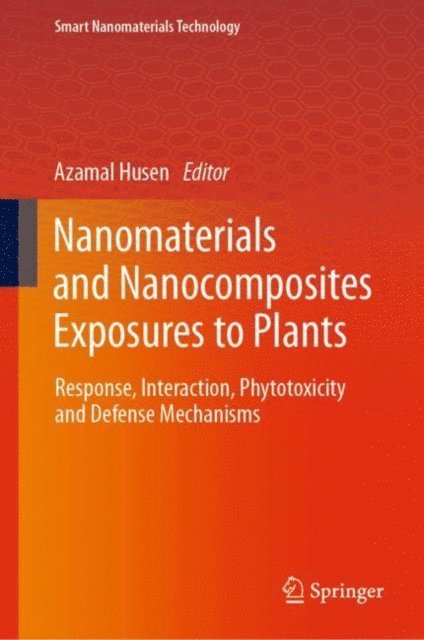
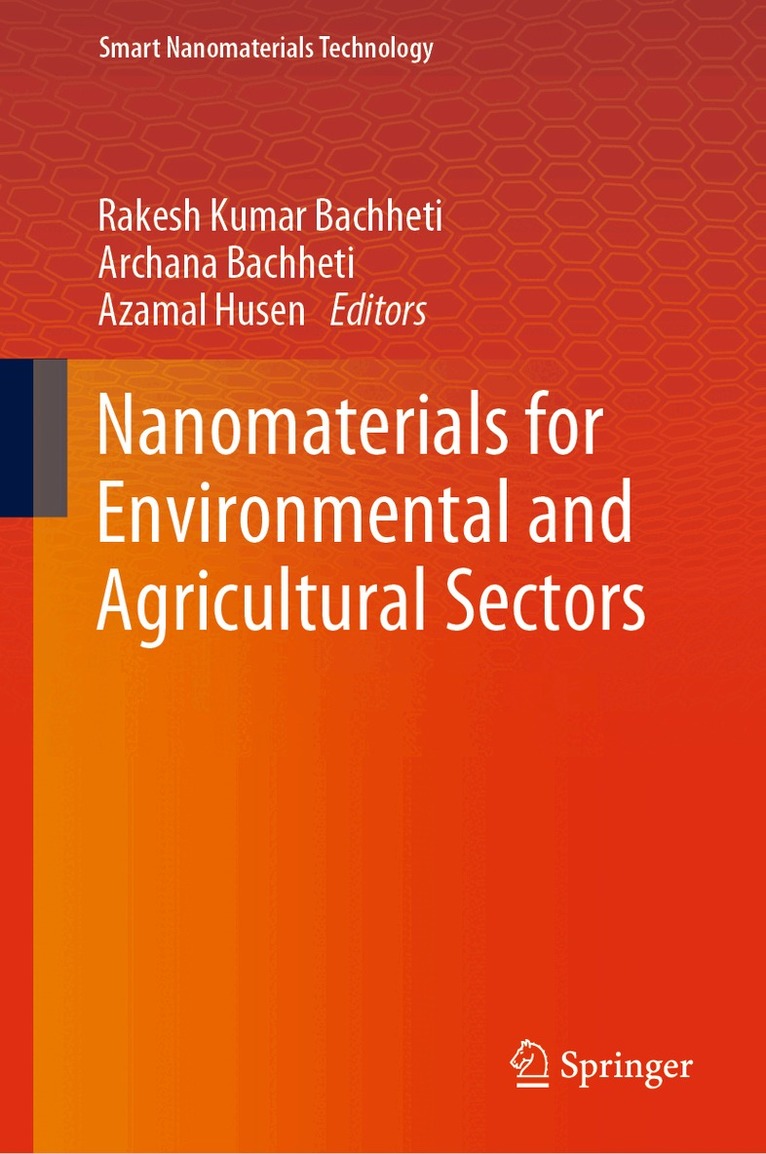
Azamal Husen - Böcker
1 922 kr
Skickas inom 7-10 vardagar
Nanomaterials for Agriculture and Forestry Applications explores how major nanomaterials are being specially used in the agriculture, forestry, and other associated sectors. Plants and their products are used for synthesis of nanoparticles as they contain primary and secondary metabolites, which reduce the metal salts and metal oxides into their nanoparticles. Exposure of these particles has been examined for their sustainable role and/or interaction with agricultural crops in terms of growth and yields. Nanomaterials accumulation and translocation have shown interaction with cellular organelles, DNA, RNA, proteins, or other biomolecules; and affect various functions of cell organelles. Application of nanosensors holds a significant promise in monitoring signaling pathways, metabolism, detection of crop/soil diseases, and specific pollutants or pesticides. Nanomaterials have also been used in soil and water quality management. In forestry sector, the nanotechnology is considered as the potential platform, which can transform the forest materials into value-added products, such as smart paper, nano-packaging, coating material, building construction, and biomedical and other sectors. This book is an important resource, showing how nanotechnology is being used to enhance large-scale agricultural and/or industrial application and production.
Discusses the major types of nanomaterials used in the agriculture and forestry sectors, exploring how their properties make them effective for specific applications Explores the design, fabrication, characterization and applications of nanomaterials for new agri-products Offers an overview of regulatory aspects regarding the use of nanomaterials for agriculture and forestryEnvironmental, Physiological and Chemical Controls of Adventitious Rooting in Cuttings
2 020 kr
Skickas inom 7-10 vardagar
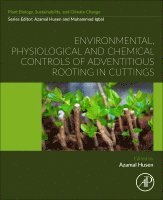
Environmental, Physiological and Chemical Controls of Adventitious Rooting in Cuttings provides a review of the environmental, physiological and chemical controls of adventitious rooting in cuttings obtained from plants. In plants, adventitious roots, which are highly useful for vegetative propagation (or clonal propagation) are produced mainly from leaves, hypocotyls, stems or shoots. Vegetative propagation may occur naturally by using propagules such as roots, underground and aerial stems, leaves, buds and bulbils. It may also be done artificially through regenerative organs (rhizomes, bulbs, and corms) and by utilizing specialized methods, like cutting, grafting and layering. This book covers the latest tactics surrounding these processes.
As a plethora of factors affect the adventitious rooting of cuttings, adding to the complexity of the phenomenon. The main factors which control adventitious root formation are types of cuttings, presence of leaf area on cuttings, types of hormones and their concentration, duration of hormonal treatment (quick dip, long soak, dry dip, spray dip, or total immerse method), maturation (juvenile or mature), genotype, explant position, and more, all of which are discussed here.
Provides a comprehensive and exclusive book on the environmental, physiological and chemical factors associated with adventitious root formation in cutting, with up-to-date literature and lucid illustrations Presents a multidimensional approach and a broad range of explanation on adventitious root formation associated with mature and juvenile cutting Discusses a number of molecular, histological and physiological markers associated with adventitious root formation in numerous plant species Elaborates on how external and internal factors control the cell/tissue initiation, differentiation and overall adventitious root formation in cuttingEngineered Nanomaterials for Sustainable Agricultural Production, Soil Improvement and Stress Management
1 654 kr
Skickas inom 7-10 vardagar
Engineered Nanomaterials for Sustainable Agricultural Production, Soil Improvement and Stress Management highlights the latest advances in applying this important technology within agriculture sectors for sustainable growth, production and protection. The book explores various smart engineered nanomaterials which are now being used as an important tool for improving growth and productivity of crops facing abiotic stresses, improving the health of the soil in which those crops are growing, and addressing stresses once the plant begins to produce food yield. The book includes insights into the use of nanoparticles as bactericides, fungicides and nanofertilizers.
In addition, the book includes an international representation of authors who have crafted chapters with clarity, reviewing up-to-date literature with lucid illustrations. It will be an important resource for researchers, nanobiotechnologists, agriculturists and horticulturists who need a comprehensive reference guide.
Broadens the role of smart engineered (carbon, fullerene or metal based, and more) nanomaterials, with up-to-date literature and practical illustrations Equips readers with information on a number of morpho-physiological, biochemical, molecular phenomenon, and smart agricultural production Enriches our understanding of various smart crop plants resilient to abiotic and biotic stresses in terms of nanomaterials exposureHormonal Cross-Talk, Plant Defense and Development
Plant Biology, Sustainability and Climate Change
1 898 kr
Skickas inom 7-10 vardagar
Hormonal Cross-Talk, Plant Defense and Development: Plant Biology, Sustainability and Climate Change focuses specifically on plants and their interaction to auxins, gibberellins, cytokinins, ethylene, abscisic acid, jasmonates, brassinosteroids, strigolactones, and the potential those interactions offer for improved plant health and production. Plant hormones (auxins, gibberellins, cytokinins, ethylene, abscisic acid, jasmonates, brassinosteroids, salicylic acid, strigolactones etc.) regulate numerous aspects of plant growth and developmental processes. Each hormone initiates a specific molecular pathway, with each pathway integrated in a complex network of synergistic, antagonistic and additive interactions. This is a valuable reference for those seeking to understand and improve plant health using natural processes.
The cross-talks of auxins - abscisic acid, auxins - brassinosteroids, brassinosteroids- abscisic acid, ethylene - abscisic acid, brassinosteroids - ethylene, cytokinins - abscisic acid, brassinosteroids - jasmonates, brassinosteroids - salicylic acid, and gibberellins - jasmonates - strigolactones have been shown to regulate a number of biological processes in plant system. The cross-talk provides robustness to the plant immune system but also drives specificity of induced defense responses against the plethora of biotic and abiotic interactions.
Describes hormonal cross-talk and plant defense with suitable illustrations Includes a focus on secondary metabolites and/or bioactive compounds interactions with various plant hormones Highlights the use of plant hormones and their interactions in plant growth and developmental processes at physiological, biochemical and molecular levels1 898 kr
Skickas inom 7-10 vardagar
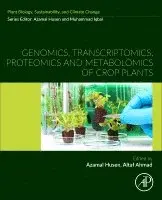
Genomics, Transcriptomics, Proteomics and Metabolomics of Crop Plants presents current operational methods applied to model crop plants. Including subcellular organelles, DNA fingerprinting and barcoding, sRNA, gene expression, rhizosphere engineering, marker assisted and 5G breeding, plant-microorganism interactions, stress signaling and responses, the book highlights important factors that are often overlooked and explores the latest research. The book also explores cutting-edge approaches for immediate application in new research such as OMICS, genome-wide transcriptome profiling, bioinformatics and database, DNA fingerprinting and barcoding, sRNA, gene expression, genome editing, diagnostics, rhizosphere engineering, marker assisted and 5G breeding, crop plant-microorganism interactions, stress signaling and responses.
Additionally, the book describes opportunities to manipulate crop plants genetic and metabolic systems, while also exploring the related bioethical and biosafety issues. These topics are chosen and covered in detail to fill the gap in this understanding of crop molecular biology.
Includes coverage of the latest trends on plants bioinformatics and databases Presents the overall scope of OMIC sciences with rich illustration Provides implementation advice and future challenges2 203 kr
Skickas inom 7-10 vardagar
Advances in Smart Nanomaterials and their Applications brings together the latest advances and novel methods in the preparation of smart nanomaterials for cutting-edge applications. The book covers fundamental concepts of nanomaterials, including fabrication methods, processing, application areas, specific applications of smart nanomaterials across a range of areas, such as biomedicine, pharmaceuticals, food science and packaging, sensing, cosmetics and dermatology, gas, oil, energy, wastewater and environment, textiles, agriculture, and forestry sectors. In each case, possible challenges, recent trends, and potential future developments are addressed in detail. The book also discusses various considerations for the utilization of smart nanomaterials, including environmental safety and legal requirements. The book is suitable for graduate students as a textbook and simultaneously be useful for both novices and experienced scientists or researchers, medical biologists, nanobiotechnologists, nanoengineers, agricultural scientists, and general biologists as a reference book as well as inspires some industrialists and policy makers involved in the investigation of smart nanomaterials.
Introduces fundamentals of smart nanomaterials, including theory, fabrication methods, processing and properties Opens the door to a broad range of multifaceted applications across agriculture, food science, biomedicine, energy and other areas Considers environmental safety, risk assessment, legal requirements and sustainability issuesPlants and their Interaction to Environmental Pollution
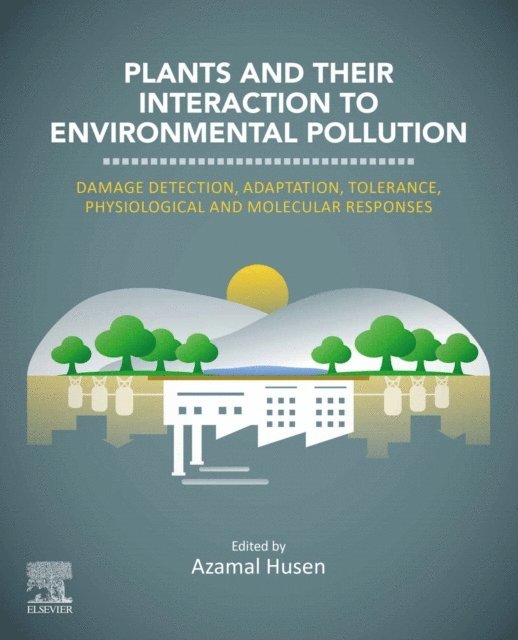
Damage Detection, Adaptation, Tolerance, Physiological and Molecular Responses
1 605 kr
Skickas inom 7-10 vardagar
Environmental pollution as a consequence of diverse human activities has become a global concern. Urbanization, mining, industrial revolution, burning of fossil fuels/firewood and poor agricultural practices, in addition to improper dumping of waste products, are largely responsible for the undesirable change in the environment composition. Environmental pollution is mainly classified as air pollution, water pollution, land pollution, noise pollution, thermal pollution, light pollution, and plastic pollution. Nowadays, it has been realized that with the increasing environmental pollution, impurities may accumulate in plants, which are required for basic human uses such as for food, clothing, medicine, and so on. Environmental pollution has tremendous impacts on phenological events, structural patterns, physiological phenomena, biochemical status, and the cellular and molecular features of plants. Exposure to environmental pollution induces acute or chronic injury depending on the pollutant concentration, exposure duration, season and plant species. Moreover, the global rise of greenhouse gases such as carbon monoxide, carbon dioxide, nitrous oxides, methane, chlorofluorocarbons and ozone in the atmosphere is among the major threats to the biodiversity. They have also shown visible impacts on life cycles and distribution of various plant species. Anthropogenic activities, including the fossil-fuel combustion in particular, are responsible for steady increases in the atmospheric greenhouse gases concentrations. This phenomenon accelerates the global heating. Studies have suggested that the changes in carbon dioxide concentrations, rainfall and temperature have greatly influenced the plant physiological and metabolic activities including the formation of biologically active ingredients. Taken together, plants interact with pollutants, and cause adverse ecological and economic outcomes. Therefore, plant response to pollutants requires more investigation in terms of damage detection, adaptation, tolerance, and the physiological and molecular responses.
The complex interplay among other emerging pollutants, namely, radioisotopes, cell-phone radiation, nanoparticles, nanocomposites, heavy metals etc. and their impact on plant adaptation strategies, and possibility to recover, mitigation, phytoremediation, etc., also needs to be explored. Further, it is necessary to elucidate better the process of the pollutant's uptake by plant and accumulation in the food chain, and the plant resistance capability against the various kinds of environmental pollutants. In this context, the identification of tolerance mechanisms in plants against pollutants can help in developing eco-friendly technologies, which requires molecular approaches to increase plant tolerance to pollutants, such as plant transformation and genetic modifications. Pollutant-induced overproduction of reactive oxygen species that cause DNA damage and apoptosis-related alterations, has also been examined. They also trigger changes at the levels of transcriptome, proteome, and metabolome, which has been discussed in this book.
Presents a multidimensional approach and a broad range of explanation on different aspects of environmental pollution and the overall interaction of food, cash crops, horticultural, water and wetland plants, herbs, and endangered plant species Discusses a number of growth features, physiological attributes, and the cellular and molecular phenomena of plants under emerging environmental pollution Explains about the overproduction of reactive oxygen species that cause DNA damage and apoptosis-related alterations Examines the changes at the levels of transcriptome, proteome, and metabolome The authors have crafted each chapter with immense clarity, reviewed up-to-date literature and presented all available information with lucid illustrations2 566 kr
Skickas inom 10-15 vardagar
1 898 kr
Skickas inom 7-10 vardagar
Essential Minerals in Plant-Soil Systems
Coordination, Signaling, and Interaction under Adverse Situations
1 898 kr
Skickas inom 7-10 vardagar
Essential Minerals in Plant-Soil Systems: Coordination, Signaling, and Interaction under Adverse Situations is the first book to encompass these key aspects of plant science, biochemistry, soil science and fertilizer development in a single volume. Describing the micro- and macronutrients in the plant-soil system with the help of suitable illustrations, the book connects all the pieces enabling comprehensive and connected understanding. Sections cover recent advances in the understanding of how plants coordinate the acquisition, transport, signaling, and interaction, and cross-talks between macro- and micro-nutrients in adverse environmental situations.This book is a valuable reference for those putting research into practice in addressing stress situations, as well as providing important foundational insights for further research.
Provides a comprehensive overview of micro- and macronutrients and their interaction with phytohormones under stress conditionsExplores proteomic and genomic research into deficiencies and toxicities in plant systemsHighlights the use of nanobiotechnology for controlled release of micro- and macronutrients in the plant-soil systems1 934 kr
Skickas inom 7-10 vardagar
2 055 kr
Skickas inom 7-10 vardagar
2 288 kr
Skickas inom 7-10 vardagar
1 873 kr
Kommande
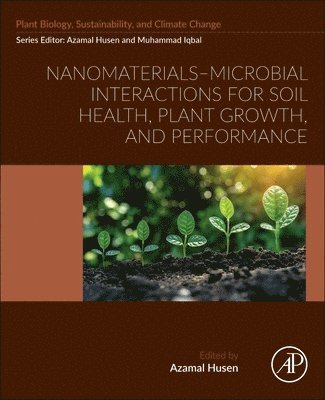
Nanomaterials-Microbial Interactions for Soil Health, Plant Growth, and Performance
1 885 kr
Skickas inom 7-10 vardagar
Nanomaterials-Microbial Interactions for Soil Health, Plant Growth, and Performance investigates how engineered nanomaterials interface with soil ecosystems to influence plant health and agricultural sustainability. By leveraging the distinctive surface chemistry, size, and reactivity of these materials, the book analyzes how they modulate soil chemistry, microbial activity, and plant physiology, with implications for growth, resilience, and productivity.
Interdisciplinary perspectives from soil science, microbiology, plant biology, and nanoengineering are integrated to evaluate mechanisms of action, exposure routes, and environmental fate. The volume weighs opportunities for enhanced yield and nutrient-use efficiency against risks to soil health, biodiversity, and food safety, while also discussing regulatory frameworks and scalable strategies for real-word farming systems and food value chains.
Aimed at researchers, practitioners, and decision-makers across academia, government, and industry, Nanomaterials-Microbial Interactions for Soil Health, Plant Growth, and Performance serves as an authoritative platform for future-oriented thinking that bridges discovery and deployment aligned with global environmental stewardship goals across diverse agroecosystems.
Emphasizes the integrated nanoparticle-plant-microbe axis across farming systems and remediation strategiesElucidates rhizosphere responses to metal and metal oxide nanoparticles under abiotic and biotic influencesExamines how nanoparticles affect rhizosphere bacteria and fungi, including arbuscular mycorrhizal fungiAssesses effects on microbial processes (mineralization, nitrogen fixation) and consequent plant growth outcomes1 934 kr
Kommande
2 558 kr
Skickas inom 10-15 vardagar
698 kr
Skickas inom 10-15 vardagar
2 635 kr
Skickas inom 10-15 vardagar
719 kr
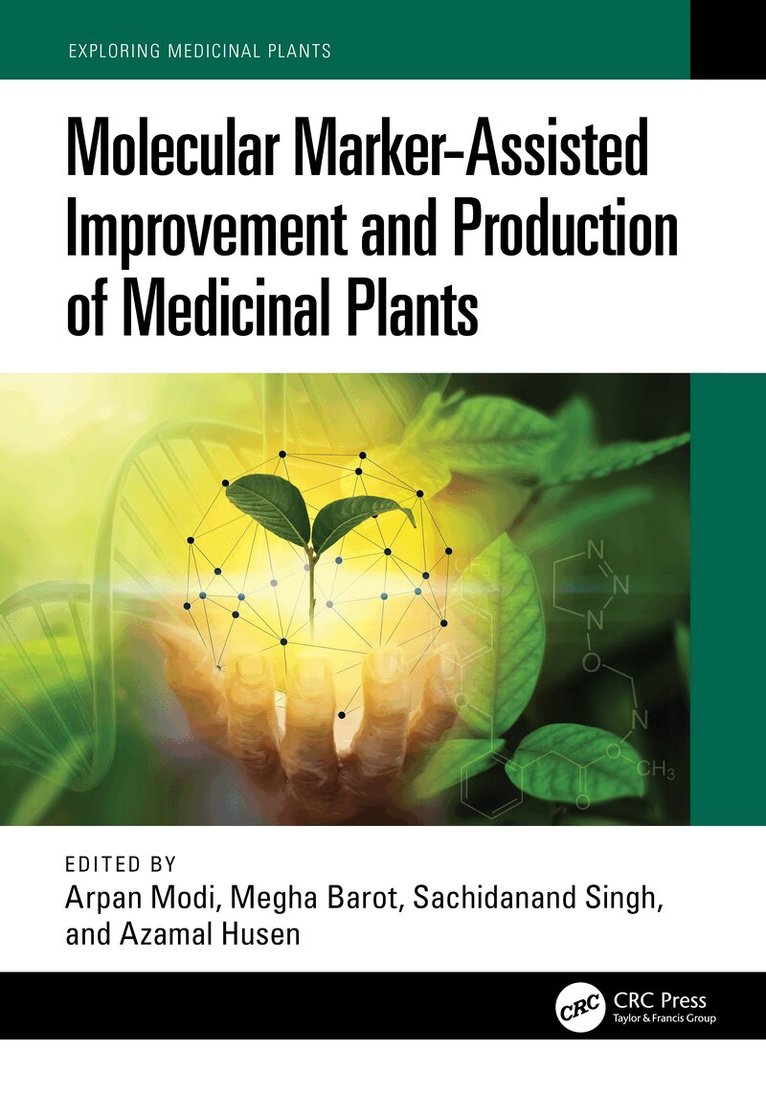
Skickas inom 10-15 vardagar
705 kr
Skickas inom 10-15 vardagar
2 357 kr
Skickas inom 10-15 vardagar
685 kr
Skickas inom 10-15 vardagar
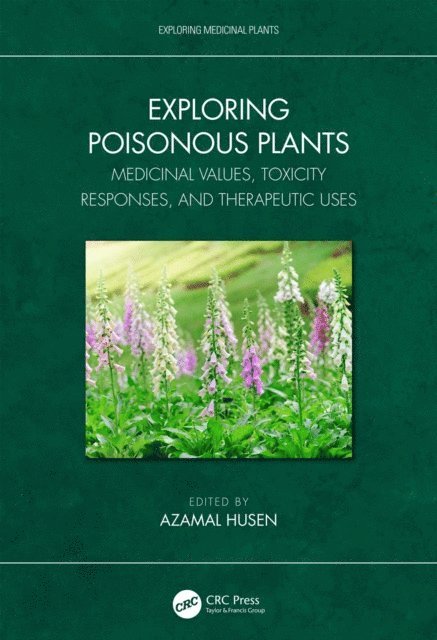
Exploring Poisonous Plants
Medicinal Values, Toxicity Responses, and Therapeutic Uses
2 290 kr
Skickas inom 10-15 vardagar
2 220 kr
Skickas inom 10-15 vardagar
2 773 kr
Skickas inom 10-15 vardagar
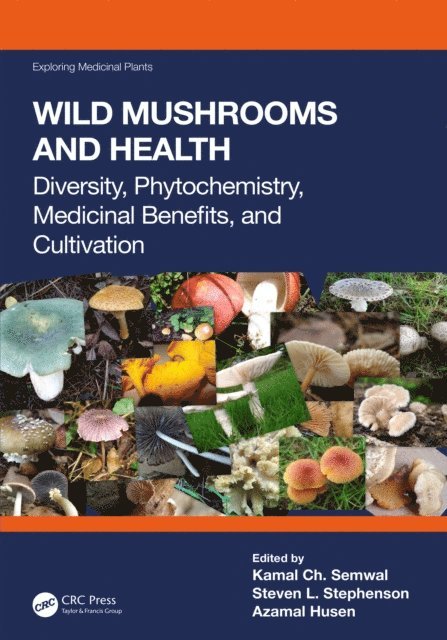
Wild Mushrooms and Health
Diversity, Phytochemistry, Medicinal Benefits, and Cultivation
2 427 kr
Skickas inom 10-15 vardagar
2 357 kr
Skickas inom 10-15 vardagar
2 625 kr
Skickas inom 10-15 vardagar
2 082 kr
Skickas inom 10-15 vardagar