Kimberly Chung – författare
Visar alla böcker från författaren Kimberly Chung. Handla med fri frakt och snabb leverans.
3 produkter
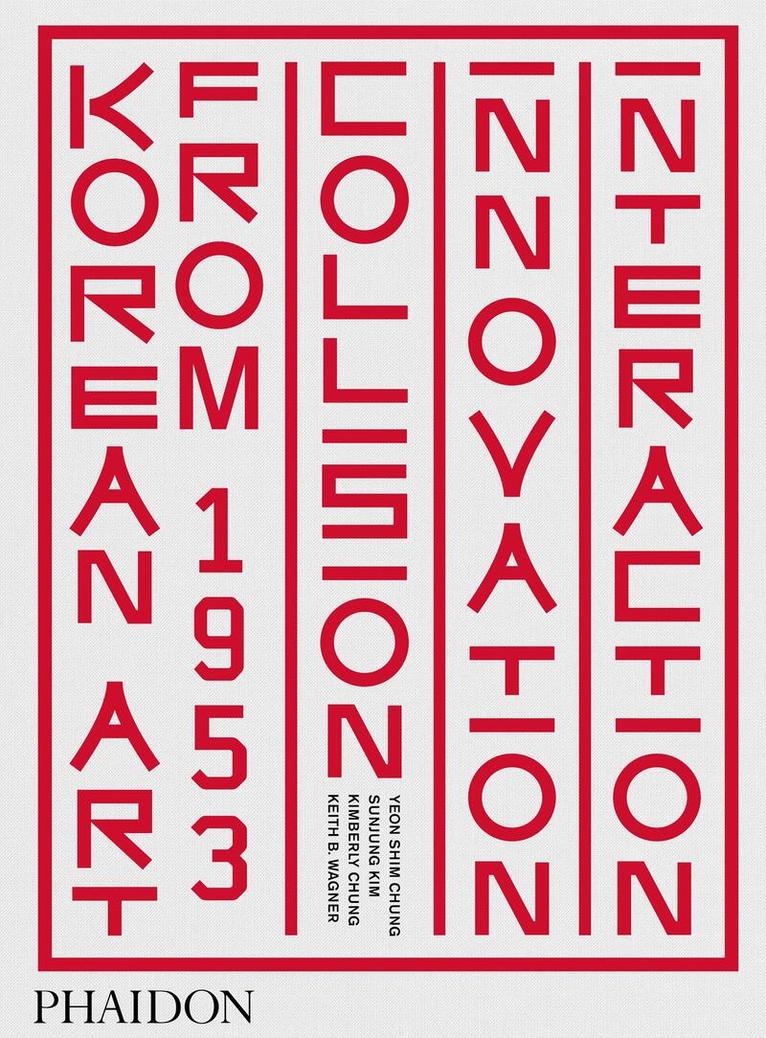
Korean Art from 1953
Collision, Innovation, Interaction
Av Yeon Shim Chung, Sunjung Kim m. fl.
Inbunden, 2020
750 kr
Lägg i varukorg
The first comprehensive survey to explore the rich and complex history of contemporary Korean artStarting with the armistice that divided the Korean Peninsula in 1953, this one-of-a-kind book spotlights the artistic movements and collectives that have flourished and evolved throughout Korean …
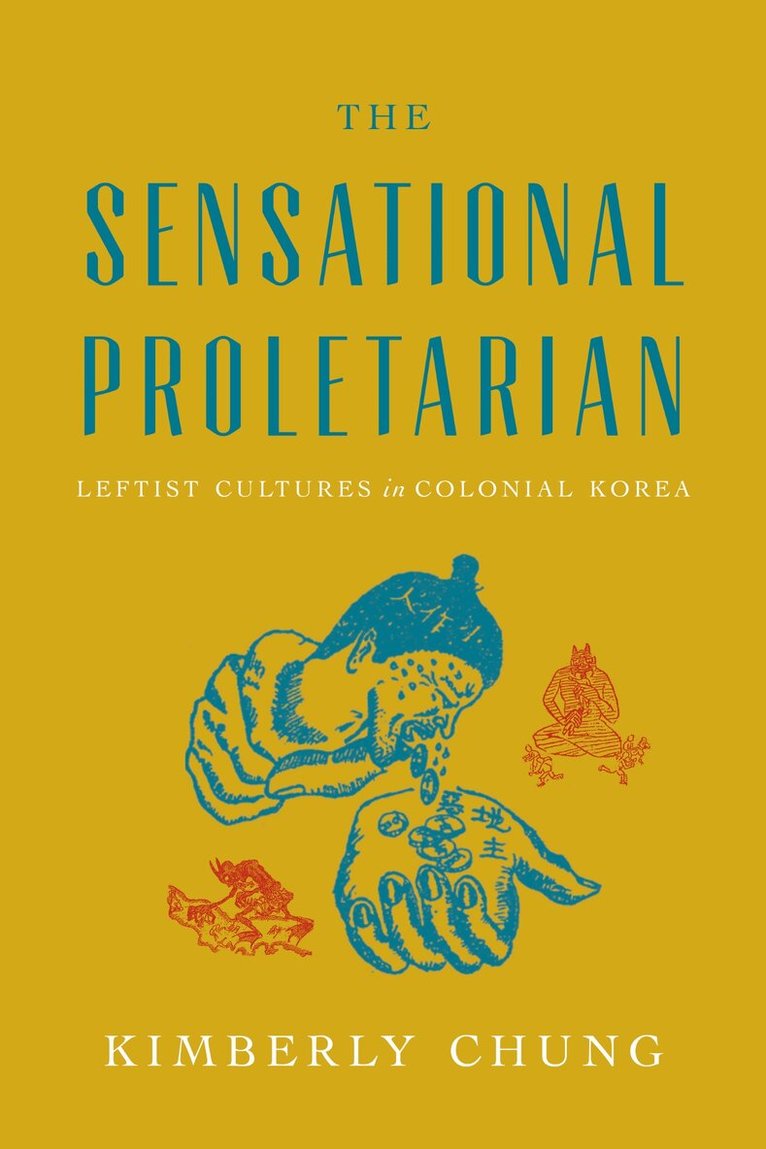
Sensational Proletarian
Leftist Cultures in Colonial Korea
Inbunden, 2025
844 kr
Lägg i varukorg
Starving ghosts, anguished farmers, and grieving mothers. Floating heads, gaunt bodies, and masses of bodily fluids. Such are the visceral sensations, exaggerated affects, and suffering subjects that characterized leftist Korean cultural production in the 1920s and 1930s. In popular fiction, print …
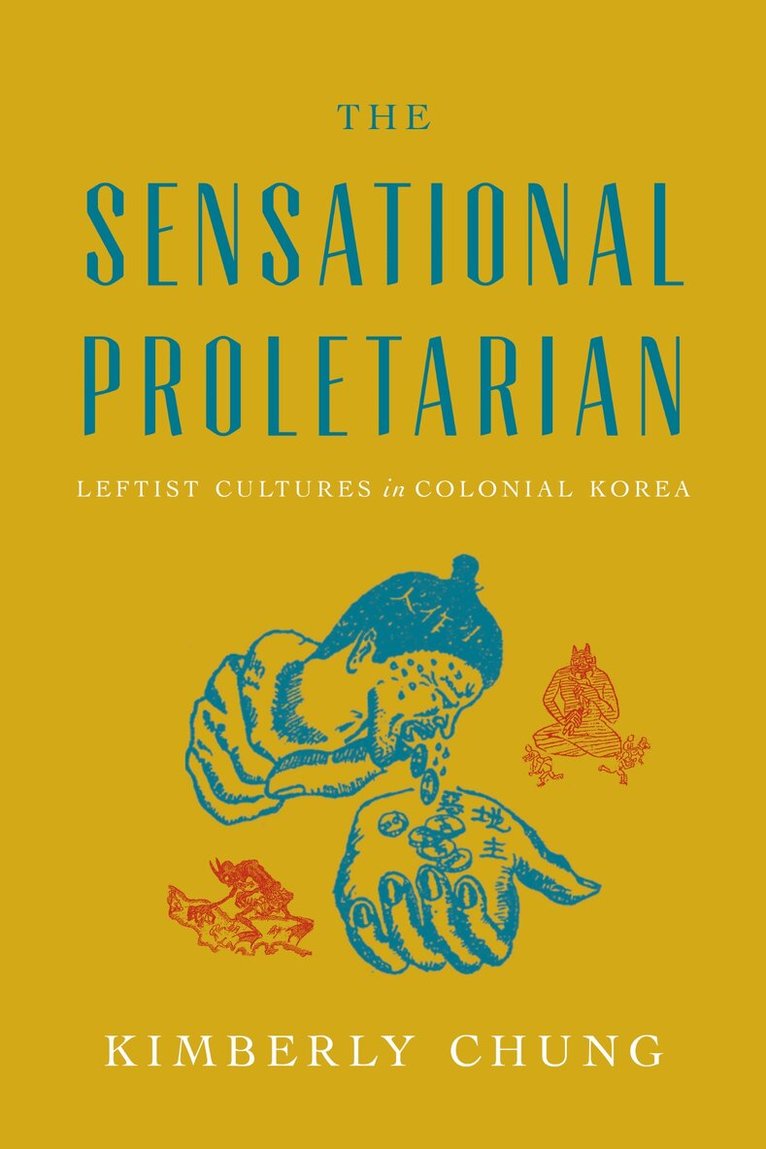
Sensational Proletarian
Leftist Cultures in Colonial Korea
E-bok, 2025
945 kr
Lägg i varukorg
Starving ghosts, anguished farmers, and grieving mothers. Floating heads, gaunt bodies, and masses of bodily fluids. Such are the visceral sensations, exaggerated affects, and suffering subjects that characterized leftist Korean cultural production in the 1920s and 1930s. In popular fiction, print …