Kimberly W. Benston - Böcker
Visar alla böcker från författaren Kimberly W. Benston. Handla med fri frakt och snabb leverans.
4 produkter
4 produkter
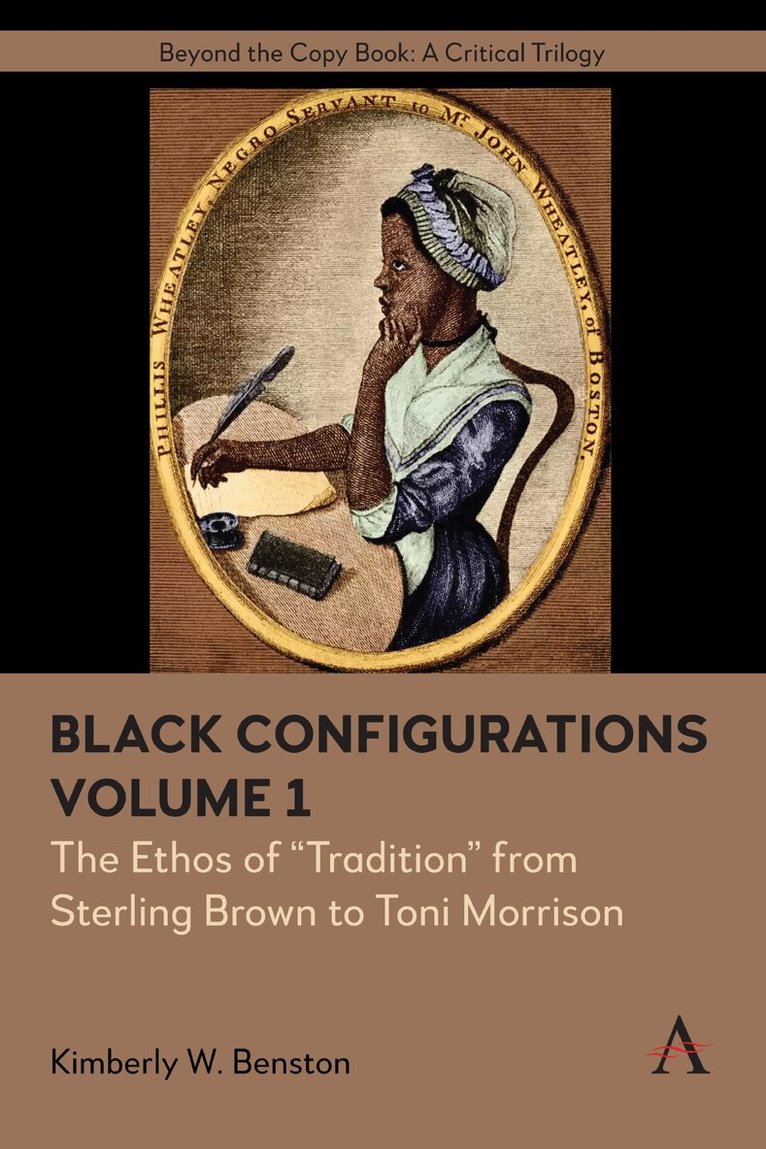
Black Configurations
The Ethos of “Tradition” from Sterling Brown to Toni Morrison, Volume I
Inbunden, Engelska, 2027
1 700 kr
Kommande
Black Configurations is the first volume of a three-volume study that offers a fresh reading of African-American literary history by locating within the literature itself the terms for a revisionary account of black writing, terms pursued along three distinct but interlocking pathways: by charting figurations of tradition among six of the most innovative practitioners of black literary expression from Sterling Brown to Toni Morrison (Volume 1); by following the haunting pathways of spectral dialogues between slavery and African-American modernism (Volume 2); and by interrogating interlocking topoi of critique and assertion (naming; facing; voicing) across the history of African-American literary expression. The critical trilogy thereby presents a narrative of African-American literature as a continual, dialectical process, blending confrontation with traumatic origins and the quest for expressive transformation. This project arises from the question: how does one construe and narrate the story of a tradition for which the conventional structure of literary history is itself politically and thematically charged issue? Across the landscapes cultivated by each of its three volumes, the study confronts this question by developing a mode of critical history adequate to a literature that exerts transformative pressure on the very experience that engenders it, attending both to the material circumstances of its linguistic achievement and the expressive activity by which the black subject emerges.
1 850 kr
Kommande
Black Hauntologies is the second volume of a three-volume study that offers a fresh reading of African-American literary history by locating within the literature itself the terms for a revisionary account of black writing, terms pursued along three distinct but interlocking pathways: by charting figurations of tradition among six of the most innovative practitioners of black literary expression from Sterling Brown to Toni Morrison (Volume 1); by following the haunting pathways of spectral dialogues between slavery and African-American modernism (Volume 2); and by interrogating interlocking topoi of critique and assertion (naming; facing; voicing) across the history of African-American literary expression. The critical trilogy thereby presents a narrative of African-American literature as a continual, dialectical process, blending confrontation with traumatic origins and the quest for expressive transformation. This project arises from the question: how does one construe and narrate the story of a tradition for which the conventional structure of literary history is itself politically and thematically charged issue? Across the landscapes cultivated by each of its three volumes, the study confronts this question by developing a mode of critical history adequate to a literature that exerts transformative pressure on the very experience that engenders it, attending both to the material circumstances of its linguistic achievement and the expressive activity by which the black subject emerges.
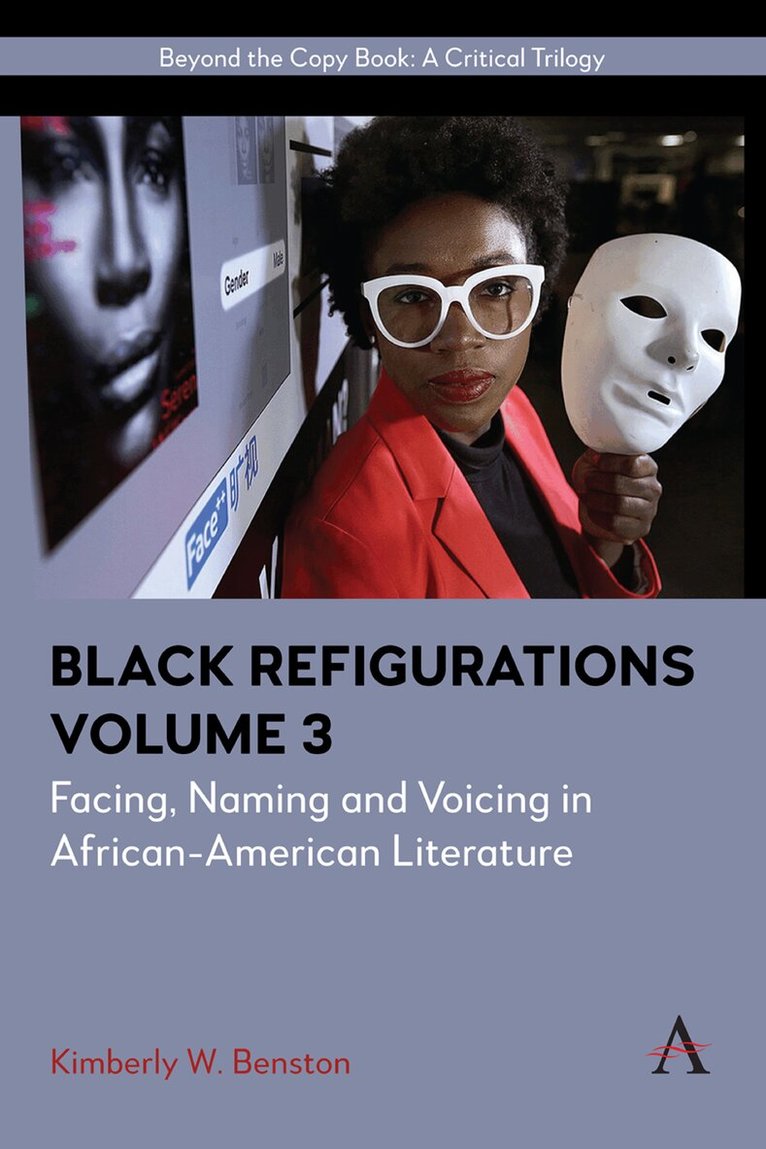
Black Refigurations
Facing, Naming and Voicing in African-American Literature, Volume III
Inbunden, Engelska, 2028
1 850 kr
Kommande
Black Refigurations is the third volume of a three-volume study that offers a fresh reading of African-American literary history by locating within the literature itself the terms for a revisionary account of black writing, terms pursued along three distinct but interlocking pathways: by charting figurations of tradition among six of the most innovative practitioners of black literary expression from Sterling Brown to Toni Morrison (Volume 1); by following the haunting pathways of spectral dialogues between slavery and African-American modernism (Volume 2); and by interrogating interlocking topoi of critique and assertion (naming; facing; voicing) across the history of African-American literary expression (Volume 3). The critical trilogy thereby presents a narrative of African-American literature as a continual, dialectical process, blending confrontation with traumatic origins and the quest for expressive transformation. This project arises from the question: how does one construe and narrate the story of a tradition for which the conventional structure of literary history is itself politically and thematically charged issue? Across the landscapes cultivated by each of its three volumes, the study confronts this question by developing a mode of critical history adequate to a literature that exerts transformative pressure on the very experience that engenders it, attending both to the material circumstances of its linguistic achievement and the expressive activity by which the black subject emerges.
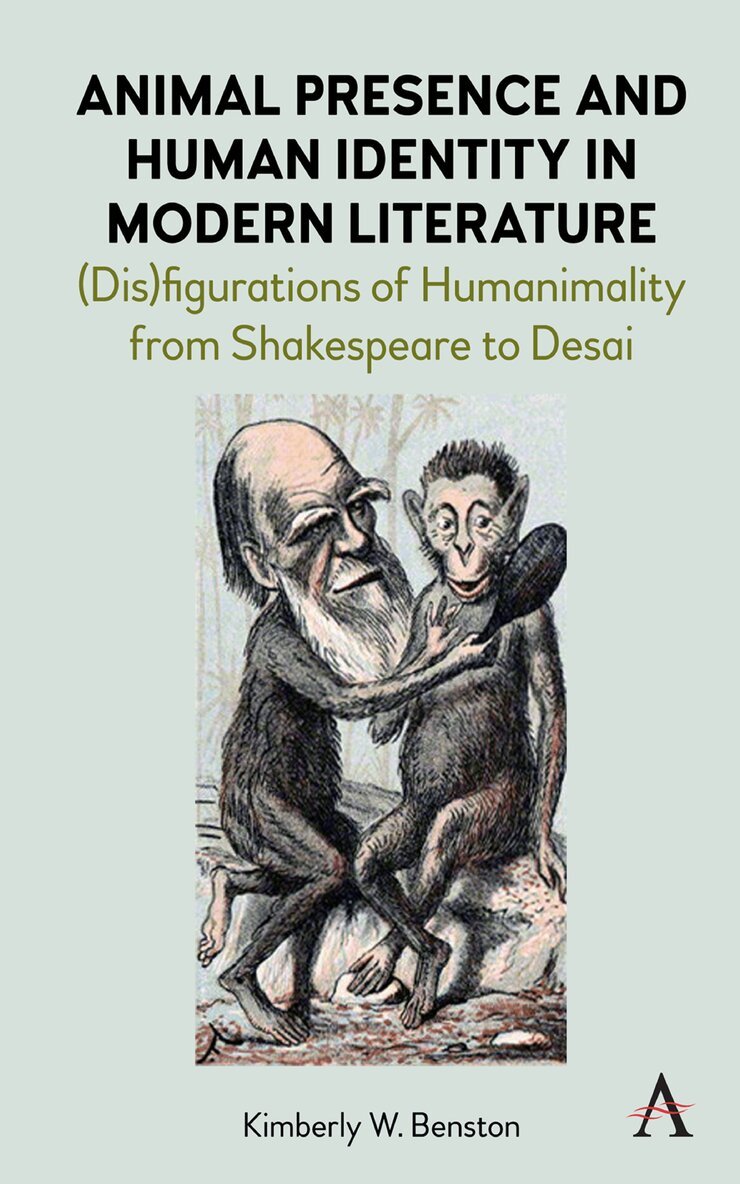
Animal Presence and Human Identity in Modern Literature
(Dis)figurations of Humanimality from Shakespeare to Desai
Inbunden, Engelska, 2026
1 344 kr
Kommande
Animal Presence and Human Identity in Modern Literature explores literary representations of the human-animal encounter in modernity that press human “being” to its limits. This project arises within the question, “can an animal die?,” formulated in response to Martin Heidegger’s famous assertion that, properly speaking, animals cannot “die” but can only “perish,” an assertion that sharply summarizes western “humanist” philosophical discourse – particularly as etched in the “modern turn” initiated by Descartes – in which the “human” emerges precisely as that (non)animal which enjoys a distinctive relation to both the inner essence and outer edge of existence. Alongside the philosophical continuum that stretches from the Cartesian reduction of animality to mechanistic re-action to the Heideggerian marginalization of animal life as active but unreflective materiality, literature develops a counter-examination of the human-animal nexus that variously implicates the animal in human ontology and explores that intersection as constitutive of social narratives and cultural institutions. Texts from Shakespeare to Desai have been selected for both their variety of formal and linguistic inflections of the human-animal encounter, and for their shared participation in an evolving discourse that is here termed “humanimality”: the ever-shifting interaction of human and nonhuman creatures that animates our still-evolving modernity.