Häftad, Engelska, 2022
394 kr
Skickas inom 5-8 vardagar
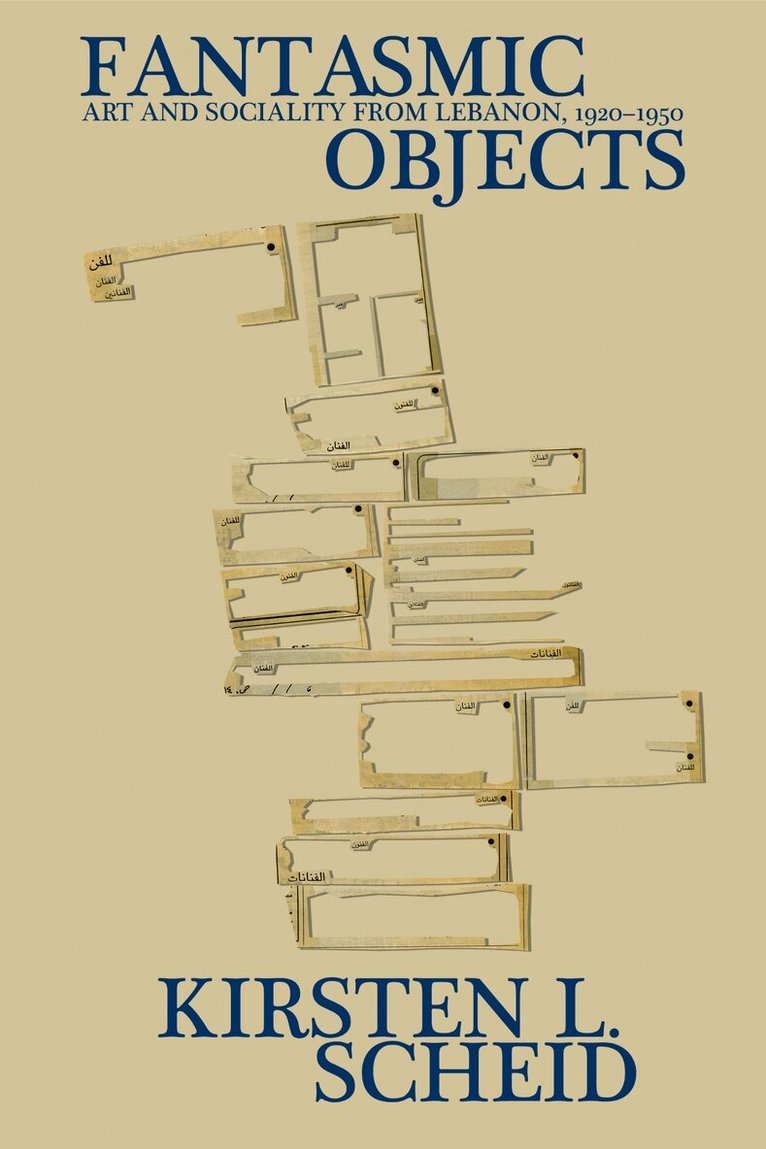
In Lebanon, the study of modern art—rather than power or hierarchy—has compelled citizens to confront how they define themselves as a postcolonial nation.In Fantasmic Objects, Kirsten L. Scheid offers a striking study of both modern art in Lebanon and modern Lebanon through art. By focusing on the careers of Moustapha Farrouk and Omar Onsi, forefathers of an iconic national repertoire, and their rebellious student Saloua Raouda Choucair, founder of an antirepresentational, participatory art, Scheid traces an emerging sense of what it means to be Lebanese through the evolution of new exhibition, pedagogical, and art-writing practices. She reveals that art and artists helped found the nation during French occupation, as the formal qualities and international exhibitions of nudes and landscapes in the 1930s crystallized notions of modern masculinity, patriotic femininity, non-sectarian religiosity, and citizenship. Examining the efforts of painters, sculptors, and activists in Lebanon who fiercely upheld aesthetic development and battled for new forms of political being, Fantasmic Objects offers an insightful approach to the history and formation of modern Lebanon.