Kirsten Stirling – författare
Visar alla böcker från författaren Kirsten Stirling. Handla med fri frakt och snabb leverans.
10 produkter
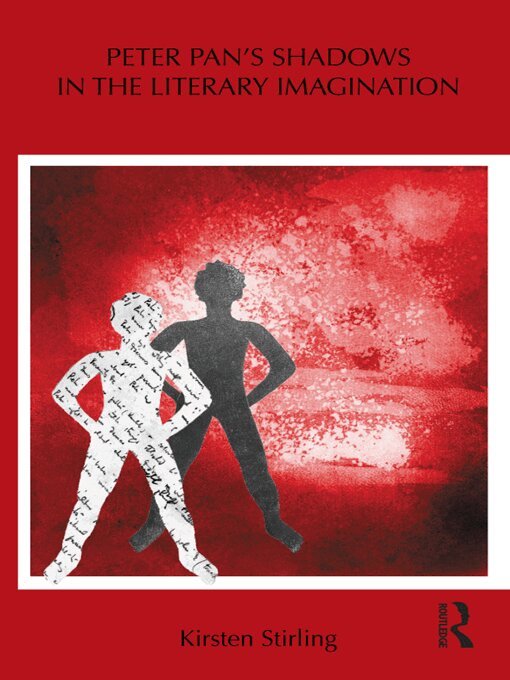
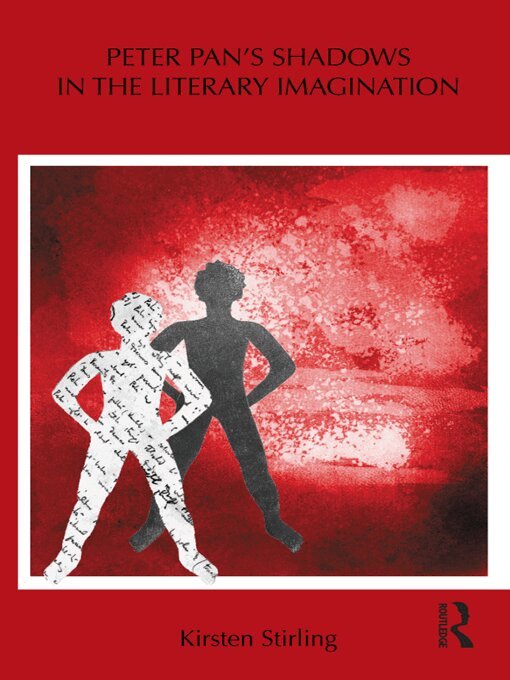
Peter Pan's Shadows in the Literary Imagination
Inbunden, 2011
2879 kr
Lägg i varukorg
This book is a literary analysis of J.M. Barrie’s Peter Pan in all its different versions -- key rewritings, dramatisations, prequels, and sequels -- and includes a synthesis of the main critical interpretations of the text over its history. A comprehensive and intelligent study of the Peter Pan …
Peter Pan's Shadows in the Literary Imagination
E-bok, 2011
1115 kr
Lägg i varukorg
This book is a literary analysis of J.M. Barrie’s Peter Pan in all its different versions -- key rewritings, dramatisations, prequels, and sequels -- and includes a synthesis of the main critical interpretations of the text over its history. A comprehensive and intelligent study of the Peter Pan …
Peter Pan's Shadows in the Literary Imagination
E-bok, 2011
1115 kr
Lägg i varukorg
This book is a literary analysis of J.M. Barrie’s Peter Pan in all its different versions -- key rewritings, dramatisations, prequels, and sequels -- and includes a synthesis of the main critical interpretations of the text over its history. A comprehensive and intelligent study of the Peter Pan …
Peter Pan's Shadows in the Literary Imagination
Häftad, 2014
946 kr
Lägg i varukorg
This book is a literary analysis of J.M. Barrie’s Peter Pan in all its different versions -- key rewritings, dramatisations, prequels, and sequels -- and includes a synthesis of the main critical interpretations of the text over its history. A comprehensive and intelligent study of the Peter Pan …
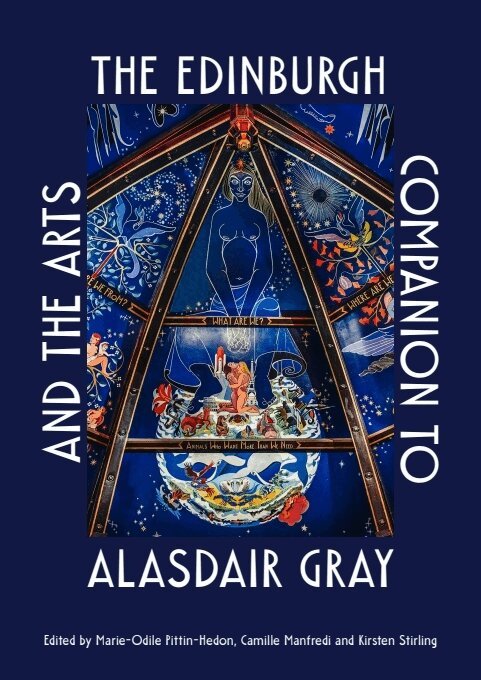
Edinburgh Companion to Alasdair Gray and the Arts
Av Marie-Odile Pittin-Hedon, Camille Manfredi m. fl.
Inbunden, 2026
3358 kr
Lägg i varukorg
Alasdair Gray (1934–2019) is widely recognised as a key figure in Scottish literature and culture. His work reached a new audience in 2024 due to the release of the Oscar-nominated adaptation of his novel Poor Things. In the wake of this recent attention, The Edinburgh Companion to Alasdair Gray …
Edinburgh Companion to Alasdair Gray and the Arts
Av Marie-Odile Pittin-Hedon, Camille Manfredi m. fl.
E-bok, 2026
2579 kr
Lägg i varukorg
Alasdair Gray (1934–2019) is widely recognised as a key figure in Scottish literature and culture. His work reached a new audience in 2024 due to the release of the Oscar-nominated adaptation of his novel Poor Things. In the wake of this recent attention, The Edinburgh Companion to Alasdair Gray …
Edinburgh Companion to Alasdair Gray and the Arts
Av Marie-Odile Pittin-Hedon, Camille Manfredi m. fl.
E-bok, 2026
2636 kr
Lägg i varukorg
Alasdair Gray (1934–2019) is widely recognised as a key figure in Scottish literature and culture. His work reached a new audience in 2024 due to the release of the Oscar-nominated adaptation of his novel Poor Things. In the wake of this recent attention, The Edinburgh Companion to Alasdair Gray …
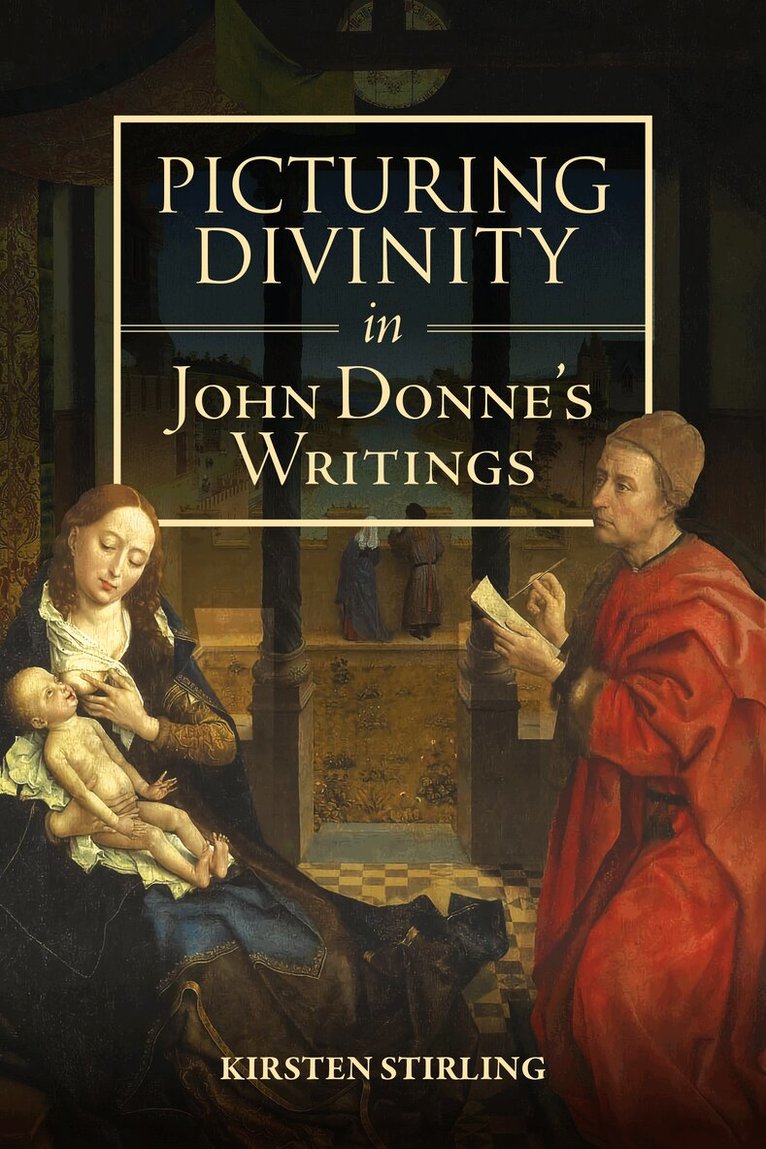
Picturing Divinity in John Donne's Writings
Häftad, 2024
434 kr
Lägg i varukorg
WINNER of the 2024 John Donne Society Distinguished Publication AwardA new approach to the visual arts in the work of John DonneThe five known portraits of John Donne and the many artworks bequeathed in his will bear witness to his interest in painting. His interest in art is also evident in his …
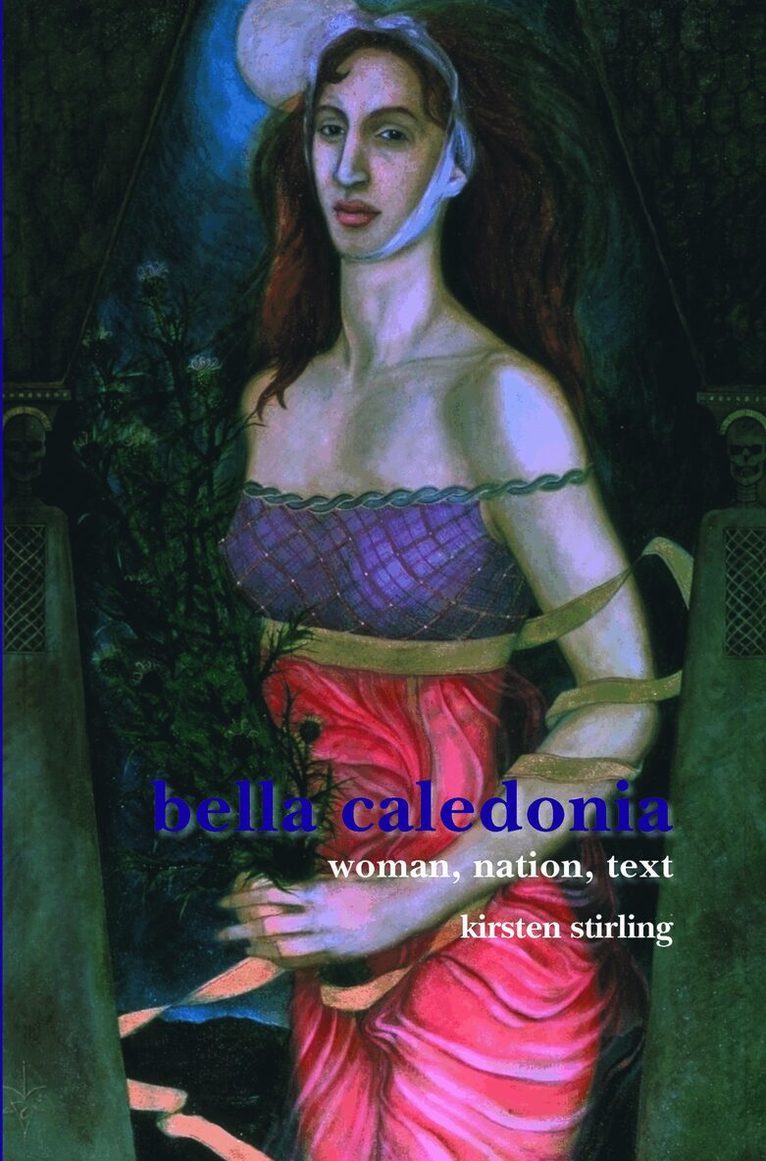
Bella Caledonia
Woman, Nation, Text
Häftad, 2008
859 kr
Lägg i varukorg
Bella Caledonia: Woman, Nation, Text looks at the widespread tradition of using a female figure to represent the nation, focusing on twentieth-century Scottish literature. The woman-as-nation figure emerged in Scotland in the twentieth century, but as a literary figure rather than an institutional …
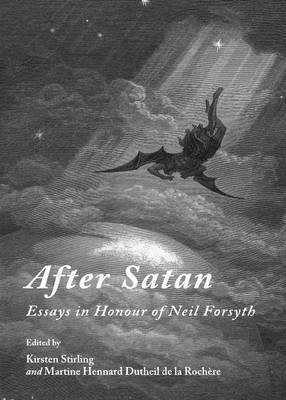
After Satan
Essays in Honour of Neil Forsyth
Av Kirsten Stirling, Martine Hennard Dutheil de la Rochère m. fl.
Inbunden, 2010
1290 kr
Tillfälligt slut
This volume is the result of a collective desire to pay homage to Neil Forsyth, whose work has significantly contributed to scholarship on Satan. This volume is "after" Satan in more ways than one, tracing the afterlife of both the satanic figure in literature and of Neil Forsyth's contribution to …