Kit Morrell – författare
Visar alla böcker från författaren Kit Morrell. Handla med fri frakt och snabb leverans.
8 produkter
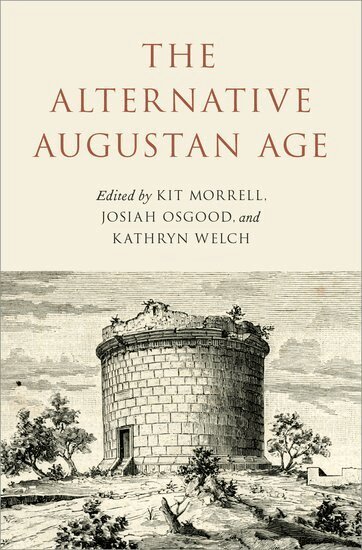
The Alternative Augustan Age
Av Osgood Et Al, Josiah Osgood m. fl.
Inbunden, 2019
1773 kr
Lägg i varukorg
The princeps Augustus (63 BCE - 14 CE), recognized as the first of the Roman emperors, looms large in the teaching and writing of Roman history. Major political, literary, and artistic developments alike are attributed to him. This book deliberately and provocatively shifts the focus off Augustus …
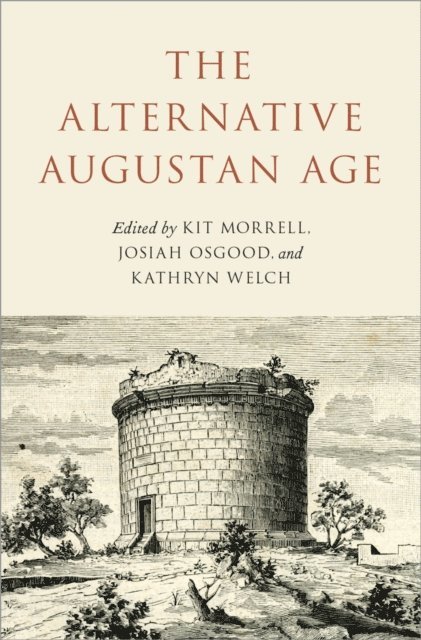
Alternative Augustan Age
Av Kathryn Welch, Kit Morrell m. fl.
E-bok, 2019
422 kr
Lägg i varukorg
The princeps Augustus (63 BCE - 14 CE), recognized as the first of the Roman emperors, looms large in the teaching and writing of Roman history. Major political, literary, and artistic developments alike are attributed to him. This book deliberately and provocatively shifts the focus off Augustus …
Alternative Augustan Age
Av Kathryn Welch, Kit Morrell m. fl.
E-bok, 2019
422 kr
Lägg i varukorg
The princeps Augustus (63 BCE - 14 CE), recognized as the first of the Roman emperors, looms large in the teaching and writing of Roman history. Major political, literary, and artistic developments alike are attributed to him. This book deliberately and provocatively shifts the focus off Augustus …
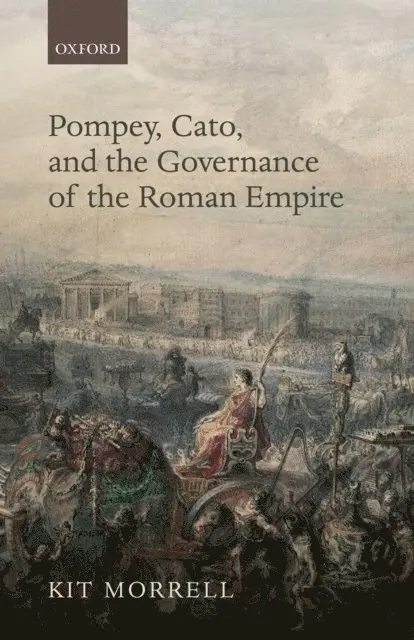
Pompey, Cato, and the Governance of the Roman Empire
Av Kit Morrell
E-bok, 2017
453 kr
Lägg i varukorg
Provincial governance under the Roman republic has long been notorious for its corrupt officials and greedy tax-farmers, though this is far from being the whole story. This book challenges the traditional picture, contending that leading late republican citizens were more concerned about the …
Pompey, Cato, and the Governance of the Roman Empire
Av Kit Morrell
E-bok, 2017
453 kr
Lägg i varukorg
Provincial governance under the Roman republic has long been notorious for its corrupt officials and greedy tax-farmers, though this is far from being the whole story. This book challenges the traditional picture, contending that leading late republican citizens were more concerned about the …
Pompey, Cato, and the Governance of the Roman Empire
Av Kit Morrell
Inbunden, 2017
1769 kr
Lägg i varukorg
Provincial governance under the Roman republic has long been notorious for its corrupt officials and greedy tax-farmers, though this is far from being the whole story. This book challenges the traditional picture, contending that leading late republican citizens were more concerned about the …
Pompey, Cato, and the Governance of the Roman Empire
Av Kit Morrell
Häftad, 2020
551 kr
Lägg i varukorg
Provincial governance under the Roman republic has long been notorious for its corrupt officials and greedy tax-farmers, though this is far from being the whole story. This book challenges the traditional picture, contending that leading late republican citizens were more concerned about the …
The Rule of Law in Ancient Rome
Inbunden, 2025
2033 kr
Lägg i varukorg
The ideal of the rule of law - that the law should protect all citizens from arbitrary exercises of power - can be traced from ancient Greece to the present day. The Roman contribution to the rule of law tradition has been largely overlooked, however, both in rule-of-law scholarship and recent …