Kiyokazu Okita – författare
Visar alla böcker från författaren Kiyokazu Okita. Handla med fri frakt och snabb leverans.
3 produkter
Hindu Theology in Early Modern South Asia
The Rise of Devotionalism and the Politics of Genealogy
E-bok, 2014
1503 kr
Lägg i varukorg
Focusing on the idea of genealogical affiliation (sampradāya), Kiyokazu Okita explores the interactions between the royal power and the priestly authority in eighteenth-century north India. He examines how the religious policies of Jaisingh II (1688-1743) of Jaipur influenced the …
Hindu Theology in Early Modern South Asia
The Rise of Devotionalism and the Politics of Genealogy
Inbunden, 2014
2352 kr
Lägg i varukorg
Focusing on the idea of genealogical affiliation (sampradāya), Kiyokazu Okita explores the interactions between the royal power and the priestly authority in eighteenth-century north India. He examines how the religious policies of Jaisingh II (1688-1743) of Jaipur influenced the …
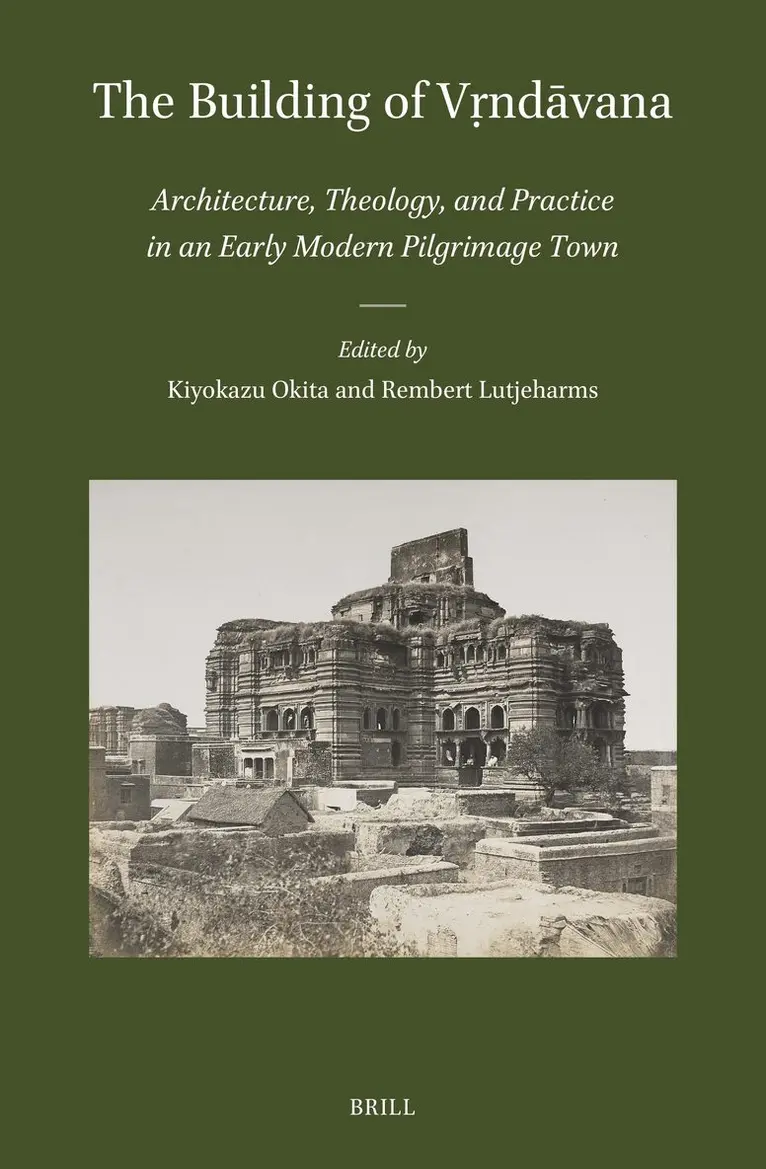
Building of Vṛndāvana
Architecture, Theology, and Practice in an Early Modern Pilgrimage Town
Av Kiyokazu Okita, Rembert Lutjeharms
Inbunden, 2024
1647 kr
Lägg i varukorg
The small town of Vṛndāvana is today one of the most vibrant places of pilgrimage in northern India. Throngs of pilgrims travel there each year to honour the sacred land of Kṛṣṇa’s youth and to visit many of its temples. The Building of Vṛndāvana explores the complex history of this town’s early …