Klaus Reutter – författare
Visar alla böcker från författaren Klaus Reutter. Handla med fri frakt och snabb leverans.
4 produkter
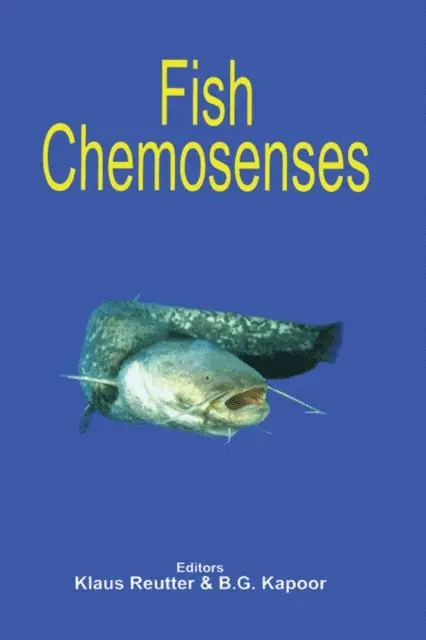
Fish Chemosenses
E-bok, 2005
1000 kr
Lägg i varukorg
This book deals with chemosensory systems of fishes and covers the well known olfactory and the gustatory senses as well as the less popular solitary chemosensory cells. Chemosenses play an essential role in the life of a fish. They help fish in their search for food, to consume it and digest it. …
Fish Chemosenses
Inbunden, 2005
2510 kr
Lägg i varukorg
This book deals with chemosensory systems of fishes and covers the well known olfactory and the gustatory senses as well as the less popular solitary chemosensory cells. Chemosenses play an essential role in the life of a fish. They help fish in their search for food, to consume it and digest it. …
Taste Organ in the Bullhead (Teleostei)
Häftad, 1978
1122 kr
Lägg i varukorg
In fish, the sense of taste is extraordinarily highly developed and essentially more sensitive than that of mammals. This is due to chemoreception, which offers suf ficient possibilities for animals living in water to orient and maintain themselves suc cessfully in individual and social life. …
Taste Organ in the Bullhead (Teleostei)
E-bok, 2012
1502 kr
Lägg i varukorg
In fish, the sense of taste is extraordinarily highly developed and essentially more sensitive than that of mammals. This is due to chemoreception, which offers suf ficient possibilities for animals living in water to orient and maintain themselves suc cessfully in individual and social life. …