B.G. Kapoor – författare
Visar alla böcker från författaren B.G. Kapoor. Handla med fri frakt och snabb leverans.
14 produkter
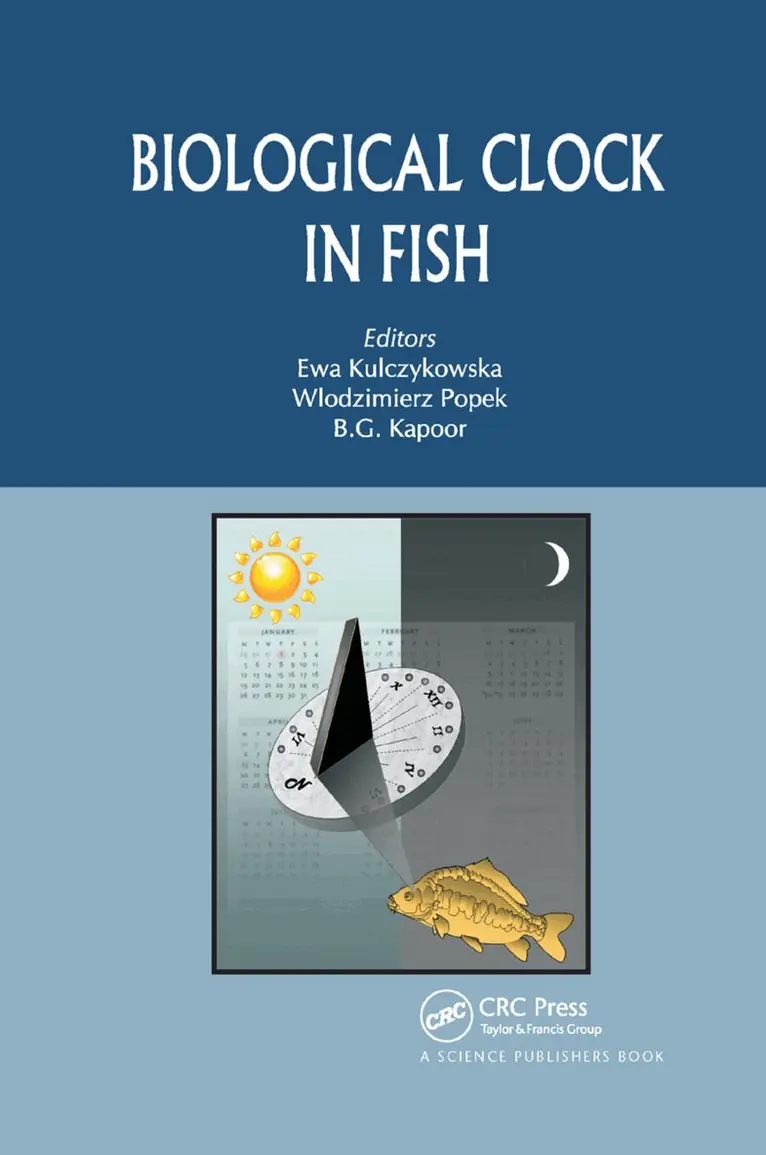
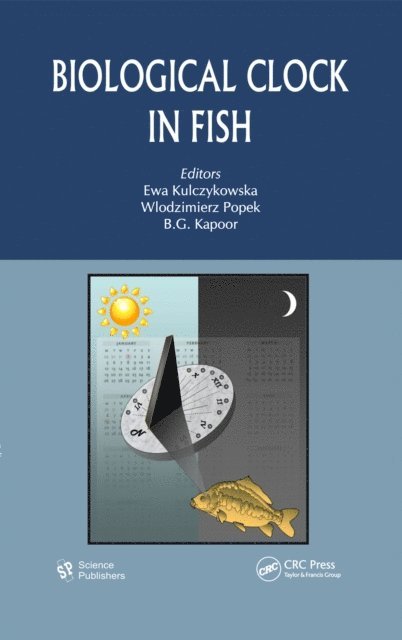
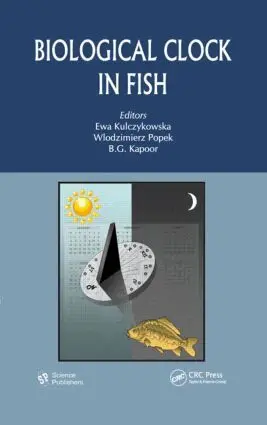
Biological Clock in Fish
Av Ewa Kulczykowska, Wlodzimierz Popek m. fl.
Häftad, 2019
1045 kr
Lägg i varukorg
Each organism has its own internal biological clock, which is reset by environmental cues (Zeitgebers), thus keeping it synchronized with the external environment. It is a chemically based oscillating system within cells, relying on molecular feedback loops. Circadian biological clocks exist in …
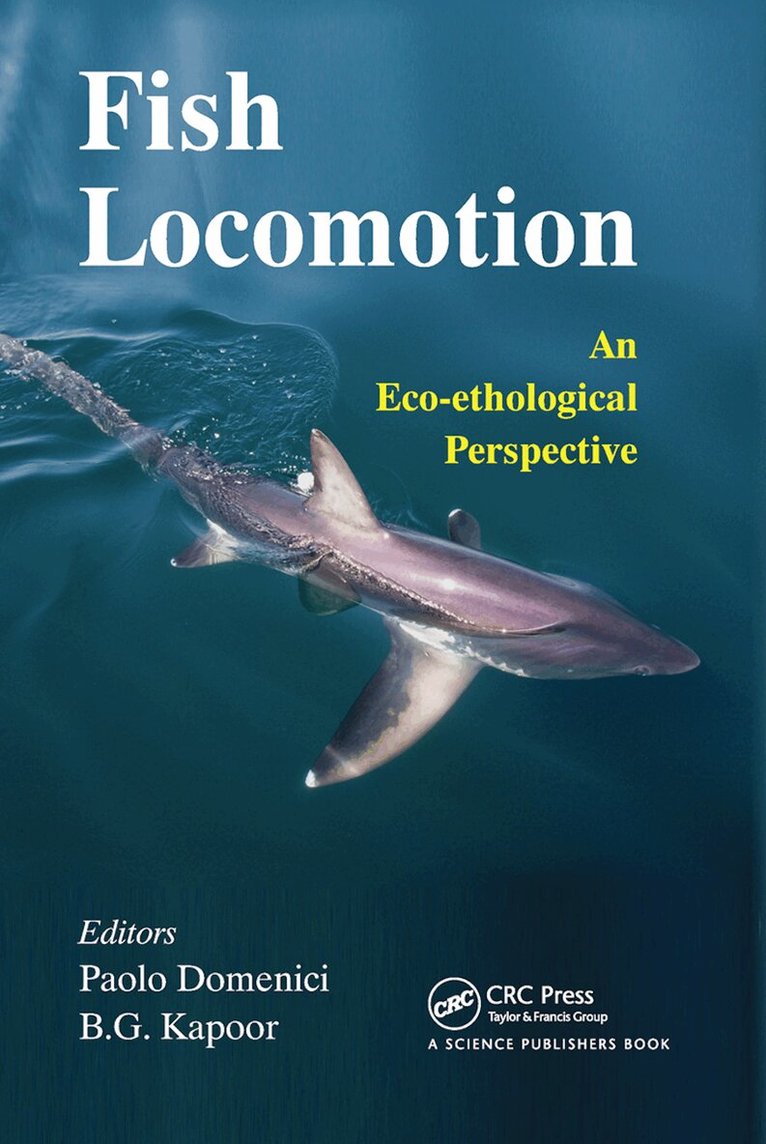
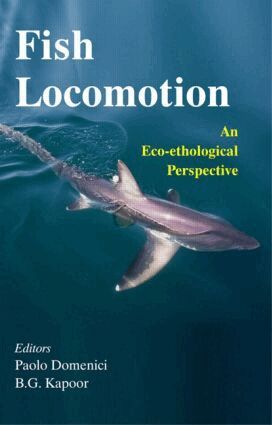
Fish Locomotion
An Eco-ethological Perspective
Av Paolo Domenici, B.G. Kapoor
Häftad, 2019
1015 kr
Lägg i varukorg
Fish accomplish most of their basic behaviors by swimming. Swimming is fundamental in a vast majority of fish species for avoiding predation, feeding, finding food, mating, migrating and finding optimal physical environments. Fish exhibit a wide variety of swimming patterns and behaviors. This …
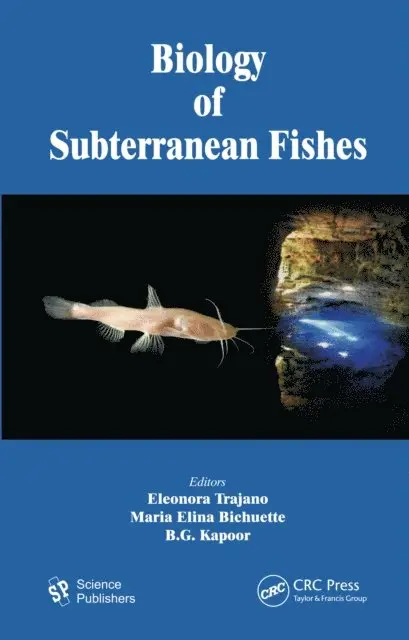
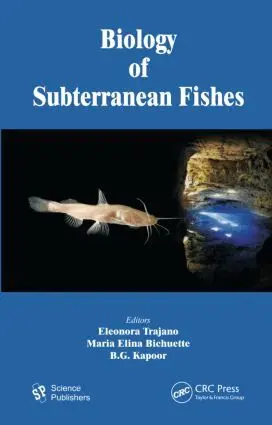
Biology of Subterranean Fishes
Av Eleonora Trajano, Maria Elina Bichuette m. fl.
Häftad, 2017
1218 kr
Lägg i varukorg
In most habitats, adaptations are the single most obvious aspects of an organism’s phenotype. However, the most obvious feature of many subterranean animals are losses, not adaptations. Even Darwin saw subterranean animals as degenerates: examples of eyelessness and loss of structure in general. …
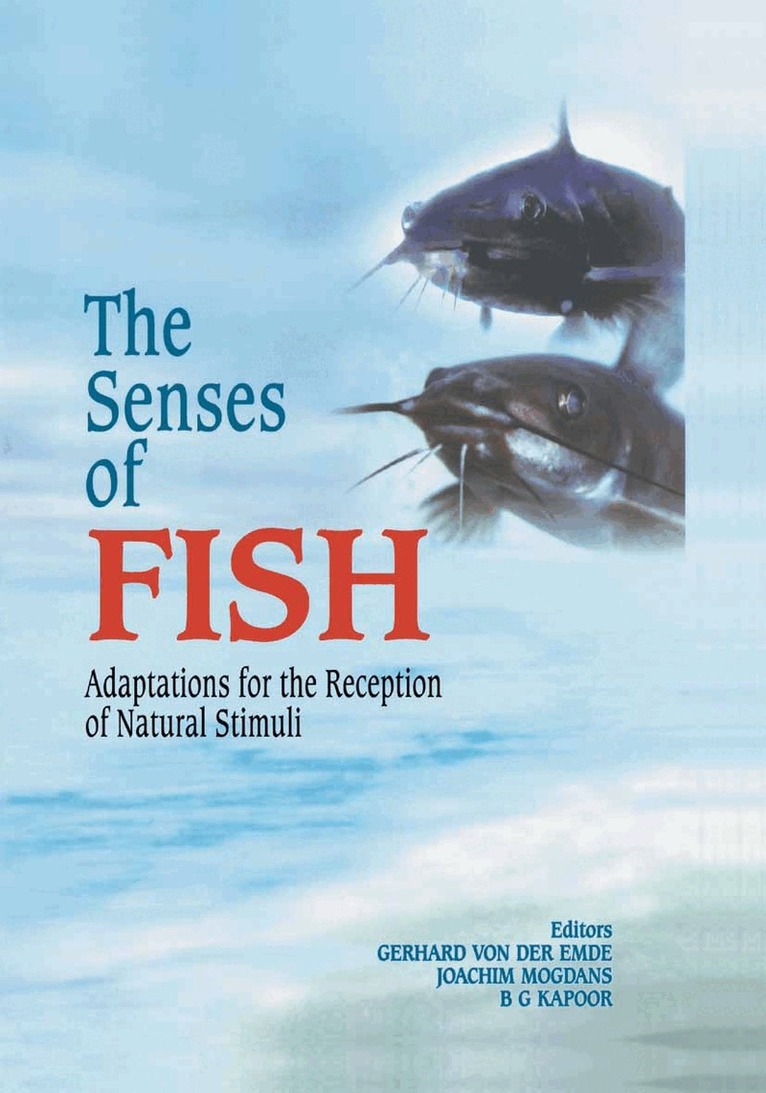
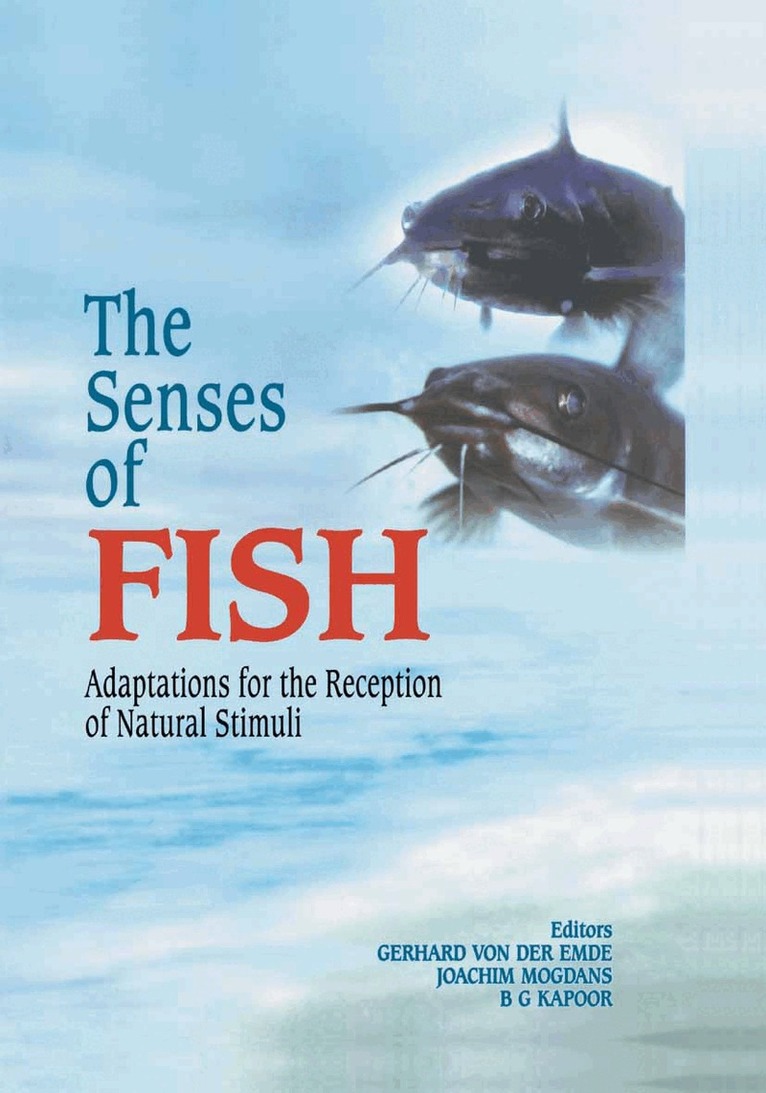
Senses of Fish
Adaptations for the Reception of Natural Stimuli
Av Gerhard von der Emde, Joachim Mogdans m. fl.
Inbunden, 2004
1639 kr
Lägg i varukorg
Fish comprise more than 50% of all living vertebrates and are found in a wide range of highly diverse habitats like the deep sea, the shoreline, tide pools, tropical streams and sweetwater ponds. During evolution, the senses of fish have adapted to the physical conditions of the environment in …
Biology of Subterranean Fishes
Av B.G. Kapoor, Maria Elina Bichuette m. fl.
E-bok, 2010
1437 kr
Lägg i varukorg
In most habitats, adaptations are the single most obvious aspects of an organism''s phenotype. However, the most obvious feature of many subterranean animals are losses, not adaptations. Even Darwin saw subterranean animals as degenerates: examples of eyelessness and loss of structure in general. …
Biological Clock in Fish
Av B.G. Kapoor, Wlodzimierz Popek m. fl.
E-bok, 2010
1203 kr
Lägg i varukorg
Each organism has its own internal biological clock, which is reset by environmental cues (Zeitgebers), thus keeping it synchronized with the external environment. It is a chemically based oscillating system within cells, relying on molecular feedback loops. Circadian biological clocks exist in …
Fish Larval Physiology
Av Roderick Nigel Finn, B.G. Kapoor
Inbunden, 2008
3076 kr
Lägg i varukorg
This book is intended as a resource for students and researchers interested in developmental biology and physiology and specifically addresses the larval stages of fish. Fish larvae (and fish embryos) are not small juveniles or adults. Rather they are transitionary organisms that bridge the …
Fish Locomotion
An Eco-ethological Perspective
Av Paolo Domenici, B.G. Kapoor
Inbunden, 2010
3076 kr
Lägg i varukorg
Fish accomplish most of their basic behaviors by swimming. Swimming is fundamental in a vast majority of fish species for avoiding predation, feeding, finding food, mating, migrating and finding optimal physical environments. Fish exhibit a wide variety of swimming patterns and behaviors. This …
Biology of Subterranean Fishes
Av Eleonora Trajano, Maria Elina Bichuette m. fl.
Inbunden, 2010
3441 kr
Lägg i varukorg
In most habitats, adaptations are the single most obvious aspects of an organism’s phenotype. However, the most obvious feature of many subterranean animals are losses, not adaptations. Even Darwin saw subterranean animals as degenerates: examples of eyelessness and loss of structure in general. …
Biological Clock in Fish
Av Ewa Kulczykowska, Wlodzimierz Popek m. fl.
Inbunden, 2010
3076 kr
Lägg i varukorg
Each organism has its own internal biological clock, which is reset by environmental cues (Zeitgebers), thus keeping it synchronized with the external environment. It is a chemically based oscillating system within cells, relying on molecular feedback loops. Circadian biological clocks exist in …
Ichthyology Handbook
Häftad, 2014
1639 kr
Lägg i varukorg
In recent years, progress in fish biology has advanced at an unprecedented rate and has led to many breakthroughs in the field. This book provides a wealth of information on the strategies that fish adopt with respect to waters with markedly different physical and chemical characteristics. It shows …
Senses of Fish
Adaptations for the Reception of Natural Stimuli
Av B.G. Kapoor, Joachim Mogdans m. fl.
E-bok, 2012
2111 kr
Lägg i varukorg
Fish comprise more than 50% of all living vertebrates and are found in a wide range of highly diverse habitats like the deep sea, the shoreline, tide pools, tropical streams and sweetwater ponds. During evolution, the senses of fish have adapted to the physical conditions of the environment in …
Senses of Fish
Adaptations for the Reception of Natural Stimuli
Av Gerhard von der Emde, Joachim Mogdans m. fl.
Häftad, 2012
1639 kr
Lägg i varukorg
Fish comprise more than 50% of all living vertebrates and are found in a wide range of highly diverse habitats like the deep sea, the shoreline, tide pools, tropical streams and sweetwater ponds. During evolution, the senses of fish have adapted to the physical conditions of the environment in …
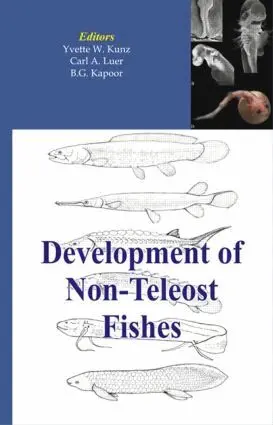
Development of Non-teleost Fishes
Av Yvette W Kunz, Carl A. Luer m. fl.
Inbunden, 2009
1459 kr
Tillfälligt slut
A compilation of the development of non-teleost fishes has so far been unavailable. These fishes include the jawless fishes (hagfish and lampreys), the cartilaginous fishes (sharks, rays, skates and chimaeras), the forerunners of the teleostei: the cladistia (bichirs and reedfish), the chondrostei …