Knut Heidar – författare
Visar alla böcker från författaren Knut Heidar. Handla med fri frakt och snabb leverans.
14 produkter
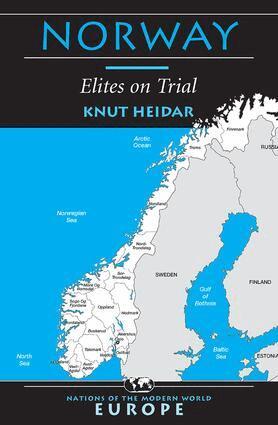
Norway
Center And Periphery
Av Knut Heidar
Inbunden, 2019
2504 kr
Lägg i varukorg
Norway is by history and culture very much a Scandinavian nation with its own unique profile. This book analyzes the factors that have shaped the sociocultural fabric of Norwegian politics. One of the most important themes Heidar analyzes is the power of the periphery, both in social as well as …
Do Parties Still Represent?
An Analysis of the Representativeness of Political Parties in Western Democracies
Häftad, 2020
718 kr
Lägg i varukorg
This book examines the representativeness of party membership and analyses the potential consequences of changing representativeness. Parties with high membership ratios, as well as those experiencing severe decline, are compared and examined across countries with varying constitutional …
Parliamentary Party Groups in European Democracies
Political Parties Behind Closed Doors
Inbunden, 1999
2504 kr
Lägg i varukorg
The partisan groups in parliament form the link between mass suffrage, parties and parliaments, and are generally accepted today as necessary instruments of parliamentary business. Parliamentary party groups are central actors in most European democracies. This volume analyses the manifestations …
Norway
Center And Periphery
Av Knut Heidar
E-bok, 2018
1004 kr
Lägg i varukorg
Norway is by history and culture very much a Scandinavian nation with its own unique profile. This book analyzes the factors that have shaped the sociocultural fabric of Norwegian politics. One of the most important themes Heidar analyzes is the power of the periphery, both in social as well as …
Norway
Center And Periphery
Av Knut Heidar
E-bok, 2018
983 kr
Lägg i varukorg
Norway is by history and culture very much a Scandinavian nation with its own unique profile. This book analyzes the factors that have shaped the sociocultural fabric of Norwegian politics. One of the most important themes Heidar analyzes is the power of the periphery, both in social as well as …
Norway
Center And Periphery
Av Knut Heidar
Häftad, 2000
851 kr
Lägg i varukorg
Norway is by history and culture very much a Scandinavian nation with its own unique profile. This book analyzes the factors that have shaped the sociocultural fabric of Norwegian politics. One of the most important themes Heidar analyzes is the power of the periphery, both in social as well as …
Do Parties Still Represent?
An Analysis of the Representativeness of Political Parties in Western Democracies
Inbunden, 2019
2512 kr
Lägg i varukorg
This book examines the representativeness of party membership and analyses the potential consequences of changing representativeness. Parties with high membership ratios, as well as those experiencing severe decline, are compared and examined across countries with varying constitutional …
Parliamentary Party Groups in European Democracies
Political Parties Behind Closed Doors
E-bok, 2003
813 kr
Lägg i varukorg
The partisan groups in parliament form the link between mass suffrage, parties and parliaments, and are generally accepted today as necessary instruments of parliamentary business. Parliamentary party groups are central actors in most European democracies. This volume analyses the manifestations …
Parliamentary Party Groups in European Democracies
Political Parties Behind Closed Doors
E-bok, 2003
813 kr
Lägg i varukorg
The partisan groups in parliament form the link between mass suffrage, parties and parliaments, and are generally accepted today as necessary instruments of parliamentary business. Parliamentary party groups are central actors in most European democracies. This volume analyses the manifestations …
Do Parties Still Represent?
An Analysis of the Representativeness of Political Parties in Western Democracies
E-bok, 2019
849 kr
Lägg i varukorg
This book examines the representativeness of party membership and analyses the potential consequences of changing representativeness. Parties with high membership ratios, as well as those experiencing severe decline, are compared and examined across countries with varying constitutional …
Do Parties Still Represent?
An Analysis of the Representativeness of Political Parties in Western Democracies
E-bok, 2019
849 kr
Lägg i varukorg
This book examines the representativeness of party membership and analyses the potential consequences of changing representativeness. Parties with high membership ratios, as well as those experiencing severe decline, are compared and examined across countries with varying constitutional …
After the Mass Party
Continuity and Change in Political Parties and Representation in Norway
Av Elin Haugsgjerd Allern, Knut Heidar m. fl.
Inbunden, 2015
1275 kr
Lägg i varukorg
This book examines whether parties’ ability to channel voter interests into political institutions has in fact declined in the wake of decline of party membership figures and the increase of state finance of parties. It first looks at relevant empirical studies to summarize what we already know. …
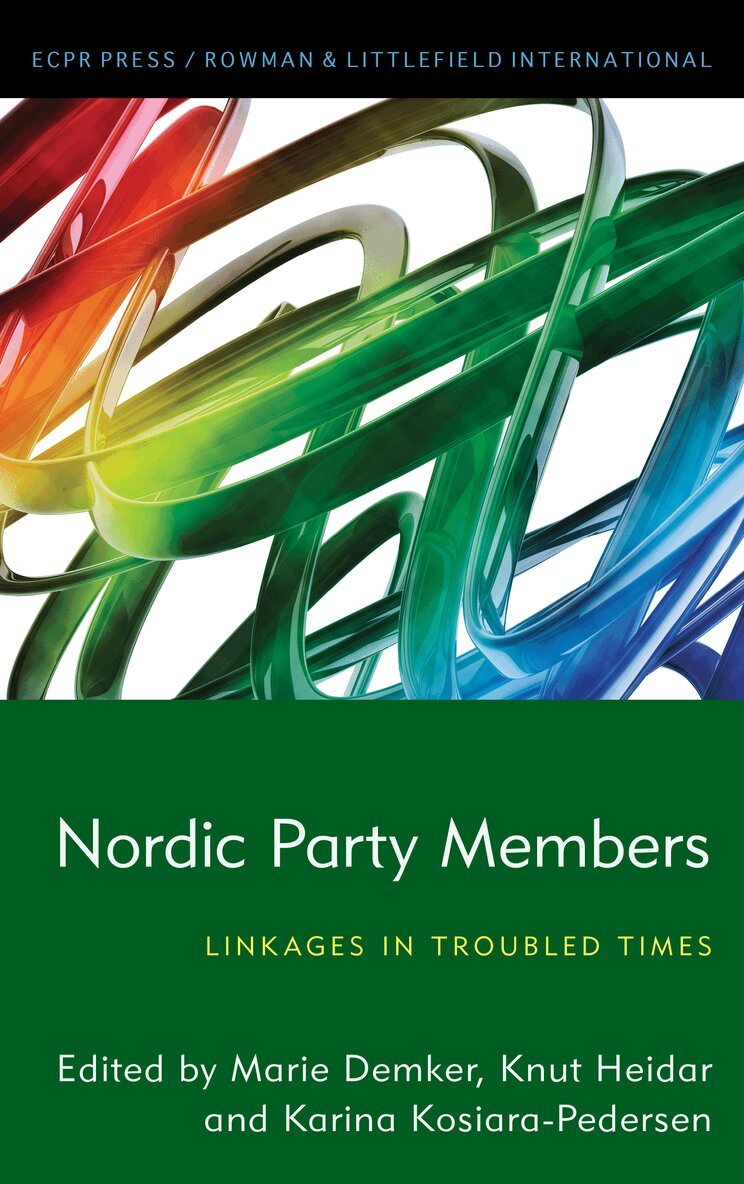
Nordic Party Members
Linkages in Troubled Times
Av Marie Demker, Knut Heidar m. fl.
Häftad, 2021
505 kr
Lägg i varukorg
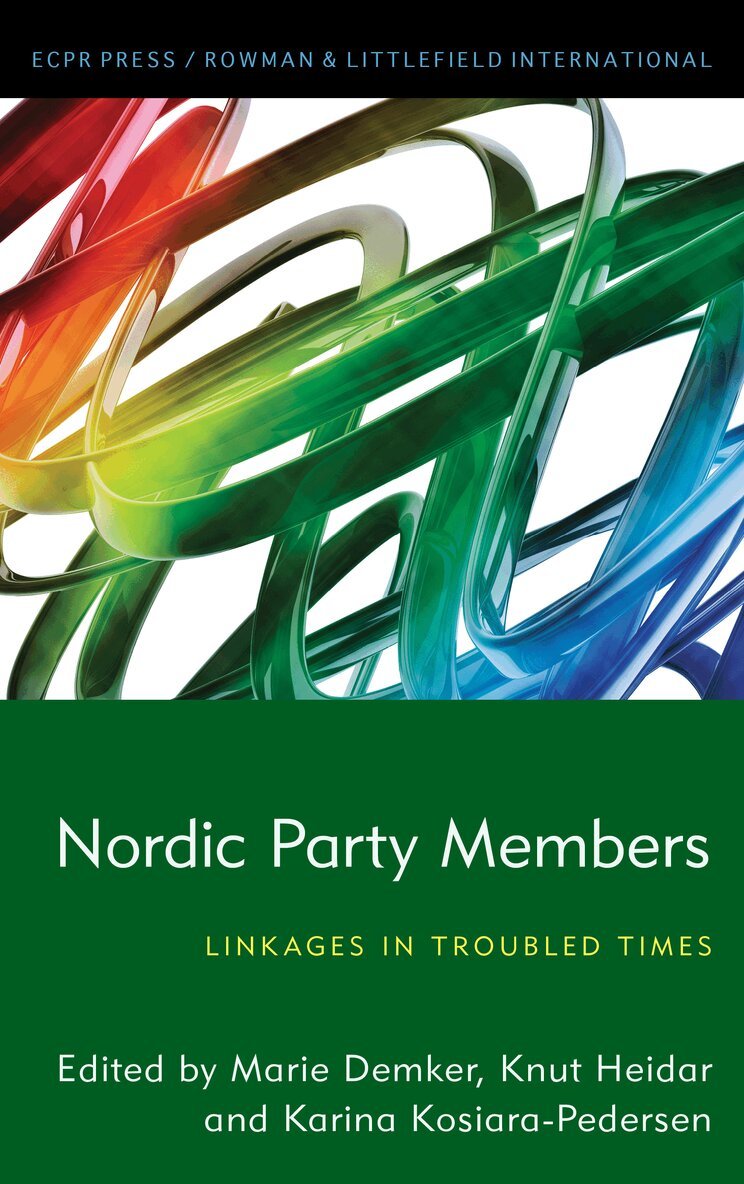
Nordic Party Members
Linkages in Troubled Times
Av Marie Demker, Knut Heidar m. fl.
Inbunden, 2019
1400 kr
Lägg i varukorg