Konrad Krauskopf - Böcker
Visar alla böcker från författaren Konrad Krauskopf. Handla med fri frakt och snabb leverans.
2 produkter
2 produkter
750 kr
Skickas inom 3-6 vardagar
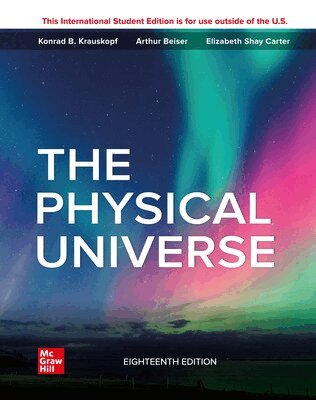
Aimed at presenting the essentials of physics, chemistry, earth science, and astronomy in a clear, easy-to-understand way, The Physical Universe shows students how science works, how scientists approach problems, and why science constantly evolves in its search for understanding. The book concentrates on those aspects of the physical sciences most relevant to a nonscientist who wants to understand how the universe works and to know something about the connections between science and everyday life. The new edition continues the important theme of helping students become well-informed citizens.The new edition of The Physical Universe is also available in McGraw Hill Connect, featuring SmartBook 2.0, STEM Prep Modules, Application-Based Activities, a Curated Question Bank, and more!
536 kr
Skickas inom 10-15 vardagar
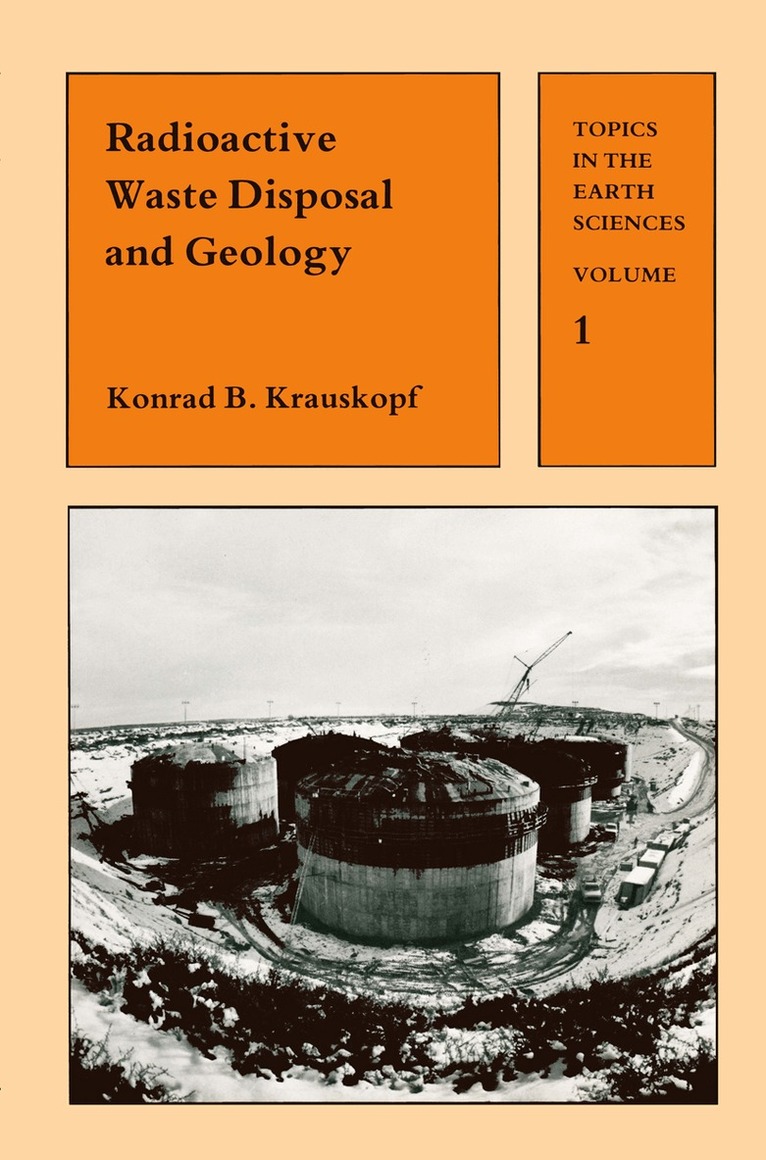
The perception of radioactive waste as a major problem for the industrial world has developed only recently. Four decades ago the disposal of such waste was regarded as a relatively minor matter. Those were the heady days when nuclear fission seemed the answer to the world's energy needs: the two wartime bombs had demonstrated its awesome power, and now it was to be harnessed for the production of electricity, the excavation of canals, even the running of cars and airplanes. In all applications of fission some waste containing radioactive elements would be generated of course, but it seemed only a trivial annoyance, a problem whose solution could be deferred until the more exciting challenges of constructing reactors and devising more efficient weapons had been mastered. So waste accumulated, some in tanks and some buried in shallow trenches. These were recognized as only temporary, makeshift measures, because it was known that the debris would be hazardous to its surroundings for many thousands of years and hence that more permanent disposal would someday be needed. The difficulty of accomplishing this more lasting disposal only gradually became apparent. The difficulty has been compounded by uncertainty about the physiological effects oflow-Ievel radiation, by the inadequacy of detailed knowledge about the behavior of engineered and geologic materials over long periods under unusual conditions, and by the sensitization of popular fears about radiation in all its forms following widely publicized reactor accidents and leaks from waste storage sites.