Konstantinos Thomaidis - Böcker
Visar alla böcker från författaren Konstantinos Thomaidis. Handla med fri frakt och snabb leverans.
5 produkter
5 produkter
2 150 kr
Skickas inom 10-15 vardagar
Time and Performer Training addresses the importance and centrality of time and temporality to the practices, processes and conceptual thinking of performer training. Notions of time are embedded in almost every aspect of performer training, and so contributors to this book look at:age/aging and children in the training contexthow training impacts over a lifetimethe duration of training and the impact of training regimes over timeconcepts of timing and the ‘right’ timehow time is viewed from a range of international training perspectivescollectives, ensembles and fashions in training, their decay or enduranceThrough focusing on time and the temporal in performer training, this book offers innovative ways of integrating research into studio practices. It also steps out beyond the more traditional places of training to open up time in relation to contested training practices that take place online, in festival spaces and in folk or amateur practices.Ideal for both instructors and students, each section of this well-illustrated book follows a thematic structure and includes full-length chapters alongside shorter provocations. Featuring contributions from an international range of authors who draw on their backgrounds as artists, scholars and teachers, Time and Performer Training is a major step in our understanding of how time affects the preparation for performance.Chapter 16 of this book is freely available as a downloadable Open Access PDF at http://www.taylorfrancis.com under a Creative Commons (CC-BY) 4.0 license.
579 kr
Skickas inom 10-15 vardagar
Time and Performer Training addresses the importance and centrality of time and temporality to the practices, processes and conceptual thinking of performer training. Notions of time are embedded in almost every aspect of performer training, and so contributors to this book look at:age/aging and children in the training contexthow training impacts over a lifetimethe duration of training and the impact of training regimes over timeconcepts of timing and the ‘right’ timehow time is viewed from a range of international training perspectivescollectives, ensembles and fashions in training, their decay or enduranceThrough focusing on time and the temporal in performer training, this book offers innovative ways of integrating research into studio practices. It also steps out beyond the more traditional places of training to open up time in relation to contested training practices that take place online, in festival spaces and in folk or amateur practices.Ideal for both instructors and students, each section of this well-illustrated book follows a thematic structure and includes full-length chapters alongside shorter provocations. Featuring contributions from an international range of authors who draw on their backgrounds as artists, scholars and teachers, Time and Performer Training is a major step in our understanding of how time affects the preparation for performance.Chapter 16 of this book is freely available as a downloadable Open Access PDF at http://www.taylorfrancis.com under a Creative Commons (CC-BY) 4.0 license.
131 kr
Skickas inom 10-15 vardagar
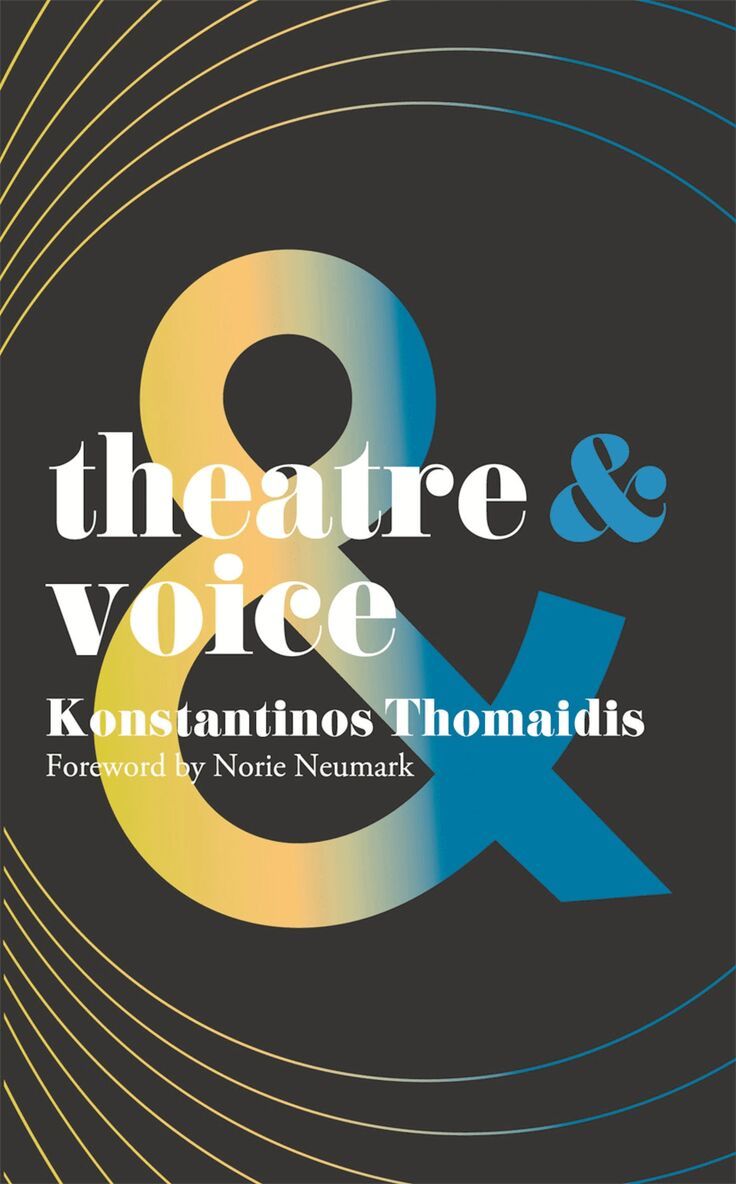
How can we rethink the importance of voice in performance? How can we understand voice simultaneously as music and text, as sound and body, or as both personal and political?This book explores voice across genres, media and cultures, inviting the reader to reassess established ways of analysing, enjoying and listening to voice. Using a wide range of case studies integrated with critical and philosophical frameworks, it makes audible the multiple ways in which voice contributes to how we perform identities. From opera and musical theatre to live art and immersive audio walks, Konstantinos Thomaidis presents voice as plural, elusive and ripe for reinvention.
2 150 kr
Skickas inom 10-15 vardagar
Voice Studies brings together leading international scholars and practitioners, to re-examine what voice is, what voice does, and what we mean by "voice studies" in the process and experience of performance. This dynamic and interdisciplinary publication draws on a broad range of approaches, from composing and voice teaching through to psychoanalysis and philosophy, including: voice training from the Alexander Technique to practice-as-research; operatic and extended voices in early baroque and contemporary underwater singing; voices across cultures, from site-specific choral performance in Kentish mines and Australian sound art, to the laments of Kraho Indians, Korean pansori and Javanese wayang; voice, embodiment and gender in Robertson’s 1798 production of Phantasmagoria, Cathy Berberian radio show, and Romeo Castellucci’s theatre; perceiving voice as a composer, listener, or as eavesdropper; voice, technology and mobile apps. With contributions spanning six continents, the volume considers the processes of teaching or writing for voice, the performance of voice in theatre, live art, music, and on recordings, and the experience of voice in acoustic perception and research. It concludes with a multifaceted series of short provocations that simply revisit the core question of the whole volume: what is voice studies?
747 kr
Skickas inom 10-15 vardagar
Voice Studies brings together leading international scholars and practitioners, to re-examine what voice is, what voice does, and what we mean by "voice studies" in the process and experience of performance. This dynamic and interdisciplinary publication draws on a broad range of approaches, from composing and voice teaching through to psychoanalysis and philosophy, including: voice training from the Alexander Technique to practice-as-research; operatic and extended voices in early baroque and contemporary underwater singing; voices across cultures, from site-specific choral performance in Kentish mines and Australian sound art, to the laments of Kraho Indians, Korean pansori and Javanese wayang; voice, embodiment and gender in Robertson’s 1798 production of Phantasmagoria, Cathy Berberian radio show, and Romeo Castellucci’s theatre; perceiving voice as a composer, listener, or as eavesdropper; voice, technology and mobile apps. With contributions spanning six continents, the volume considers the processes of teaching or writing for voice, the performance of voice in theatre, live art, music, and on recordings, and the experience of voice in acoustic perception and research. It concludes with a multifaceted series of short provocations that simply revisit the core question of the whole volume: what is voice studies?