Kostas Boyiopoulos – författare
Visar alla böcker från författaren Kostas Boyiopoulos. Handla med fri frakt och snabb leverans.
14 produkter
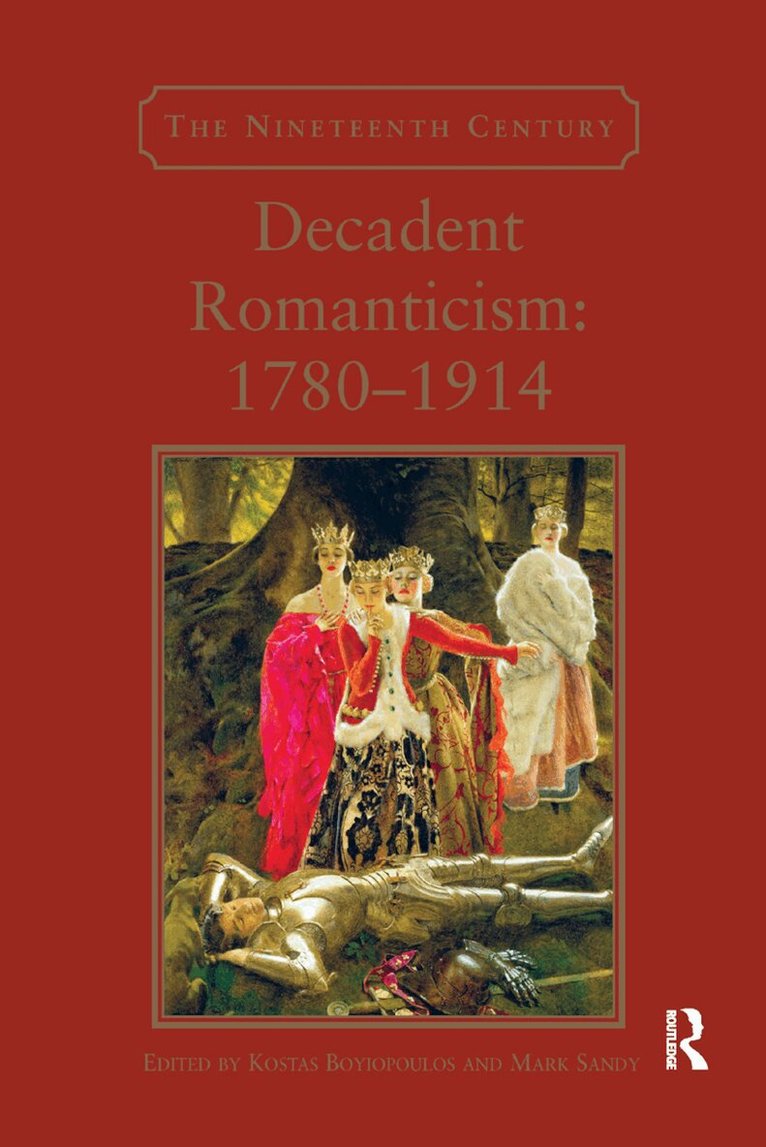
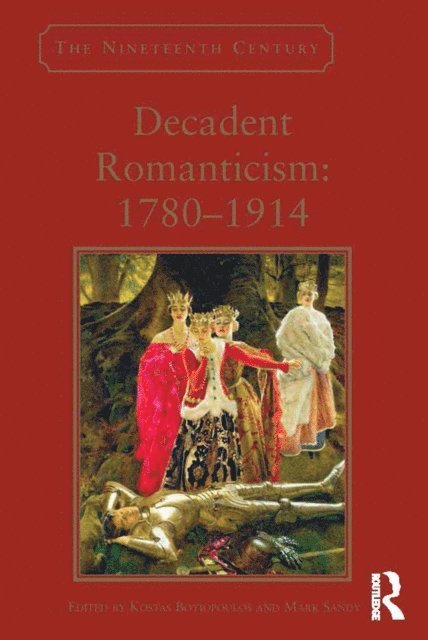
Decadent Romanticism: 1780-1914
Av Kostas Boyiopoulos, Mark Sandy
Häftad, 2020
809 kr
Lägg i varukorg
For Decadent authors, Romanticism was a source of powerful imaginative revisionism, perversion, transition, and partial negation. But for all these strong Decadent reactions against the period, the cultural phenomenon of Decadence shared with Romanticism a mutual distrust of the philosophy of …
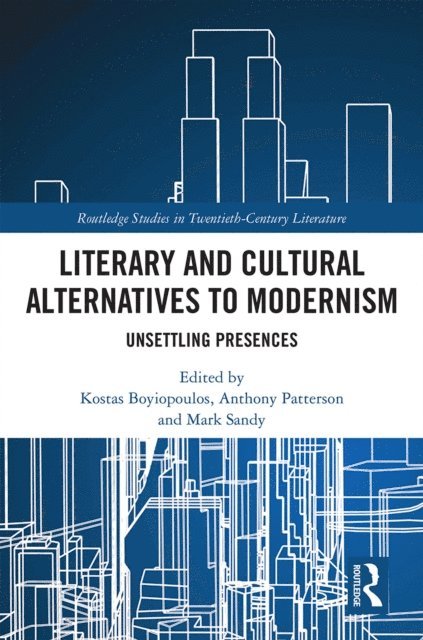
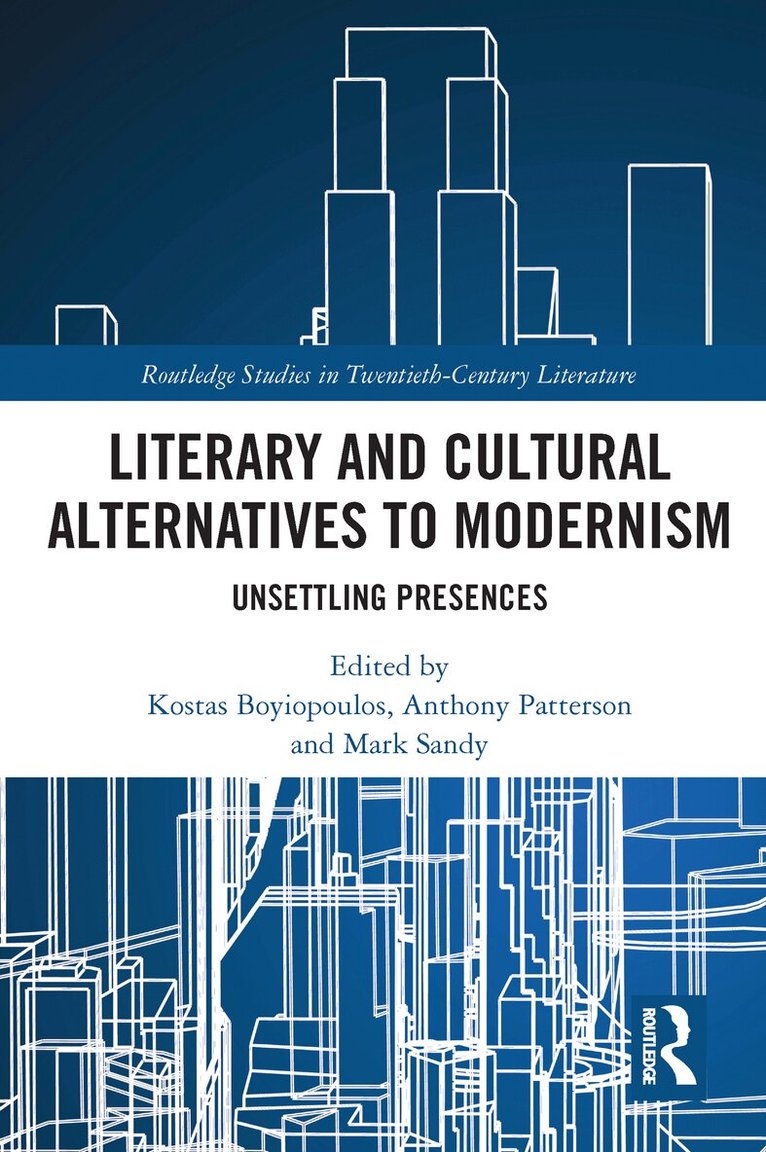
Literary and Cultural Alternatives to Modernism
Unsettling Presences
Av Mark Sandy, Anthony Patterson m. fl.
E-bok, 2019
956 kr
Lägg i varukorg
Our collection of essays re-evaluates the much critically contested term of Modernism that, eventually, came to be used of the dominant, or paradigmatic, strain of literary discourse in early-twentieth-century culture. Modernism as a category is one which is constantly challenged, hybridised, and …
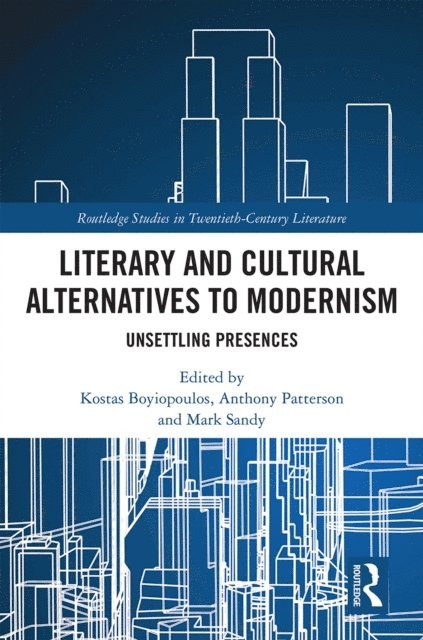
Literary and Cultural Alternatives to Modernism
Unsettling Presences
Av Mark Sandy, Anthony Patterson m. fl.
E-bok, 2019
956 kr
Lägg i varukorg
Our collection of essays re-evaluates the much critically contested term of Modernism that, eventually, came to be used of the dominant, or paradigmatic, strain of literary discourse in early-twentieth-century culture. Modernism as a category is one which is constantly challenged, hybridised, and …
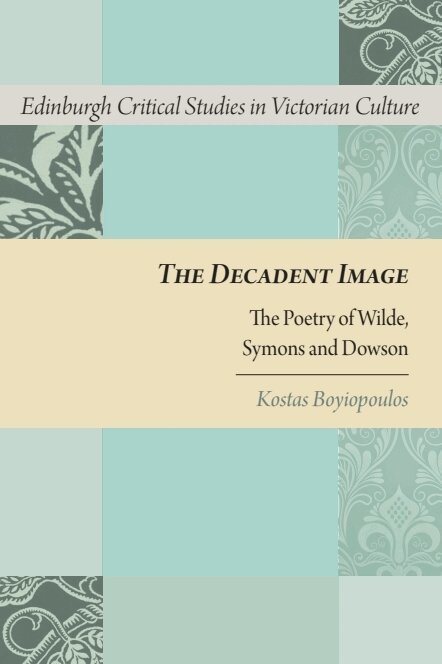
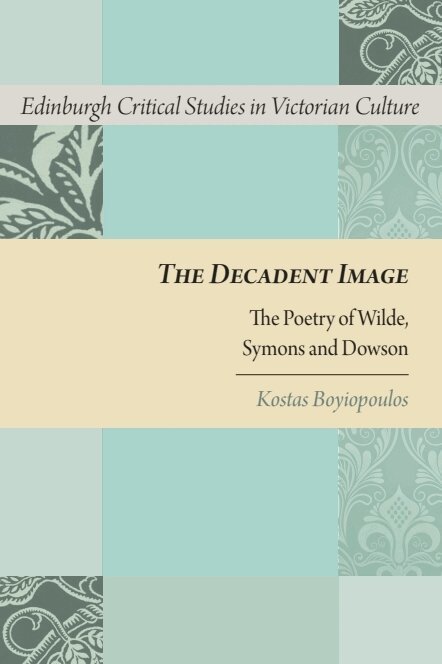
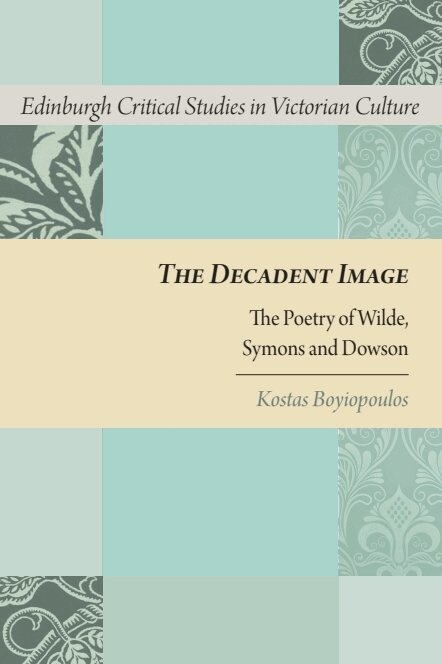
Decadent Image
The Poetry of Wilde, Symons, and Dowson
E-bok, 2015
375 kr
Lägg i varukorg
Explores culturally significant encounters between sensuality and artificiality in the poetry of Wilde, Symons, and Dowson. This book enquires into the problem of venerating artificiality and the inaccessibility of beauty associated with it whilst engaging in the sensuous, immediate experience as …
Decadent Image
The Poetry of Wilde, Symons, and Dowson
E-bok, 2015
375 kr
Lägg i varukorg
Explores culturally significant encounters between sensuality and artificiality in the poetry of Wilde, Symons, and Dowson. This book enquires into the problem of venerating artificiality and the inaccessibility of beauty associated with it whilst engaging in the sensuous, immediate experience as …
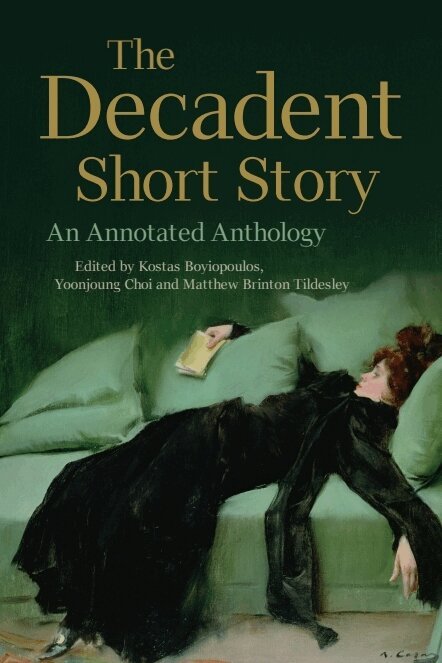
Decadent Short Story
An Annotated Anthology
Av Kostas Boyiopoulos, Yoonjoung Choi m. fl.
Häftad, 2014
480 kr
Lägg i varukorg
The first anthology of Decadent short stories reflecting a variety of fin-de-siècle themesThis wide-ranging anthology showcases for the first time the short story as the most attractive genre for British writers who experimented with Decadent themes and styles. From familiar writers such as Ernest …
Literary and Cultural Alternatives to Modernism
Unsettling Presences
Av Kostas Boyiopoulos, Anthony Patterson m. fl.
Häftad, 2021
814 kr
Lägg i varukorg
Our collection of essays re-evaluates the much critically contested term of Modernism that, eventually, came to be used of the dominant, or paradigmatic, strain of literary discourse in early-twentieth-century culture. Modernism as a category is one which is constantly challenged, hybridised, and …
Literary and Cultural Alternatives to Modernism
Unsettling Presences
Av Kostas Boyiopoulos, Anthony Patterson m. fl.
Inbunden, 2019
2896 kr
Lägg i varukorg
Our collection of essays re-evaluates the much critically contested term of Modernism that, eventually, came to be used of the dominant, or paradigmatic, strain of literary discourse in early-twentieth-century culture. Modernism as a category is one which is constantly challenged, hybridised, and …
Decadent Romanticism: 1780-1914
Av Mark Sandy, Kostas Boyiopoulos
E-bok, 2016
935 kr
Lägg i varukorg
For Decadent authors, Romanticism was a source of powerful imaginative revisionism, perversion, transition, and partial negation. But for all these strong Decadent reactions against the period, the cultural phenomenon of Decadence shared with Romanticism a mutual distrust of the philosophy of …
Decadent Romanticism: 1780-1914
Av Mark Sandy, Kostas Boyiopoulos
E-bok, 2016
956 kr
Lägg i varukorg
For Decadent authors, Romanticism was a source of powerful imaginative revisionism, perversion, transition, and partial negation. But for all these strong Decadent reactions against the period, the cultural phenomenon of Decadence shared with Romanticism a mutual distrust of the philosophy of …
Decadent Image
The Poetry of Wilde, Symons, and Dowson
Häftad, 2027
289 kr
Kommande
Explores culturally significant encounters between sensuality and artificiality in the poetry of Wilde, Symons, and Dowson.This book enquires into the problem of venerating artificiality and the inaccessibility of beauty associated with it whilst engaging in the sensuous, immediate experience as it …
Decadent Romanticism: 1780-1914
Av Kostas Boyiopoulos, Mark Sandy
Inbunden, 2015
2896 kr
Lägg i varukorg
For Decadent authors, Romanticism was a source of powerful imaginative revisionism, perversion, transition, and partial negation. But for all these strong Decadent reactions against the period, the cultural phenomenon of Decadence shared with Romanticism a mutual distrust of the philosophy of …
Aphoristic Modernity
1880 to the Present
Inbunden, 2019
2301 kr
Lägg i varukorg
For the first time in scholarship, this essay collection interprets modernity through the literary micro-genres of the aphorism, the epigram, the maxim, and the fragment. Situating Friedrich Nietzsche and Oscar Wilde as forerunners of modern aphoristic culture, the collection analyses the …
Decadent Image
The Poetry of Wilde, Symons, and Dowson
Inbunden, 2015
1324 kr
Tillfälligt slut
Explores culturally significant encounters between sensuality and artificiality in the poetry of Wilde, Symons, and Dowson.This book enquires into the problem of venerating artificiality and the inaccessibility of beauty associated with it whilst engaging in the sensuous, immediate experience as it …