Kristina Huneault – författare
Visar alla böcker från författaren Kristina Huneault. Handla med fri frakt och snabb leverans.
6 produkter
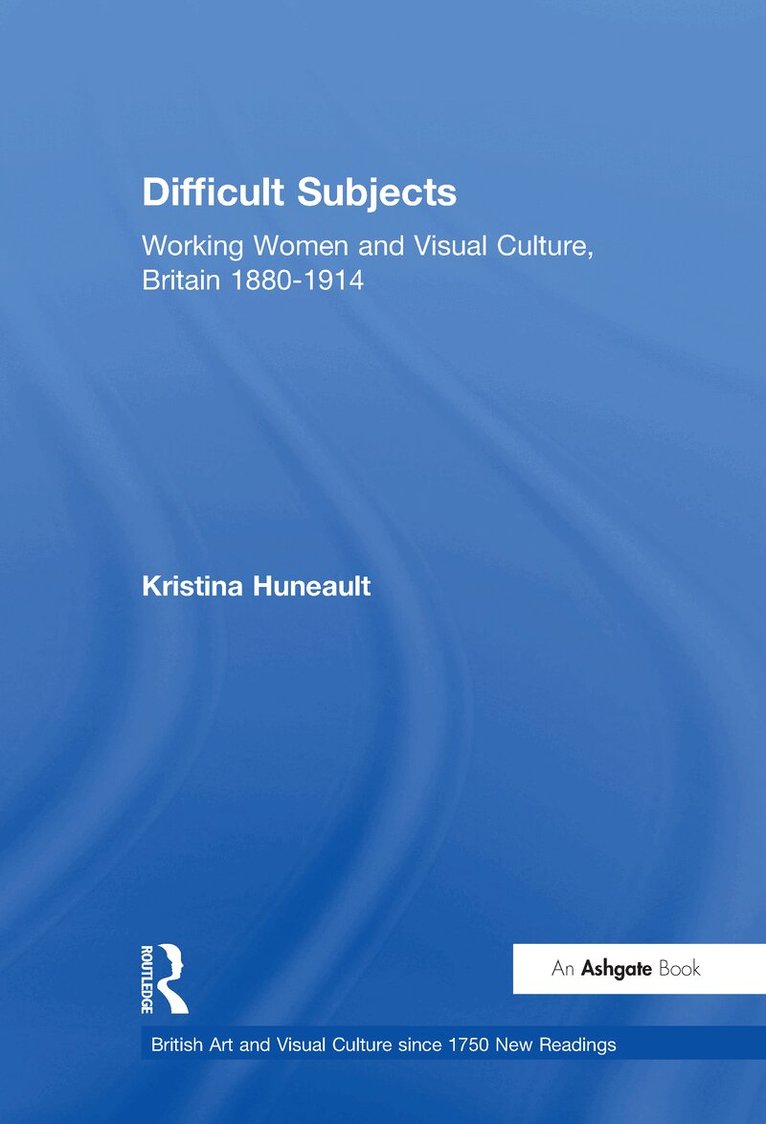
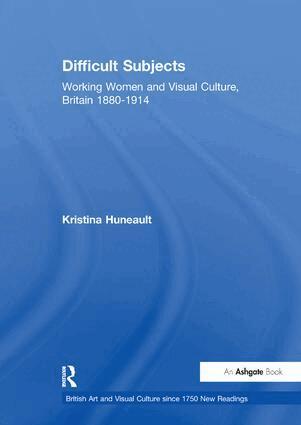
Difficult Subjects
Working Women and Visual Culture, Britain 1880-1914
Inbunden, 2002
2588 kr
Lägg i varukorg
The working women of Victorian and Edwardian Britain were fascinating but difficult subjects for artists, photographers, and illustrators. The cultural meanings of labour sat uncomfortably with conventional ideologies of femininity, and working women unsettled the boundaries between gender and …
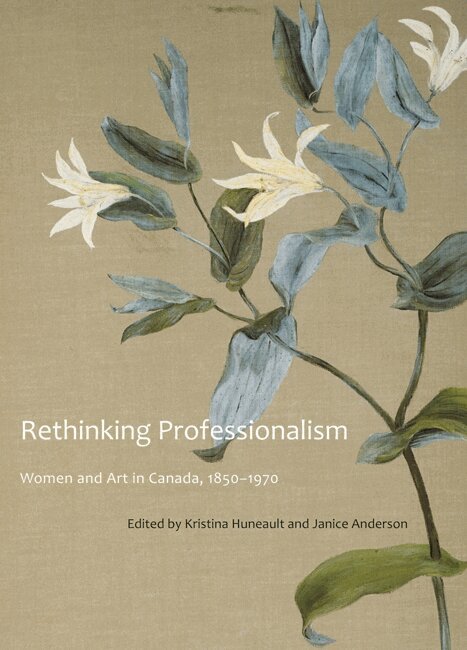
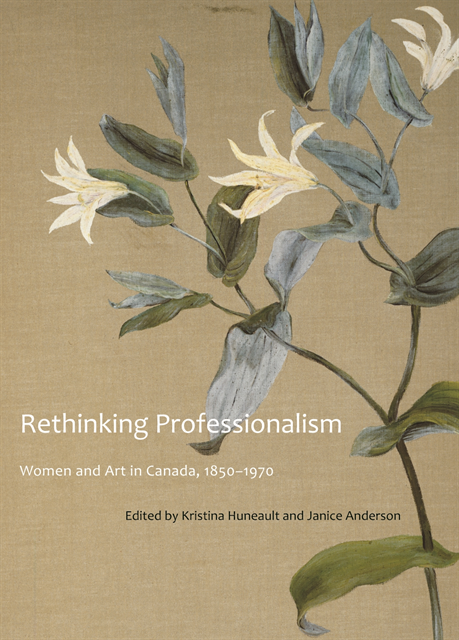
Rethinking Professionalism
Women and Art in Canada, 1850-1970
Av Kristina Huneault, Janice Anderson
Inbunden, 2012
872 kr
Lägg i varukorg
The history of women and art in Canada has often been celebrated as a story of progress from amateur to professional practice. Rethinking Professionalism challenges this narrative by questioning the assumptions that underlie the category of artistic professionalism, a construct as influential for …
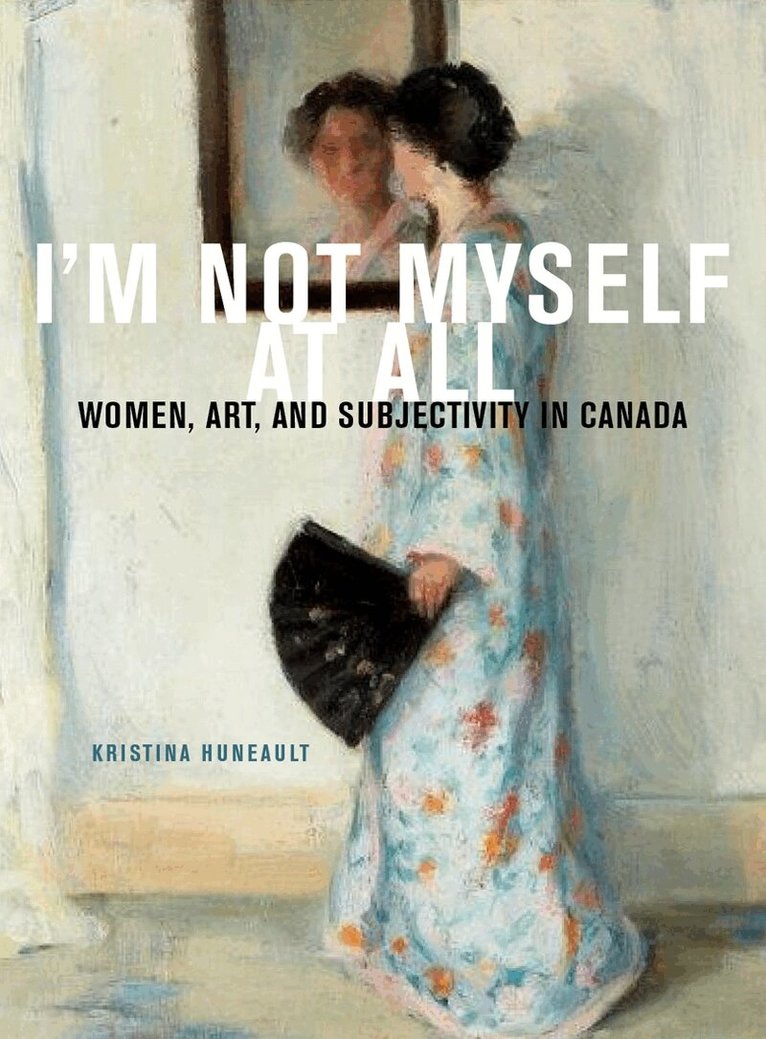
I'm not Myself at All
Women, Art, and Subjectivity in Canada
Inbunden, 2018
872 kr
Lägg i varukorg
Notions of identity have long structured women's art. Dynamics of race, class, and gender have shaped the production of artworks and oriented their subsequent reassessments. Arguably, this is especially true of art by women, and of the socially engaged criticism that addresses it. If identity has …
I'm Not Myself at All
Women, Art, and Subjectivity in Canada
E-bok, 2018
776 kr
Lägg i varukorg
Notions of identity have long structured women’s art. Dynamics of race, class, and gender have shaped the production of artworks and oriented their subsequent reassessments. Arguably, this is especially true of art by women, and of the socially engaged criticism that addresses it. If identity has …
Rethinking Professionalism
Women and Art in Canada, 1850-1970
Av Janice Anderson, Kristina Huneault
E-bok, 2012
720 kr
Lägg i varukorg
The history of women and art in Canada has often been celebrated as a story of progress from amateur to professional practice. Rethinking Professionalism challenges this narrative by questioning the assumptions that underlie the category of artistic professionalism, a construct as influential for …
Difficult Subjects
Working Women and Visual Culture, Britain 1880-1914
Häftad, 2017
727 kr
Lägg i varukorg
The working women of Victorian and Edwardian Britain were fascinating but difficult subjects for artists, photographers, and illustrators. The cultural meanings of labour sat uncomfortably with conventional ideologies of femininity, and working women unsettled the boundaries between gender and …