Kristina Iwata-Weickgenannt – författare
Visar alla böcker från författaren Kristina Iwata-Weickgenannt. Handla med fri frakt och snabb leverans.
9 produkter
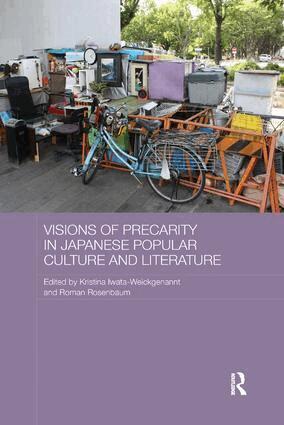
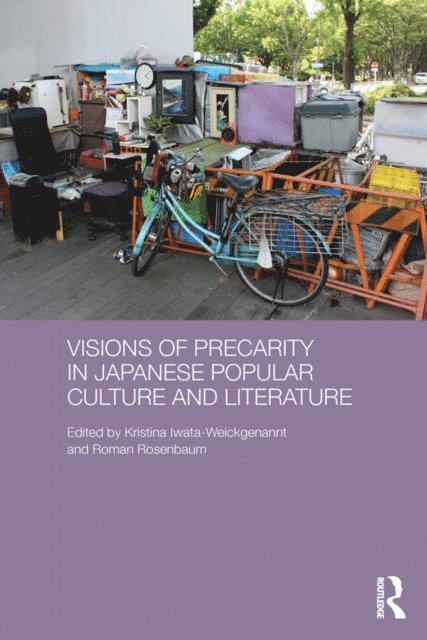
Visions of Precarity in Japanese Popular Culture and Literature
Av Kristina Iwata-Weickgenannt, Roman Rosenbaum
Häftad, 2017
1063 kr
Lägg i varukorg
Recent natural as well as man-made cataclysmic events have dramatically changed the status quo of contemporary Japanese society, and following the Asia-Pacific war’s never-ending ‘postwar’ period, Japan has been dramatically forced into a zeitgeist of saigo or ‘post-disaster.’ This radically new …
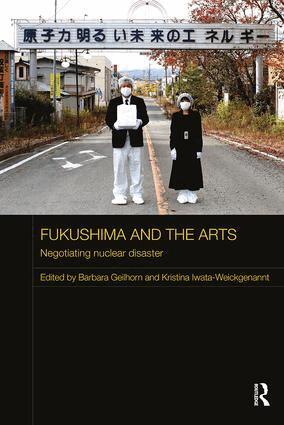
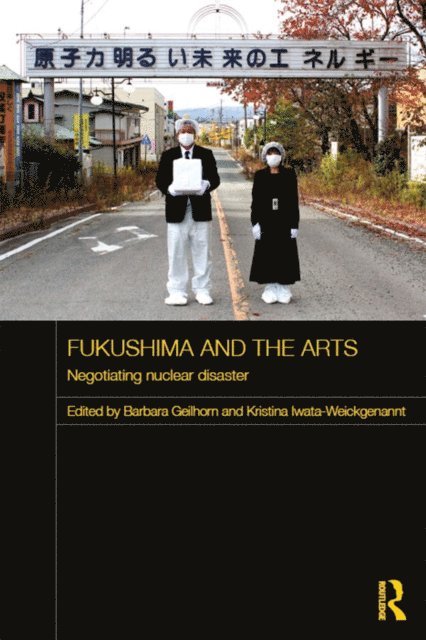
Fukushima and the Arts
Negotiating Nuclear Disaster
Av Barbara Geilhorn, Kristina Iwata-Weickgenannt
Häftad, 2018
862 kr
Lägg i varukorg
The natural and man-made cataclysmic events of the 11 March 2011 disaster, or 3.11, have dramatically altered the status quo of contemporary Japanese society. While much has been written about the social, political, economic, and technical aspects of the disaster, this volume represents one of the …
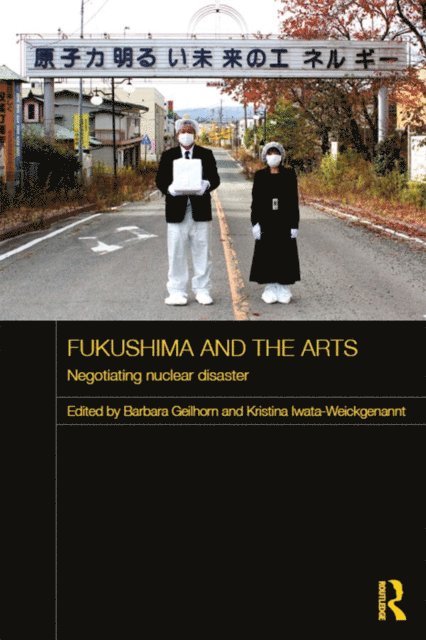
Fukushima and the Arts
Negotiating Nuclear Disaster
Av Barbara Geilhorn, Kristina Iwata-Weickgenannt
Inbunden, 2016
2888 kr
Lägg i varukorg
The natural and man-made cataclysmic events of the 11 March 2011 disaster, or 3.11, have dramatically altered the status quo of contemporary Japanese society. While much has been written about the social, political, economic, and technical aspects of the disaster, this volume represents one of the …
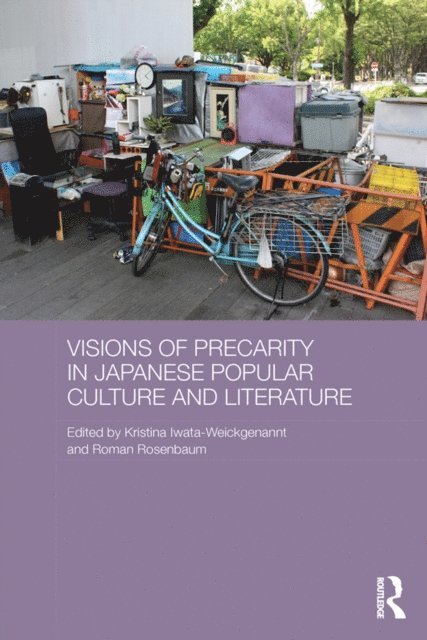
Visions of Precarity in Japanese Popular Culture and Literature
Av Kristina Iwata-Weickgenannt, Roman Rosenbaum
Inbunden, 2014
3156 kr
Lägg i varukorg
Recent natural as well as man-made cataclysmic events have dramatically changed the status quo of contemporary Japanese society, and following the Asia-Pacific war’s never-ending ‘postwar’ period, Japan has been dramatically forced into a zeitgeist of saigo or ‘post-disaster.’ This radically new …
Fukushima and the Arts
Negotiating Nuclear Disaster
Av Kristina Iwata-Weickgenannt, Barbara Geilhorn
E-bok, 2016
1016 kr
Lägg i varukorg
The natural and man-made cataclysmic events of the 11 March 2011 disaster, or 3.11, have dramatically altered the status quo of contemporary Japanese society. While much has been written about the social, political, economic, and technical aspects of the disaster, this volume represents one of the …
Fukushima and the Arts
Negotiating Nuclear Disaster
Av Kristina Iwata-Weickgenannt, Barbara Geilhorn
E-bok, 2016
994 kr
Lägg i varukorg
The natural and man-made cataclysmic events of the 11 March 2011 disaster, or 3.11, have dramatically altered the status quo of contemporary Japanese society. While much has been written about the social, political, economic, and technical aspects of the disaster, this volume represents one of the …
Visions of Precarity in Japanese Popular Culture and Literature
Av Roman Rosenbaum, Kristina Iwata-Weickgenannt
E-bok, 2014
1255 kr
Lägg i varukorg
Recent natural as well as man-made cataclysmic events have dramatically changed the status quo of contemporary Japanese society, and following the Asia-Pacific war’s never-ending ‘postwar’ period, Japan has been dramatically forced into a zeitgeist of saigo or ‘post-disaster.’ This …
Visions of Precarity in Japanese Popular Culture and Literature
Av Roman Rosenbaum, Kristina Iwata-Weickgenannt
E-bok, 2014
1255 kr
Lägg i varukorg
Recent natural as well as man-made cataclysmic events have dramatically changed the status quo of contemporary Japanese society, and following the Asia-Pacific war’s never-ending ‘postwar’ period, Japan has been dramatically forced into a zeitgeist of saigo or ‘post-disaster.’ This …
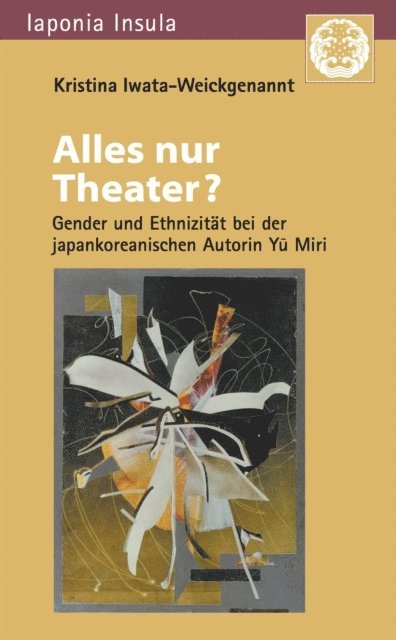
Alles nur Theater?
Gender und Ethnizität bei der japankoreanischen Autorin Yu Miri
Av Kristina Iwata-Weickgenannt
E-bok, 2014
321 kr
Lägg i varukorg
"Die Autorin Yû Miri ist ein Kunstwerk, das ich gemeinsam [mit meinem Mentor] geschaffen habe" (Yû Miri). Literarisches Schaffen ist zwangsläufig mit der Konstruktion von Identität(en) und Differenz(en) verbunden, doch nicht immer werden diese Prozesse offensichtlich, nicht unbedingt rücken sie so …