Kristof Titeca – författare
Visar alla böcker från författaren Kristof Titeca. Handla med fri frakt och snabb leverans.
7 produkter
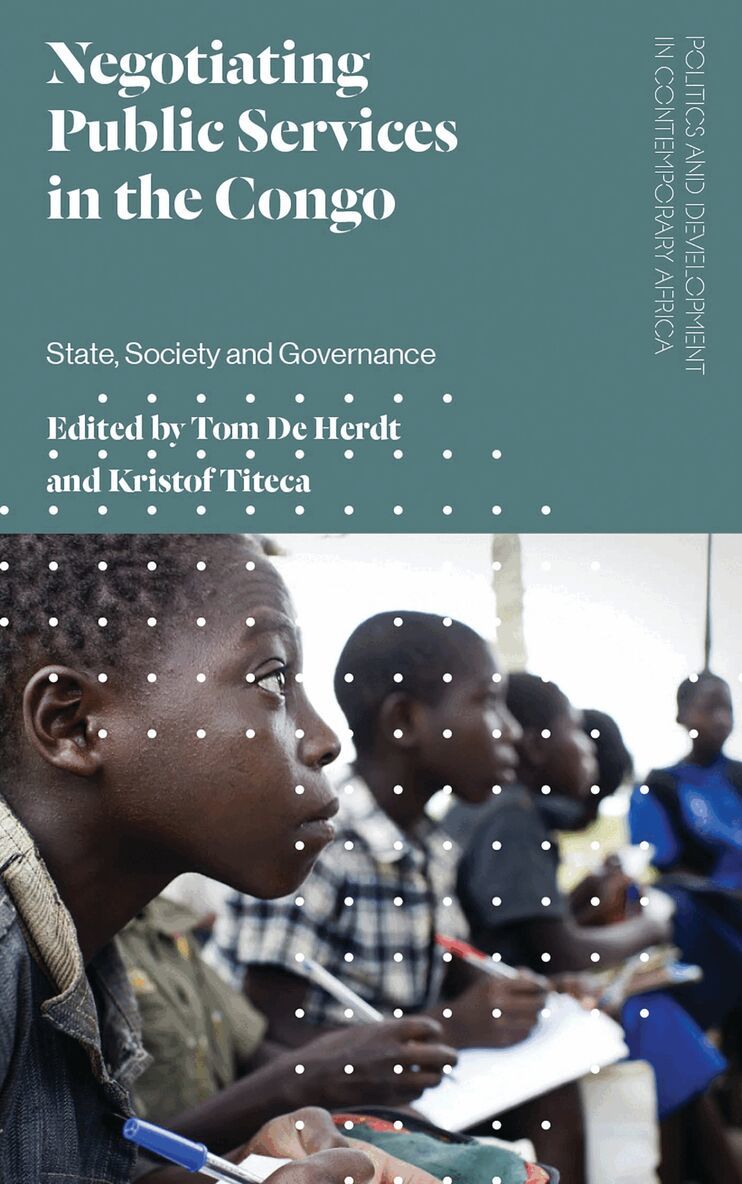
Negotiating Public Services in the Congo
State, Society and Governance
Av Tom De Herdt, Kristof Titeca
Inbunden, 2019
1278 kr
Lägg i varukorg
The Democratic Republic of Congo (DRC) has been widely derided as a failed state, unable to meet the basic needs of its citizens. But while state infrastructure continues to decay, many essential services continue to be provided at the local level, often through grassroots initiatives. So while, …
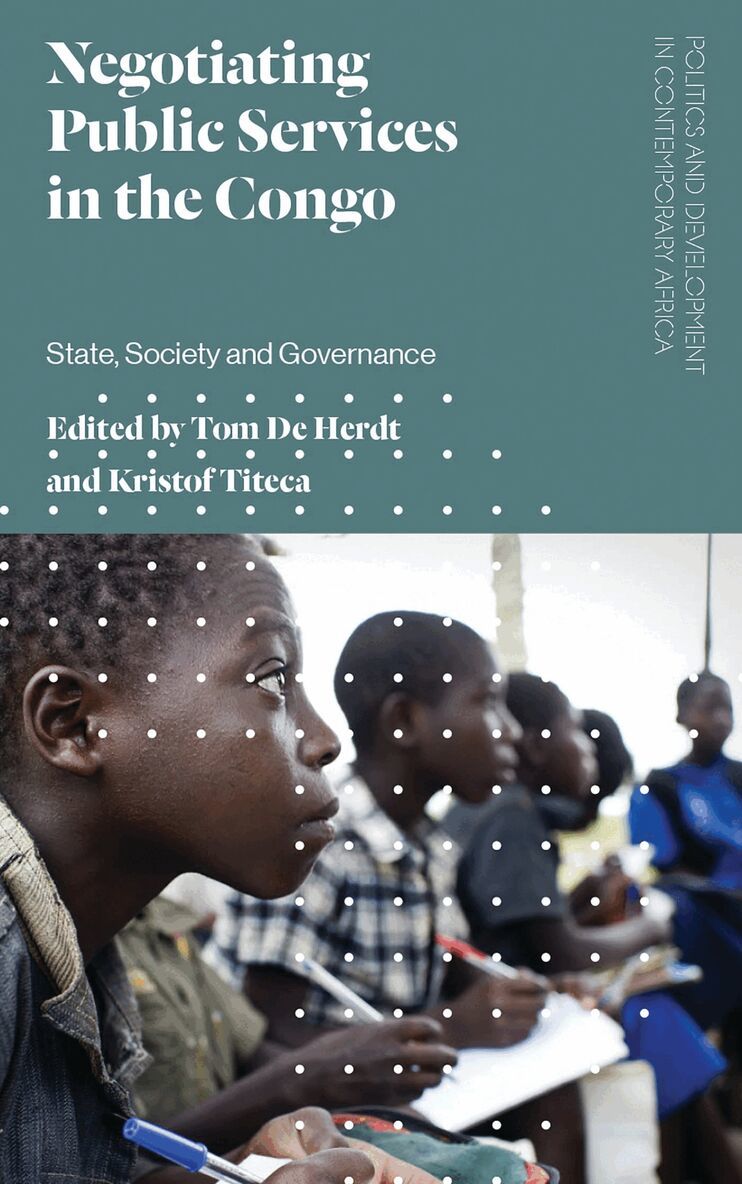
Negotiating Public Services in the Congo
State, Society and Governance
Av Tom De Herdt, Kristof Titeca
Häftad, 2019
416 kr
Lägg i varukorg
The Democratic Republic of Congo (DRC) has been widely derided as a failed state, unable to meet the basic needs of its citizens. But while state infrastructure continues to decay, many essential services continue to be provided at the local level, often through grassroots initiatives. So while, …
Negotiating Public Services in the Congo
State, Society and Governance
Av Tom De Herdt, Kristof Titeca
E-bok, 2019
452 kr
Lägg i varukorg
The Democratic Republic of Congo (DRC) has been widely derided as a failed state, unable to meet the basic needs of its citizens. But while state infrastructure continues to decay, many essential services continue to be provided at the local level, often through grassroots initiatives. So while, …
Negotiating Public Services in the Congo
State, Society and Governance
Av Tom De Herdt, Kristof Titeca
E-bok, 2019
452 kr
Lägg i varukorg
The Democratic Republic of Congo (DRC) has been widely derided as a failed state, unable to meet the basic needs of its citizens. But while state infrastructure continues to decay, many essential services continue to be provided at the local level, often through grassroots initiatives. So while, …
Kinshasa
Predation, Corruption and Contestation in Congo's Capital City
Av Kristof Titeca, Albert Malukisa Nkuku
Inbunden, 2022
773 kr
Kommande
The Democratic Republic of Congo (DRC) is widelyconsidered the archetypical ‘predatory state’. At the national level, politicalelites rely on the state to enrich themselves. On a local level, civil servants‘fend for themselves’ in the absence of a state salary. Corruption, though, isabout much more …
Kinshasa
Predation, Corruption and Contestation in Congo's Capital City
Av Kristof Titeca, Albert Malukisa Nkuku
Häftad, 2022
272 kr
Kommande
The Democratic Republic of Congo (DRC) is widelyconsidered the archetypical ‘predatory state’. At the national level, politicalelites rely on the state to enrich themselves. On a local level, civil servants‘fend for themselves’ in the absence of a state salary. Corruption, though, isabout much more …
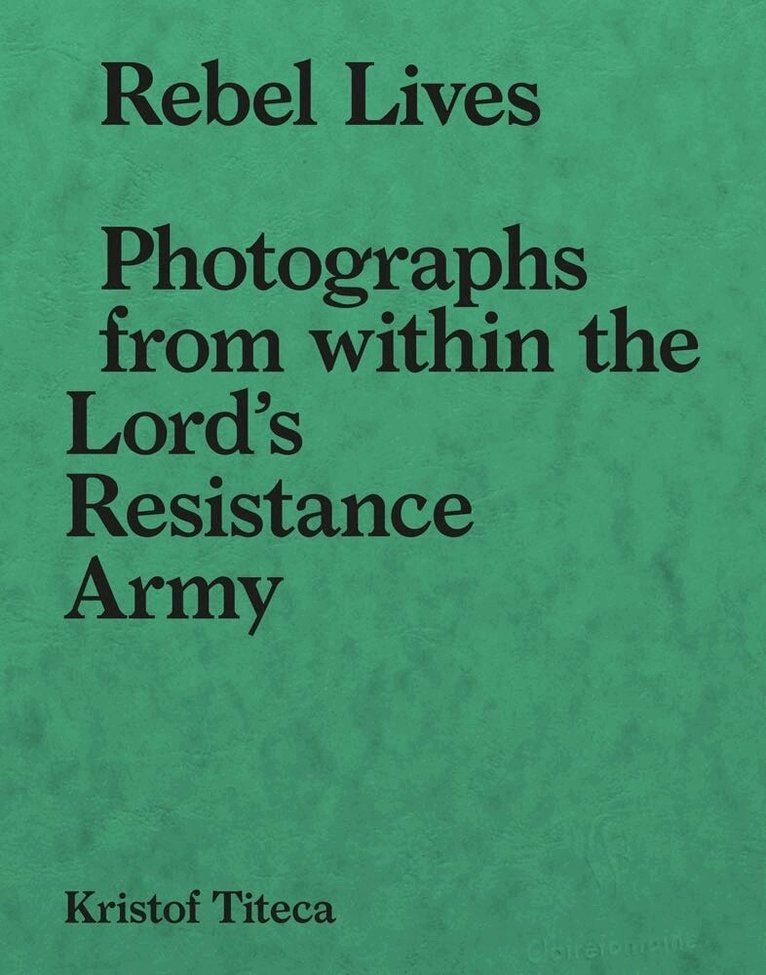
Rebel Lives
Photographs from Inside the Lord's Resistance Army
Häftad, 2019
506 kr
Tillfälligt slut
This visual story is not only about the LRA. It is a story about conflict in all times, and all places, where the limits of victim and perpetrator have become blurred, where people struggle to survive and find their place, and where children in particular bear the brunt of this tension