Kristofer Ray - Böcker
Visar alla böcker från författaren Kristofer Ray. Handla med fri frakt och snabb leverans.
5 produkter
5 produkter
448 kr
Skickas inom 10-15 vardagar
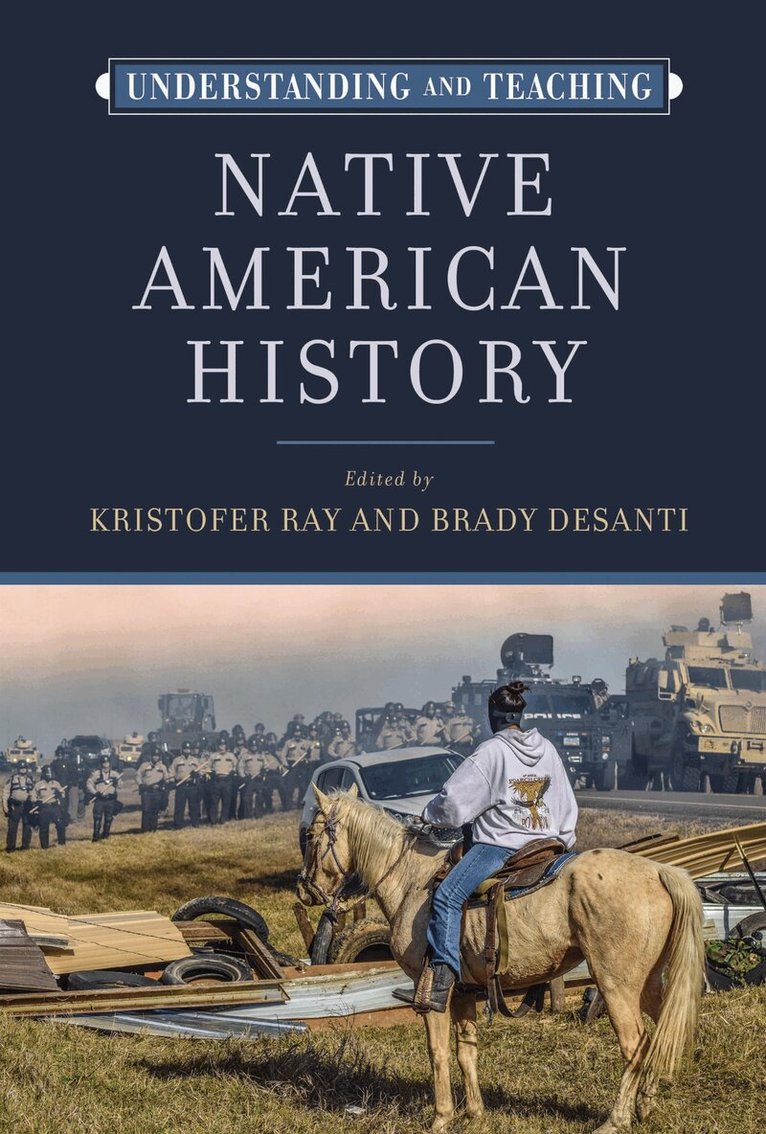
Understanding and Teaching Native American History is a timely and urgently needed remedy to a long-standing gap in history instruction. While the past three decades have seen burgeoning scholarship in Indigenous studies, comparatively little of that has trickled into classrooms. This volume is designed to help teachers effectively integrate Indigenous history and culture into their lessons, providing richly researched content and resources across the chronological and geographical landscape of what is now known as North America. Despite the availability of new scholarship, many teachers struggle with contextualizing Indigenous history and experience. Native peoples frequently find themselves relegated to historical descriptions, merely a foil to the European settlers who are the protagonists in the dominant North American narrative. This book offers a way forward, an alternative framing of the story that highlights the ongoing integral role of Native peoples via broad coverage in a variety of topics including the historical, political, and cultural. With its scope and clarity of vision, suggestions for navigating sensitive topics, and a multitude of innovative approaches authored by contributors from multidisciplinary backgrounds, Understanding and Teaching Native American History will also find use in methods and other graduate courses. Nearly a decade in the conception and making, this is a groundbreaking source for both beginning and veteran instructors.
283 kr
Skickas inom 10-15 vardagar
Understanding and Teaching Native American History is a timely and urgently needed remedy to a long-standing gap in history instruction. While the past three decades have seen burgeoning scholarship in Indigenous studies, comparatively little of that has trickled into classrooms. This volume is designed to help teachers effectively integrate Indigenous history and culture into their lessons, providing richly researched content and resources across the chronological and geographical landscape of what is now known as North America. Despite the availability of new scholarship, many teachers struggle with contextualizing Indigenous history and experience. Native peoples frequently find themselves relegated to historical descriptions, merely a foil to the European settlers who are the protagonists in the dominant North American narrative. This book offers a way forward, an alternative framing of the story that highlights the ongoing integral role of Native peoples via broad coverage in a variety of topics including the historical, political, and cultural. With its scope and clarity of vision, suggestions for navigating sensitive topics, and a multitude of innovative approaches authored by contributors from multidisciplinary backgrounds, Understanding and Teaching Native American History will also find use in methods and other graduate courses. Nearly a decade in the conception and making, this is a groundbreaking source for both beginning and veteran instructors.
555 kr
Skickas inom 3-6 vardagar
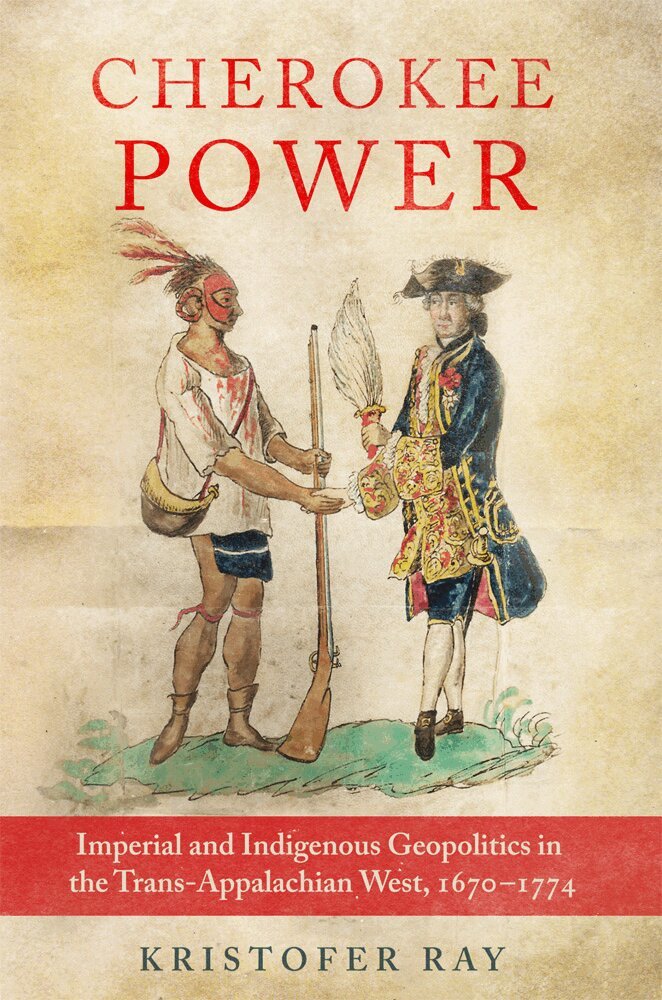
Cherokee Power Volume 22
Imperial and Indigenous Geopolitics in the Trans-Appalachian West, 1670-1774
Inbunden, Engelska, 2023
1 054 kr
Skickas inom 10-15 vardagar
In 1754 South Carolina governor James Glen observed that the Tennessee River “has its rise in the Cherokee Nation and runs a great way through it.” While noting the “prodigious” extent of the corridor connecting the Tennessee, Ohio, and Wabash River valleys—and the Cherokees’ “undoubted” ownership of this watershed—Glen and other European observers were much less clear about the ambitions and claims of European empires and other Indigenous polities regarding the North American interior. In Cherokee Power, Kristofer Ray brings long-overdue clarity to this question by highlighting the role of the Overhill Cherokees in shaping imperial and Indigenous geopolitics in seventeenth- and eighteenth-century America.As Great Britain and France eyed the Illinois country and the Tennessee, Ohio, and Wabash River valleys for their respective empires, the Overhill Cherokees were coalescing and maintaining a conspicuous presence throughout the territory. Contrary to the traditional narrative of westward expansion, the Europeans were not the drivers behind the ensuing contest over the Tennessee corridor. The Overhills traded, negotiated, and fought with other Indigenous peoples along this corridor, in the process setting parameters for European expansion. Through the eighteenth century, the British and French struggled to overcome a dissonance between their visions of empire and the reality of Overhill mobility and sovereignty—a struggle that came to play a crucial role in the Anglo-American revolutionary debate that dominated the 1760s and 1770s.By emphasizing Indigenous agency in this rapidly changing world, Cherokee Power challenges long-standing ideas about the power and reach of European empires in eighteenth-century North America.
Cherokee Power Volume 22
Imperial and Indigenous Geopolitics in the Trans-Appalachian West, 1670-1774
Häftad, Engelska, 2023
324 kr
Skickas inom 10-15 vardagar
In 1754 South Carolina governor James Glen observed that the Tennessee River “has its rise in the Cherokee Nation and runs a great way through it.” While noting the “prodigious” extent of the corridor connecting the Tennessee, Ohio, and Wabash River valleys—and the Cherokees’ “undoubted” ownership of this watershed—Glen and other European observers were much less clear about the ambitions and claims of European empires and other Indigenous polities regarding the North American interior. In Cherokee Power, Kristofer Ray brings long-overdue clarity to this question by highlighting the role of the Overhill Cherokees in shaping imperial and Indigenous geopolitics in seventeenth- and eighteenth-century America.As Great Britain and France eyed the Illinois country and the Tennessee, Ohio, and Wabash River valleys for their respective empires, the Overhill Cherokees were coalescing and maintaining a conspicuous presence throughout the territory. Contrary to the traditional narrative of westward expansion, the Europeans were not the drivers behind the ensuing contest over the Tennessee corridor. The Overhills traded, negotiated, and fought with other Indigenous peoples along this corridor, in the process setting parameters for European expansion. Through the eighteenth century, the British and French struggled to overcome a dissonance between their visions of empire and the reality of Overhill mobility and sovereignty—a struggle that came to play a crucial role in the Anglo-American revolutionary debate that dominated the 1760s and 1770s.By emphasizing Indigenous agency in this rapidly changing world, Cherokee Power challenges long-standing ideas about the power and reach of European empires in eighteenth-century North America.