Krystina Madej - Böcker
Visar alla böcker från författaren Krystina Madej. Handla med fri frakt och snabb leverans.
8 produkter
8 produkter
775 kr
Skickas inom 10-15 vardagar
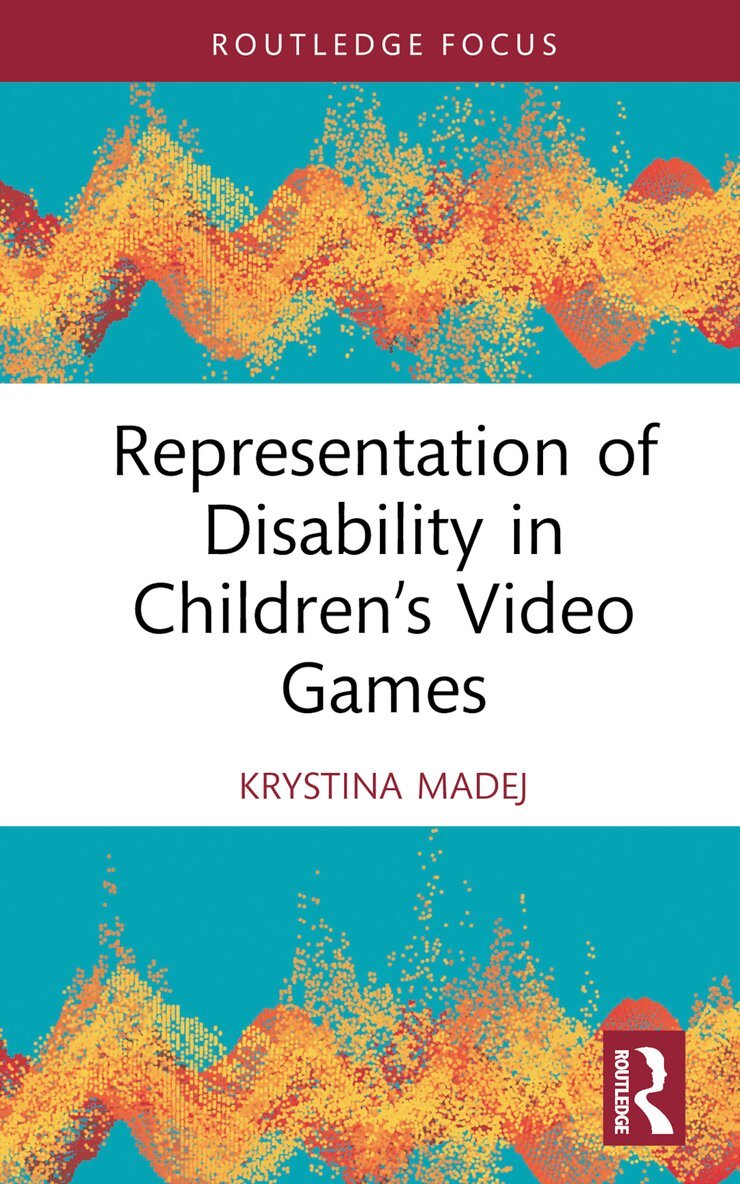
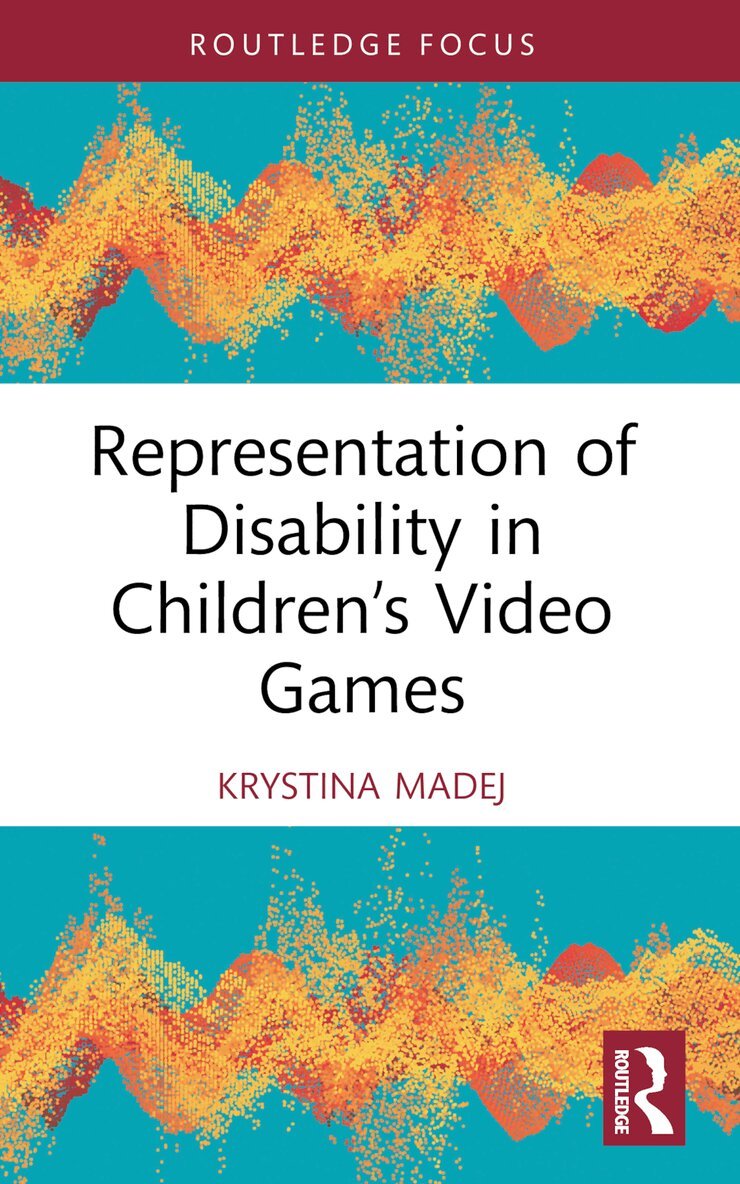
Representation of Disability in Children’s Video Games looks at how children’s engagement with characters and stories in video games helps create the perception of disability they have as teens and adults. Drawing on child development theory supported by neuroscience, the book shows how the scaffold of information, the schema, adults have of disability is first created at a very young age as they interact through play with characters with disabilities in narrative video games.Positing that early video game play experiences should provide exposure to narrative schemas that add understanding and help create meaning about the disability represented, the book presents how such representation in children’s video games maps against cognitive development and the psychomotor and cognitive needs and abilities of children 3–12. Through close readings of over 40 PEGI 3 and PEGI 7 (ESRB E, 10+) games and analysis of games as diverse as Backyard Baseball and Sly Cooper, the author defines broad categories of representation: representation as cosmetic, providing exposure but not game play utility; as incidental, used as a device that provides purpose for the narrative; or as more authentically representing the disability as integral to the character and their life. The book provides readers with an overview of contemporary games that betters their understanding of how children’s games present disability and how children create their perceptions through interaction with characters and stories. This book will be of interest to academics and students of game studies in topics such as behavioural science, ethics, and HCI, as well as in sociology, communications, and digital media. It is pertinent in particular to game developers and to educators, disability advocates, parents, and policy makers.
342 kr
Skickas inom 10-15 vardagar
Representation of Disability in Children’s Video Games looks at how children’s engagement with characters and stories in video games helps create the perception of disability they have as teens and adults. Drawing on child development theory supported by neuroscience, the book shows how the scaffold of information, the schema, adults have of disability is first created at a very young age as they interact through play with characters with disabilities in narrative video games.Positing that early video game play experiences should provide exposure to narrative schemas that add understanding and help create meaning about the disability represented, the book presents how such representation in children’s video games maps against cognitive development and the psychomotor and cognitive needs and abilities of children 3–12. Through close readings of over 40 PEGI 3 and PEGI 7 (ESRB E, 10+) games and analysis of games as diverse as Backyard Baseball and Sly Cooper, the author defines broad categories of representation: representation as cosmetic, providing exposure but not game play utility; as incidental, used as a device that provides purpose for the narrative; or as more authentically representing the disability as integral to the character and their life. The book provides readers with an overview of contemporary games that betters their understanding of how children’s games present disability and how children create their perceptions through interaction with characters and stories. This book will be of interest to academics and students of game studies in topics such as behavioural science, ethics, and HCI, as well as in sociology, communications, and digital media. It is pertinent in particular to game developers and to educators, disability advocates, parents, and policy makers.
733 kr
Skickas inom 5-8 vardagar
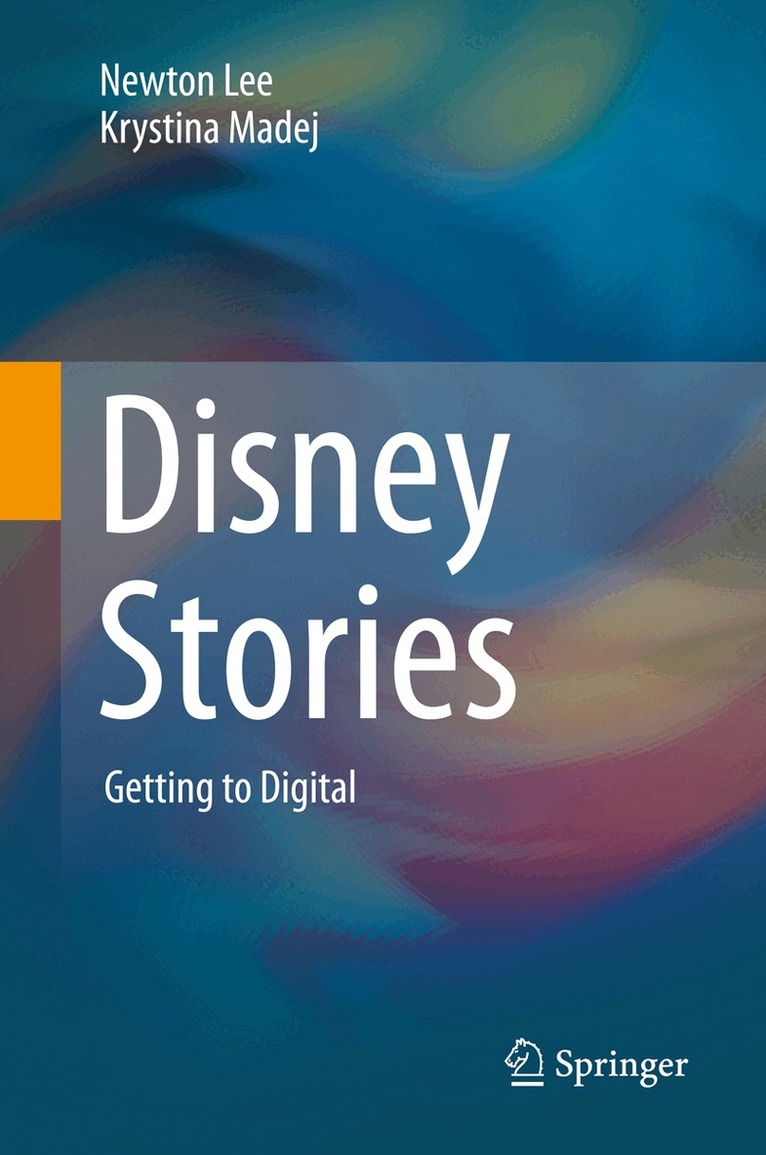
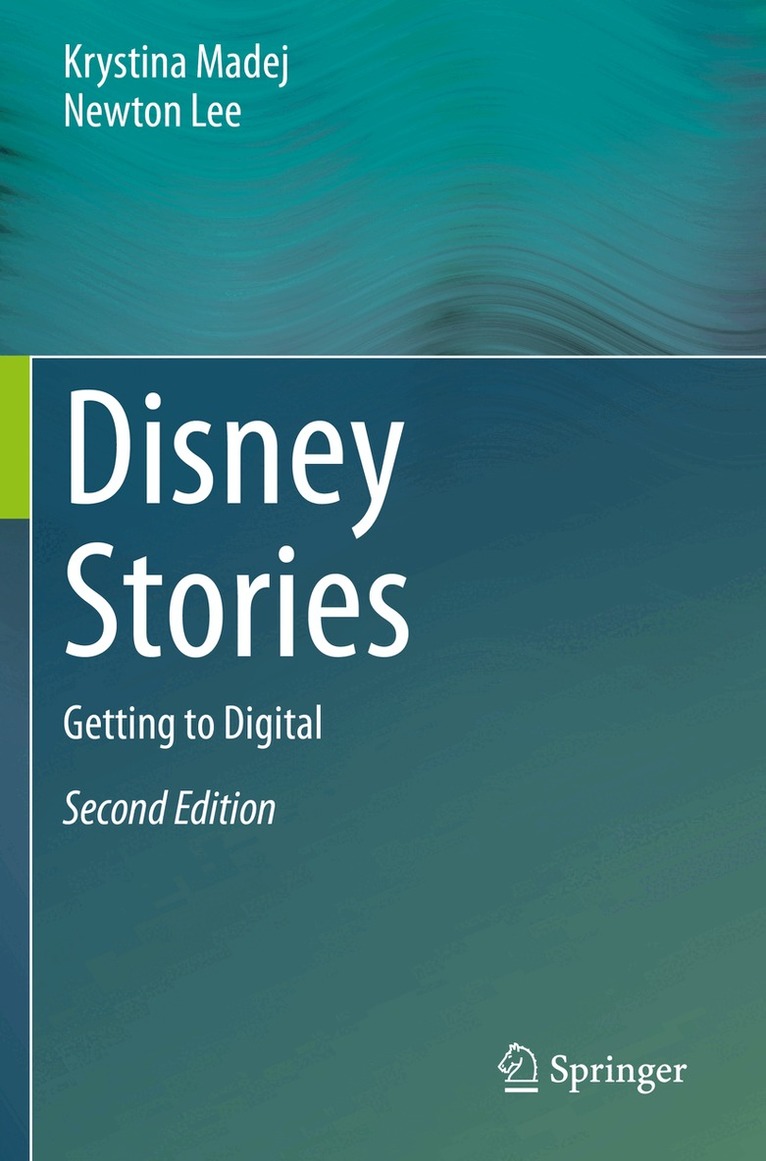
Disney Stories: Getting to Digital explores how Disney, the man and the company, used technological innovation to create characters and stories that engage audiences in many different media, in particular in Video Games and on the Internet.Drawing on Disney films from the twenties and thirties, as well as the writings of historians, screenwriters and producers, Disney Stories: Getting to Digital explains how new film and animation techniques, many developed by Disney, worked together to evolve character and content development and produce entertaining stories that riveted audiences. Through an insider’s perspective of Disney’s legendary creation process, the book closely examines how the Disney Company moved its stories into the digital world in the 1990s and the virtual, online communities of the 2000s. By embracing the digital era, Disney led storytelling and technological innovation by granting their audience the unique opportunity to take partin their creation process through their online games, including The Lion King Animated Story Book, Disney Blast and Toontown.Disney Stories: Getting to Digital is intended for Disney fans and current practitioners looking to study the creation process of one of the most famous animation studios in existence. Professors teaching courses in new media, animation and interactive storytelling will also find this book a valuable asset.
769 kr
Skickas inom 10-15 vardagar
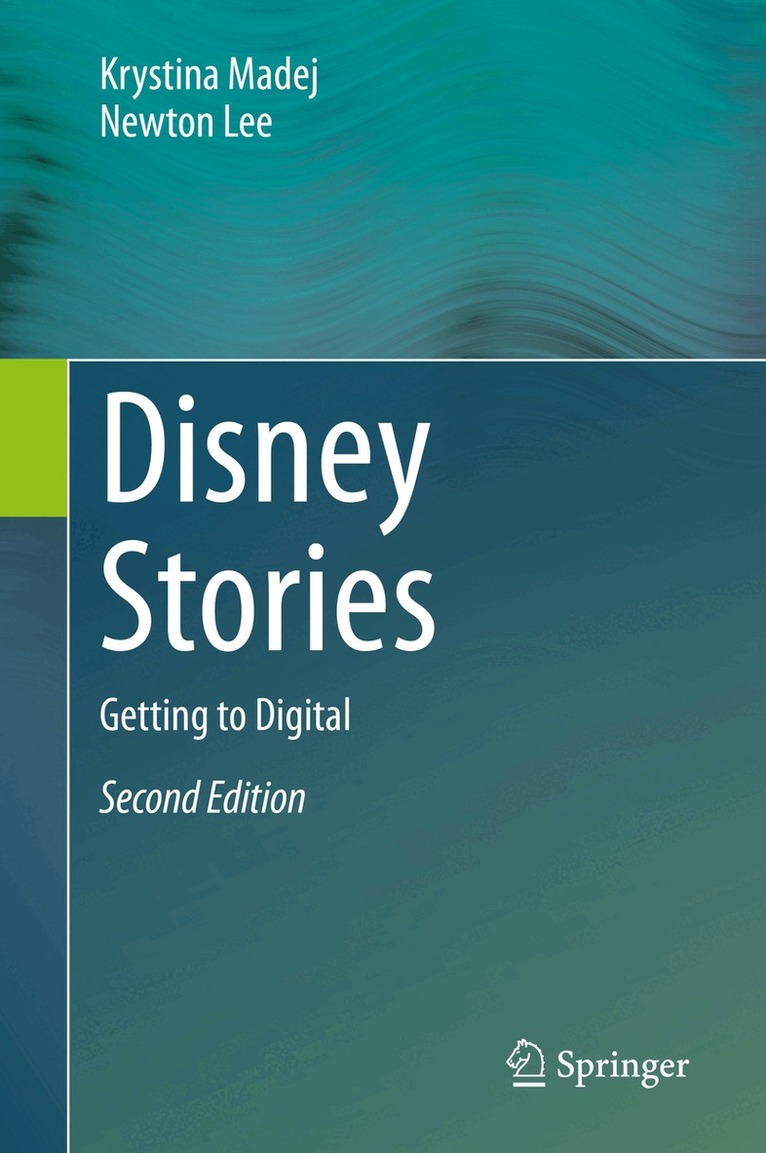
The second edition of Disney Stories: Getting to Digital will be of interest to lovers of Disney history and also to lovers of Hollywood history in general. The first edition was planned as a short history of the companies evolution from analog storytelling to a digital online presence that closed the chapter on early Disney films with the release of the groundbreaking Snow White. The purpose of the new edition is to bring to readers a more complete view of the analog-digital story by including three new chapters on film that cover key developments from the live-animation hybrids of the 1940s to CAPS and CGI in the 1990s and VR in the 2010s. It also includes in the discussion of cross-media storytelling the acquisition of the exceptional story property, Star Wars, and discusses how Disney has brought the epic into the Disney Master Narrative by creating Galaxy’s Edge in its US theme parks.Krystina Madej’s engaging portrayal of the long history of Disney’s love affair with storytelling and technology brings to life the larger focus of innovation in creating characters and stories that captivate an audience, and together with Newton Lee’s detailed experience of Disney during the crucial 1995-2005 era when digital innovation in online and games was at its height in the company, makes for a fast-paced captivating read.Disney Stories first edition explored the history of Disney, both analog and digital. It described in detail how Walt Disney used inventive and often ground-breaking approaches in the use of sound, color, depth, and the psychology of characters to move the animation genre from short visual gags to feature-length films with meaningful stories that engaged audience's hearts as well as tickled their funny bones. It showed Walt’s comprehensive approach to engaging the public across all media as he built the Disney Master Narrative by using products, books, comics, public engagements, fan groups such asthe Mickey Mouse club, TV, and, of course, Disneyland, his theme park. Finally it showed how, after his passing, the company continued to embrace Walt’s enthusiasm for using new technology to engage audiences through their commitment to innovation in digital worlds. It describes in detail the innovative storybook CD-ROMs, their extensive online presence, the software they used and created for MMORGs such as Toontown, and the use of production methods such as agile methodology. This new edition provides insight on major developments in Disney films that moved them into the digital world.
552 kr
Skickas inom 10-15 vardagar
The second edition of Disney Stories: Getting to Digital will be of interest to lovers of Disney history and also to lovers of Hollywood history in general. The first edition was planned as a short history of the companies evolution from analog storytelling to a digital online presence that closed the chapter on early Disney films with the release of the groundbreaking Snow White. The purpose of the new edition is to bring to readers a more complete view of the analog-digital story by including three new chapters on film that cover key developments from the live-animation hybrids of the 1940s to CAPS and CGI in the 1990s and VR in the 2010s. It also includes in the discussion of cross-media storytelling the acquisition of the exceptional story property, Star Wars, and discusses how Disney has brought the epic into the Disney Master Narrative by creating Galaxy’s Edge in its US theme parks.Krystina Madej’s engaging portrayal of the long history of Disney’s love affair with storytelling and technology brings to life the larger focus of innovation in creating characters and stories that captivate an audience, and together with Newton Lee’s detailed experience of Disney during the crucial 1995-2005 era when digital innovation in online and games was at its height in the company, makes for a fast-paced captivating read.Disney Stories first edition explored the history of Disney, both analog and digital. It described in detail how Walt Disney used inventive and often ground-breaking approaches in the use of sound, color, depth, and the psychology of characters to move the animation genre from short visual gags to feature-length films with meaningful stories that engaged audience's hearts as well as tickled their funny bones. It showed Walt’s comprehensive approach to engaging the public across all media as he built the Disney Master Narrative by using products, books, comics, public engagements, fan groups such asthe Mickey Mouse club, TV, and, of course, Disneyland, his theme park. Finally it showed how, after his passing, the company continued to embrace Walt’s enthusiasm for using new technology to engage audiences through their commitment to innovation in digital worlds. It describes in detail the innovative storybook CD-ROMs, their extensive online presence, the software they used and created for MMORGs such as Toontown, and the use of production methods such as agile methodology. This new edition provides insight on major developments in Disney films that moved them into the digital world.
552 kr
Skickas inom 10-15 vardagar
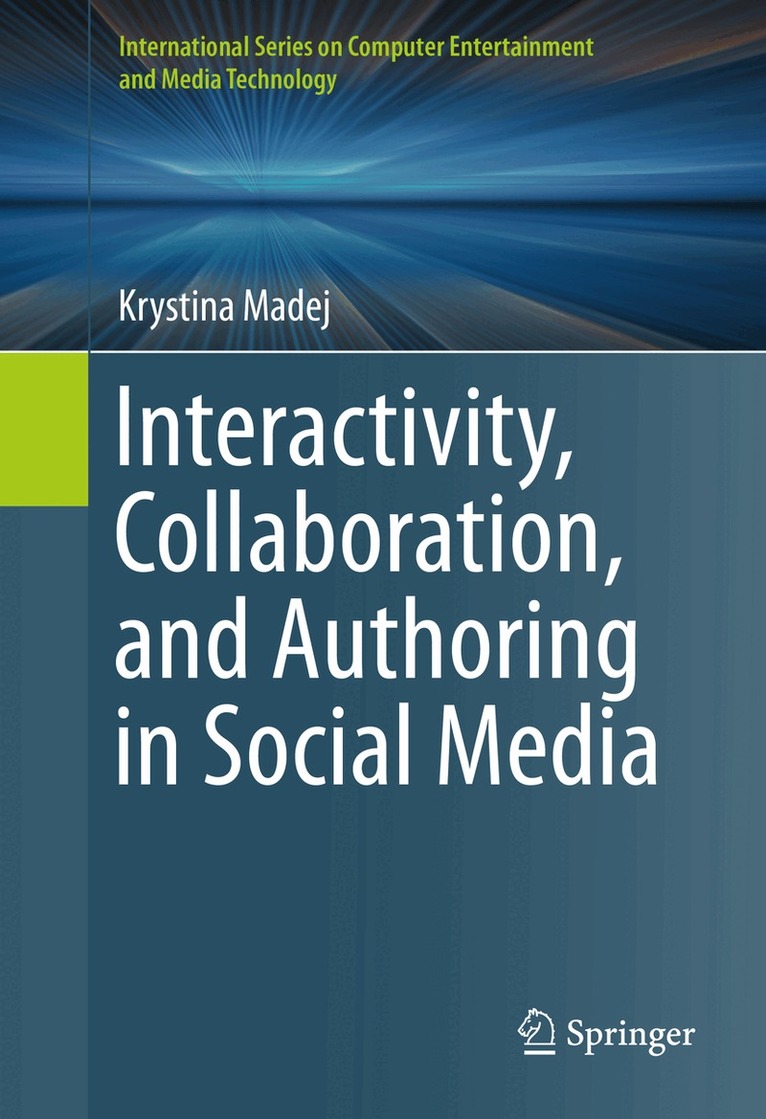
This book includes a short history of interactive narrative and an account of a small group collaboratively authored social media narrative: Romeo and Juliet on Facebook: After Love Comes Destruction.At the forefront of narrative innovation are social media channels – speculative spaces for creating and experiencing stories that are interactive and collaborative. Media, however, is only the access point to the expressiveness of narrative content. Wikis, messaging, mash-ups, and social media (Facebook, Twitter, YouTube and others) are on a trajectory of participatory story creation that goes back many centuries. These forms offer authors ways to create narrative meaning that reflects our current media culture, as the harlequinade reflected the culture of the 18th century, and as the volvelle reflected that of the 13th century.Interactivity, Collaboration, and Authoring in Social Media first prospects the last millennium for antecedents of today’s authoring practices. It does so with a view to considering how today’s digital manifestations are a continuation, perhaps a reiteration, perhaps a novel pioneering, of humans’ abiding interest in interactive narrative. The book then takes the reader inside the process of creating a collaborative, interactive narrative in today’s social media through an authoring experience undertaken by a group of graduate students. The engaging mix of blogs, emails, personal diaries, and fabricated documents used to create the narrative demonstrates that a social media environment can facilitate a meaningful and productive collaborative authorial experience and result in an abundance of networked, personally expressive, and visually and textually referential content. The resulting narrative, After Love Comes Destruction, based in Shakespeare’s Romeo and Juliet, shows how a generative narrative space evolved around the students’ use of social media in ways they had not previously considered both for authoring and for delivery of their final narrative artifact.
572 kr
Skickas inom 10-15 vardagar
dsfsdfsf
552 kr
Skickas inom 10-15 vardagar
This book includes a short history of interactive narrative and an account of a small group collaboratively authored social media narrative: Romeo and Juliet on Facebook: After Love Comes Destruction.At the forefront of narrative innovation are social media channels – speculative spaces for creating and experiencing stories that are interactive and collaborative. Media, however, is only the access point to the expressiveness of narrative content. Wikis, messaging, mash-ups, and social media (Facebook, Twitter, YouTube and others) are on a trajectory of participatory story creation that goes back many centuries. These forms offer authors ways to create narrative meaning that reflects our current media culture, as the harlequinade reflected the culture of the 18th century, and as the volvelle reflected that of the 13th century.Interactivity, Collaboration, and Authoring in Social Media first prospects the last millennium for antecedents of today’s authoring practices. It does so with a view to considering how today’s digital manifestations are a continuation, perhaps a reiteration, perhaps a novel pioneering, of humans’ abiding interest in interactive narrative. The book then takes the reader inside the process of creating a collaborative, interactive narrative in today’s social media through an authoring experience undertaken by a group of graduate students. The engaging mix of blogs, emails, personal diaries, and fabricated documents used to create the narrative demonstrates that a social media environment can facilitate a meaningful and productive collaborative authorial experience and result in an abundance of networked, personally expressive, and visually and textually referential content. The resulting narrative, After Love Comes Destruction, based in Shakespeare’s Romeo and Juliet, shows how a generative narrative space evolved around the students’ use of social media in ways they had not previously considered both for authoring and for delivery of their final narrative artifact. ��