
K.S. Inglis – författare
Visar alla böcker från författaren K.S. Inglis. Handla med fri frakt och snabb leverans.
2 produkter
2 produkter
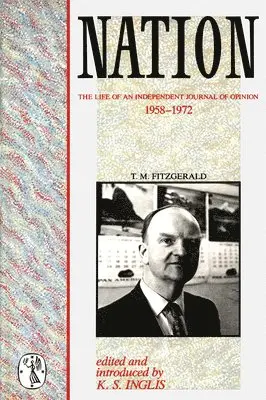
Häftad, Engelska, 1989
382 kr
Skickas inom 5-8 vardagar
T.M. Fitzgerald and George Munster produced the paper each fortnight from 1958 until 1972, when its name and some of its spirit went into the Nation Review.The journal attracted contributors already well known, among them W. MacmahonBall, Manning Clark, Max Harris and Cyril Pearl, and discovered writers such as Sylvia Lawson, Brian Johns and Bob Ellis. Robert Hughes became an art critic in its pages, and Harry Kippax the country's most respected theatre reviewer. Some people who wrote pseudonymously are here unmasked for the first time.This book is for old readers who still miss Nation, and for the young who never knew it. K.S. Inglis, himself a contributor, has chosen the items and written a history of the journal, to make a retrospective exhibition, a chronicle of the time, and a bedside or poolside book for the 1990s.
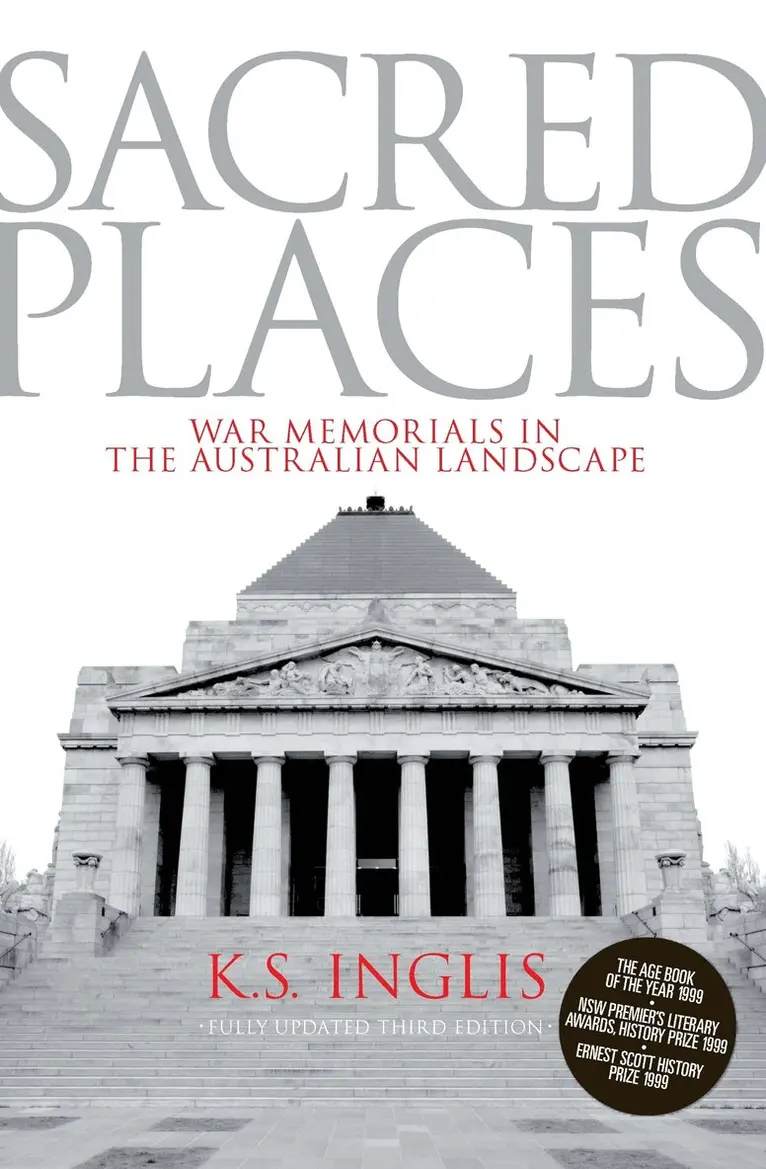
Häftad, Engelska, 2008
438 kr
Skickas inom 5-8 vardagar
This revised and updated edition of Inglis' award-winning title features a new epilogue, new pictures and a new introduction by Jay Winter.War memorials, large and small, stand everywhere in the Australian landscape. They embody what Australians have wanted to say about the service and death of their compatriots in overseas wars, and express pride, grief, perceptions of God, empire and nation. The story of their making is composed of both harmony and conflict. Ken Inglis argues that they are the shrines of a civil religion. After the slaughter of World War I, Australians embarked on a remarkable program of war memorial construction. These memorials, large and small, stand everywhere in the Australian landscape, becoming the holy sites of a new civil and nationalist religion-the cult of Anzac.In this moving and beautifully written book, Ken Inglis traces the development of the Anzac cult, as well as looking at those who rejected it. ""Sacred Places"" also examines a paradox: why, as Australia's wars recede in memory, have these memorials and what they stand for become cherished more than ever?