Kunal Roy – författare
Visar alla böcker från författaren Kunal Roy. Handla med fri frakt och snabb leverans.
50 produkter
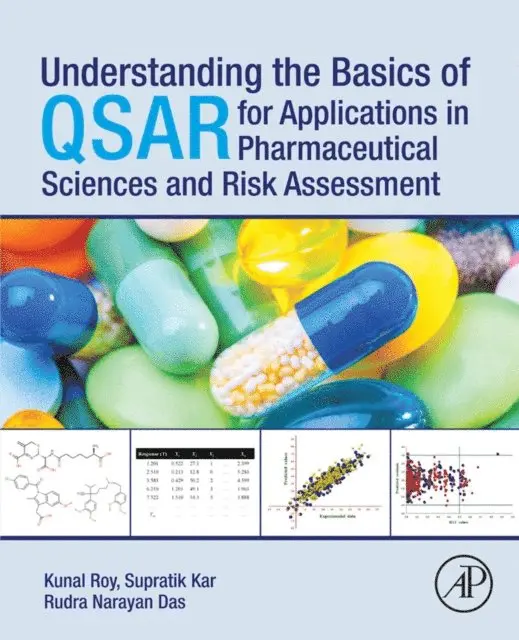
Understanding the Basics of QSAR for Applications in Pharmaceutical Sciences and Risk Assessment
Av Kunal Roy, Supratik Kar m. fl.
Häftad, 2015
1051 kr
Lägg i varukorg
Understanding the Basics of QSAR for Applications in Pharmaceutical Sciences and Risk Assessment describes the historical evolution of quantitative structure-activity relationship (QSAR) approaches and their fundamental principles. This book includes clear, introductory coverage of the statistical …
Understanding the Basics of QSAR for Applications in Pharmaceutical Sciences and Risk Assessment
Av Rudra Narayan Das, Supratik Kar m. fl.
E-bok, 2015
1152 kr
Lägg i varukorg
Understanding the Basics of QSAR for Applications in Pharmaceutical Sciences and Risk Assessment describes the historical evolution of quantitative structure-activity relationship (QSAR) approaches and their fundamental principles. This book includes clear, introductory coverage of the statistical …
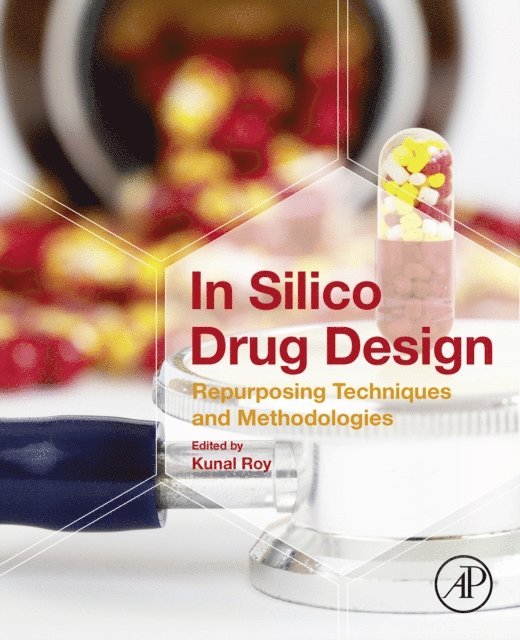
In Silico Drug Design
Repurposing Techniques and Methodologies
Av Kunal Roy
Häftad, 2019
1818 kr
Lägg i varukorg
In Silico Drug Design: Repurposing Techniques and Methodologies explores the application of computational tools that can be utilized for this approach. The book covers theoretical background and methodologies of chem-bioinformatic techniques and network modeling and discusses the various applied …
In Silico Drug Design
Repurposing Techniques and Methodologies
Av Kunal Roy
E-bok, 2019
2549 kr
Lägg i varukorg
In Silico Drug Design: Repurposing Techniques and Methodologies explores the application of computational tools that can be utilized for this approach. The book covers theoretical background and methodologies of chem-bioinformatic techniques and network modeling and discusses the various applied …
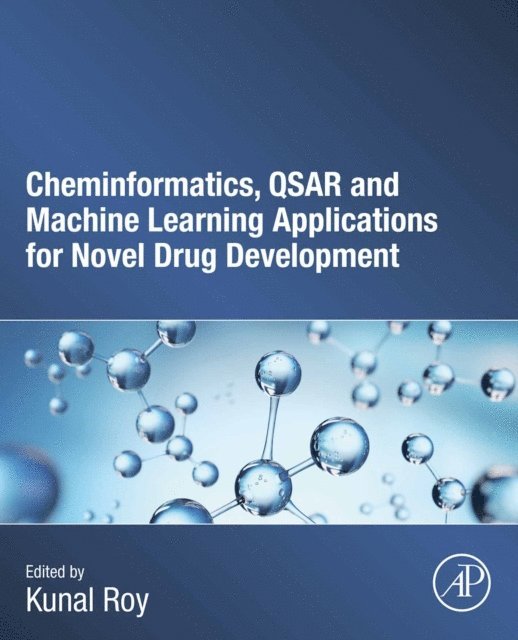
Cheminformatics, QSAR and Machine Learning Applications for Novel Drug Development
Av Kunal Roy
Häftad, 2023
2188 kr
Lägg i varukorg
Cheminformatics, QSAR and Machine Learning Applications for Novel Drug Development aims at showcasing different structure-based, ligand-based, and machine learning tools currently used in drug design. It also highlights special topics of computational drug design together with the available tools …
Cheminformatics, QSAR and Machine Learning Applications for Novel Drug Development
Av Kunal Roy
E-bok, 2023
3048 kr
Lägg i varukorg
Cheminformatics, QSAR and Machine Learning Applications for Novel Drug Development aims at showcasing different structure-based, ligand-based, and machine learning tools currently used in drug design. It also highlights special topics of computational drug design together with the available tools …
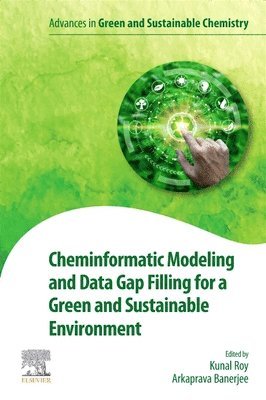
Cheminformatic Modeling and Data Gap Filling for a Green and Sustainable Environment
Av Kunal Roy, Arkaprava Banerjee
Häftad, 2026
2035 kr
Lägg i varukorg
Cheminformatic Modelling and Data Gap Filling for a Green and Sustainable Environment covers the theory and practices of chemical informatics, focusing on modeling various properties and endpoints related to chemicals for improved chemical management and the design of safer chemicals to promote …
Cheminformatic Modeling and Data Gap Filling for a Green and Sustainable Environment
Av Arkaprava Banerjee, Kunal Roy
E-bok, 2026
2834 kr
Lägg i varukorg
Cheminformatic Modelling and Data Gap Filling for a Green and Sustainable Environment covers the theory and practices of chemical informatics, focusing on modeling various properties and endpoints related to chemicals for improved chemical management and the design of safer chemicals to promote …
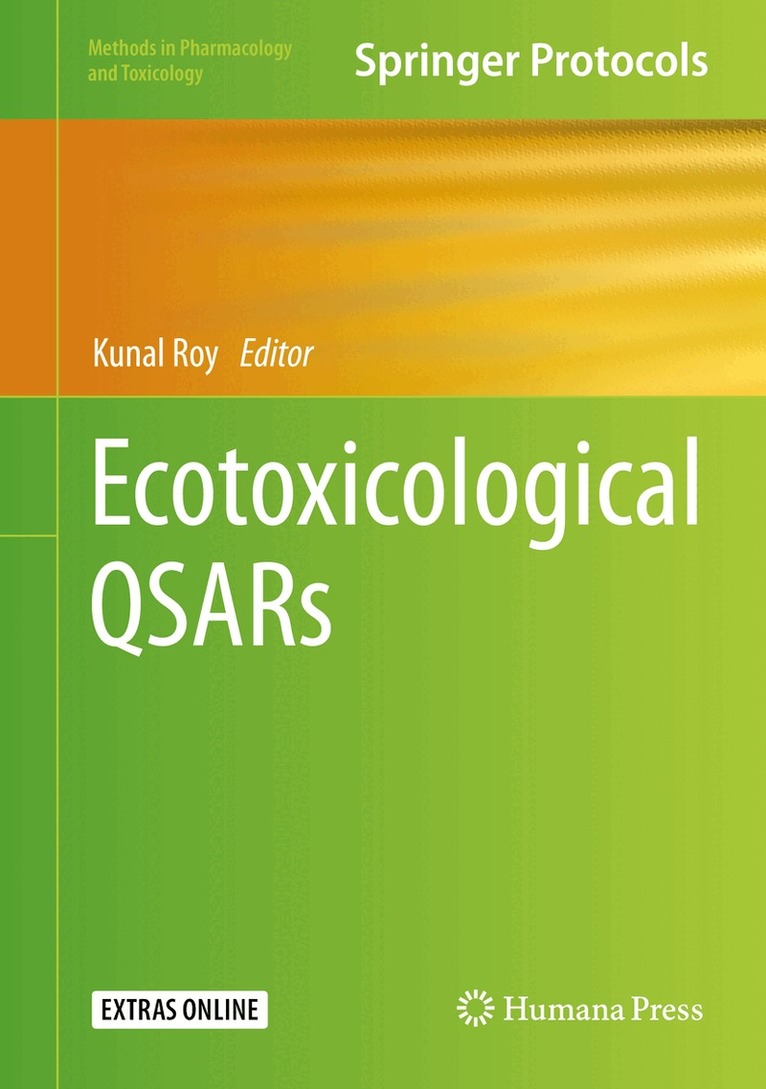
Ecotoxicological QSARs
Av Kunal Roy
Inbunden, 2020
2244 kr
Lägg i varukorg
This volume focuses on computational modeling of the ecotoxicity of chemicals and presents applications of quantitative structure–activity relationship models (QSARs) in the predictive toxicology field in a regulatory context. The extensive book covers a variety of protocols for descriptor …
Ecotoxicological QSARs
Av Kunal Roy
E-bok, 2020
2677 kr
Lägg i varukorg
This volume focuses on computational modeling of the ecotoxicity of chemicals and presents applications of quantitative structure–activity relationship models (QSARs) in the predictive toxicology field in a regulatory context. The extensive book covers a variety of protocols for descriptor …
Ecotoxicological QSARs
Av Kunal Roy
Häftad, 2021
2020 kr
Lägg i varukorg
This volume focuses on computational modeling of the ecotoxicity of chemicals and presents applications of quantitative structure–activity relationship models (QSARs) in the predictive toxicology field in a regulatory context. The extensive book covers a variety of protocols for descriptor …
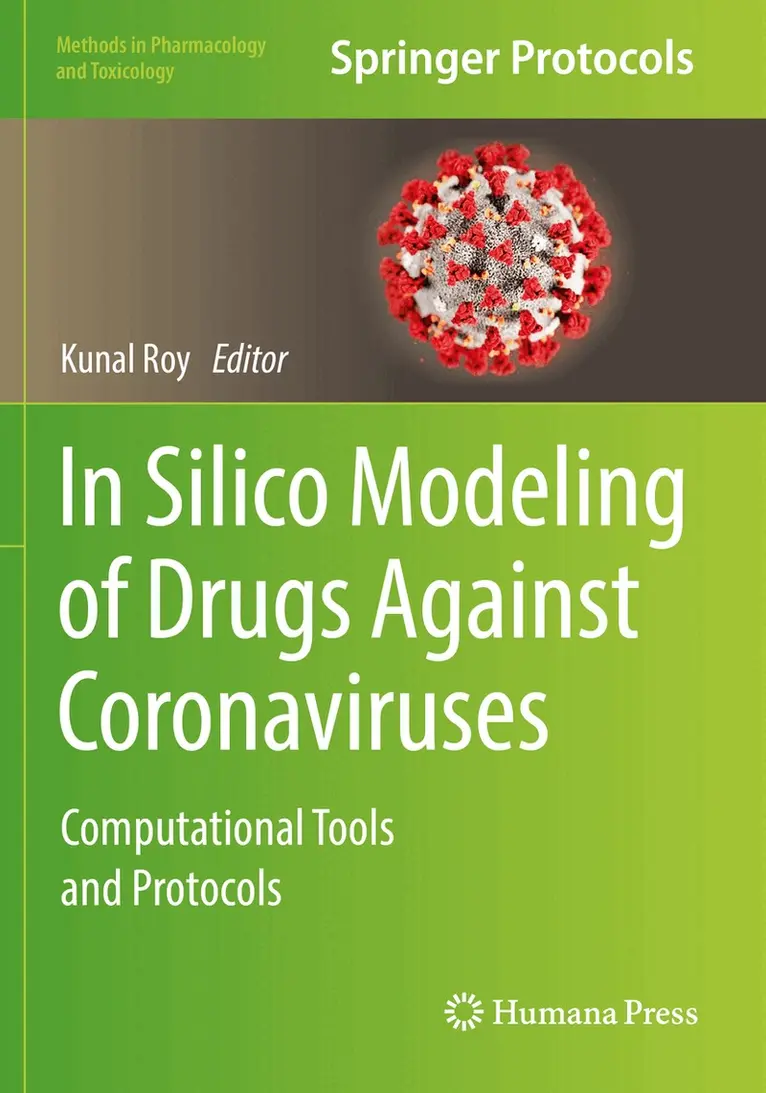
In Silico Modeling of Drugs Against Coronaviruses
Computational Tools and Protocols
Av Kunal Roy
Inbunden, 2021
3698 kr
Lägg i varukorg
This essential volume explores a variety of tools and protocols of structure-based (homology modeling, molecular docking, molecular dynamics, protein-protein interaction network) and ligand-based (pharmacophore mapping, quantitative structure-activity relationships or QSARs) drug design for ranking …
In Silico Modeling of Drugs Against Coronaviruses
Computational Tools and Protocols
Av Kunal Roy
E-bok, 2021
3348 kr
Lägg i varukorg
This essential volume explores a variety of tools and protocols of structure-based (homology modeling, molecular docking, molecular dynamics, protein-protein interaction network) and ligand-based (pharmacophore mapping, quantitative structure-activity relationships or QSARs) drug design for ranking …
In Silico Modeling of Drugs Against Coronaviruses
Computational Tools and Protocols
Av Kunal Roy
Häftad, 2021
2680 kr
Lägg i varukorg
This essential volume explores a variety of tools and protocols of structure-based (homology modeling, molecular docking, molecular dynamics, protein-protein interaction network) and ligand-based (pharmacophore mapping, quantitative structure-activity relationships or QSARs) drug design for ranking …
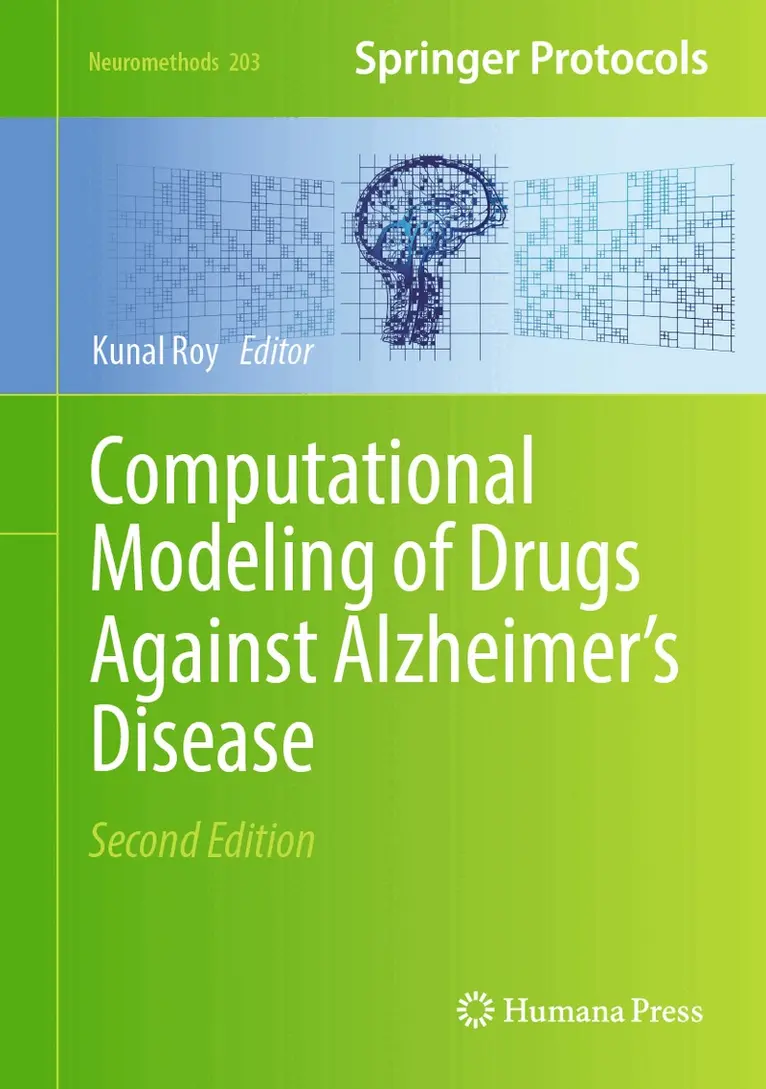
Computational Modeling of Drugs Against Alzheimer’s Disease
Av Kunal Roy
Inbunden, 2023
3363 kr
Lägg i varukorg
This second edition volume expands on the previous edition with updated descriptions on different computational methods encompassing ligand-based, structure-based, and combined approaches with their recent applications in anti-Alzheimer drug design. Different background topics like recent …
Computational Modeling of Drugs Against Alzheimer's Disease
Av Kunal Roy
E-bok, 2023
3259 kr
Lägg i varukorg
This second edition volume expands on the previous edition with updated descriptions on different computational methods encompassing ligand-based, structure-based, and combined approaches with their recent applications in anti-Alzheimer drug design. Different background topics like recent …
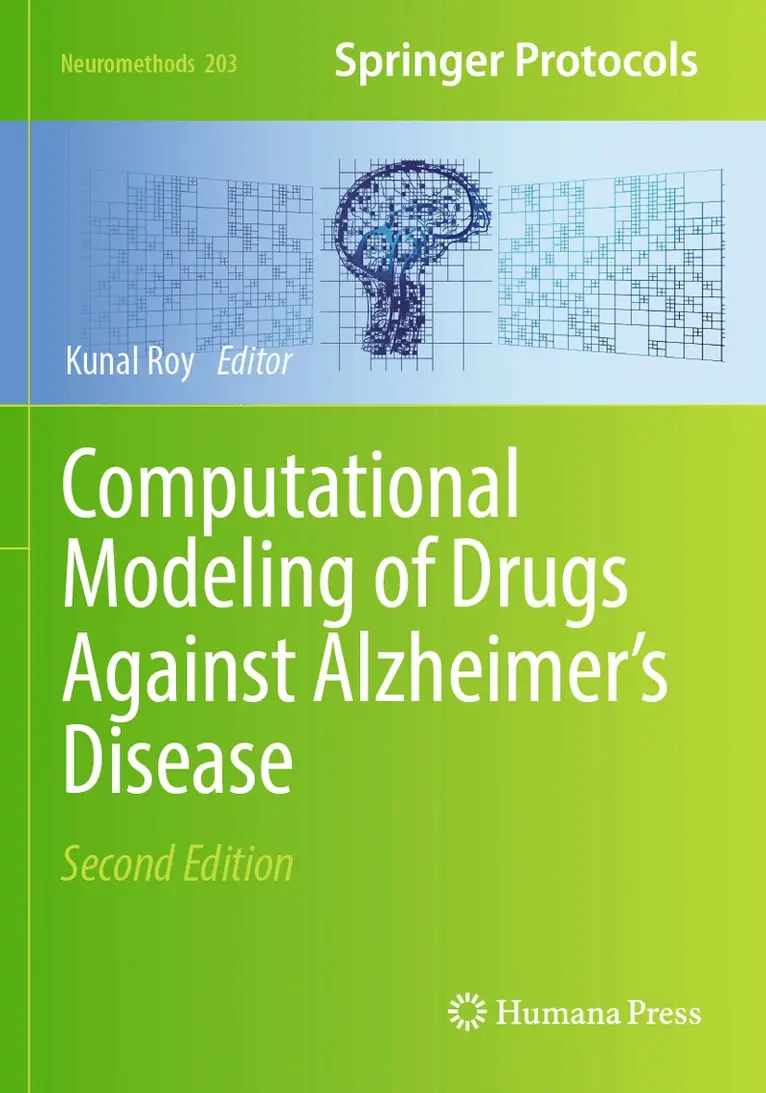
Computational Modeling of Drugs Against Alzheimer’s Disease
Av Kunal Roy
Häftad, 2023
2396 kr
Lägg i varukorg
This second edition volume expands on the previous edition with updated descriptions on different computational methods encompassing ligand-based, structure-based, and combined approaches with their recent applications in anti-Alzheimer drug design. Different background topics like recent …
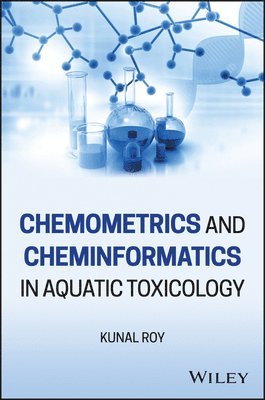
Chemometrics and Cheminformatics in Aquatic Toxicology
Av Kunal Roy
Inbunden, 2022
2593 kr
Lägg i varukorg
CHEMOMETRICS AND CHEMINFORMATICS IN AQUATIC TOXICOLOGY Explore chemometric and cheminformatic techniques and tools in aquatic toxicology Chemometrics and Cheminformatics in Aquatic Toxicology delivers an exploration of the existing and emerging problems of contamination of the aquatic environment …
Chemometrics and Cheminformatics in Aquatic Toxicology
Av Kunal Roy
E-bok, 2021
3014 kr
Lägg i varukorg
CHEMOMETRICS AND CHEMINFORMATICS IN AQUATIC TOXICOLOGY Explore chemometric and cheminformatic techniques and tools in aquatic toxicology Chemometrics and Cheminformatics in Aquatic Toxicology delivers an exploration of the existing and emerging problems of contamination of the aquatic environment …
Chemometrics and Cheminformatics in Aquatic Toxicology
Av Kunal Roy
E-bok, 2021
3014 kr
Lägg i varukorg
CHEMOMETRICS AND CHEMINFORMATICS IN AQUATIC TOXICOLOGY Explore chemometric and cheminformatic techniques and tools in aquatic toxicology Chemometrics and Cheminformatics in Aquatic Toxicology delivers an exploration of the existing and emerging problems of contamination of the aquatic environment …
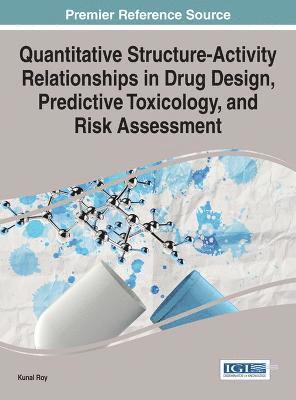
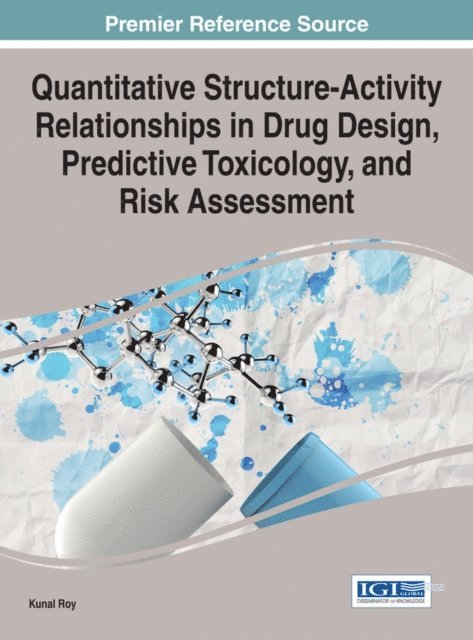
Quantitative Structure-Activity Relationships in Drug Design, Predictive Toxicology, and Risk Assessment
Av Kunal Roy
Inbunden, 2015
3976 kr
Lägg i varukorg
Quantitative Structure-Activity Relationships in Drug Design, Predictive Toxicology, and Risk Assessment
Av Kunal Roy
E-bok, 2015
4598 kr
Lägg i varukorg
Quantitative structure-activity relationships (QSARs) represent predictive models derived from the application of statistical tools correlating biological activity or other properties of chemicals with descriptors representative of molecular structure and/or property. Quantitative …
Computational Modeling of Drugs Against Alzheimer’s Disease
Av Kunal Roy
Inbunden, 2017
1685 kr
Lägg i varukorg
This volume describes different computational methods encompassing ligand-based approaches (QSAR, pharmcophore), structure-based approaches (homology modeling, docking, molecular dynamics simulation), and combined approaches (virtual screening) with applications in anti-Alzheimer drug design. …
Computational Modeling of Drugs Against Alzheimer's Disease
Av Kunal Roy
E-bok, 2017
1622 kr
Lägg i varukorg
This volume describes different computational methods encompassing ligand-based approaches (QSAR, pharmcophore), structure-based approaches (homology modeling, docking, molecular dynamics simulation), and combined approaches (virtual screening) with applications in anti-Alzheimer drug design. …
Computational Modeling of Drugs Against Alzheimer’s Disease
Av Kunal Roy
Häftad, 2018
1202 kr
Lägg i varukorg
This volume describes different computational methods encompassing ligand-based approaches (QSAR, pharmcophore), structure-based approaches (homology modeling, docking, molecular dynamics simulation), and combined approaches (virtual screening) with applications in anti-Alzheimer drug design. …
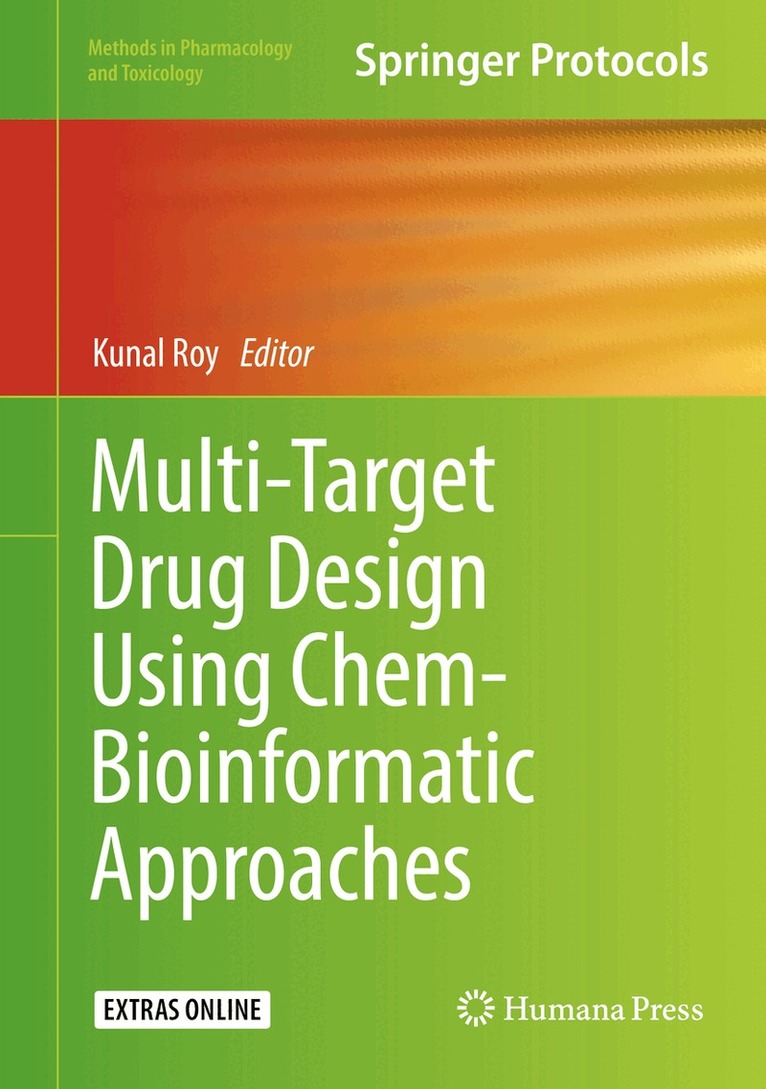
Multi-Target Drug Design Using Chem-Bioinformatic Approaches
Av Kunal Roy
Inbunden, 2018
2468 kr
Lägg i varukorg
This detailed book showcases recent advances in computational design of multi-target drug candidates involving various ligand and structure-based strategies. Different chem-bioinformatic modeling strategies that can be applied for design of multi-target drugs as well as important databases and web …
Multi-Target Drug Design Using Chem-Bioinformatic Approaches
Av Kunal Roy
E-bok, 2018
3348 kr
Lägg i varukorg
This detailed book showcases recent advances in computational design of multi-target drug candidates involving various ligand and structure-based strategies. Different chem-bioinformatic modeling strategies that can be applied for design of multi-target drugs as well as important databases and web …
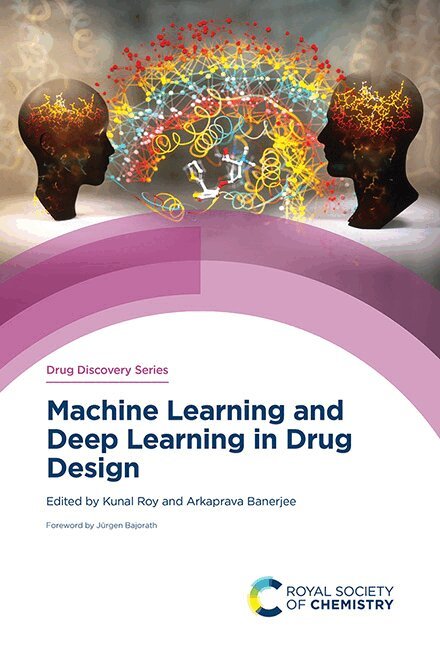
Machine Learning and Deep Learning in Drug Design
Av Kunal Roy, Arkaprava Banerjee
Inbunden, 2026
4150 kr
Lägg i varukorg
Machine learning (ML) and deep learning (DL) are reshaping the landscape of drug design. This comprehensive volume explores how these technologies are applied across the entire drug discovery pipeline—from target identification and protein structure prediction to virtual screening, pharmacokinetic …
Machine Learning and Deep Learning in Drug Design
Av Arkaprava Banerjee, Kunal Roy
E-bok, 2026
2826 kr
Lägg i varukorg
Machine learning (ML) and deep learning (DL) are reshaping the landscape of drug design. This comprehensive volume explores how these technologies are applied across the entire drug discovery pipeline-from target identification and protein structure prediction to virtual screening, pharmacokinetic …
Machine Learning and Deep Learning in Drug Design
Av Arkaprava Banerjee, Kunal Roy
E-bok, 2026
2826 kr
Lägg i varukorg
Machine learning (ML) and deep learning (DL) are reshaping the landscape of drug design. This comprehensive volume explores how these technologies are applied across the entire drug discovery pipeline-from target identification and protein structure prediction to virtual screening, pharmacokinetic …