Kwame Sundaram Jomo – författare
Visar alla böcker från författaren Kwame Sundaram Jomo. Handla med fri frakt och snabb leverans.
4 produkter
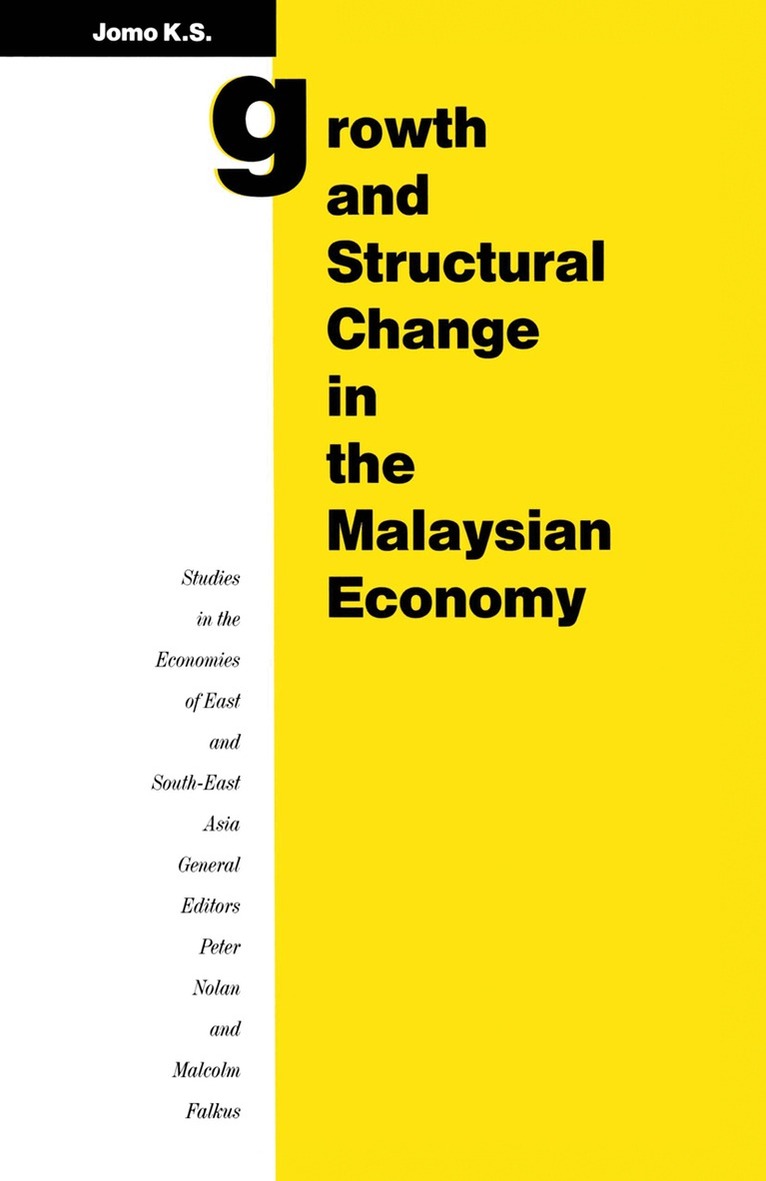
Growth and Structural Change in the Malaysian Economy
Häftad, 1990
433 kr
Lägg i varukorg
This book attempts to understand economic developments in Malaysia in the early and mid-Eighties, focusing on growth, balance of payments, fiscal and debt trends. They are all seen against global trends, earlier developments in the Malaysian economy and other changes in Malaysian society.
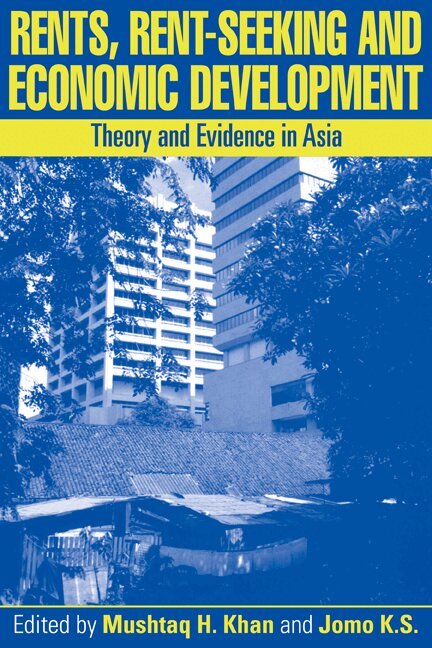
Rents, Rent-Seeking and Economic Development
Theory and Evidence in Asia
Av Mushtaq H. Khan, Kwame Sundaram Jomo
Häftad, 2000
536 kr
Lägg i varukorg
The concepts of rents and rent-seeking are central to any discussion of the processes of economic development. Yet conventional models of rent-seeking are unable to explain how it can drive decades of rapid growth in some countries, and at other times be associated with spectacular economic crises. …
Growth and Structural Change in the Malaysian Economy
E-bok, 2016
576 kr
Lägg i varukorg
This book attempts to understand economic developments in Malaysia in the early and mid-Eighties, focusing on growth, balance of payments, fiscal and debt trends. They are all seen against global trends, earlier developments in the Malaysian economy and other changes in Malaysian society.
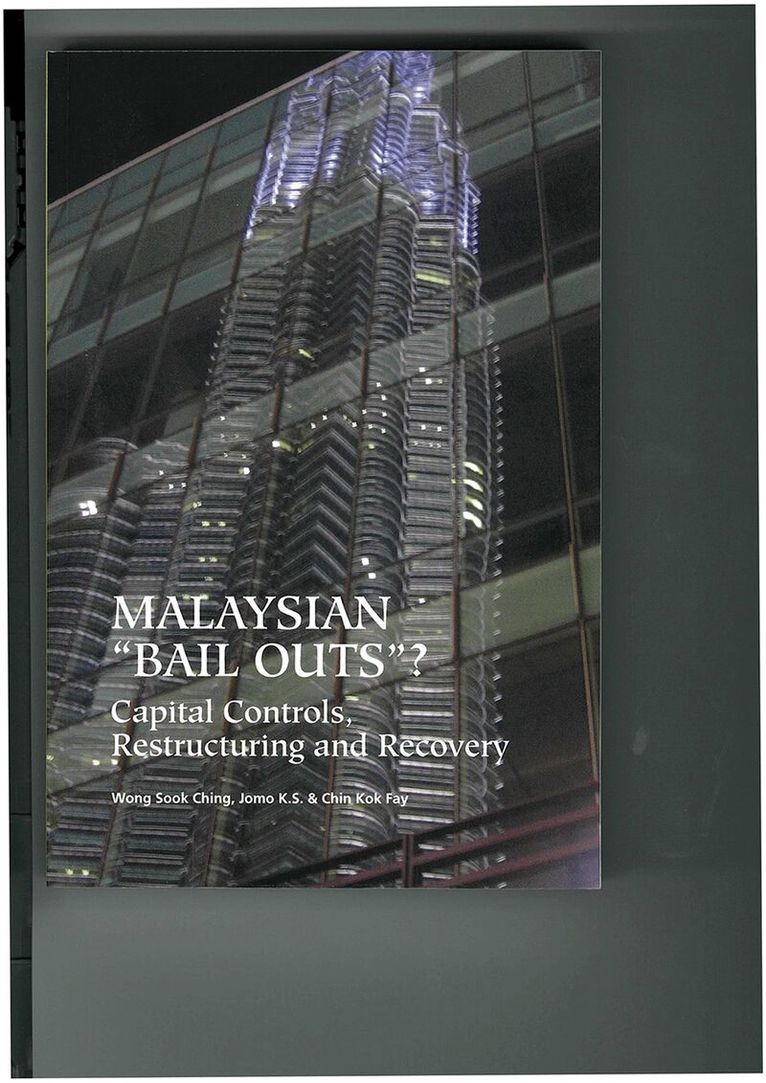
Malaysian ""Bail Outs""?
Capital Controls, Restructuring and Recovery
Av Kwame Sundaram Jomo, Wong Sook Ching m. fl.
Häftad, 2019
338 kr
Tillfälligt slut
As Malaysia's government responded to the 1997-98 financial crisis, the global financial community criticised its measures as bail outs for politically-influential corporate interests. When the economy recovered strongly in 1999 and 2000, Malaysian leaders claimed that their policies, including the …