Kyla Wazana Tompkins - Böcker
Visar alla böcker från författaren Kyla Wazana Tompkins. Handla med fri frakt och snabb leverans.
4 produkter
4 produkter
1 045 kr
Skickas inom 10-15 vardagar
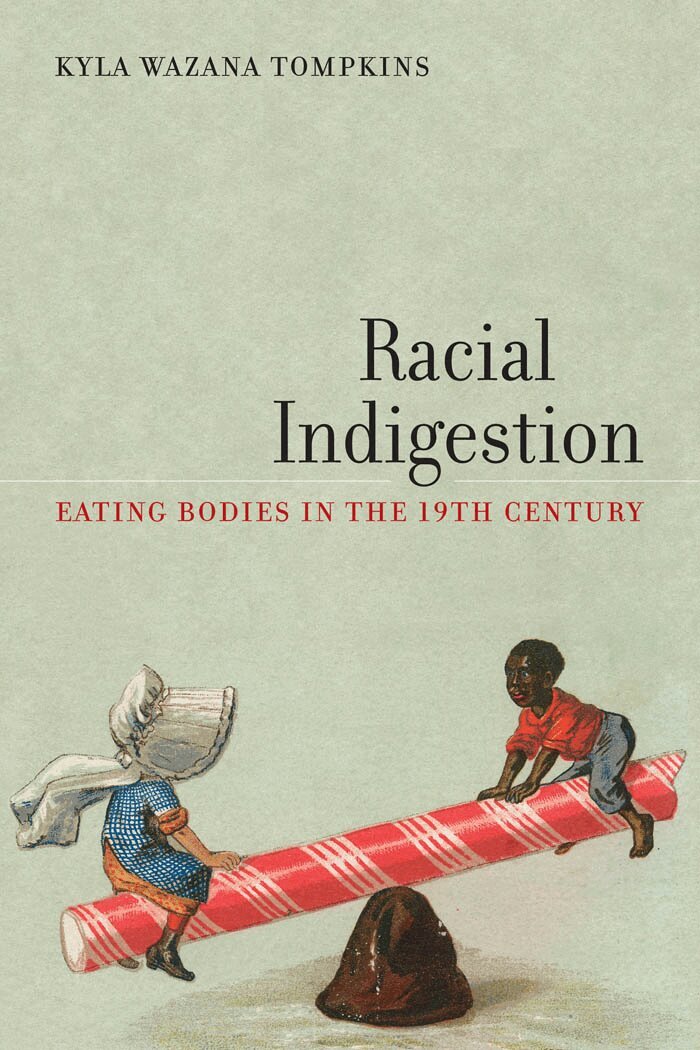
Winner of the 2013 Lora Romero First Book Publication Prize presented by the American Studies AssociationWinner of the 2013 Association for the Study of Food and Society Book AwardPart of the American Literatures Initiative Series The act of eating is both erotic and violent, as one wholly consumes the object being eaten. At the same time, eating performs a kind of vulnerability to the world, revealing a fundamental interdependence between the eater and that which exists outside her body. Racial Indigestion explores the links between food, visual and literary culture in the nineteenth-century United States to reveal how eating produces political subjects by justifying the social discourses that create bodily meaning. Combing through a visually stunning and rare archive of children's literature, architectural history, domestic manuals, dietetic tracts, novels and advertising, Racial Indigestion tells the story of the consolidation of nationalist mythologies of whiteness via the erotic politics of consumption. Less a history of commodities than a history of eating itself, the book seeks to understand how eating became a political act, linked to appetite, vice, virtue, race and class inequality and, finally, the queer pleasures and pitfalls of a burgeoning commodity culture. In so doing, Racial Indigestion sheds light on contemporary "foodie" culture's vexed relationship to nativism, nationalism and race privilege. For more, visit the author's tumblr page: http://racialindigestion.tumblr.com
459 kr
Skickas inom 7-10 vardagar
Winner of the 2013 Lora Romero First Book Publication Prize presented by the American Studies AssociationWinner of the 2013 Association for the Study of Food and Society Book AwardPart of the American Literatures Initiative Series The act of eating is both erotic and violent, as one wholly consumes the object being eaten. At the same time, eating performs a kind of vulnerability to the world, revealing a fundamental interdependence between the eater and that which exists outside her body. Racial Indigestion explores the links between food, visual and literary culture in the nineteenth-century United States to reveal how eating produces political subjects by justifying the social discourses that create bodily meaning. Combing through a visually stunning and rare archive of children's literature, architectural history, domestic manuals, dietetic tracts, novels and advertising, Racial Indigestion tells the story of the consolidation of nationalist mythologies of whiteness via the erotic politics of consumption. Less a history of commodities than a history of eating itself, the book seeks to understand how eating became a political act, linked to appetite, vice, virtue, race and class inequality and, finally, the queer pleasures and pitfalls of a burgeoning commodity culture. In so doing, Racial Indigestion sheds light on contemporary "foodie" culture's vexed relationship to nativism, nationalism and race privilege. For more, visit the author's tumblr page: http://racialindigestion.tumblr.com
1 095 kr
Skickas inom 10-15 vardagar
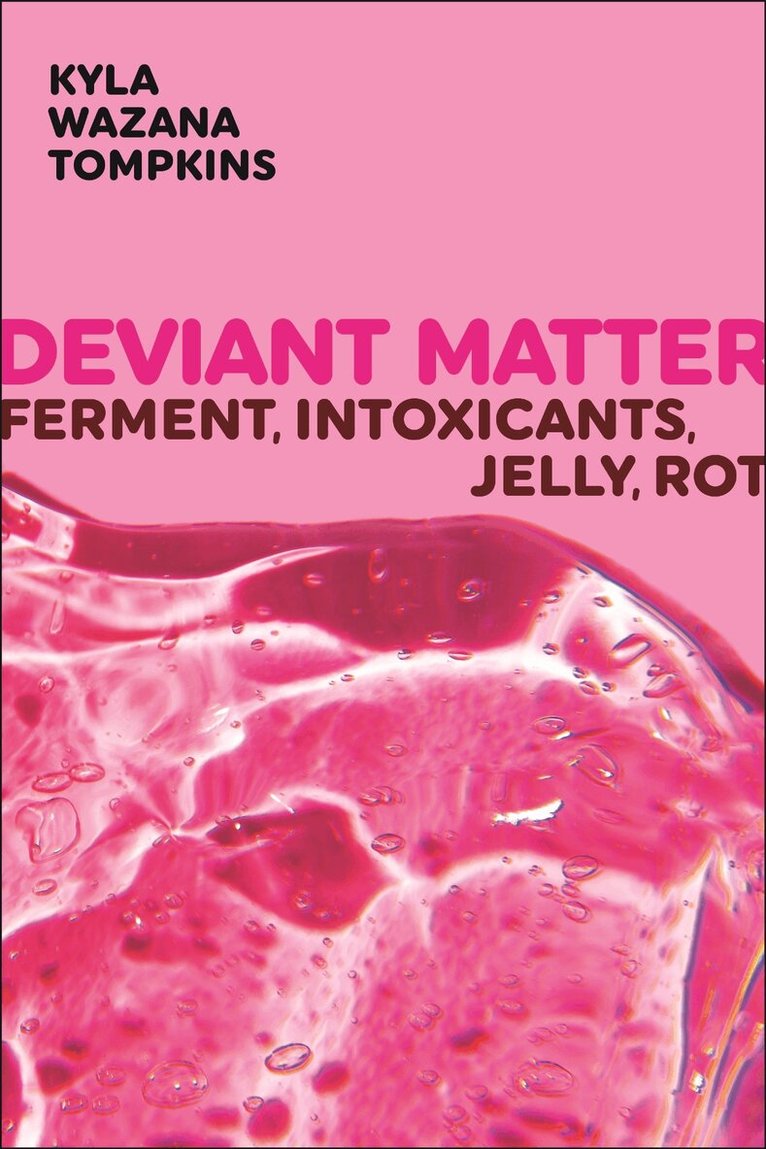
How deviant materials figure resistanceYeast ferments, gelatin jiggles, drugs and alcohol froth and bubble, and flesh from animals and plants actively molds and rots. These materials morph through multiple states and phases, and their movement is imbued with a liveliness that is suggestive of volition.Deviant Matter examines four aesthetic and material categories— gelatinousness, fermentation, putrefaction, and intoxication—to theorize how the modern state seeks to manage deviant populations across multiple scales, from the level of the single cell up to the affective and aesthetic imperatives of the state and its bureaucratic projects. Kyla Wazana Tompkins deploys a new materialist engagement with the history of race and queer life, making an argument for queer of color method as political and disciplinary critique. Deviant Matter delves into a vast archive that includes nineteenth-century medical and scientific writing; newspaper comic strips and early film; the Food and Drug Act of 1906; the literature of Martin Delany, Louisa May Alcott and Herman Melville; and twenty-first century queer minoritarian video, installation, and performance art.Drawing from the genealogy of Black feminist and queer of color critique, in Deviant Matter rot, jelly, ferment and intoxicating materials serve as figures for thinking about how matter, art, politics, and affect can be read across multiple scales, ranging from the intimate and molecular everyday to the vast print production and inner workings of the state. Tompkins demonstrates that we are moved by our encounters with the materials in Deviant Matter, producing feelings and sensations that she links to a system of social value where these sensations come to be understood as productive, exciting, disgusting, intoxicating, or even hallucinatory. Moving through multiple states and phase changes, falling apart and reforming again, ferment, rot, intoxicants and jelly energize and choreograph both themselves and human behavior. At the same time, these materialities come to signify exactly those populations whose energy escapes the extractive efforts of capitalism and the state.
355 kr
Skickas
How deviant materials figure resistanceYeast ferments, gelatin jiggles, drugs and alcohol froth and bubble, and flesh from animals and plants actively molds and rots. These materials morph through multiple states and phases, and their movement is imbued with a liveliness that is suggestive of volition.Deviant Matter examines four aesthetic and material categories— gelatinousness, fermentation, putrefaction, and intoxication—to theorize how the modern state seeks to manage deviant populations across multiple scales, from the level of the single cell up to the affective and aesthetic imperatives of the state and its bureaucratic projects. Kyla Wazana Tompkins deploys a new materialist engagement with the history of race and queer life, making an argument for queer of color method as political and disciplinary critique. Deviant Matter delves into a vast archive that includes nineteenth-century medical and scientific writing; newspaper comic strips and early film; the Food and Drug Act of 1906; the literature of Martin Delany, Louisa May Alcott and Herman Melville; and twenty-first century queer minoritarian video, installation, and performance art.Drawing from the genealogy of Black feminist and queer of color critique, in Deviant Matter rot, jelly, ferment and intoxicating materials serve as figures for thinking about how matter, art, politics, and affect can be read across multiple scales, ranging from the intimate and molecular everyday to the vast print production and inner workings of the state. Tompkins demonstrates that we are moved by our encounters with the materials in Deviant Matter, producing feelings and sensations that she links to a system of social value where these sensations come to be understood as productive, exciting, disgusting, intoxicating, or even hallucinatory. Moving through multiple states and phase changes, falling apart and reforming again, ferment, rot, intoxicants and jelly energize and choreograph both themselves and human behavior. At the same time, these materialities come to signify exactly those populations whose energy escapes the extractive efforts of capitalism and the state.