Kylie M. Smith - Böcker
Visar alla böcker från författaren Kylie M. Smith. Handla med fri frakt och snabb leverans.
3 produkter
3 produkter
441 kr
Skickas inom 7-10 vardagar
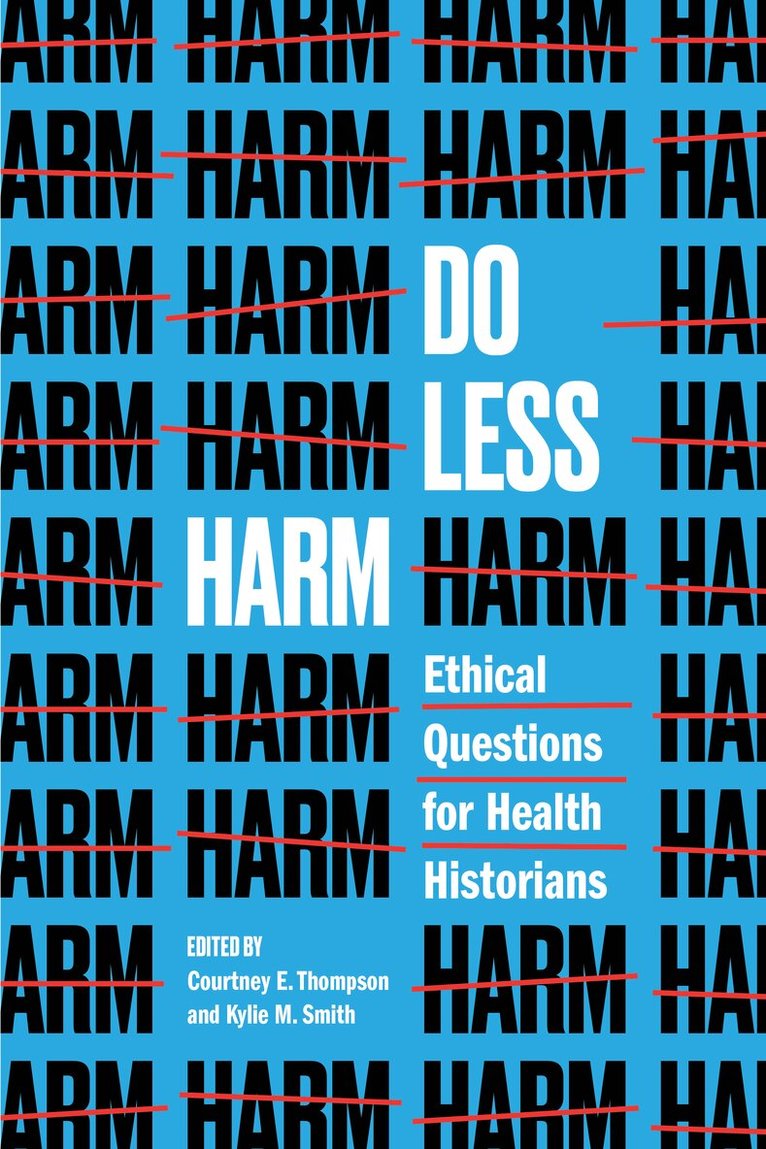
Offers reflections, provocative questions, and practical strategies for ethical, responsible approaches to health history.In Do Less Harm, editors Courtney E. Thompson and Kylie M. Smith bring together a group of leading historians and scholars to confront one of the most pressing questions in health history: How can we ethically approach stories of medicine and health without perpetuating harm? This thought-provoking collection invites readers into a crucial conversation about the responsibilities of historians when documenting the past. Through carefully curated essays, the contributors explore the ethical dilemmas that arise in researching, teaching, and writing about the history of health care. From patient privacy to the politics of archives, the essays cover how health histories have often overlooked, misunderstood, or misrepresented the people and communities most affected by medical practices. The contributors challenge the assumptions of the field, offering a more thoughtful approach to historical research—one that emphasizes empathy, accountability, and inclusivity. The book raises provocative questions and proposes practical strategies for historians and scholars to do less harm in their work and is organized around key themes such as research, teaching, writing, and public engagement, making it an indispensable resource for anyone working in the history of health care, ethics, or the health humanities. With its engaging style and accessible insights, Do Less Harm offers a fresh and timely perspective for academics, students, and readers interested in the ethical challenges of representing the past.
1 095 kr
Skickas inom 10-15 vardagar
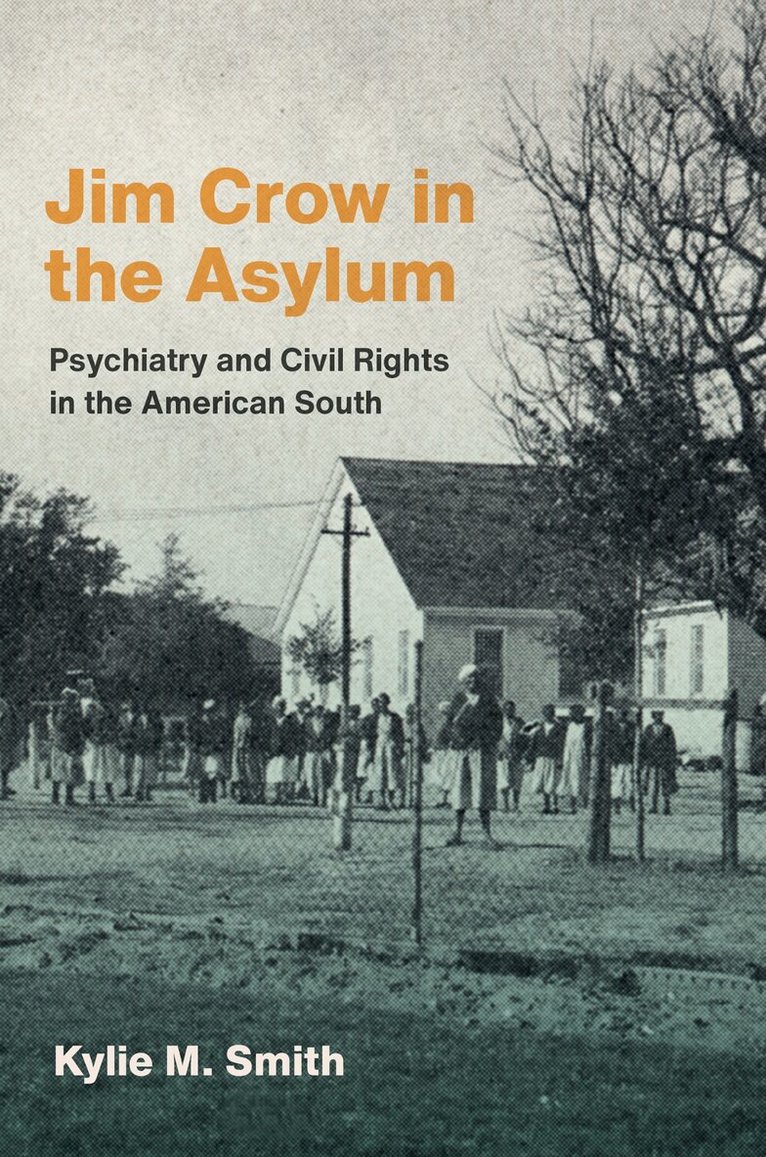
There is a complicated history of racism and psychiatric healthcare in the Deep South states of Georgia, Alabama, and Mississippi. The asylums of the Jim Crow era employed African American men and women served as places of treatment and care for African Americans with psychiatric illnesses and, inevitably, were places of social control. Black people who lived and worked in these facilities needed to negotiate complex relationships of racism with their own notions of community, mental health, and healing.Kylie M. Smith mixes exhaustive archival research, interviews, and policy analysis to offer a comprehensive look at how racism affected Black Southerners with mental illness during the Jim Crow era. Complicated legal, political, and medical changes in the late twentieth century turned mental health services into a battlefield between political ideology and psychiatric treatment approaches, with the fallout having long-term consequences for patient outcomes. Smith argues that patterns of racially motivated abuse and neglect of mentally ill African Americans took shape during this era and continue to the present day. As the mentally ill become increasingly incarcerated, reminds readers that, for many Black Southerners, having a mental illness was—and still is—tantamount to committing a crime.
379 kr
Skickas inom 10-15 vardagar
There is a complicated history of racism and psychiatric healthcare in the Deep South states of Georgia, Alabama, and Mississippi. The asylums of the Jim Crow era employed African American men and women served as places of treatment and care for African Americans with psychiatric illnesses and, inevitably, were places of social control. Black people who lived and worked in these facilities needed to negotiate complex relationships of racism with their own notions of community, mental health, and healing.Kylie M. Smith mixes exhaustive archival research, interviews, and policy analysis to offer a comprehensive look at how racism affected Black Southerners with mental illness during the Jim Crow era. Complicated legal, political, and medical changes in the late twentieth century turned mental health services into a battlefield between political ideology and psychiatric treatment approaches, with the fallout having long-term consequences for patient outcomes. Smith argues that patterns of racially motivated abuse and neglect of mentally ill African Americans took shape during this era and continue to the present day. As the mentally ill become increasingly incarcerated, reminds readers that, for many Black Southerners, having a mental illness was—and still is—tantamount to committing a crime.